


Daily Human Digest
Uses of CRISPR/Cas9 genome engineering expand to editing RNA
The CRISPR/Cas9 system, a powerful tool for genome engineering and gene regulation, has been thought to be incapable of targeting RNA ...
Promising new findings on BRCA2 gene give hope for improving breast cancer treatment
For the first time, researchers from the UK have created pictures of the BRCA2 protein. Mutations in the gene that ...
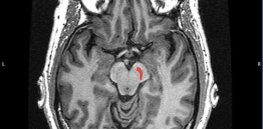
Controversial fetal cell transplants revived for Parkinson’s trials
Fetal brain cell transplants fell out of favor as a potential therapy for Parkinson’s disease after mixed reviews from trials ...
How should parents deal with preimplantation genetic information?
In the following post at Patheos the author reflects on the fact that her teenage daughter inherited her genetic condition, a predisposition ...
Big Data revolutionizing how we research science and medicine
"The scientific method itself is growing obsolete,” says Atul Butte, an entrepreneur and associate professor of pediatrics at the Stanford School of ...
Thousands of genes contribute to height
It's no secret that if your dad is tall and your mother is tall, you are probably going to be ...
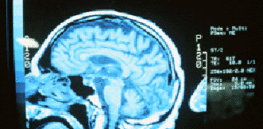
How Vietnam War vets aid in brain research
In 1967, William F. Caveness, a neurologist and veteran of the Korean War, began building a registry of living soldiers ...
Beware of the biomedical industrial complex
Dr. Steve McKnight, President of the American Society For Biochemistry And Molecular Biology, has written an article that must be as ...
Why there probably is no ‘perfect’ human gut microbiome
Jeff Leach, at the "Human Food Project", has written pungently about a bout of microbiome self-experimentation: "(Re)Becoming Human: what happened the ...

DIY fecal transplant: Taking love of the microbiome a bit too far
Anthropologist Jeff Leach ended his last trip to Africa with a bit of self-experimentation. He gave himself a fecal transplant ...
DNA sequencing saves newborns’ lives, but what happens to personal genetic information?
By two months of age, the boy was near death. He had spent his entire short life in the neonatal ...

Are Ebola drug researchers developing ‘death drugs’ that could wipe out humanity? Yes, by logic of anti-GMOers
It's perplexing that strident anti-GMO critics who regularly harp on the "danger" of harvesting a "foreign" gene from one species ...
Central Park home to more wildlife than meets the eye
In 2003, an army of 350 scientists and volunteers swept out across Central Park. Their mission, called a BioBlitz, was ...
Coming to terms with having a child with an inherited genetic disorder
When my oldest daughter Leah was born, many people made the same observation: “Look at those fingers! So long and ...

Personal genomics company says it will solve puzzle of Welsh origins
A British genetics company is asking for Welsh participants to help discover the mysterious genetic origins of the famously redheaded ...
‘Junk DNA’ may sometimes contain useful genes
Scientifically speaking, there is no bad DNA, though we like to blame it for unruly hair, klutziness or poor gardening ...
Critics of ‘three-person’ IVF: Media oversimplifies role of mitochondrial genome
If you’ve read anything at all promoting 3-person IVF, you’ve no doubt seen the analogy that the cellular organelles called mitochondria ...
Video: Can we ever create a real-life Jurassic Park?
For the Jurassic Park fans out there, let's be honest, most of us have considered the question Q asks, "Do ...
Common genetic link found between stress, heart disease
A new genetic finding from Duke Medicine suggests that some people who are prone to hostility, anxiety and depression might ...
Can stem cells repair damaged eyes and reverse blindness?
Hundreds of thousands of people who are registered blind have been offered new hope after scientists discovered special stem cells ...
Our gut microbes get fed, even when we do not
For bacteria, the mammalian gut is like Shangri-La. It’s warm and consistently so, sheltered from the environment, and regularly flooded ...

Single dose of anti-depressant alters brain? Maybe, but what does that mean?
All drugs "alter" the brain's connectivity, so that's hardly a surprise. But what does that mean? Are the changes ongoing ...

Do mysterious ‘jumping genes’ fast track evolution?
Genomes have a lot of moving parts. Some stretches of DNA try to assimilate and copy themselves in novel places, ...
IBM’s Watson assesses genetic risk for sudden cardiac arrest
Sudden cardiac arrests kill someone every five seconds. Now the fact-finding power of Watson, IBM's Jeopardy-winning supercomputer, is being harnessed to help ...

What’s life like for the transgendered after sexual reassignment surgery?
People who identify with a gender other than the one they were born with often suffer from societal pressures and ...

Intelligence genes: Elusive but real
The question of the degree to which genes control intelligence has been so controversial that many geneticists avoid pursuing it ...
Newly discovered bird species in danger from deforestation
Discovering a new species isn’t always as easy as saying “Look, there’s a new species!” In the case of a ...
