


Science Literacy Project Daily Digest

Do antidepressants really work? This study says they do
Scientists say they have settled one of medicine's biggest debates after a huge study found that anti-depressants work. The study, ...

Nuseed’s GMO canola set to become world’s first plant-based source of long-chain omega-3 fatty acids
Australian and New Zealand regulators have given the green light to Nuseed’s omega-3 canola variety for and use in animal, ...

Canadian beekeepers sue Bayer and Syngenta, blame neonicotinoid manufacturers for bee deaths
A Quebec class-action lawsuit against two producers of neonicotinoids — commonly used insecticides that have been linked to a declining population of honeybees — ...

Controversial natural supplement kratom draws FDA’s ire after Salmonella outbreak
It’s no secret that the Food Drug Administration isn’t a fan of kratom, a popular herb purported to help people with digestive ...

Russia funds articles questioning GMO safety in bid to hurt US ag industry, research shows
Politics isn't the only issue where Russia seeks to sway U.S. opinion. The former communist country is trying to influence ...

Esophageal cancer treated with risky modified T-cell therapy in China
Esophageal cancer is one of the most common forms of cancer in China. Like many other types, cancer of the esophagus ...

Organic beer? Anheuser-Busch to sell organic Michelob Ultra in Whole Foods, other stores
After years of targeting health-conscious beer drinkers with Michelob Ultra, Anheuser-Busch InBev is going after an even choosier consumer: the organic shopper. The ...

What 3D printing can teach us about how to regulate CRISPR gene editing
Australia’s gene technology regulations have not been revised since 2001- despite many game-changing advances in genetic technologies over the past 17 ...

Genetic facial recognition may be headed our way
If the accuracy ever gets high enough, there would still be some interesting applications (including the privacy problem) of [genetic] ...

Video: Josiah Zayner’s deep dive into DIY biohacking
In 2016, Josiah Zayner, a former synthetic biology research scientist at NASA, checked himself into a hotel room. Over the ...

Wild relatives could help staple crops like chickpeas adapt to climate change
They are nutritious, versatile and a dietary staple for millions of people from South Asia to Ethiopia, but scientists have ...
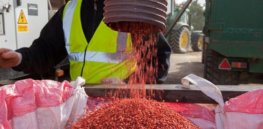
Neonicotinoid, fipronil insecticides largely ineffective as pests develop resistance, study says
A new study raises questions about the effectiveness of the two most popular types of agricultural pesticides, noting overreliance on ...

How DARPA wants to create spies from genetically modified sea life
The US military wants to enlist fish and other sea life to help it track enemy submarines at sea. The ...

Sri Lanka lifts ban on glyphosate herbicide after farmers protest
In its first reform act after the humiliating defeat it suffered in the local bodies elections held on February 10, ...
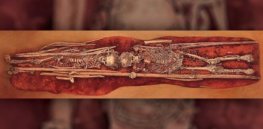
Sunghir: What the strange paleolithic burial site tells us about ancient humans
Around 34,000 years ago, hunter-gatherers who roamed the Russian plains started to bury their dead at the site of Sunghir, ...

Could genetic engineering save coffee from a deadly fungus?
Genetic diversity or lack thereof can have real consequences for our diets, and more importantly, for our health. ... The ...

‘Quantum leap’ in autism research could lead to better diagnosis, treatments
A new computational method has connected several target genes to autism, according to new research. The findings, along with other ...

Rapid blood test for traumatic brain injury approved by FDA
The Food and Drug Administration (FDA) recently approved a blood test that may revolutionize the diagnosis of [traumatic brain injury] ...

Will Australia free CRISPR gene-edited crops from government regulation?
Gene editing technology – CRISPR is the best-known example – would be freed from government regulation under a proposal by ...

Viewpoint: Forcing Monsanto out of India could have serious consequences for cotton farmers
[T]hose who advocate swadeshi tend to forget that the Bt seeds patented by Monsanto were responsible for doubling the yield of cotton ...

Cutting through the ‘dieting din’: Your DNA won’t help you lose weight
Many consumer DNA testing companies have pledged to cut through the dieting din with personalized advice. Different diets work for ...
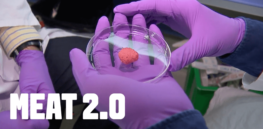
Video: How is lab-grown meat made—and can it overcome the ‘ick factor’?
Food scientists and startups are trying to make meat more ethically appealing by growing it — cell by cell — ...

Dystopian ‘Black Mirror’ scenarios predict dark future for artificial intelligence
[A] new report by more than 20 researchers from the Universities of Oxford and Cambridge, OpenAI, and the Electronic Frontier Foundation warns that ...

Will evolution protect humans from alcoholism?
Humans may be evolving a genetic variant that would make them physically unable to consume large amounts of alcohol, new research suggests ...

Viewpoint: Dissecting the Food Babe’s anti-‘natural flavors’ pseudoscience
Our good friend the Food Babe has published an interesting piece of pseudoscience writing entitled ‘Are Natural Flavors Really That ...
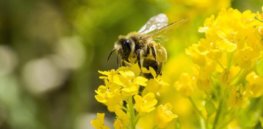
Farmers, environmental advocacy groups disagree on neonicotinoids’ impact on bees
The U.S. Public Interest Research Group is among the organizations lobbying the Environmental Protection Agency to ban the pesticides, known ...

Gene drives and eliminating invasive pests without bloodshed
[Researcher Karl Campbell is] using a fiercely potent poison for the complete obliteration of rats on a 70-square-mile Galapagos island ...
