


Science Literacy Project Daily Digest
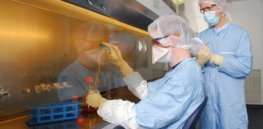
Why do gene therapy treatments cost so much?
The first gene therapy treatment in the United States was approved recently by the Food and Drug Administration, heralding a new ...

How genes influence mouth bacteria and tooth decay
The composition of our oral bacteria when we are very young is predominantly influenced by our genetic background. But as ...

How the ‘DNA revolution’ might change the animal breeding and meat industry
The changes that have occurred in the last three months in the genetics and genomics world have probably equaled the changes in ...

Can we ‘bring back’ long extinct Galápagos tortoises?
Many members of the two species of tortoises — marked by the distinctive saddleback shape of their shells — were ...

Studies cited by GMO and climate change skeptics similarly flawed, research shows
Benestad, Hayhoe and colleagues developed an open-source analytical tool to replicate and test the results and methodologies of these 38 ...

Perfect apple: Replicating Honeycrisp success to create new, tastier varieties
The Honeycrisp is a millennial apple born in the 1990s, after years of careful planning. It’s also considered the first ...
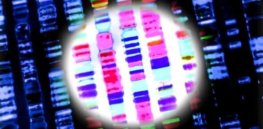
23andMe chasing Parkinson’s clues through genomic data mining
In 2015, 23andMe began inking lucrative research agreements with pharma giants like Genentech and Pfizer, in addition to launching its own R&D ...

Ecologist: ‘Heavily scrutinized’ glyphosate not a ‘highly toxic chemical’
[Editor’s note: Frank Hassler is chief ecologist with Good Oak Ecological Services, which works to provide sustainable landscaping and land ...

Why is type 2 diabetes difficult to diagnose in African Americans?
One of the tests used to diagnose type 2 diabetes and monitor blood sugar control is influenced by 60 genetic ...

Artificial intelligence uses facial features to detect sexual orientation
AI’s power to pick out patterns is now turning to more intimate matters. Research at Stanford University by Michal Kosinski and Yilun ...

GMOs for humans blocked in Germany by activist groups, but livestock industry widely uses them
[Note: This report on the Germany's agricultural industry is published annually by the USDA.] Public rejection of genetically engineered (GE) ...

Will France’s rejection of glyphosate reauthorization block Europe’s proposed re-approval?
Major concerns now hang over the future use of glyphosate in the EU with the move by France not to ...

Genetics and obesity: Expanding waistlines can’t be blamed on poor lifestyle choices alone
The sources of obesity look more biological, and less psychological, which opens new avenues toward addressing the crisis. Finding answers ...

Evidence confirms likely link between regular exercise and reduced cancer risk
Researchers have long recognized an epidemiological link between exercise and a lower risk of certain cancers, including breast cancer. But ...

Antarctic glaciers may be hiding undiscovered life
Is there an undiscovered colony of plants, algae and small animals living in caves beneath glaciers in the Antarctic? That’s ...

Viewpoint: Organic industry misleads consumers with fear, unethical sales tactics
[Editor’s note: Michelle Miller, the "Farm Babe", is an Iowa-based farmer, public speaker and writer.] While acting like the “little guy” ...

Public education about QR codes important to success of proposed federal GMO label, study finds
The study, the release of which was the subject of a now-moot lawsuit from the Center for Food Safety last ...

Italy’s GMO corn ban unlawful, European Union court rules
The European Union court ruled Wednesday (September 13] in favor of an Italian activist farmer who has defied his nation's ...
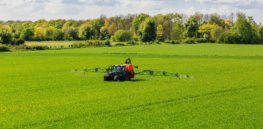
Glyphosate herbicide not an ‘endocrine disruptor’, European Food Safety Authority concludes
The European Food Safety Authority (EFSA) has concluded that the world's most used pesticide, glyphosate, does not have endocrine disrupting ...

Tiny genetic alteration linked to devastatingly large brain size
An international collaboration led by scientists and doctors from the UK, Netherlands and United States has identified a new genetic ...

How the Netherlands became a high tech farming center
Almost two decades ago, the Dutch made a national commitment to sustainable agriculture under the rallying cry “Twice as much ...
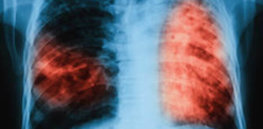
Genes suggest who is most likely to get tuberculosis
Tuberculosis is caused by Mycobacterium tuberculosis. In 2016, this was the most common causative pathogen for death by infectious diseases. Therefore, ...

How glyphosate-resistant weeds led to Monsanto’s dicamba herbicide crisis
[In] the 1990s, Monsanto began selling a series of patented, genetically modified, “RoundUp”-ready seeds. Monsanto had altered crop seeds...to be ...

Diabetes and heart disease share common genetic links
Scientists out of the University of Pennsylvania’s School of Medicine say that they’ve uncovered 16 new genetic risk factors for ...

Some antibiotic resistance in humans may trace to feeding strategies at fish farms
The mucky sediment below fish farms usually teems with antibiotic-resistant bacteria. The presence of such bacteria is a cause of ...

Will the public embrace CRISPR to ‘edit out’ birth defects as it has other reproductive technologies?
As CRISPR becomes more widespread, will the public accept gene-edited alterations in the same way we embraced in vitro fertilization? ...

Netherlands wants CRISPR gene-edited crops exempt from Europe’s GMO laws
The Netherlands believes the new plant breeding techniques should not come under the GMO legislation as they are as safe ...
