


Brain
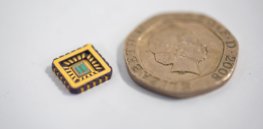
‘Paradigm-changing’: Artificial nerve cells could lead to treatments for Alzheimer’s, other brain disorders
Scientists have made artificial nerve cells, paving the way for new ways to repair the human body. The tiny "brain ...

Brain zapping may be a new type of snake oil. But it might also work—in some instances
According to the advertising hype, you too can enjoy incredible neural and psychological benefits in the comfort of your own ...
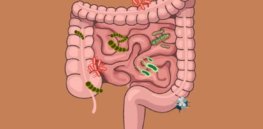
How the microbiome may boost the brain’s recovery from stroke damage
Despite a decades-long search, scientists have yet to pinpoint effective ways of protecting the brain from poststroke damage. In recent ...

Pregnancy, motherhood may give a boost to women’s brains, making them ‘younger’
Tired toddler mums may finally be able to take some comfort in their exhaustion. It turns out they may have ...

‘Peculiar brain waves’ during sleep may be key to forming memories, study suggests
Neuroscientists have always presumed that learning and memory depend on strengthening or weakening the connection points between neurons (synapses), increasing ...

Why do women make up two-thirds of Alzheimer’s patients? The answer may be found in menopause
Two-thirds of all Alzheimer’s patients are women. Why? It has often been posited that this is because women live longer ...

Staving off dementia through lifestyle changes, including exercise, weight loss
When it comes to battling dementia, the unfortunate news is this: Medications have proven ineffective at curing or stopping the ...

Sleep disturbances may make you susceptible to anxiety disorders
Studies in healthy human volunteers have shown how a sleepless night can increase anxiety levels by 30%. In some participants ...
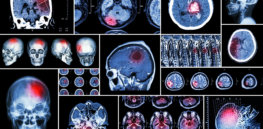
Our brains on trial: How new imaging technology could alter the way courts view ‘neurolaw’ defenses when determining guilt
States of mind that the legal system cares about — memory, responsibility and mental maturity — have long been difficult ...

Why it may not be ‘screen time’ that’s stunting development of kids’ brains
A new study links young children’s screen time with changes in the brain and slower language development. But parents, before ...

Does ‘brain plasticity’ explain why these people can still smell, despite not having olfactory bulbs?
Doctors there say they’ve found people who can smell just as well as anyone else, despite missing the key area ...
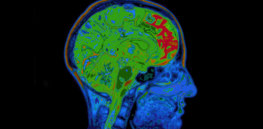
New brain memory model could offer new pathways for Alzheimer’s research
[PhD candidate and physician Thanh Pierre] Doan is investigating the intricacies of the parts of the brain that keep track ...

What makes a murderer? MRI scans reveal reduced gray matter patterns in convicts
Kent Kiehl and his research team regularly park their long, white trailer just outside the doors of maximum-security prisons across the ...

People with better memories may have better romantic relationships, study suggests
Common topics of marital disagreement are money, sex and time spent together. None of this will surprise anyone who has ...

Deep sleep may be critical to flushing out your brain’s ‘toxic waste’
Why sleep has restorative—or damaging—effects on cognition and brain health has been an enduring mystery in biology. Researchers think cerebrospinal ...
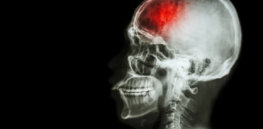
Neural stem cell transplants show promise for treating stroke, Parkinson’s, spinal injuries
Pelizaeus-Merzbacher disease is a genetic malady that leaves neurons without their myelin coating. This deficit has devastating consequences for the ...
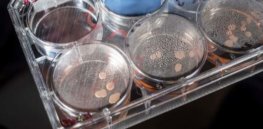
Potential problem with lab-grown mini-brains: They’re ‘stressed-out and confused’
Brain cells grown into clumps in flasks are totally stressed-out and confused. Cells in these clumps have ambiguous identities and ...

Blood test for autism? Discovery of ‘distinctive pattern’ in white cells may make it possible
Researchers have identified a distinctive pattern of gene expression in the white blood cells of young autistic boys. The discovery ...

‘BrainNet’ experiment allows people to communicate by thought, ‘blurring fundamental notions about individual identity’
In a new study, technology replaces language as a means of communicating by directly linking the activity of human brains. Electrical ...
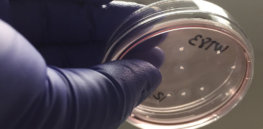
Brain organoids may have ‘critical’ research limitation: Imperfect modeling of human development
Despite their potential, [brain] organoids still have some critical limitations. In a study presented [October 22] at the Society for Neuroscience meeting ...

Why making healthy babies in space should be quite the adventure
Biologists sent brain organoids to the International Space Station to see how microgravity will affect developing babies ...

Coping with death: Our brains are wired to think it only happens to other people
Warning: this story is about death. You might want to click away now. That’s because, researchers say, our brains do ...
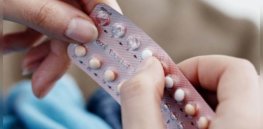
Brains and birth control pills: Oral contraceptives may affect learning, memory and the immune system
Sarah E Hill, a professor of social psychology at the Texas Christian University in Fort Worth, Texas argues we need ...

Why defining ‘death’ is so much harder than it seems
Pronouncing a patient dead in a hospital seems relatively simple: palpate for lack of pulse, determine that the patient's neurological ...
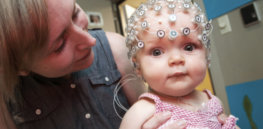
Baby brain wave patterns may offer early predictor of autism
Brain activity patterns in the first year of life may predict autism in infants at high risk for the condition, ...
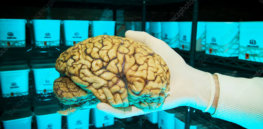
Astonishing efficiency, unlimited storage: What makes the human brain so powerful?
[A] team from Washington University in St. Louis combined neural recordings from rats with computer modeling to uncover one of the ...

Artificial intelligence can determine your ‘brain age’ by analyzing MRI scans
Delaying “brain age” may sound like the latest quick-fix gimmick on a late-night infomercial, but the science underlying the concept ...
