


Brain
How math could explain the ‘great mystery of human vision’
This is the great mystery of human vision: Vivid pictures of the world appear before our mind’s eye, yet the ...
Online brain games can ‘beef up’ the elderly brain’s ability to multitask, study shows
A University of California, Irvine-led study has found that online brain game exercises can enable people in their 70s and ...
Viewpoint: Elon Musk’s Neuralink dreams are a mix of reality and ‘science fiction’
So, how precisely is Neuralink pushing the envelope? ... A lot of Neuralink's vision may sound difficult to believe, but ...

5 things we get wrong about psychopaths
There are a number of myths that pervade pop culture regarding psychopaths. Here is my take on some of the ...
What’s that smell? How our brains detect and cope with all the odors we encounter
Olfactory neurons in your nose have evolved some 400 odor receptors, and each neuron contains only one. Receptors are tuned ...
Anger, aches and pains: Anxiety manifests differently in men
Anxiety problems can look different in men. When people think of anxiety, they may picture the excessive worry and avoidance ...
We’re unlikely to cure Alzheimer’s with CRISPR. But the gene-editing tool could play a crucial role.
Nearly 6 million Americans live with Alzheimer’s disease without solid treatment options ...
Does air pollution contribute to poor attention, memory problems for kids?
Over the past decade or so, in both animals and humans, in the lab and in the real world, scientists ...
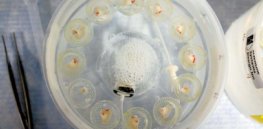
What makes us human? These pieces of donated brain tissue may offer answers
Half an hour earlier, this piece of neural tissue was tucked inside a 41-year-old woman’s head, on her left side, ...

‘Built to forget’: Why memory lapses are good for our brains
Until about ten years ago, most researchers thought that forgetting was a passive process in which memories, unused, decay over ...
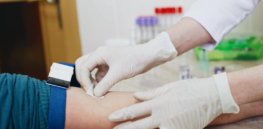
Is this the Alzheimer’s blood test we’ve been looking for?
Researchers say they can accurately identify people on track to develop Alzheimer's disease before symptoms appear, which could help the ...
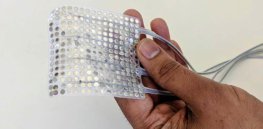
Are we moving closer to mind reading? Facebook-funded study turns brain signals into text
With a radical new approach, doctors have found a way to extract a person’s speech directly from their brain. The ...
If you can’t remember your dreams, is there something wrong with you?
What is it about people who don’t remember their dreams that sets them apart from the people that do? Is ...
Convulsive seizures could play a key role in Alzheimer’s disease
It’s no surprise to neurologists that some people experience convulsive seizures in the later stages of [Alzheimer’s] disease. … But ...
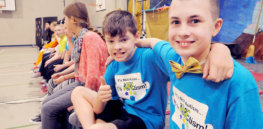
7 things to know about autism, including why it’s unlikely there will ever be a ‘cure’
To help spread awareness — and cut through the falsehoods, half-truths, and misinformation — here are seven things everyone should ...
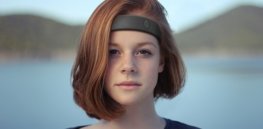
Viewpoint: We should be skeptical of memory boosting promises by wearable brain stimulators like ‘Humm’
I came across a brain stimulation device called Humm that promises to improve your cognitive function and memory if you ...
Frequent errors with popular dementia test prompt review, new training requirements
Dr. Ronny Jackson, then the White House physician, gave Donald Trump a standard test to detect early signs of dementia ...

Another mystery of our brains: ‘Why are we not hallucinating all the time?’
It’s a question they might have asked for different reasons in the ’60s, but neuroscientists from Stanford University in the ...
10 years ago, the Human Brain Project promised to simulate a human brain. What went wrong?
On July 22, 2009, the neuroscientist Henry Markram walked onstage at the TEDGlobal conference in Oxford, England, and told the ...
Do humans have free will? Neuroscientists seek solution to this ‘philosophical puzzle’
Clinical neuroscientists and neurologists have identified the brain networks responsible for this sense of free will. There seems to be ...
‘Genetic factors’ account for 81 percent of autism risk, suggests large multinational study
About 81 percent of autism risk comes from inherited genetic factors, according to an analysis of more than 2 million ...
Viewpoint: We need to recognize autism as a medical disability, not just a different way of being
Advocating for medical research, former president of Autism Speaks Liz Feld has stated that one third of people with autism ...
Genetic variants may explain why women are more prone to Alzheimer’s
New research gives some biological clues to why women may be more likely than men to develop Alzheimer’s disease and ...
We may soon have a routine blood test for Alzheimer’s risk
Scientists are closing in on a long-sought goal — a blood test to screen people for possible signs of Alzheimer’s ...
Elon Musk developing brain implant that would control computers, smartphones with our thoughts
His [Elon Musk] startup Neuralink has developed technology meant to be implanted into the brain that’s designed to allow people ...
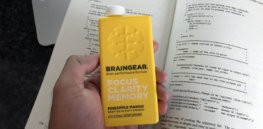
Nootropics and the quest to improve our brains through ‘barely regulated’ dietary supplements
It helped too that, as vague as the term “smart” is, “nootropics” is equally broad. It was coined by Romanian ...
Why comatose infants make ideal test subjects for brain-reviving technology
A recent Nature paper describing an artificial blood perfusion used in an attempt to restore brain function after pigs were ...
