









Challenging media narrative about the ‘birds and the bees’—neither faces serious threats from neonicotinoids or other crop chemicals
Discarding this valuable crop protection tool is a questionable strategy ...
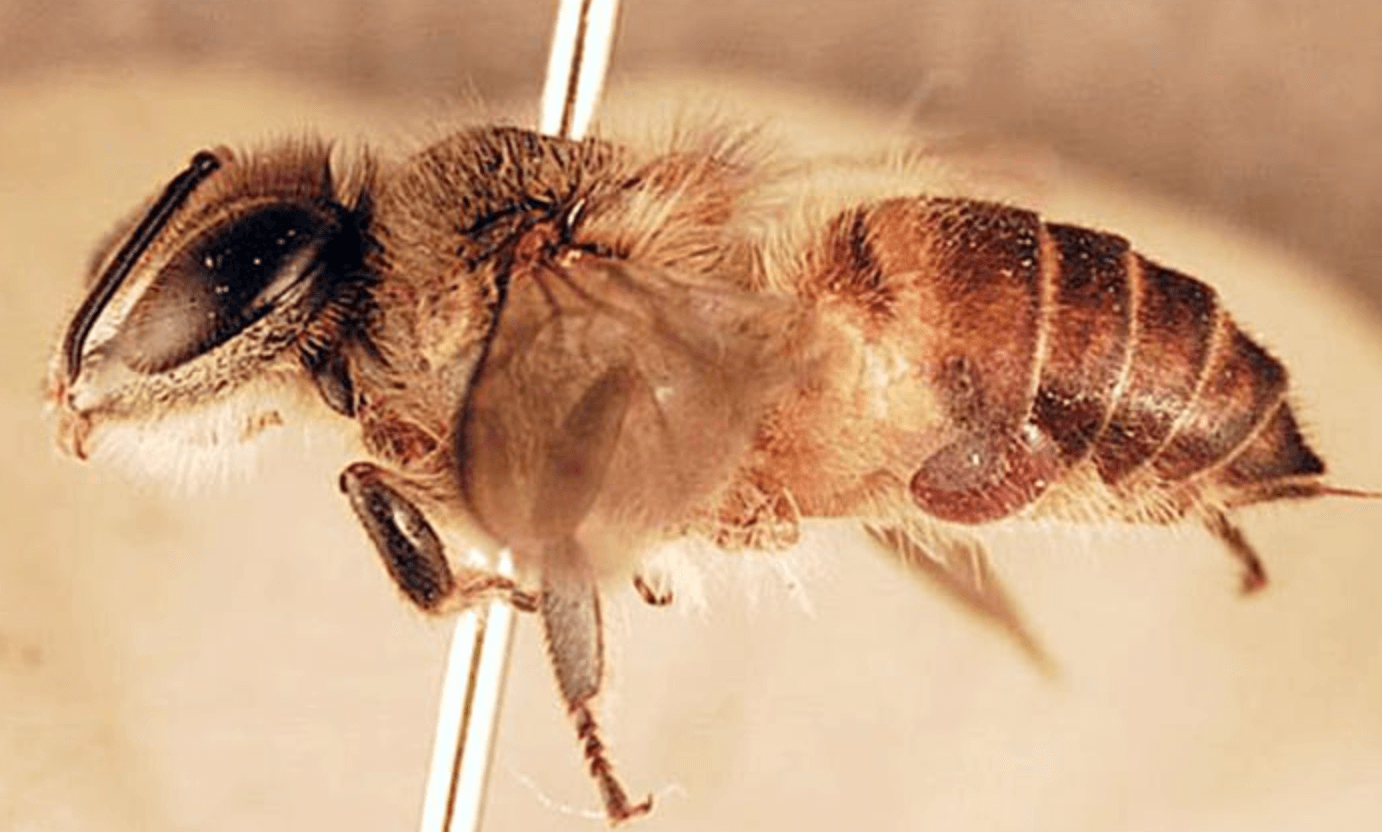
Winter honeybee losses cut in half since 2012 as beekeepers battle deadly varroa mite
It looks as though the period of alarmingly high winter mortality in honeybees is over. And a long-term study by ...
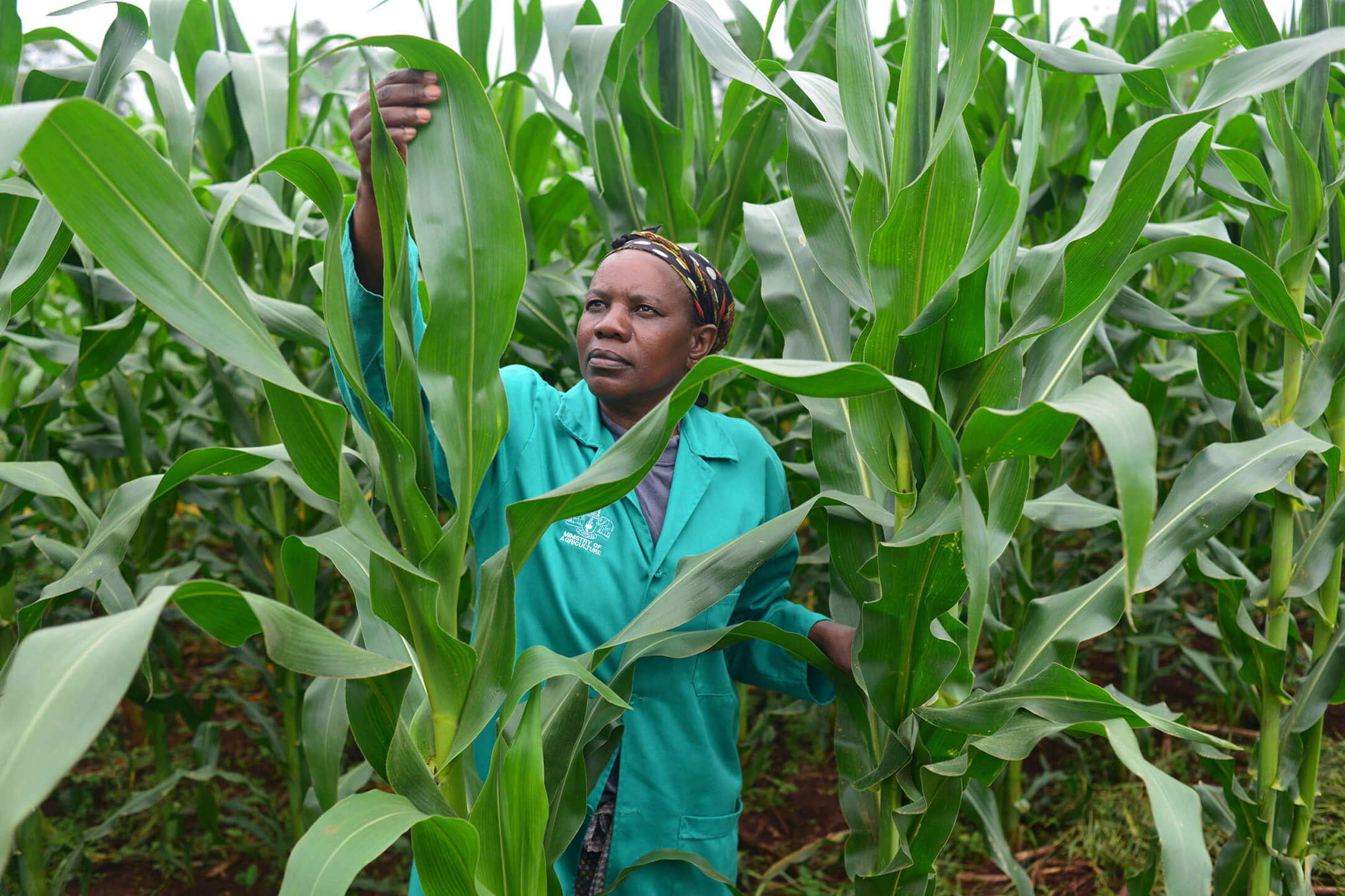
Video: ‘What will I eat today’ vs. ‘will I eat today?’ – It’s time to trust African scientists (on access to GMO and gene edited crops)
It is time African governments take action ...
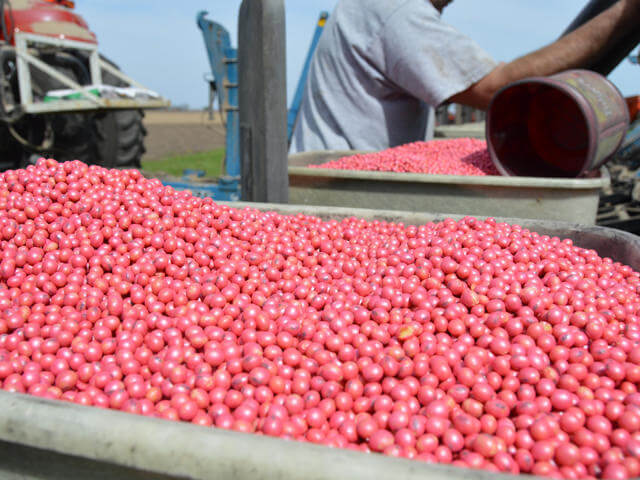
Neonic pesticides offer negligible benefits to farmers? ‘Nonsense,’ says Iowa soybean grower
Most people would say that life is unpredictable. We have our plans and routines, but there’s no way to tell ...
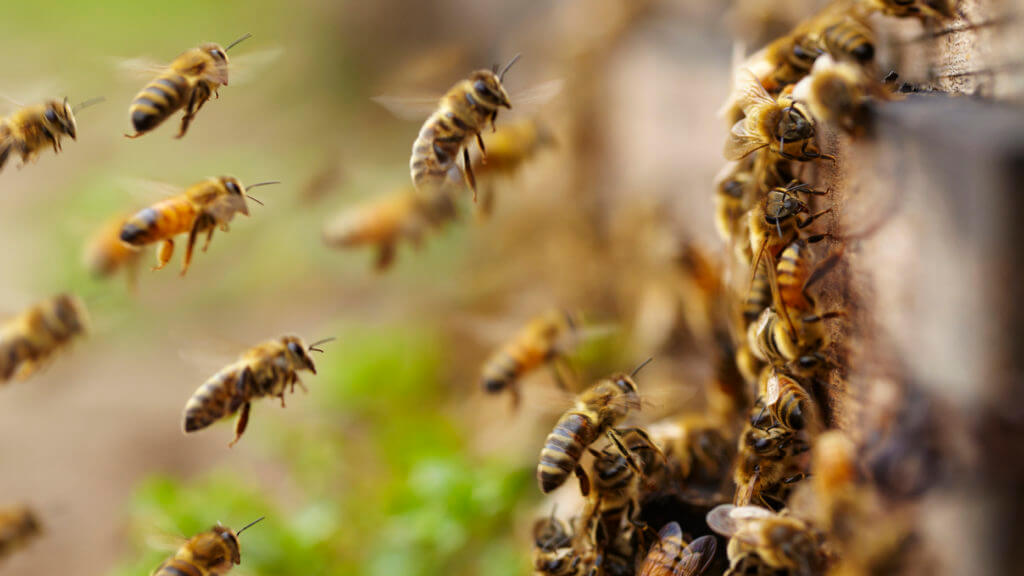
Fifth US retailer announces plan to ‘phase out’ neonic pesticides from supply chain
Another food retailer has announced a plan to minimize its use of pesticides in a bid to help protect pollinators, ...
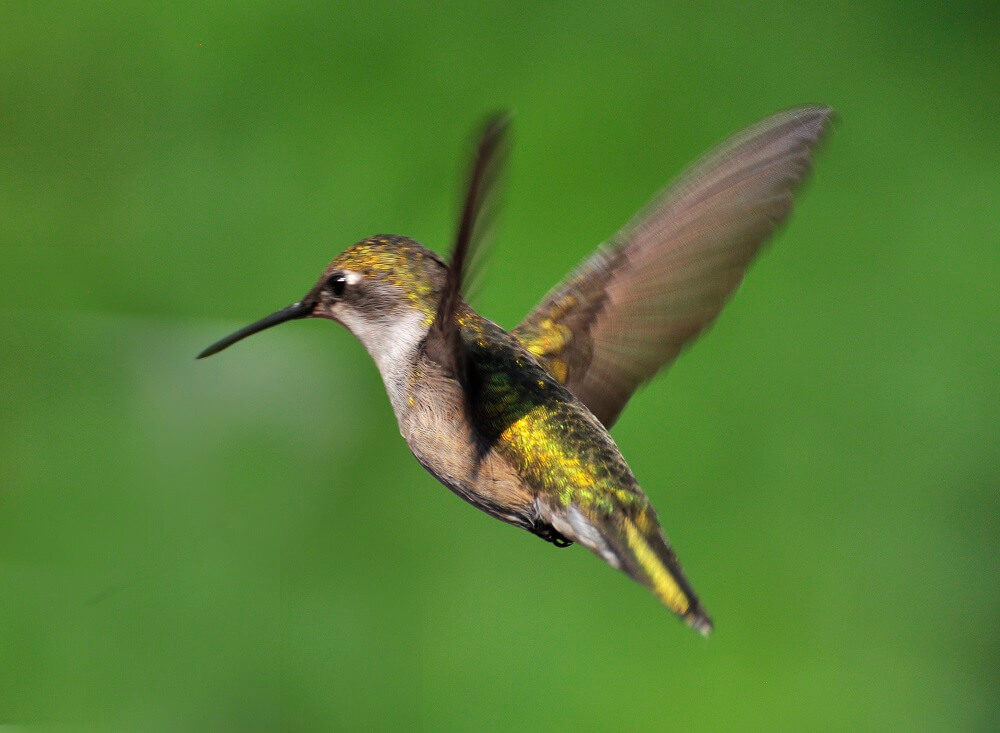
Study claiming neonic pesticides harm wild birds has no relevance to real-world conditions, plant geneticist argues
Capturing wild birds and force-feeding 3-10% of a lethal dose (of anything) is cruel. It’s not surprising birds would become ...
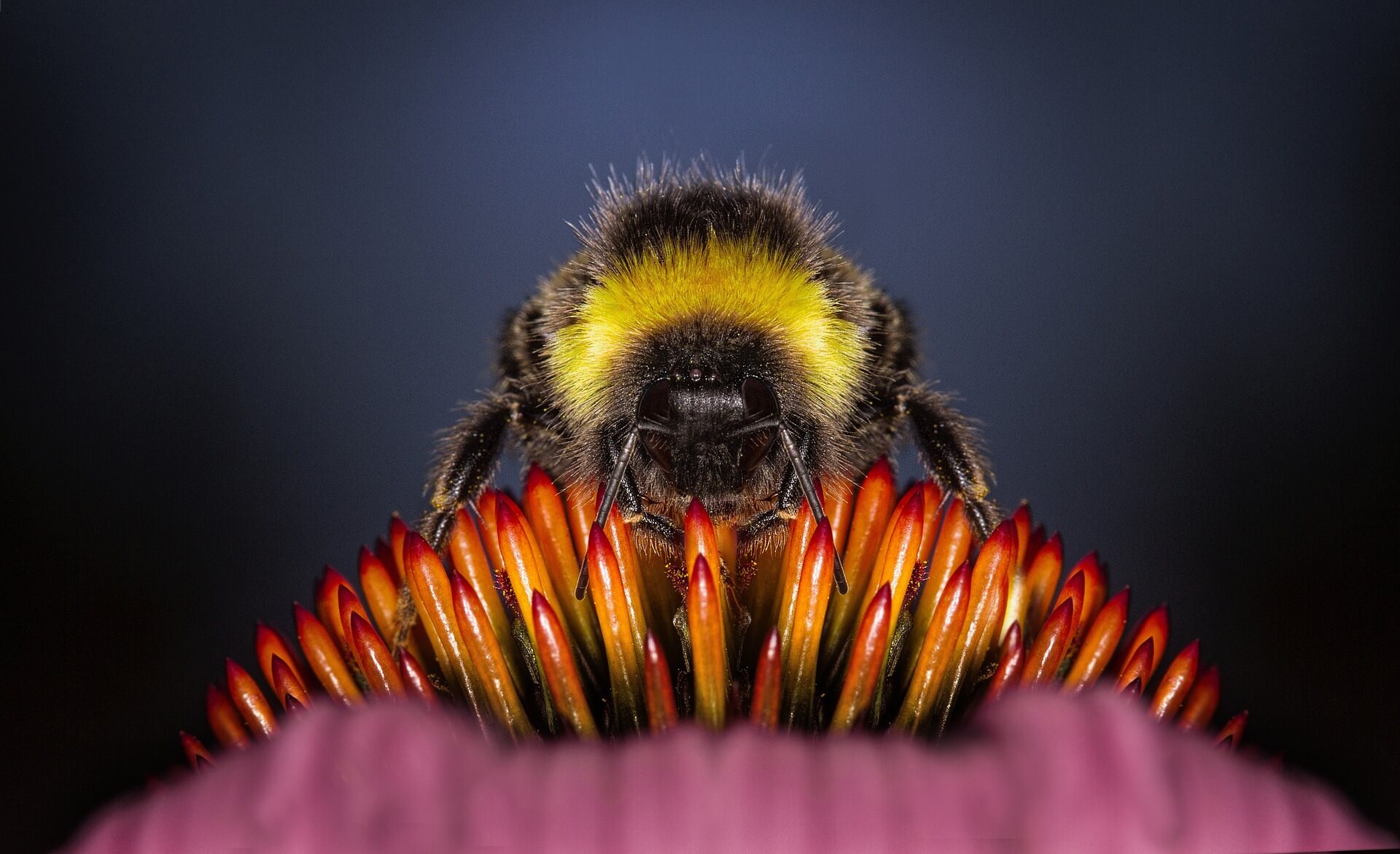
Global consensus finds neonicotinoids not driving honeybee health problems. Why is Europe determined to ban them?
Why is Europe allowing what has been called 'a bizarrely one-sided piece of politicized science' to determine agricultural policy? ...

We need pollinators to grow food in space, but bees may not survive harsh extraterrestrial environment, study shows
One of the world’s newest space analogs is inside a white ziggurat on top of a former nuclear bunker in ...
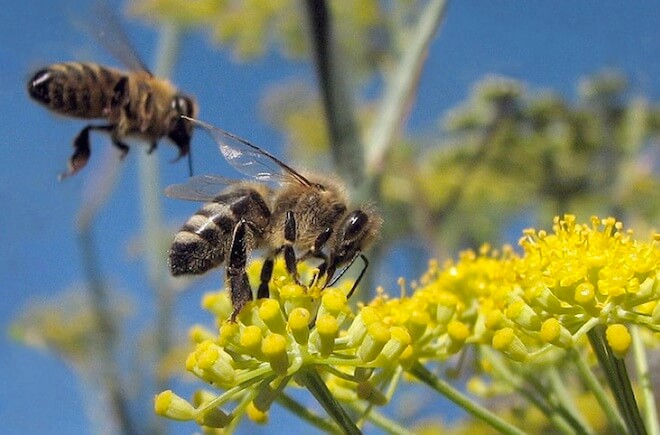
The Beepocalypse that wasn’t? Colony collapse disorder had ‘very small’ effects on commercial pollinators, study finds
Though colony collapse disorder has generated a great deal of concern, the phenomenon has had “very small effects” on commercial ...
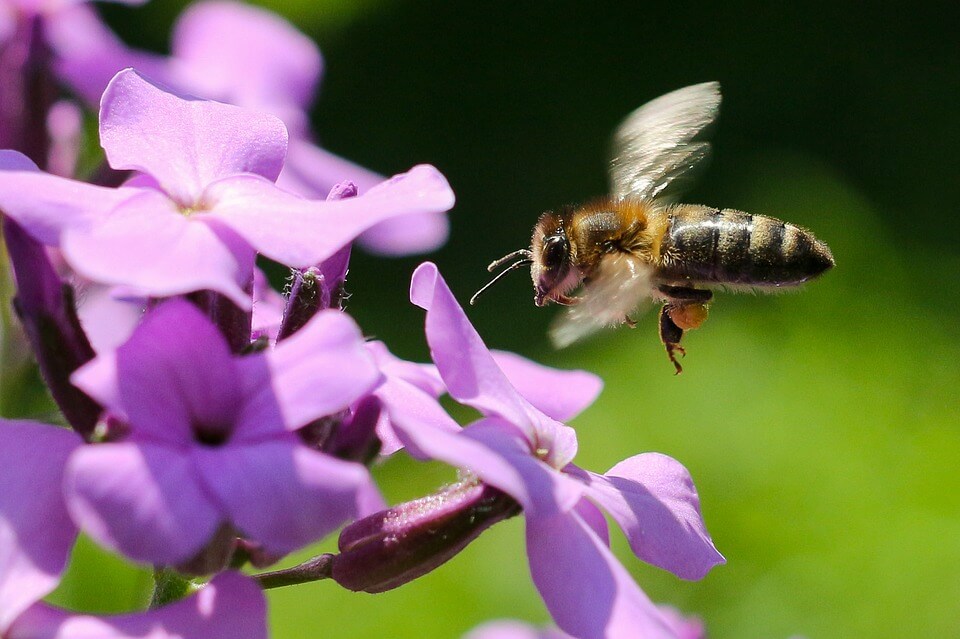
EU lawmakers: New bee safety rules won’t protect pollinators from neonic pesticides long term
The European Parliament on [October 23] blocked a diluted proposal by the 28-nation bloc’s executive arm on protecting bees from ...
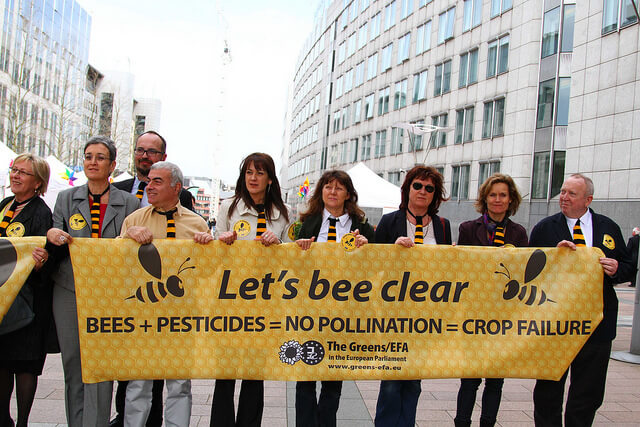
EU bans neonic insecticide thiacloprid after 2020, citing threats to human reproductive health, bees
EU countries [Ocotber 22] voted not to extend the license of the insecticide thiacloprid when it expires at the end ...
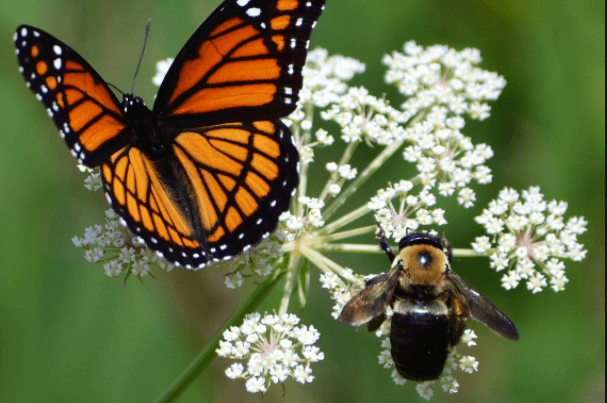
Farm biodiversity helps control pests without chemicals, boosts crop yields, study shows
Ecologists and biologists compared data of about 1,500 agricultural fields around the world, including corn fields in the American plains, ...
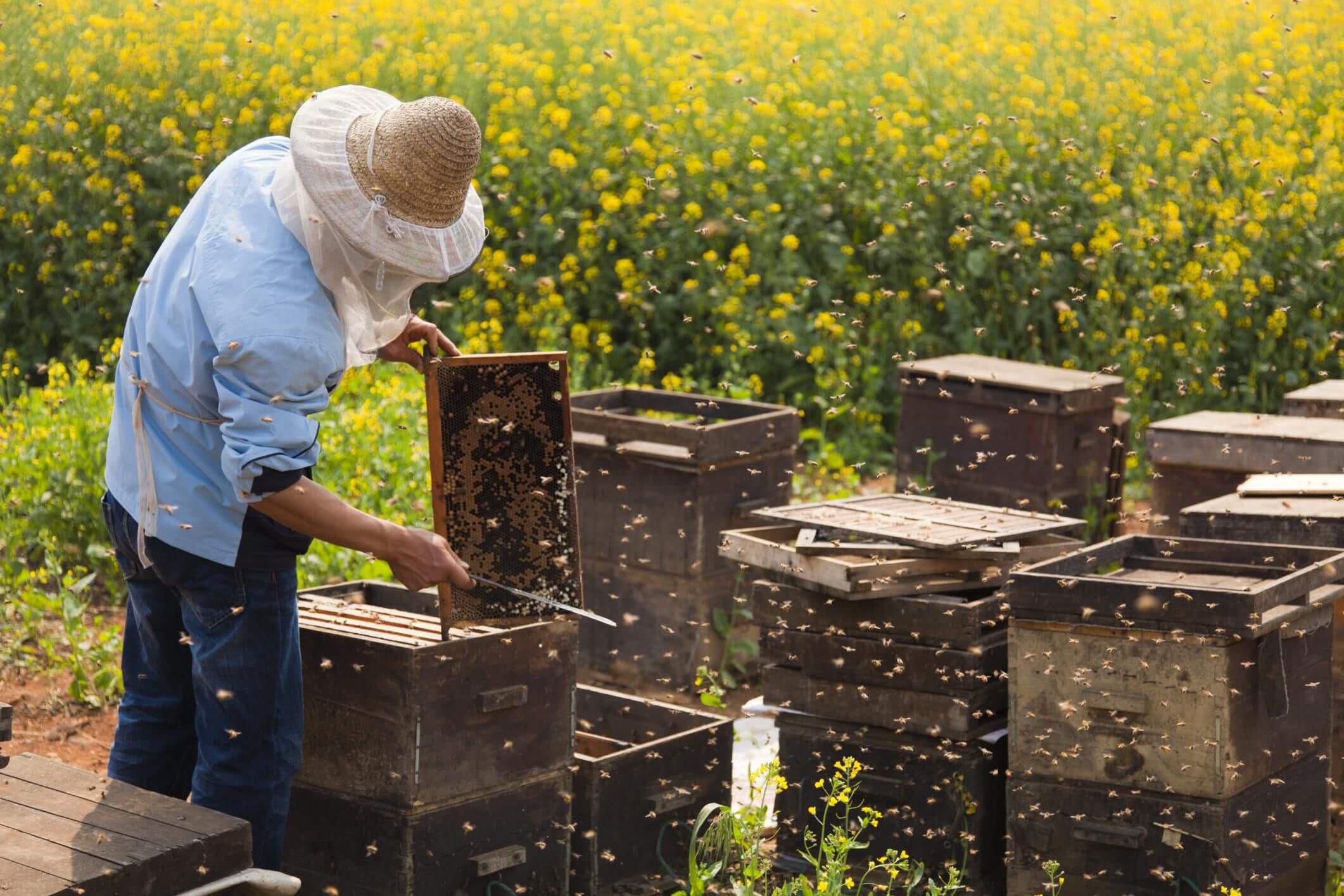
New ‘superfood’ makes bees better pollinators—boosting crop yields up to 90%
Argentina-based startup Beeflow has developed a special nutrient-packed formula for bees meant to boost their immune systems and make them ...
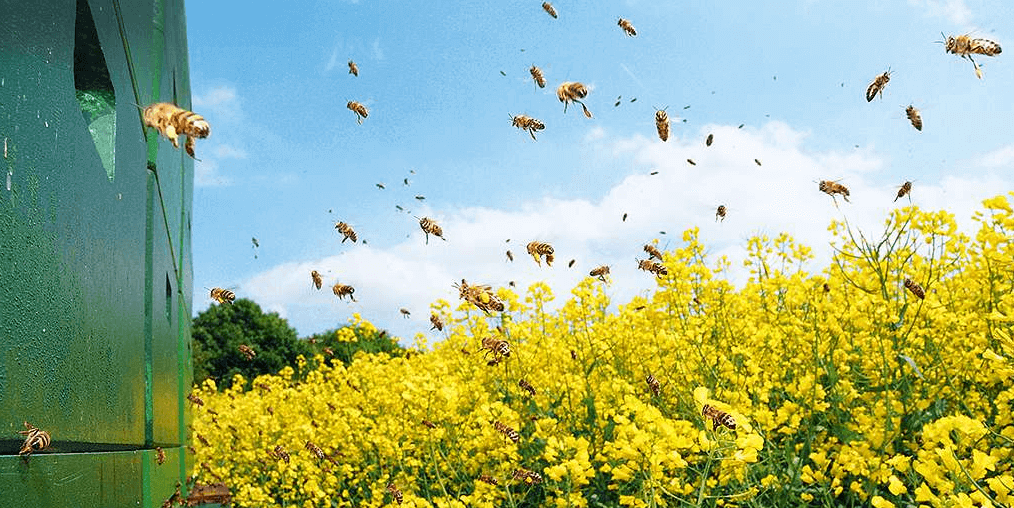
Rapeseed farmers benefit from honeybees more than pesticides, French study finds
For European rapeseed farmers, honey bees buzzing around fields may outweigh the benefits of using pesticides to fight insect damage, ...
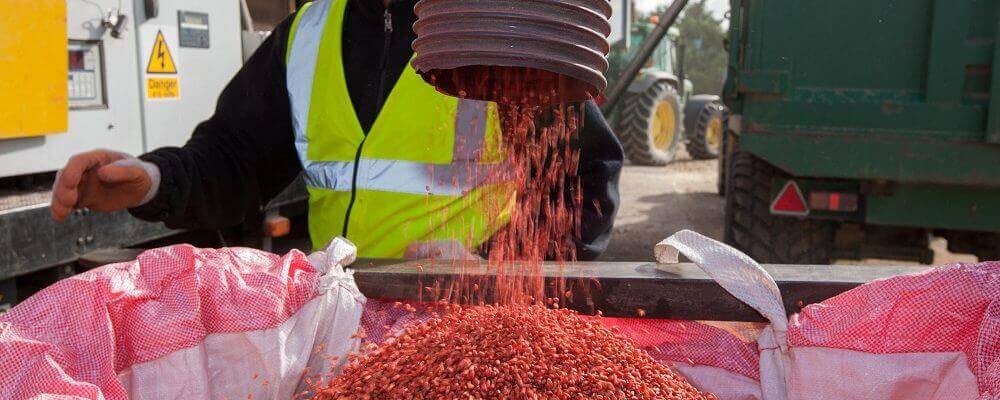
Do farmers really need neonic insecticides? Study sparks debate over pesticides’ future
New research has found a widely used and increasingly controversial insecticide has “negligible” benefits for commercially grown soybeans. Pesticide makers ...
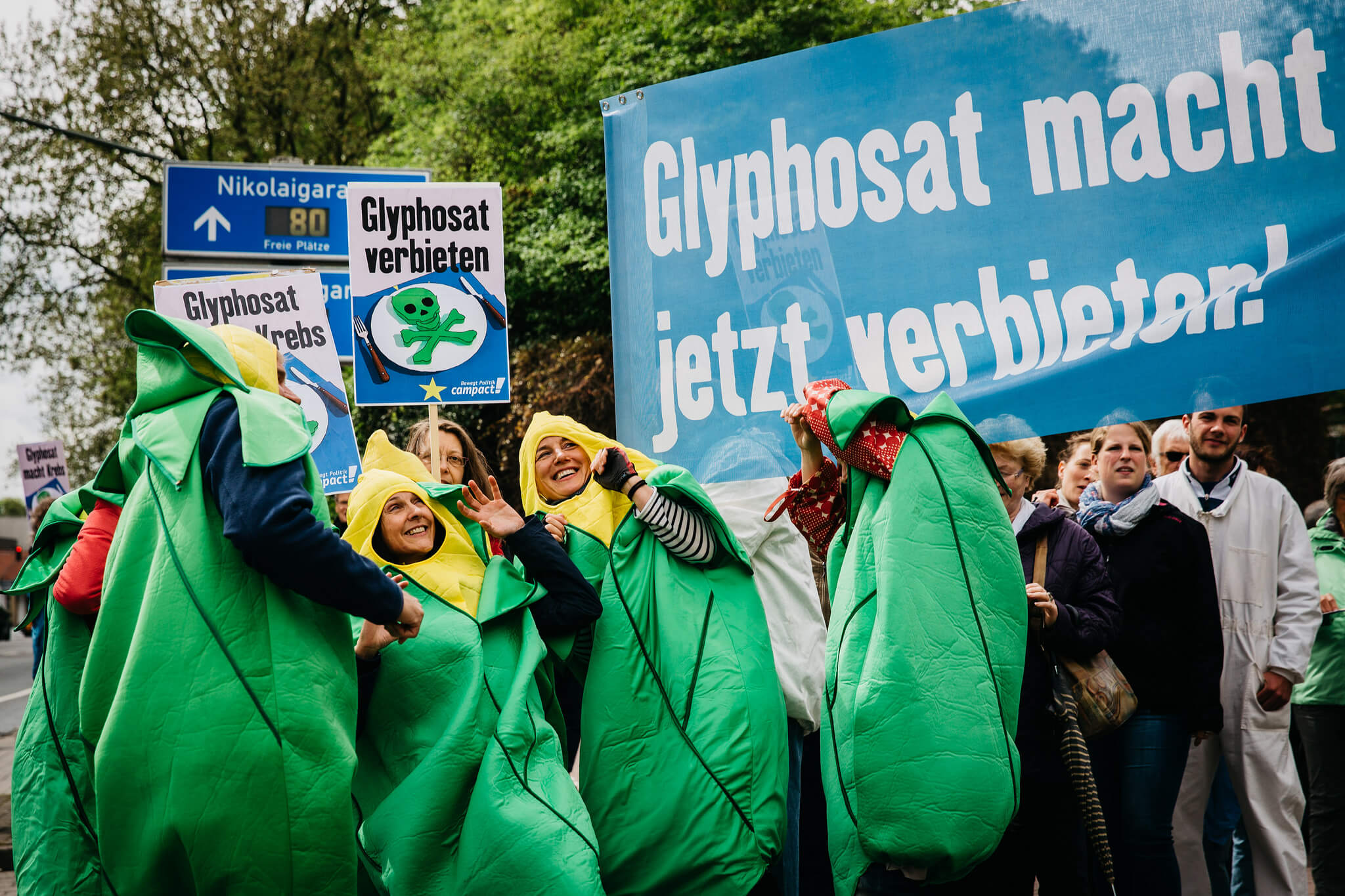
German government, farm group face off over impact of potential glyphosate ban
The German agriculture ministry strenuously rubbished a claim by farmers association DBV that the country’s new insect protection plan, which ...
Viewpoint: Do neonicotinoid insecticides really boost crop yields? New study raises doubts
Ever year, farmers in the United States devote at least 80 million acres, a combined landmass three-quarters the size of ...

Viewpoint: 5 reasons there’s a ‘civil war’ brewing between organic food advocates
There’s something of a civil war brewing in the organic movement. On one side are industry boosters boasting about how ...
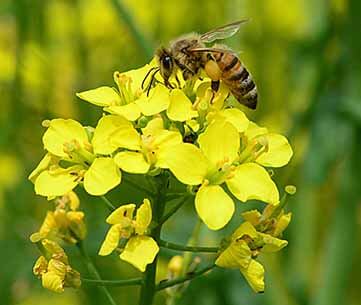
EU rapeseed could recover from poor summer harvest, but neonic insecticide ban poses ‘painful’ challenge
Rapeseed sowings in major EU producers could increase after this summer’s poor harvest although restrictions on insecticides are causing problems ...
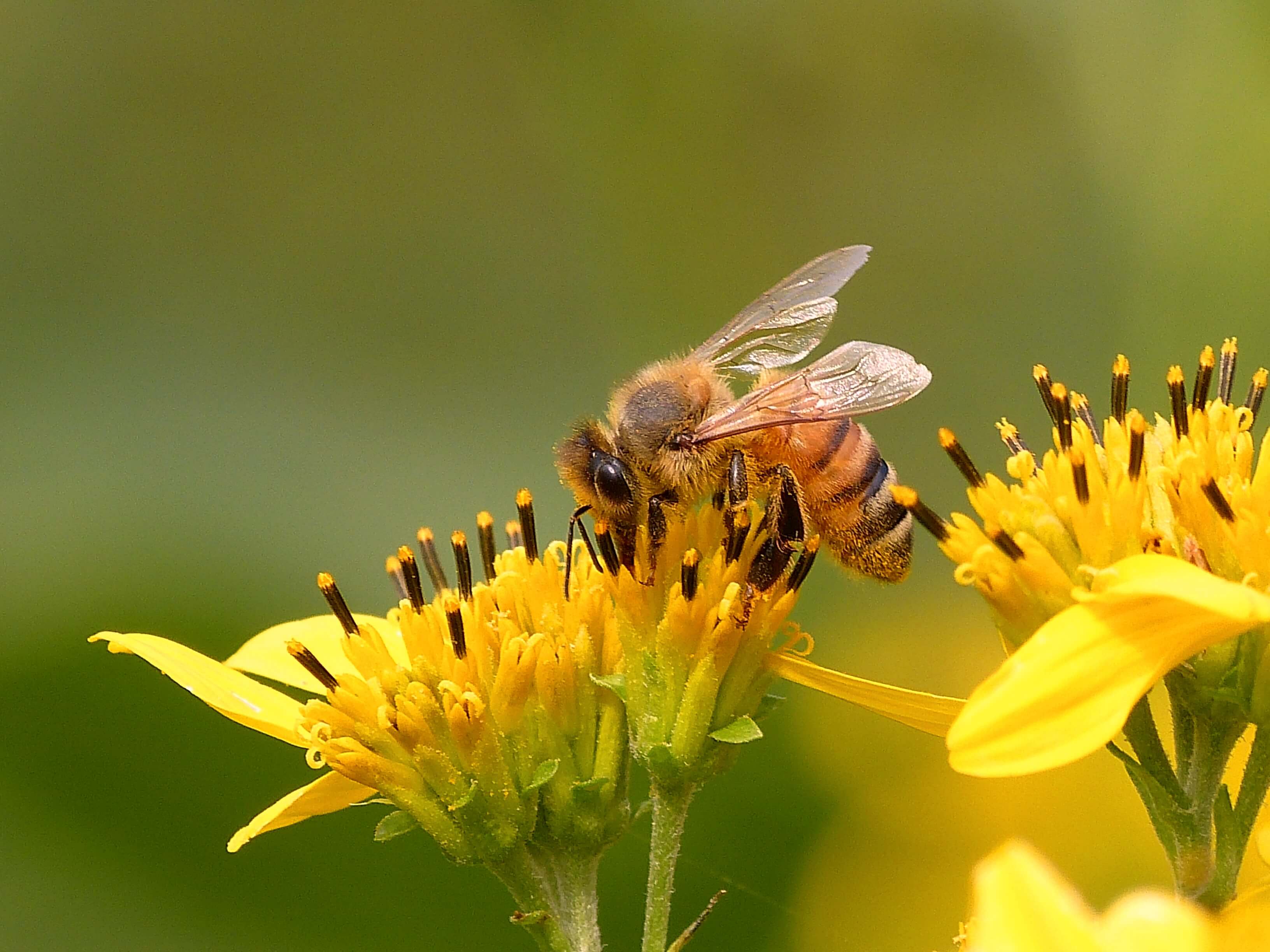
USDA reinstates honeybee population survey controversially suspended amid budget cuts
The US Department of Agriculture will resume data collection for its annual Honey Bee Colonies report on October 1 -- ...
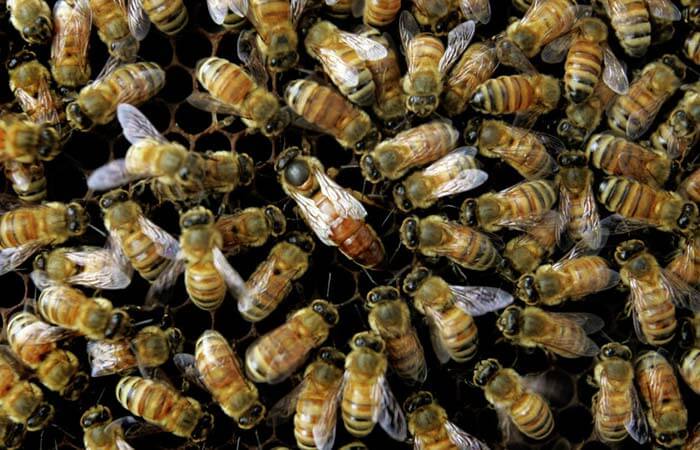
Congressional Democrats push EPA to defend expanded approval of controversial pesticide sulfoxaflor
Oregon Democrats are asking the Environmental Protection Agency (EPA) to defend its decision to expand the use of a pesticide ...
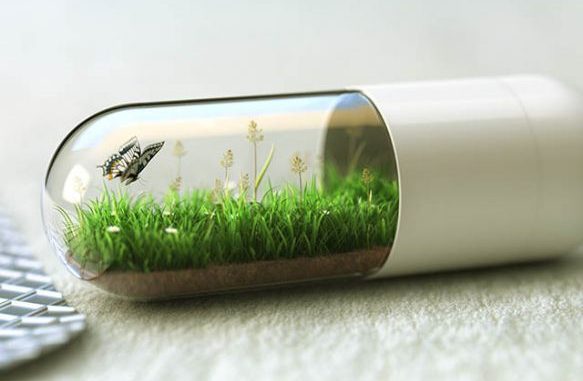
Natural plant enzyme could aid efforts to produce medicine in crops
Plants can do many amazing things. Among their talents, they can manufacture compounds that help them repel pests, attract pollinators, ...
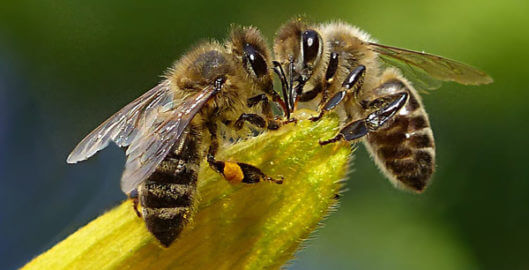
Activist groups sue EPA to block expanded approval of alleged ‘bee-killing’ insecticide sulfoxaflor
Beekeepers asked the Ninth Circuit on [September 6] to block the federal government’s approval of the unrestricted use of the ...
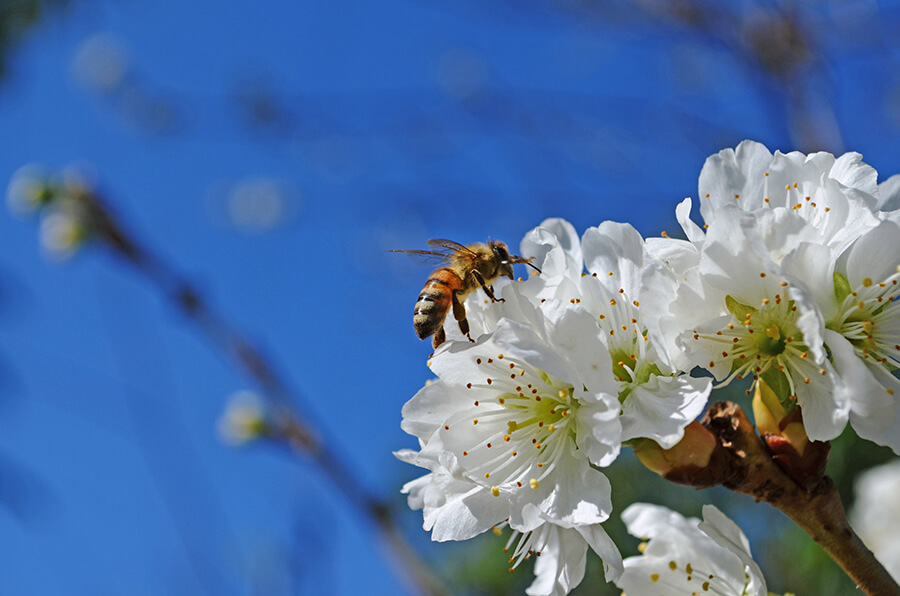
Pollen diversity boosts honeybee defenses against parasites, insecticides, long-distance transport
A new study provides valuable insights into pollen abundance and diversity available to honeybee colonies employed in five major pollinator-dependent ...
Neonicotinoid insecticide exposure could harm ground-nesting bees, study suggests
In a first-ever study investigating the risk of neonicotinoid insecticides to ground-nesting bees, University of Guelph researchers have discovered at ...
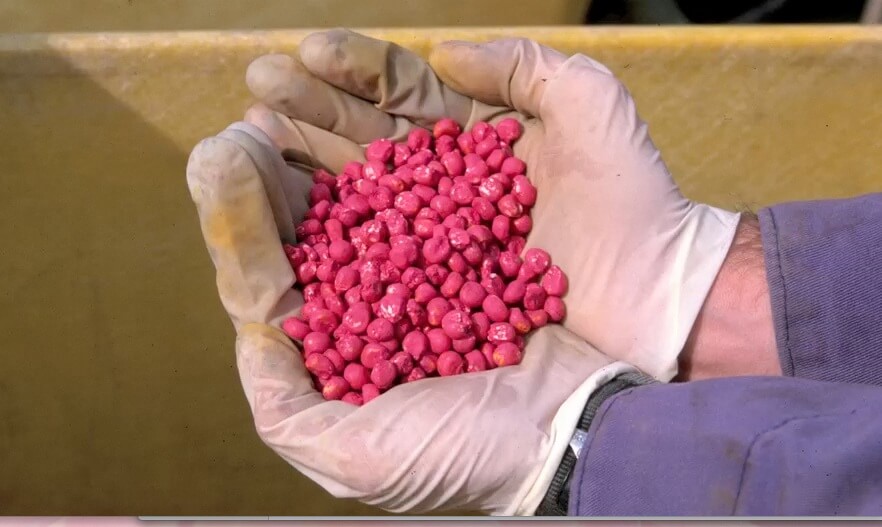
‘Severe blow’ to Irish agriculture: Regulators reject farmers’ request to use neonicotinoid insecticides
The failure to grant a derogation for the use of Redigo Deter seed dressing – which contains the neonicotinoid clothianidin ...
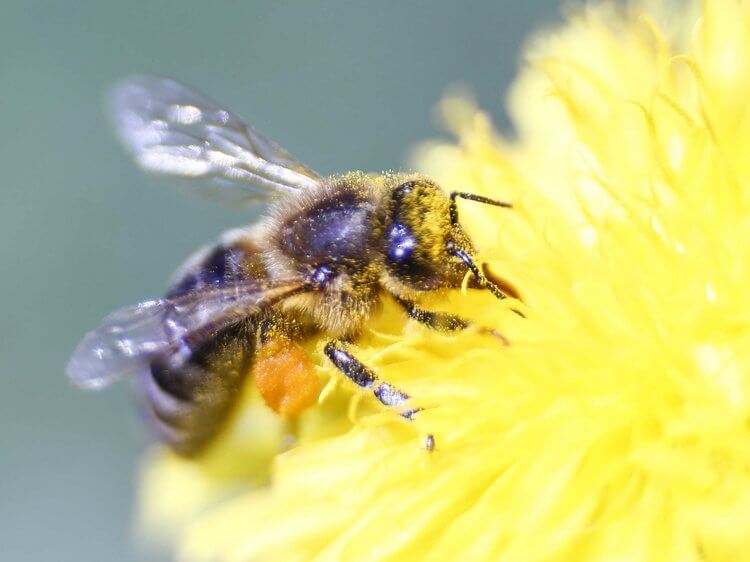
Gene-silencing biopesticide targets harmful insects without threatening pollinators
A natural, sustainable alternative to pesticides that targets specific pests, without harming beneficial pollinators such as honeybees, is being developed ...
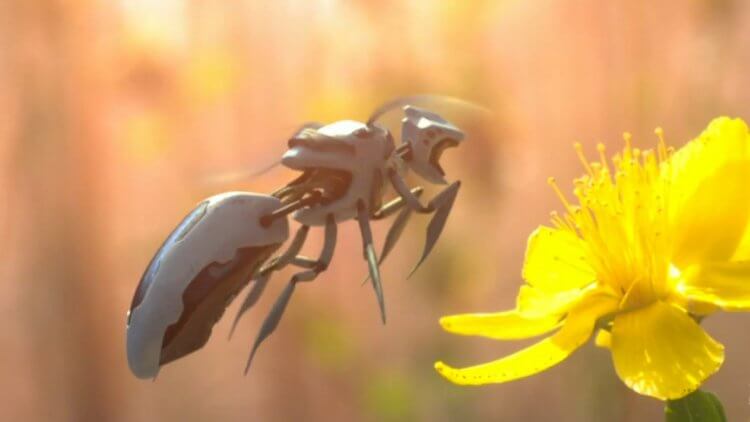
Radar and robots: Can technology turn honeybees into more efficient pollinators?
According to the Bee Informed Partnership, 37.7% of managed honey bee colonies were lost during the 2018-19 winter — the ...
