
 The ‘Frankenfoods’ debate is coming to your dinner table. Just last week, a mini-war developed in Europe, when the European Union’s chief scientist, renowned biologist Anne Glover, said that foods made through genetic engineering, such as soy beans—about 80 percent of U.S. grown soybeans have been engineered to grow with the use of less pesticides—are as safe as organic or conventional foods.
It’s a wholly uncontroversial comment—at least among scientists. But it set off the usual scare mongering from Friends of the Earth, and other like-minded advocacy groups that finds all genetically engineered (GE) foods and crops to be, in their words “stomach turning.”
The incident is also adding fuel to the California wildfires—no, not the ones caused by the drought—but the incendiary debate over a fall ballot initiative that would require warning labels on all foods with GE ingredients, despite the fact that all established health and science groups such as the American Medical Association, the National Academy of Sciences and the World health Organization have rejected claims that genetically engineered crops or foods pose additional risks or have altered nutritional profiles as compared to foods derived from conventional genetic alteration.
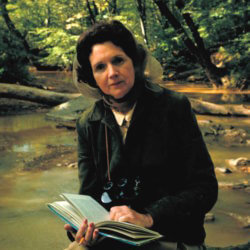
This debate is particularly poignant because fifty years ago this September, with the publication of Silent Spring, Rachel Carson launched the modern day environmental movement by shining a harsh light on the overuse of technology—in that era it was chemicals–in farming.



Additional Resources:
- Pamela Ronald’s Book- Tomorrow’s Table: Organic Farming, Genetics and the Future of Food
- Biofortified– Stronger plants, stronger science, and stronger communication
View the original article here: Would Rachel Carson Embrace ‘Frankenfoods’? – This Scientist Believes ‘Yes’ – Forbes