Flashes of creative genius have driven civilization forward since the beginning of time. But how much of that is attributable to nature and how much is hardwired in our genes?
According to new research from scientists at the University of Helsinki, the extent to which creativity is determined by our DNA may be greater than ever imagined.
A recent study in PLoS ONE gauged the musical creativity of participants based on their ability to judge pitch and time as well as crucial skills such as composing, improvisation and arranging. By studying the genetics of their participants, the researchers discovered that the presence of a particular cluster of genes directly correlated with musical creativity. This cluster, which is associated with a gene family involved in the plasticity of the brain, is responsible for the brain’s ability to break and form new connections between cells within the brain.
While creative ability is thought to be largely about divergent thinking, which describes a method of thinking used to generate creative ideas by exploring many possible solutions, researchers agree that it is also influenced by generating endless associations.
The Finnish team noticed that participants with increased creativity had duplicate DNA strands that contained a gene that affected the processing of serotonin, a key neurotransmitter. A recent study from scientists at the Medical University of Vienna found that elevated serotonin levels in the brain increases the connectivity in the brain’s posterior cingulate cortex, a key center for awareness and internally directed thought.
This research confirms a study by Cornell University scientists two years ago that found that individuals who are artistically creative have a specific genetic characteristic that may enhance their creative ability.
The brain, which is divided into two hemispheres, is connected by a bundle of fibers known as the corpus callosum. Researchers have discovered that the connectivity between the brain’s two halves directly determine creative ability. The Cornell University team found that creative people, such as writers, artists and musicians, tend to have a smaller corpus callosum, which could enhance their creative ability by allowing each half of their brain to develop thoughts and ideas more fully. According to the study, enhanced hemispheric specialization allows for “the incubation of ideas that are critical for the divergent-thinking component of creativity, and it is the momentary inhibition of this hemispheric independence that accounts for the illumination that is part of the innovative stage of creativity.”
These recent studies are especially intriguing, considering that serotonin, which is known primarily for regulating sleep patterns, body temperature and sexual arousal, has also been found to play key roles in psychiatric disorders, such as bipolar depression.

For the past four decades, scientists at Sweden’s Karolinska Institute in Stockholm have been conducting one of the world’s largest population-based studies on individuals with mental illness. They have discovered that severe neuropsychiatric disorders, such as schizophrenia, drastically limit creativity while less severe illnesses, such as bipolar disorder, often enhance creativity. The team found that individuals with bipolar disorder tend to end up in professions that demand creativity.
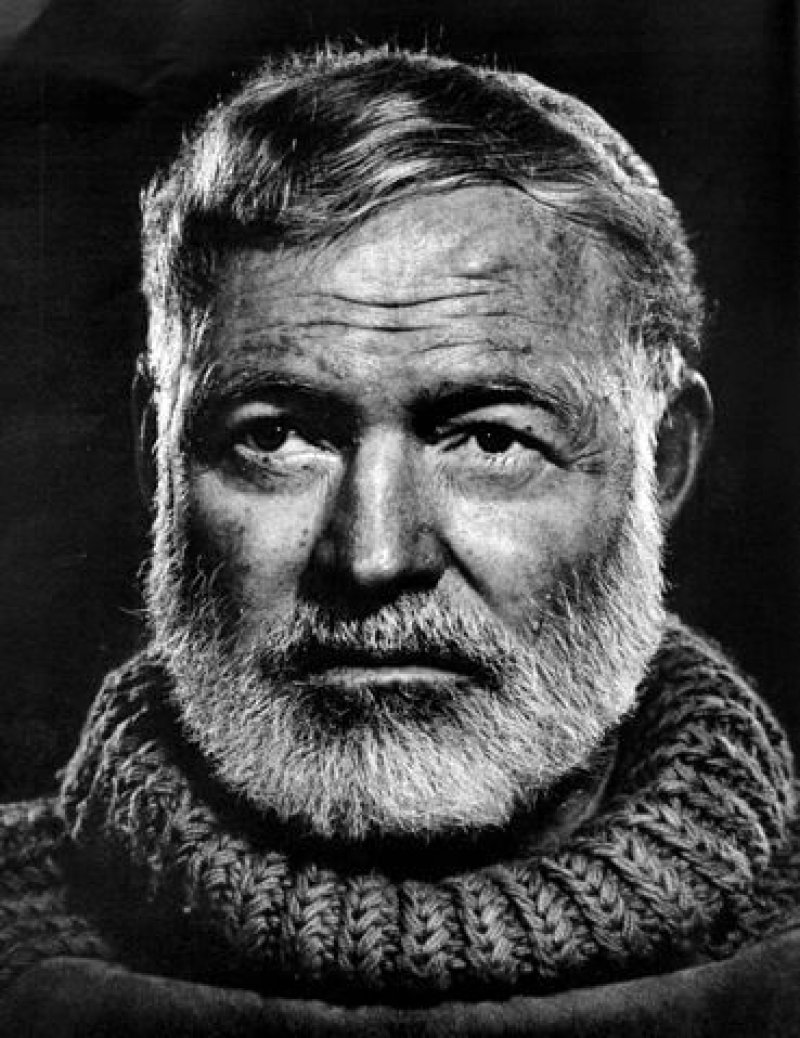
This is not surprising, considering many great artists and creative geniuses, including Winston Churchill, Ludwig van Beethoven and Ernest Hemingway, displayed bipolar symptoms and were thought to have some form of the disorder.
The Swedish study also studied the siblings of participants with psychiatric disorders and found that while they did not share the mental illness, they did share an increased creative ability.
This new wave of research suggests that genetics play a large role in shaping a person’s creative ability. Of course, this is only part of the story, as how these “creative genes” are expressed and the environment in which we grow up, or the nurture aspect, also help shape creativity.
While it seems that our creative ability is mostly influenced by our DNA, everyone is capable of learning to be creative to varying degrees. As Ernest Hemingway once said, “It’s none of their business that you have to learn how to write. Let them think you were born that way.”
Additional Resources:
- “Are some people born creative?,” The Guardian
- “The roots of creativity found in the brain,” Live Science
- “It’s not ‘mess.’ It’s creativity.” New York Times