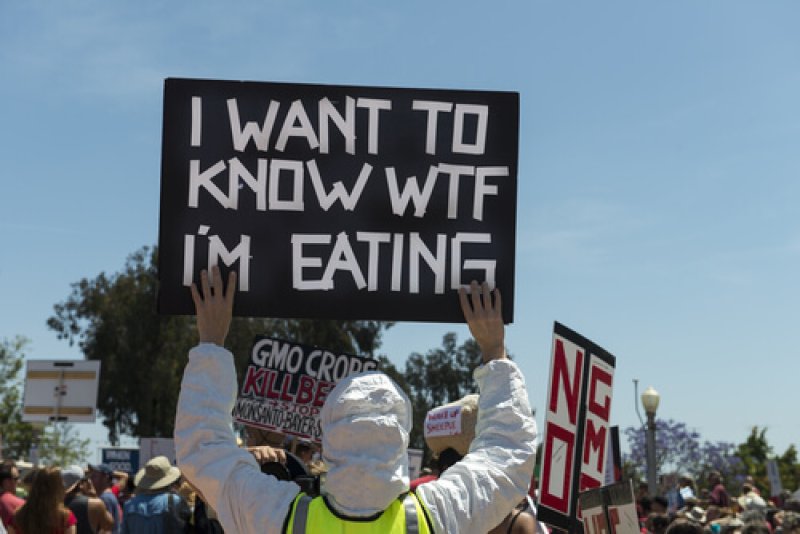
There has been much discussion over whether or not the labeling of “GMO” foods would add to the cost of food production or not. This was one of the supporting arguments for GMO labeling at the legislative hearing at the Maryland House of Delegates Committee on Health and Government Operations during which Doug Gurian-Sherman of the Union of Concerned Scientists and Michael Hansen of the Center for Food Safety, both insisted that labeling costs would be minor at best.
So does Mother Jones. So does Grist.
Wow, do these scientists and journalists have any understanding of the food supply chain from farm gate to grocery shelf?
Apparently not, nor does anyone else who thinks that “GMO” labeling won’t increase the cost of food.
Here is my pictorial analysis of the food supply chain from my farm gate:
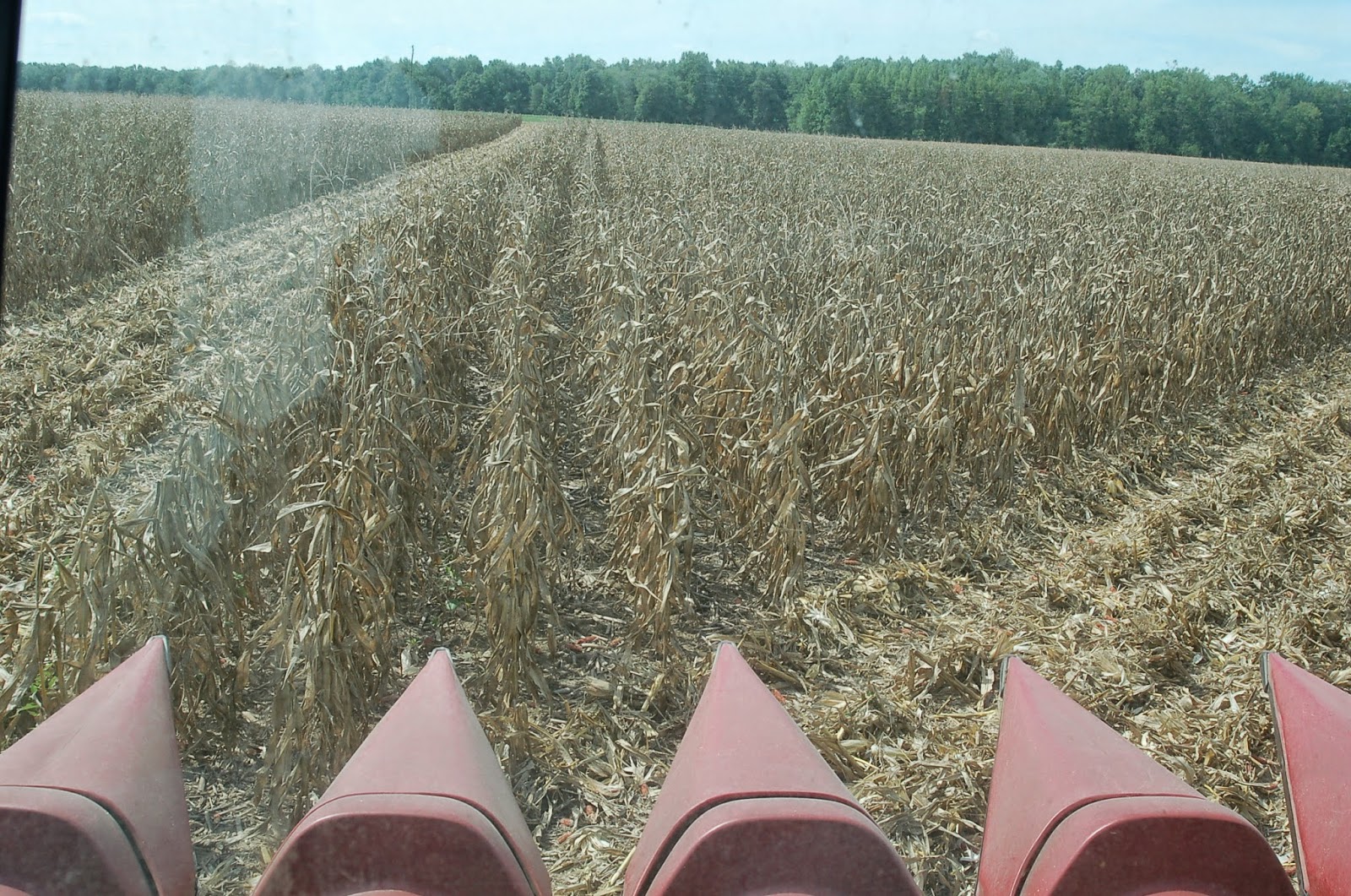
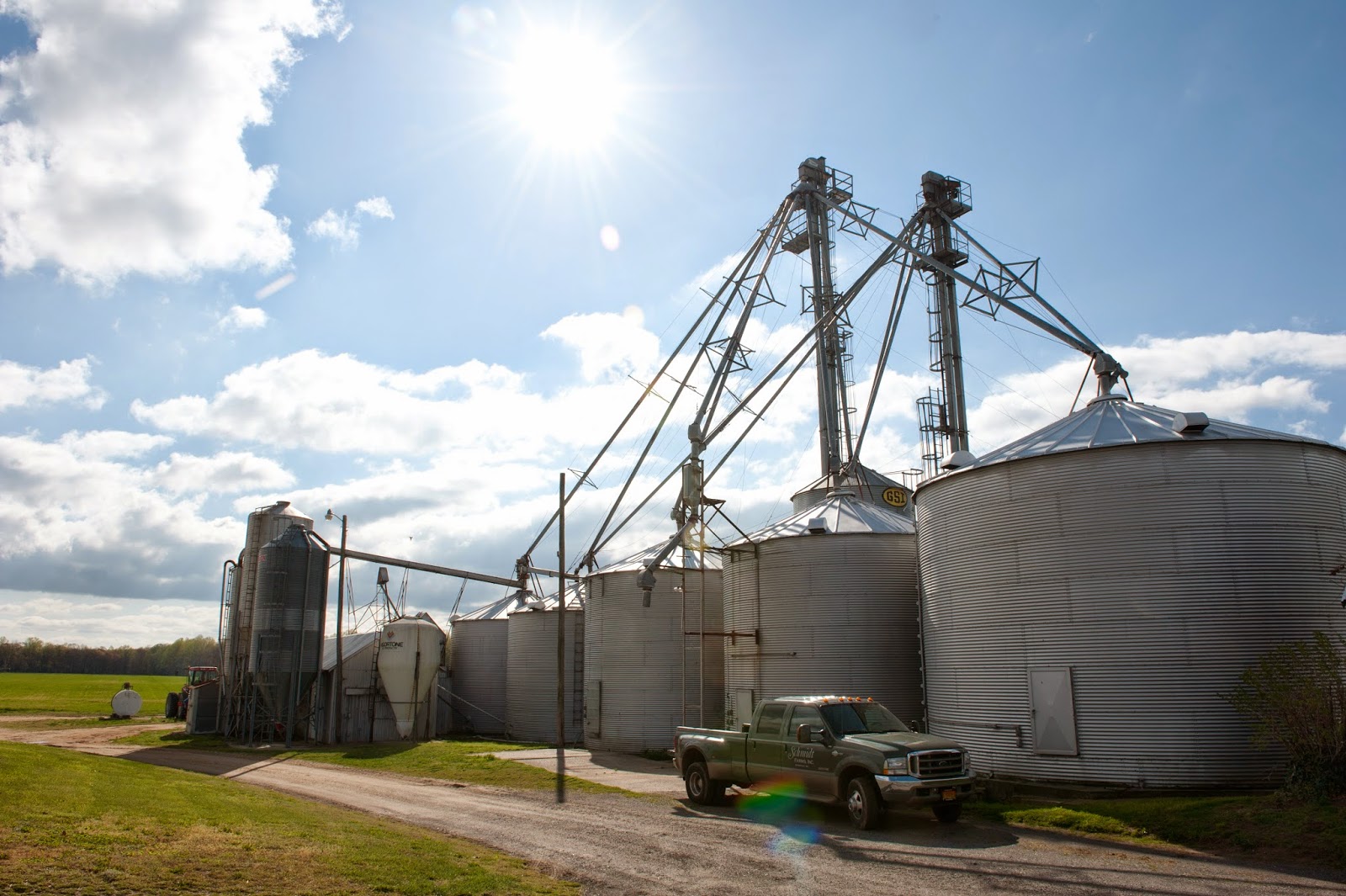
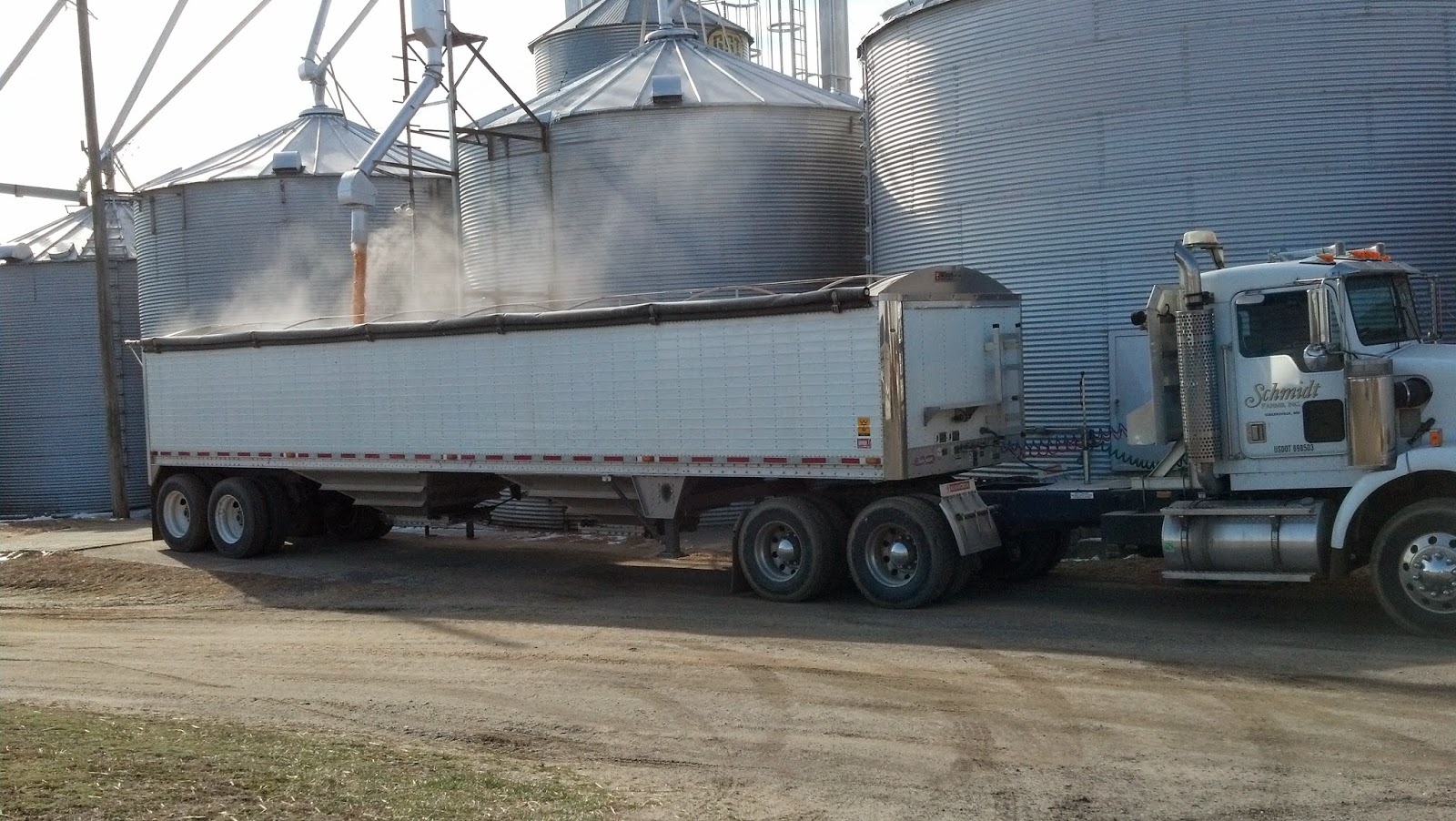
There are several grain elevator options depending on who is buying our grain. We and all our farming neighbors deliver to the same elevator and unload grain. This is called “commingling” where our crop is combined with everyone else who delivers to the same elevator and stored together in these large bins, regardless of what variety or trait of corn was grown.
The food supply chain in the United States relies on a system of commingling, grain delivered to the elevator by farmers throughout the region. Maryland has 2 million acres of farmland, nearly a half million of which grew corn in 2012. In a not very good growing year, Maryland farmers produce 53 million bushels of corn.



If GMO labeling were to pass, that would require a HUGE addition to both on and off farm storage. Nationally, we’re talking billions of dollars in infrastructure needed to segregate grain. What none of these labeling laws is clear about either is how to achieve this segregation. Should it be segregated by trait? By variety? Both? The more layers of segregation, the more infrastructure is required and the more the costs escalate.
Segregation is costly. We know because we do it every year, year in and year out, and have for years. We do it because we get paid a premium for ensuring that the specialty grains and seeds we grow are “identity preserved”, very much like the certified organic process, involving higher management, higher tracking, and systems in place to ensure that the grains and seeds are genetically consistent and true to their traits, of highest quality meaning they are uniform in size, shape, color, free of weed seed and contamination.
We will have 900 acres of grains and seeds this year that will require some protocol for identity preservation. They will be tested for the presence of GMOs and tested to ensure that they are genetically consistent to parent seeds. This requires us to use some of our grain tanks for segregation. It requires us to do more “housekeeping”, cleaning equipment, trucks, trailers, planters, harvesters, grain bins, etc… all along the food supply chain to ensure that we have preserved the identity of that crop.
It is an inherently more costly system.
Read the full, original article: The Costs of GMO Labeling
Additional Resources:
- “Federal GMO label: Conspiracy for activists, science-based for industry,” Genetic Literacy Project
- “In GMO ads, both sides make mostly false claims about I-522 costs,” Seattle Times