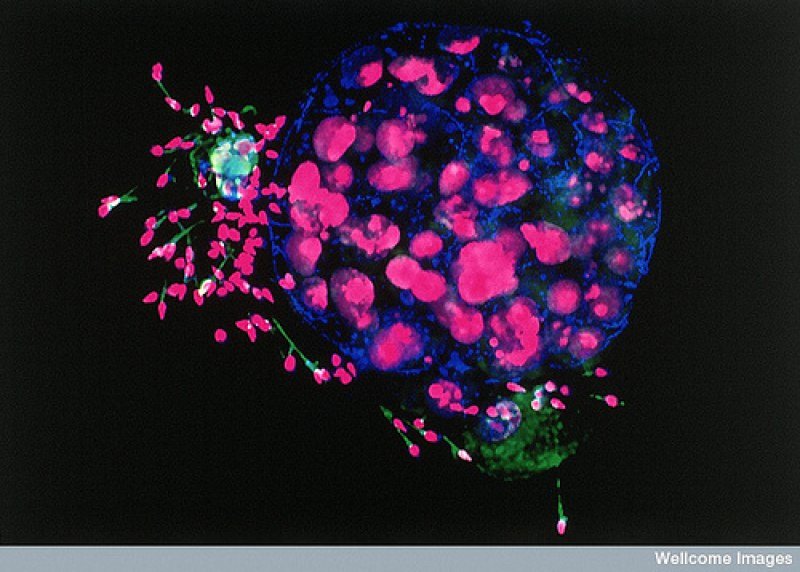
In January, Japanese researcher Haruko Obokata published a paper in Nature describing how she and her colleagues had changed mouse cells into stem cells using an acid bath. This was a stem cell research bomb shell. Unfortunately no one else could replicated there experiments. Six months the research has been retracted, Obokata has resigned from her job and the team of colleagues who investigated her frauds are under investigation themselves.
In April, a similar story started to unfold surrounding stem cell researcher Piero Anversa working out of Brigham and Women’s Hospital in Boston. Anversa’s research used stem cells to repair cardiac tissue damage in patients after a heart attack. He has subsequently retracted two papers and is now under formal investigation.
A former research fellow in the Anversa lab described how the organization of the research and laboratory culture contributed to the publication of what some are calling fabricated results. The fellow, writing anonymously, posted his or her experiences on Retraction Watch, a blog that follows study retractions and ethics in the biomedical sciences:
The day to day operation of the lab was conducted under a severe information embargo. The lab had Piero Anversa at the head with group leaders Annarosa Leri, Jan Kajstura and Marcello Rota immediately supervising experimentation. Below that was a group of around 25 instructors, research fellows, graduate students and technicians. Information flowed one way, which was up, and conversation between working groups was generally discouraged and often forbidden
Raw data left one’s hands, went to the immediate superior (one of the three named above) and the next time it was seen would be in a manuscript or grant. What happened to that data in the intervening period is unclear.
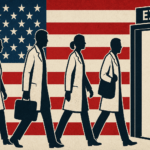
The fellow also alleged that Anversa took advantage of international fellow’s dependency on their employment visas to silence them if they thought some of the lab’s published results were suspect. Despite these factors, some still spoke up:
I witnessed several people question the findings during their time in the lab. These people and working groups were subsequently fired or resigned. I would like to note that this lab is not unique in this type of exploitative practice, but that does not make it ethically sound and certainly does not create an environment for creative, collaborative, or honest science.
The fellow’s posting raised some discussion about how funding and publication processes could be changed to disincentivize scientists for publishing speculative results or fabricating their data. Post-publication peer review, where papers would remain open to comment by other scientists even after their publication is one option. Much like the comments section on any internet article, other scientists could weigh in on studies if they suspected methodological flaws or experimental contamination. But, if scientists are fabricating results or lying about experimental methods to a great enough degree, even other scientists might not be able to pick up on fraud.

Annalee Newitz at i09 made another important point: These same exaggerated or fraudulent findings often end up on the front page, giving false hope to people or over promising the benefits of a new technology. The media largely relies on the peer review process to help vet the stories covered in major outlets. If the process is as fundametnally flawed as these two stem cell examples show, reporters may need to rely on other methods to find stories.
Additional Resources:
- Genetic mismatch implies STAP stem cells do not exist, Kenrick Vezina, Genetic Literacy Project
- Stem cells can cure severe heart disease? Study suggests early reports may be oversold, Meredith Knight, Genetic Literacy Project
- Promise of “easy” stem cells comes under investigation, Kenrick Vezina, Genetic Literacy Project