FDA to regulate genetic diagnostic tests, will affect cancer testing

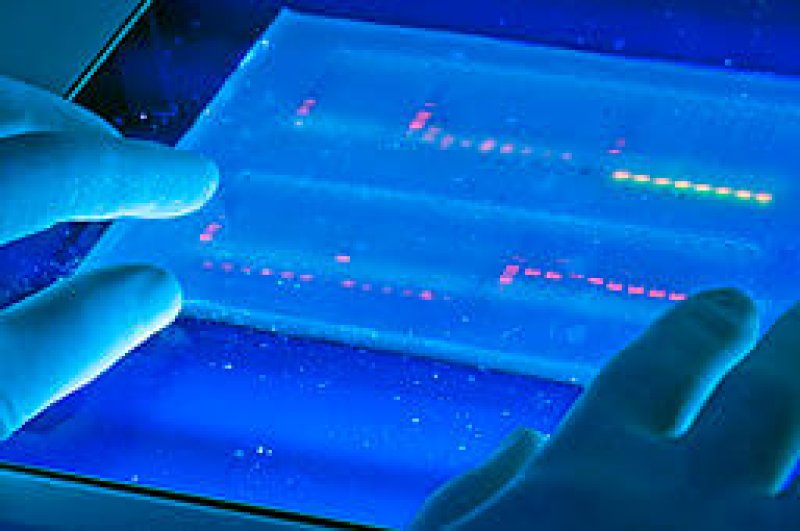
Agarose gel with UV illumination Ethidium bromide stained DNA glows orange close up
(Credit: School of Natural Resources from Ann Arbor via Wikimedia Commons)

The Food and Drug Administration unveiled plans to regulate thousands of diagnostic tests, including many coming from the exploding field of genetic research, to which it has until now turned a blind eye.

More than 11,000 of these tests, known as laboratory-developed tests, created by 2,000 different laboratories, could be included in the new regulatory framework, according to the FDA. The agency made its plans public in a guidance document that was sent to Congress, as part of legal direction by legislators.

The FDA’s plan is to enforce regulations based on the amount of risk that a test poses to a patient. Tests that are used to diagnose a disease or to decide on a course of treatment will need to be cleared by the FDA before they can be marketed.

Some tests will be excluded from the new requirements: those used in the treatment of very rare diseases where there is no other test; those that resemble the low-tech tests that FDA originally planned not to regulate; and some tests involved in organ transplants.

But the new policy is likely to have a big impact on the increasingly common practice of using genetics to decide how to treat cancer patients.

Read the full, original story: FDA to regulate thousands of cancer, genetic, and other diagnostics


 

Related Articles

Infographic: Global regulatory and health research agencies on whether glyphosate causes cancer

Infographic: Global regulatory and health research agencies on whether glyphosate causes cancer

Does glyphosate—the world's most heavily-used herbicide—pose serious harm to humans? Is it carcinogenic? Those issues are of both legal and ...

Most Popular

ChatGPT-Image-Mar-10-2026-01_39_01-PM
Viewpoint—“Miracle molecule” debunked: Why acemannan supplements don’t work
ChatGPT-Image-Sep-2-2026-02_03_32-PM
How much of a problem is AI’s water use?
ChatGPT-Image-Sep-22-2026-10_32_46-AM
There has been a slew of recent reports of food recalls and foodborne outbreaks. Do we face an escalating problem?
Screenshot-2026-09-17-at-1.07.08-PM
'We are dangerously addicted to antidepressants': Should we heed RFK Jr.’s sobering warning?
ChatGPT-Image-Aug-26-2026-12_46_16-PM
Viewpoint: The fake controversy over whether combining childhood vaccines is dangerous— a debate science resolved 25 years ago
ChatGPT-Image-Sep-23-2026-01_52_03-PM
Viewpoint: 4 very real AI doomsday scenarios
Screenshot-2026-09-03-at-10.51.20-AM
Viewpoint: Why do online health lies outlive the evidence that debunks them? Read "Everyone Else Is Lying to You"
Screenshot-2026-09-23-at-11.55.01-AM
How can we know if social media bans actually help teens?
Screenshot-2026-09-23-at-3.15.09-PM
Anti-GMO activists in Pakistan rev up their campaign of dire warnings
Screenshot-2026-09-17-at-12.00.30-PM
Investigative group ProPublica finds links between ectopic pregnancy deaths and abortion bans
Screenshot-2026-09-22-at-11.40.28-AM
After Idaho criminalized abortion providers in 2022, one-third of obstetricians fled. Health care advocates are making rural health the case for repealing the ban
ChatGPT-Image-Sep-23-2026-11_47_32-AM
Facing pressure from Trump administration, fewer hospitals offer medical treatment for transgender minors
ChatGPT-Image-Sep-17-2026-12_28_43-PM
Vitamin D, omega-3 fish oil and glucosamine supplements could cause brain damage 
glp menu logo outlined

Get news on human & agricultural genetics and biotechnology delivered to your inbox.