Wheat genes could help revive American chestnut

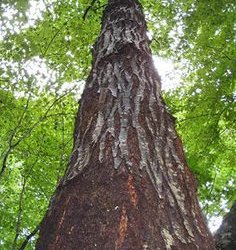
Blight has made the American chestnut, once “the dominant tree in the canopy,” a rare sight in the forests of the East. Now some researchers hope to save the tree by giving it a last-ditch genetic modification, reports David Biello for Scientific American’s 60-Second Science podcast.

But the source of the genes is somewhat surprising: they come from wheat. A single gene from wheat gives the chestnut the power to detoxify the acid the blight produces to destroy tree flesh.

Biello explains:
A few of the hybrid chestnuts have been planted in the wild from New Jersey to Virginia. And test plots of the genetically foritified trees have shown promising results. Some environmentalists worry about genetically modified organisms. But a bit of genetic tweaking, whether by crossbreeding or gene insertion, looks like the only way to restore the chestnut to its former glory.

The newer effort would make the American chestnut a GMO. But Tamar Haspel for The Washington Post argues that that shouldn’t put people off. She says the effort is “everything that the GMOs now in our food supply are not. It wasn’t created for personal profit or for the benefit of corporations or farmers. It contributes to a wholesome, healthful diet. And it’s intended solely for the public good.”

The GLP aggregated and excerpted this blog/article to reflect the diversity of news, opinion and analysis. Read full, original post: Turning the American Chestnut into a GMO Might be the Only Way to Save it

{{ reviewsTotal }}{{ options.labels.singularReviewCountLabel }}
{{ reviewsTotal }}{{ options.labels.pluralReviewCountLabel }}
{{ options.labels.newReviewButton }}
{{ userData.canReview.message }}

Related Articles

Infographic: Global regulatory and health research agencies on whether glyphosate causes cancer

Infographic: Global regulatory and health research agencies on whether glyphosate causes cancer

Does glyphosate—the world's most heavily-used herbicide—pose serious harm to humans? Is it carcinogenic? Those issues are of both legal and ...

Most Popular

ChatGPT-Image-Jun-19-2026-04_11_20-PM
Daubert for Dummies—Scientific Reliability in U.S. Courts: Daubert, Rule 702, and Made-for-Litigation Evidence
ChatGPT-Image-Jun-25-2026-01_14_50-PM
Viewpoint: Disinformation grift: The wellness industry is a lucrative and mostly worthless marketplace of ‘balms, brews, and baloney’
ChatGPT-Image-Jun-25-2026-12_23_17-PM
No, Bill Gates did not secretly engineer ticks to promote veganism
ChatGPT-Image-Jun-23-2026-12_19_35-PM
Ideological red flag: Led by anti-vax doctor, Tennessee is now the U.S. epicenter selling potent ivermectin shown worthless to prevent or treat Covid
Screenshot-2026-06-30-at-10.43.50-AM
Viewpoint: Why are there no approved bioengineered insect-protected (Bt) apples?
ChatGPT-Image-Mar-10-2026-01_39_01-PM
Viewpoint—“Miracle molecule” debunked: Why acemannan supplements don’t work
Screenshot-2026-06-05-at-2.12.30-PM
Some plants can poison you. So how did humans figure out what is safe to eat?
ChatGPT-Image-Mar-4-2026-09_39_03-AM
Transgender female athletes and Title IX: Separating ‘policy’ from ‘legality’
marijuana-pot-in-hand-nveri-st-xpm-t-abq-fkifeos-s-rws-cmpx-
Facts & Fallacies podcast: Legalized weed drives drug addiction, psychosis?
ChatGPT-Image-Jun-22-2026-01_30_11-PM
Facts & Fallacies podcast: Psychedelics for PTSD? Examining RFK, Jr's claims about ibogaine

Sorry. No data so far.

glp menu logo outlined

Get news on human & agricultural genetics and biotechnology delivered to your inbox.