FDA approves ‘Viagra for women’ amid questions over safety, efficacy of drug

imgres

The GLP aggregated and excerpted this blog/article to reflect the diversity of news, opinion and analysis. 

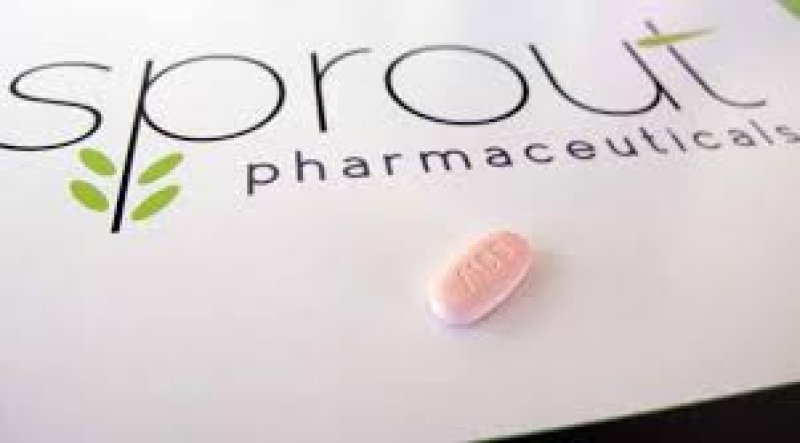
The Food and Drug Administration approved the world’s first drug designed to stir a woman’s waning desire for sex, a condition that affects an estimated one in 10 U.S. women.

The approval of the controversial drug, flibanserin, which the FDA twice rejected before and now will be marketed as Addyi, comes with a series of conditions reflecting the agency’s concerns about serious side effects. These include a boxed warning that highlights the risks of low blood pressure and fainting in patients who drink alcohol while taking the drug, as well as a requirement that doctors complete a training course before being allowed to prescribe it.

Supporters of the drug hailed the decision as an end to what they called “gender bias” at the FDA, giving women more choice and control over their sexual lives. Critics said the approval of what some call a “mediocre aphrodisiac” with significant side effects has now turned the normal range of women’s low sexual desire into a disease, with pharmaceutical companies only too eager to rush in.

The pill is intended to treat a condition called Hypoactive Sexual Desire Disorder, or chronic and distressingly low libido in premenopausal women that cannot be explained by factors such as relationship troubles, stress, or medical or psychological issues.

Read full, original post: FDA approves controversial drug for women with low sex drives

{{ reviewsTotal }}{{ options.labels.singularReviewCountLabel }}
{{ reviewsTotal }}{{ options.labels.pluralReviewCountLabel }}
{{ options.labels.newReviewButton }}
{{ userData.canReview.message }}

Related Articles

Infographic: Global regulatory and health research agencies on whether glyphosate causes cancer

Infographic: Global regulatory and health research agencies on whether glyphosate causes cancer

Does glyphosate—the world's most heavily-used herbicide—pose serious harm to humans? Is it carcinogenic? Those issues are of both legal and ...

Most Popular

Screenshot-2026-05-04-at-12.54.32-PM
How Utah became the country’s supplement capital  — and a haven for unregulated, ineffective and fake products
Screenshot-2026-03-13-at-12.14.04-PM
The FDA wants to make many popular prescription drugs OTC—a great idea. Here’s why it’s unlikely to happen
Screenshot-2026-04-20-at-2.26.27-PM
Viewpoint — Food-fear world: The latest activist scientists campaign: Cancer-causing additives
Screenshot-PM-24
Viewpoint: The herbicide glyphosate isn’t perfect. Banning it would be far worse.
images
The never-ending GMO debate: Pros and cons
Screenshot-2026-05-01-at-11.56.24-AM
‘Science moves forward when people are willing to think differently’: Memories of DNA maverick Craig Venter

ChatGPT-Image-May-1-2026-02_20_13-PM
How RFK, Jr.’s false vaccine claims are holding up $600 million to fight diseases in poor countries
Screenshot-2026-04-03-at-11.15.51-AM
Paraben panic: How a flawed study, media hype, and chemophobia convinced the public of the danger of one of the safest classes of preservatives
Screenshot-2026-04-30-at-2.19.37-PM
5 myths about summer dehydration that could damage your health — or even kill you
Screenshot-2026-04-12-135256
Bixonimania: The fake disease scam that AI swallowed whole
glp menu logo outlined

Get news on human & agricultural genetics and biotechnology delivered to your inbox.