First ever petri dish human sperm reportedly grown in France

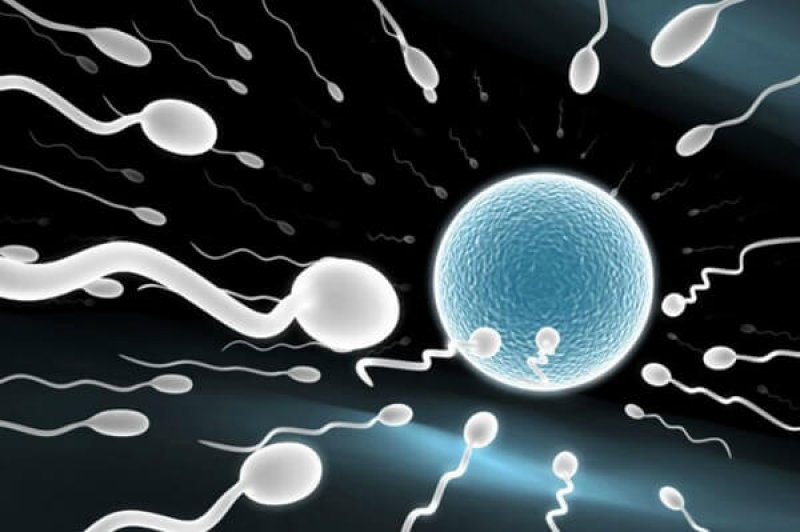
sperm meeting egg

The GLP aggregated and excerpted this blog/article to reflect the diversity of news, opinion and analysis. 

Can we really make sperm in a dish? After claiming earlier this year that they had done just that, French researchers have now taken out a patent describing their technique, although they are yet to submit details of their method and its results for peer review.

Philippe Durand and Marie-Hélène Perrard at the biotechnology company Kallistem in Lyon, France, say that their method coaxes seminiferous tubules – tissue that produces sperm in the testes – taken from humans, rats or monkeys into producing mature sperm cells.

A team in Japan made mouse sperm in the lab in 2011, but the French researchers claim they are the first to do this in humans. After 20 years developing their method, they say they can turn the progenitor cells that are inside seminiferous tubules, called spermatogonia, into mature sperm. If true, this would be the first method to complete the final steps in making human sperm.

Read full, original post: Patent for first method to create human sperm, but does it work?

{{ reviewsTotal }}{{ options.labels.singularReviewCountLabel }}
{{ reviewsTotal }}{{ options.labels.pluralReviewCountLabel }}
{{ options.labels.newReviewButton }}
{{ userData.canReview.message }}

Related Articles

Infographic: Global regulatory and health research agencies on whether glyphosate causes cancer

Infographic: Global regulatory and health research agencies on whether glyphosate causes cancer

Does glyphosate—the world's most heavily-used herbicide—pose serious harm to humans? Is it carcinogenic? Those issues are of both legal and ...

Most Popular

Screenshot-2026-03-13-at-12.14.04-PM
The FDA wants to make many popular prescription drugs OTC—a great idea. Here’s why it’s unlikely to happen
Screenshot-2026-05-04-at-12.54.32-PM
How Utah became the country’s supplement capital  — and a haven for unregulated, ineffective and fake products
Screenshot-2026-04-20-at-2.26.27-PM
Viewpoint — Food-fear world: The latest activist scientists campaign: Cancer-causing additives
Screenshot-PM-24
Viewpoint: The herbicide glyphosate isn’t perfect. Banning it would be far worse.
images
The never-ending GMO debate: Pros and cons
Screenshot-2026-05-01-at-11.56.24-AM
‘Science moves forward when people are willing to think differently’: Memories of DNA maverick Craig Venter
Screenshot-2026-04-03-at-11.15.51-AM
Paraben panic: How a flawed study, media hype, and chemophobia convinced the public of the danger of one of the safest classes of preservatives
Screenshot-2026-04-30-at-2.19.37-PM
5 myths about summer dehydration that could damage your health — or even kill you
ChatGPT-Image-May-1-2026-02_20_13-PM
How RFK, Jr.’s false vaccine claims are holding up $600 million to fight diseases in poor countries
bigstock opioids on chalkboard with rol
GLP podcast: 'Safe injection sites': enabling drug addiction or saving lives?
glp menu logo outlined

Get news on human & agricultural genetics and biotechnology delivered to your inbox.