Biotech billionaire on mission to put self-destructing mosquitoes to use against Zika

zika virus aedes mosquito

The GLP aggregated and excerpted this blog/article to reflect the diversity of news, opinion and analysis.

In the expanding realm ruled by Randal J. Kirk, sliced apples don’t brown. Salmon grow twice as fast without swimming upriver to spawn. Beloved cats are reborn.

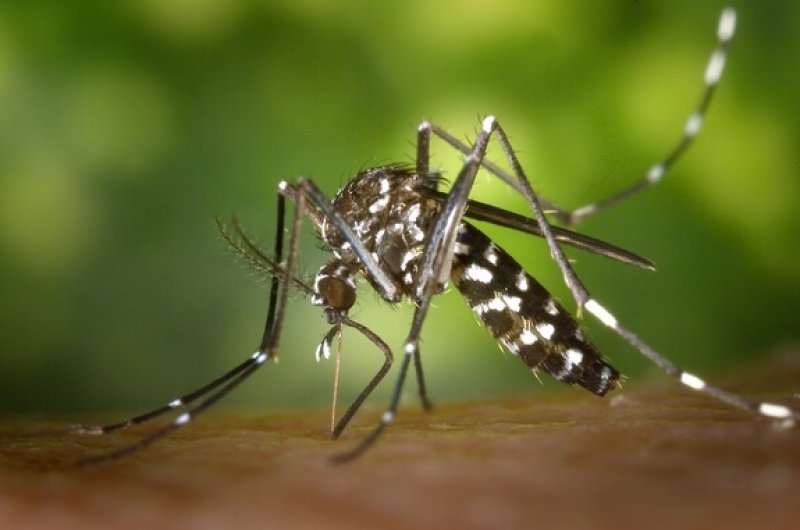
And male mosquitoes are unleashed with the sole mission to mate, pass on a gene that kills their offspring, and die.

Until recently, Mr. Kirk, 62, was a relatively unknown, self-made billionaire, buying up or investing in companies in the biotech world. So when his company Intrexon acquired the British company Oxitec last summer, it attracted little attention as he extended his reach into genetically modified insects.

But that move has thrust Mr. Kirk into the forefront of a scramble to control the Zika virus, suspected of causing babies to be born with tiny heads and damaged brains. It is rampant in Latin America and threatening the United States.

While Zika was not on his radar when the deal was announced, Mr. Kirk now appears to be the prescient owner of a potential bioweapon — Oxitec’s genetically engineered mosquitoes, which he says could save millions of people from Zika by causing the population of wild disease-transmitting mosquitoes to self-destruct.

Now Mr. Kirk must persuade federal agencies, foreign governments and nonprofit health organizations to place orders. He must counter caution from the World Health Organization and federal officials, who question whether the technique will be effective on a large scale. And he must overcome qualms about genetic engineering that have prompted opposition to the mosquitoes in the Florida Keys and elsewhere.

Read full, original post: A Biotech Evangelist Seeks a Zika Dividend

{{ reviewsTotal }}{{ options.labels.singularReviewCountLabel }}
{{ reviewsTotal }}{{ options.labels.pluralReviewCountLabel }}
{{ options.labels.newReviewButton }}
{{ userData.canReview.message }}

Related Articles

Infographic: Global regulatory and health research agencies on whether glyphosate causes cancer

Infographic: Global regulatory and health research agencies on whether glyphosate causes cancer

Does glyphosate—the world's most heavily-used herbicide—pose serious harm to humans? Is it carcinogenic? Those issues are of both legal and ...

Most Popular

ChatGPT-Image-Jun-16-2026-10_29_11-AM
What’s behind Anthropic’s warning about the accelerating development of AI
ChatGPT-Image-Jun-16-2026-10_01_45-AM-2
Viewpoint—Recursive self-improvement: AI leader Anthropic calls for AI slowdown
Screenshot-2026-06-16-at-10.02.22-PM
Viewpoint: ‘Industrial food’ primer—Challenging the dangerous delusions of the alternative food movement
Screenshot-2026-06-17-at-11.57.12-AM
Viewpoint: Raw milk and the myth of safety—ProPublica exposes the growing anti-homogenization movement
ChatGPT-Image-Jun-9-2026-01_11_37-PM
Turmeric supplements: More risks than benefits
ChatGPT-Image-Jun-15-2026-02_31_28-PM-2
Trump-appointed cancer panel head backed by supplement and anti-vaccine companies promotes discredited support for ivermectin as a potential cure
ChatGPT-Image-Jun-4-2026-03_07_27-PM
AAP v. Kennedy: While a court challenge grinds on, RFK Jr. quietly advances his anti-vaccine conspiracy agenda
newborn infant baby mother
Facts & Fallacies Podcast: The truth about vitamin K shots
ChatGPT-Image-Mar-10-2026-01_39_01-PM
Viewpoint—“Miracle molecule” debunked: Why acemannan supplements don’t work
Screenshot-2026-06-16-at-11.23.32-AM
In a rebuke to RFK, Jr.’s anti-vax crusade, journal retracts study claiming hepatitis B vaccine–autism link
ChatGPT Image Jun 16, 2026, 12_03_37 PM
Kennedy accused of trying to ‘bully’ science journal that retracted study linking vaccines to infant deaths
Screenshot 2025-07-30 at 10.48
Can gene editing eliminate Down syndrome? Scientists have done it in lab-grown cells
Screenshot-2026-06-05-at-2.12.30-PM
Some plants can poison you. So how did humans figure out what is safe to eat?
glp menu logo outlined

Get news on human & agricultural genetics and biotechnology delivered to your inbox.