Are ‘lifestyle drugs’ becoming the way of the future?

imgres

The GLP aggregated and excerpted this blog/article to reflect the diversity of news, opinion and analysis.

Electrocuting your brain, compounding chemicals at your kitchen counter, chewing coffee cubes. These are just some of the examples of how desperate we have become as a culture to obtain an edge, whether it be enhancing memory, attention, motivation, creativity or a combination of these. We are obsessed with boosting our brain power and exploiting its untapped potential.

There is a whole culture of folks devoted to developing and marketing gizmos and gadgets galore to very hungry millennials who are increasingly feeling the pressure of maintaining a competitive edge in the workplace.

Enter nootropics – a new brand of artillery that has emerged to enhance cognitive function. They fall under the umbrella of lifestyle drugs. The term “lifestyle drug” is a way of defining a drug that is a choice because it might improve your life, function or appearance, as opposed to a drug you might take because you need to cure something or manage an illness.
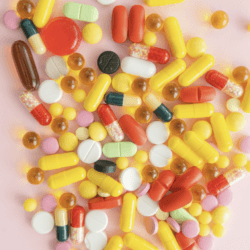
A quick Google search for “Nootropics” reveals 744,000 websites that offer supplements, discussion forums, articles on what is clearly a very hot topic. The main purpose of these drugs is to enhance productivity and sharpen focus, and it is all the rage – especially in places like Silicon Valley. The added benefit is that they are not supposed to trigger the jittery sensation that results from consuming excess coffee or taking a prescription stimulant medication, such as Ritalin or Adderall.

Read full, original post: Brain Hacking: Are We Meant to Be Limitless?

{{ reviewsTotal }}{{ options.labels.singularReviewCountLabel }}
{{ reviewsTotal }}{{ options.labels.pluralReviewCountLabel }}
{{ options.labels.newReviewButton }}
{{ userData.canReview.message }}

Related Articles

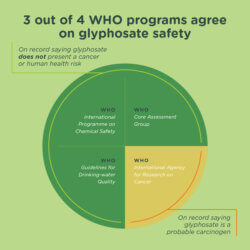
Infographic: Global regulatory and health research agencies on whether glyphosate causes cancer

Infographic: Global regulatory and health research agencies on whether glyphosate causes cancer

Does glyphosate—the world's most heavily-used herbicide—pose serious harm to humans? Is it carcinogenic? Those issues are of both legal and ...

Most Popular

Screenshot-2026-04-20-at-2.26.27-PM
Viewpoint — Food-fear world: The latest activist scientists campaign: Cancer-causing additives
Screenshot-2026-05-04-at-12.54.32-PM
How Utah became the country’s supplement capital  — and a haven for unregulated, ineffective and fake products
Screenshot-2026-03-13-at-12.14.04-PM
The FDA wants to make many popular prescription drugs OTC—a great idea. Here’s why it’s unlikely to happen
Screenshot-PM-24
Viewpoint: The herbicide glyphosate isn’t perfect. Banning it would be far worse.
Screenshot-2026-05-01-at-11.56.24-AM
‘Science moves forward when people are willing to think differently’: Memories of DNA maverick Craig Venter
images
The never-ending GMO debate: Pros and cons
Screenshot-2026-04-12-135256
Bixonimania: The fake disease scam that AI swallowed whole
ChatGPT-Image-May-1-2026-02_20_13-PM
How RFK, Jr.’s false vaccine claims are holding up $600 million to fight diseases in poor countries
Screenshot-2026-04-03-at-11.15.51-AM
Paraben panic: How a flawed study, media hype, and chemophobia convinced the public of the danger of one of the safest classes of preservatives
Screenshot-2026-04-30-at-2.19.37-PM
5 myths about summer dehydration that could damage your health — or even kill you
bigstock opioids on chalkboard with rol
GLP podcast: 'Safe injection sites': enabling drug addiction or saving lives?
glp menu logo outlined

Get news on human & agricultural genetics and biotechnology delivered to your inbox.