Will embryo selection, IVF replace sex as primary mode of reproduction?

IVF Rex

The GLP aggregated and excerpted this blog/article to reflect the diversity of news, opinion and analysis.

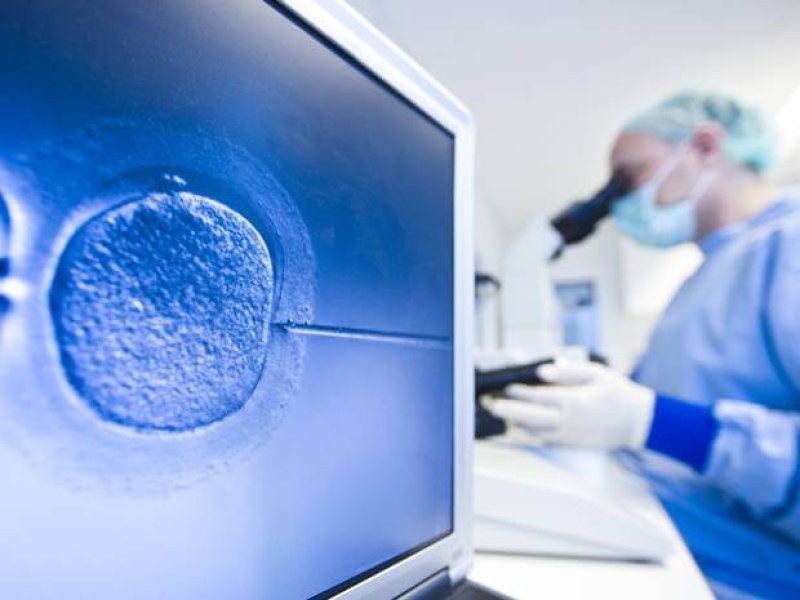
Human reproduction is about to undergo a radical shift. Embryo selection, in connection with in-vitro fertilization (IVF), will help our species eliminate many genetic diseases, extend healthy lifespans, and enhance people’s overall well-being. Within 20 years, I predict that it will supplant sex as the way large numbers of us conceive of our children.

But while the embryo selection revolution will do a lot of good, it will also raise thorny ethical questions about diversity, equality and what it means to be human–questions we are woefully unprepared to address.

At present, over a thousand such diseases, including cystic fibrosis, Huntington’s disease, Tay-Sachs, sickle-cell anemia, and Duchenne muscular dystrophy, can be screened during preimplantation genetic screening (PGS) and the list is growing constantly. With this information, parents using IVF and PGS can select embryos not carrying those diseases if they choose to do so. Some jurisdictions, including the US, Mexico, Italy, and Thailand, also allow parents to select the gender of their future children.

As the PGS procedure improves and the number of diseases it prevents increases, I foresee that growing numbers of parents will decide to use assisted reproduction technologies when conceiving children. Over time, many genetic diseases will come to be seen as preventable parental lifestyle choices rather than bad luck.

Read full, original post: By the year 2040, embryonic selection could replace sex as the way most of us make babies

{{ reviewsTotal }}{{ options.labels.singularReviewCountLabel }}
{{ reviewsTotal }}{{ options.labels.pluralReviewCountLabel }}
{{ options.labels.noReviewsLabel }}
{{ options.labels.newReviewButton }}
{{ userData.canReview.message }}

Related Articles

Infographic: Global regulatory and health research agencies on whether glyphosate causes cancer

Infographic: Global regulatory and health research agencies on whether glyphosate causes cancer

Does glyphosate—the world's most heavily-used herbicide—pose serious harm to humans? Is it carcinogenic? Those issues are of both legal and ...

Most Popular

ChatGPT-Image-Mar-10-2026-01_39_01-PM
Viewpoint—“Miracle molecule” debunked: Why acemannan supplements don’t work
Screenshot 2025-09-17 at 12.41
Misinformation alert: No, glyphosate use in Canadian forests is not spurring more wildfires
Screenshot 2026-07-11 094410
Growing animal muscle and fat cells inside rice grains and calling it beef: One of numerous genetically engineered products shaking up our ecosystem
ChatGPT-Image-Jun-25-2026-12_23_17-PM
No, Bill Gates did not secretly engineer ticks to promote veganism
file-f-d-d-
Facts & Fallacies Podcast: Europe's AC debacle underscores fatal flaw in green activism
ChatGPT-Image-Jul-9-2026-02_39_22-PM
Viewpoint: Polyphenols or NAD+ supplements to combat aging: No, Gwenyth Paltrow and followers, don’t waste your money.
ChatGPT-Image-Jul-8-2026-12_32_48-PM
Viewpoint: SCOTUS strikes a blow against junk science in Bayer glyphosate case. Will it deter mass tort litigators?
afb-a-b
As the EU loosens restrictions on agricultural gene editing, it remains years behind the rest of the world on equally-safe GMO foods
ChatGPT-Image-Jul-7-2026-01_57_55-PM
Viewpoint: Europe’s rejection of air conditioning is the poster child for misunderstanding how to mitigate the impact of climate change
Screenshot 2026-07-16 at 8.49
Pete Hegseth’s bizarre Viagra commercial as Trump administration endorses ‘hormone replacement therapy’

Sorry. No data so far.

glp menu logo outlined

Get news on human & agricultural genetics and biotechnology delivered to your inbox.