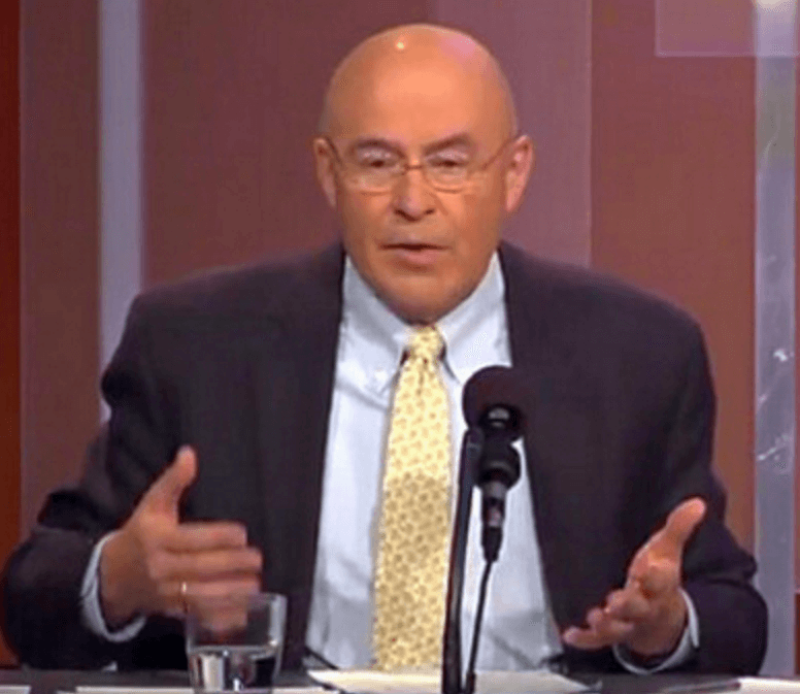
Monsanto’s Robert Fraley: Next GMO crops to focus on nutrition, climate change

Screen Shot at PM

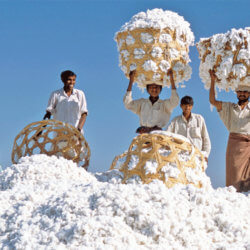
The first genetically modified row crops of any kindโ€”herbicide-resistant soybeans and cotton protected against the bollworm and other pestsโ€”were introduced only in 1995. Twenty years on, these crops have proved their worth: Last year GMOs were planted on 444 million acres, an area larger than Alaska. Thatโ€™s 12% of all global cropland.

Genetic modification will be extended to many more crops. It will be used to enhance the nutritional value of rice…as well as cassava, two major staples. Insect resistance will be conferred on more crops and widened to protect against more pests… especially in the developing world. The strides that GMO crops have already made against drought and heat stress will accelerate…

Exciting gains are also on the horizon against plant diseases caused by fungi, bacteria and nematodes… One result will be bigger yields. Another will be less use of chemical fungicides…

The rapidly growing global population and warming climate will make agricultural innovations a necessity, not a luxury…
Mr. Fraley is executive vice president and chief technology officer of Monsanto.

The GLP aggregated and excerpted this blog/article to reflect the diversity of news, opinion and analysis. Read full, original post:ย GMOs Are a Necessityโ€”for Farmers and the Environment

{{ reviewsTotal }}{{ options.labels.singularReviewCountLabel }}
{{ reviewsTotal }}{{ options.labels.pluralReviewCountLabel }}
{{ options.labels.newReviewButton }}
{{ userData.canReview.message }}

Related Articles

Infographic: Global regulatory and health research agencies on whether glyphosate causes cancer

Infographic: Global regulatory and health research agencies on whether glyphosate causes cancer

Does glyphosateโ€”the world's most heavily-used herbicideโ€”pose serious harm to humans? Is it carcinogenic? Those issues are of both legal and ...

Most Popular

Screenshot-2026-03-13-at-12.14.04-PM
The FDA wants to make many popular prescription drugs OTCโ€”a great idea. Hereโ€™s why itโ€™s unlikely to happen
Screenshot-2026-04-20-at-2.26.27-PM
Viewpoint โ€” Food-fear world: The latest activist scientists campaign: Cancer-causing additives
Screenshot-2026-05-04-at-12.54.32-PM
How Utah became the countryโ€™s supplement capitalย  โ€” and a haven for unregulated, ineffective and fake products
Screenshot-PM-24
Viewpoint: The herbicide glyphosate isnโ€™t perfect. Banning it would be far worse.
images
The never-ending GMO debate: Pros and cons
Screenshot-2026-05-01-at-11.56.24-AM
โ€˜Science moves forward when people are willing to think differentlyโ€™: Memories of DNA maverick Craig Venter
Screenshot 2026-05-06 at 2.56
Singularity crisis ahead? Can super babies save us from rogue AI geniuses?
Screenshot-2026-04-30-at-2.19.37-PM
5 myths about summer dehydration that could damage your health โ€” or even kill you
Screenshot-2026-04-03-at-11.15.51-AM
Paraben panic: How a flawed study, media hype, and chemophobia convinced the public of the danger of one of the safest classes of preservatives
79d03212-2508-45d0-b427-8e9743ff6432
Viewpoint: The Casey Means hustleโ€”Wellness woo opportunism dressed up as medical wisdom
bigstock opioids on chalkboard with rol
GLP podcast: 'Safe injection sites': enabling drug addiction or saving lives?
glp menu logo outlined

Get news on human & agricultural genetics and biotechnology delivered to your inbox.