CDC investigating increasing foodborne illnesses and deaths linked to organic food

Screen Shot at AM

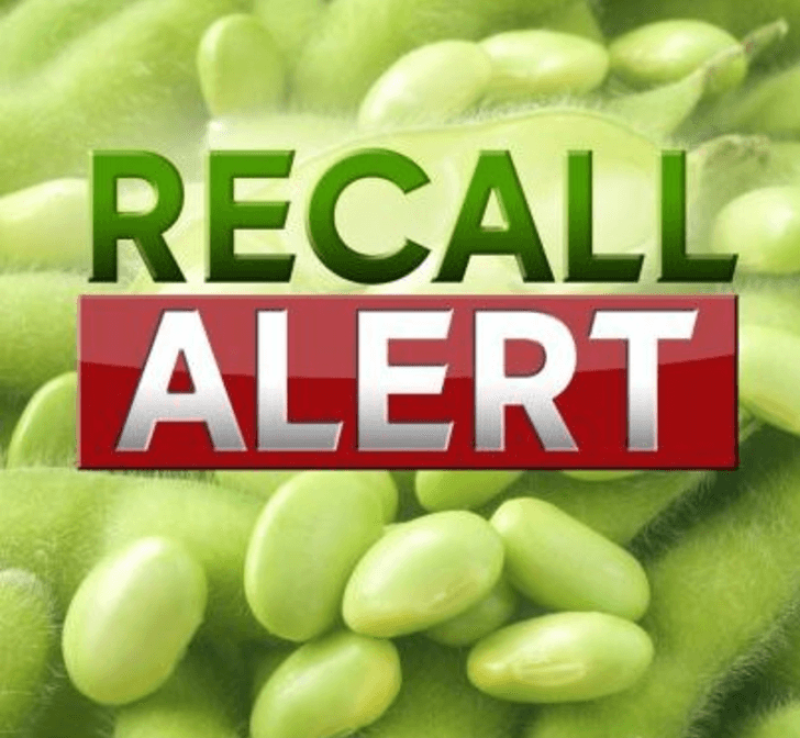
A newly published study of outbreaks linked to organic food concludes that while more data are needed to assess whether the risk is greater than for conventionally grown food, consumers should practice safe food handling in any case to avoid being sickened.

Using CDC’s Foodborne Disease Outbreak Surveillance System, researchers identified 18 outbreaks between 1992 and 2014 that were reportedly caused by organic food products. These outbreaks were linked to 779 illnesses, 258 hospitalizations and three deaths.

Fifteen of the 18 outbreaks were associated with foods that were definitely or likely U.S. Department of Agriculture-certified as organic.

More than half of the total outbreaks, 56 percent, occurred from 2010-2014, which the study authors note reflects the increasing production and consumption of organically grown food in the United States and around the world.

“Consumer perception often credits organic foods as being safer than conventionally produced foods, although organic standards do not directly address safety issues such as microbial or chemical hazards,” according to the study abstract.
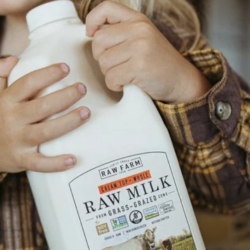
“Consumers should not assume organic foods to be more or less safe than foods produced by conventional methods,” the wrote. “Proper handling, preparation, and storage of foods, regardless of production method, are necessary to prevent foodborne illness.”

The GLP aggregated and excerpted this blog/article to reflect the diversity of news, opinion and analysis. Read original post and listen to audio here: CDC study attempts to assess outbreak risk from organic food

Related Articles

Infographic: Global regulatory and health research agencies on whether glyphosate causes cancer

Infographic: Global regulatory and health research agencies on whether glyphosate causes cancer

Does glyphosate—the world's most heavily-used herbicide—pose serious harm to humans? Is it carcinogenic? Those issues are of both legal and ...

Most Popular

Screenshot-2026-09-16-at-2.26.42-PM
Viewpoint: How to ecologically damage America’s forests: Ban glyphosate
Screenshot-2026-09-20-at-9.03.54-AM
From Malaysia to the world: A pioneering science communicator reimagines global science communication for a digital age
ChatGPT-Image-Mar-10-2026-01_39_01-PM
Viewpoint—“Miracle molecule” debunked: Why acemannan supplements don’t work
ChatGPT-Image-Sep-17-2026-12_28_43-PM
Vitamin D, omega-3 fish oil and glucosamine supplements could cause brain damage 
Screenshot-2026-09-20-at-4.31.28-PM
White House drafting executive order to control what OMB Director Vought claims are “woke” NIH science grants
ChatGPT-Image-Sep-20-2026-04_22_32-PM
What’s Trump’s ‘AI Force’? Administration rushes to announce ill-defined watchdog agency and czar amid criticism of its resistance to curb AI acceleration
Screenshot-2026-08-12-at-11.31.46-AM
AI is helping develop new vaccines
Screenshot-2026-09-14-at-4.31.14-PM
Viewpoint: What’s the likely impact when the EPA loosens rules limiting methane pollution from oil and gas wells?
Screenshot-2026-08-19-at-6.19.42-PM
Facts & Fallacies podcast: 'Regenerative farming'? RFK Jr.’s federal push romanticizes the past and risks food security
ChatGPT-Image-Sep-18-2026-10_49_24-AM
‘Symptom borrowing’: Young people are copying health problems they see on TikTok
ChatGPT-Image-Aug-28-2026-03_33_46-PM
Viewpoint: Bad science—Five bogus Trump administration claims about vaccines and autism
ChatGPT-Image-Sep-11-2026-01_53_42-PM
Should doctors engage in social media to counter misinformation?
ChatGPT-Image-Sep-9-2026-02_48_24-PM
Viewpoint: Trump-RFK Jr. report on “Gender Ideology & Left-wing Ideology’ targets LGBTQ community—and science
glp menu logo outlined

Get news on human & agricultural genetics and biotechnology delivered to your inbox.