Insect resistance to Bt crops and weed resistance to herbicides rose in 2016

Screen Shot at PM
Image Credit: Sarah Zukoff/Flickr

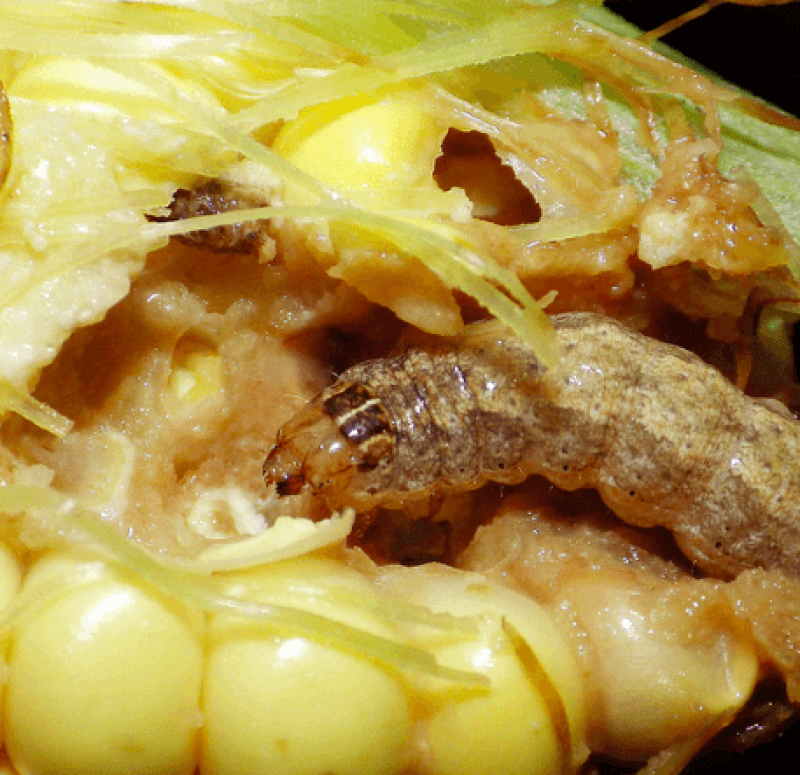
Insects and weeds pushed many chemical and genetic crop protection tools to their breaking point. A wealth of confirmed and suspected insect resistance to a number of Bt crops took many off guard in 2016. However, scientists say the problem had been mounting for years.

. . .

The next year is unlikely to offer relief. Many insecticides could be on the regulatory chopping block in 2017, and there are no new Bt traits on the immediate horizon.

[Texas A&M entomologist Pat Porter] speculated that “the era of the Cry toxin [Bt crops] seems to be ending.” Companies would disagree … but at the very least, farmers may have to re-evaluate their insect management plans carefully in 2017. Crop rotation, non-Bt crops and multiple modes of action in chemical insecticides will be more important than ever.

Herbicide-resistant weeds added new lands and new chemicals to their conquests this year. Southern growers continued to struggle with glyphosate-resistant Palmer amaranth… PPO-resistant Palmer and glyphosate-resistant Italian ryegrass….

. . .

Weed scientists left growers with a clear overall message …: The easy button [glyphosate] is broken. Answers can no longer come exclusively from the jug. Cover crops, mechanical seed destruction, crop rotation, tillage and a systems approach to managing weeds are now a reality.

The GLP aggregated and excerpted this blog/article to reflect the diversity of news, opinion and analysis. Read full, original post: Pests March On: Insect, Weed Resistance Likely to Plague Farmers in 2017

{{ reviewsTotal }}{{ options.labels.singularReviewCountLabel }}
{{ reviewsTotal }}{{ options.labels.pluralReviewCountLabel }}
{{ options.labels.noReviewsLabel }}
{{ options.labels.newReviewButton }}
{{ userData.canReview.message }}

Related Articles

Infographic: Global regulatory and health research agencies on whether glyphosate causes cancer

Infographic: Global regulatory and health research agencies on whether glyphosate causes cancer

Does glyphosate—the world's most heavily-used herbicide—pose serious harm to humans? Is it carcinogenic? Those issues are of both legal and ...

Most Popular

ChatGPT-Image-Mar-10-2026-01_39_01-PM
Viewpoint—“Miracle molecule” debunked: Why acemannan supplements don’t work
Screenshot 2025-09-17 at 12.41
Misinformation alert: No, glyphosate use in Canadian forests is not spurring more wildfires
ChatGPT-Image-Jul-9-2026-02_39_22-PM
Viewpoint: Polyphenols or NAD+ supplements to combat aging: No, Gwenyth Paltrow and followers, don’t waste your money.
file-f-d-d-
Facts & Fallacies Podcast: Europe's AC debacle underscores fatal flaw in green activism
Screenshot 2026-07-11 094410
Growing animal muscle and fat cells inside rice grains and calling it beef: One of numerous genetically engineered products shaking up our ecosystem
ChatGPT-Image-Jul-8-2026-12_32_48-PM
Viewpoint: SCOTUS strikes a blow against junk science in Bayer glyphosate case. Will it deter mass tort litigators?
ChatGPT-Image-Jun-25-2026-12_23_17-PM
No, Bill Gates did not secretly engineer ticks to promote veganism
ChatGPT-Image-Jul-7-2026-01_57_55-PM
Viewpoint: Europe’s rejection of air conditioning is the poster child for misunderstanding how to mitigate the impact of climate change
afb-a-b
As the EU loosens restrictions on agricultural gene editing, it remains years behind the rest of the world on equally-safe GMO foods
ChatGPT-Image-Jul-1-2026-03_33_49-PM
‘Alternative’ cancer treatments that could kill you
ChatGPT-Image-Jul-6-2026-02_25_26-PM
40 million Americans take glucosamine. If you have memory loss, it could accelerate cognitive decline.
glp menu logo outlined

Get news on human & agricultural genetics and biotechnology delivered to your inbox.