Science moms: Girl Scouts ‘cave’ to anti-science protests by introducing non-GMO cookie

Screen Shot at PM

The campaign to pressure the GSUSA into dropping ingredients sourced from plants engineered with modern molecular techniques, better known by the nebulous term “GMO,” ignited controversy in 2013 when a California mom launched the Facebook page advising scout parents to boycott the annual sales drive. Her goal? Persuading the organization to go GMO-free.

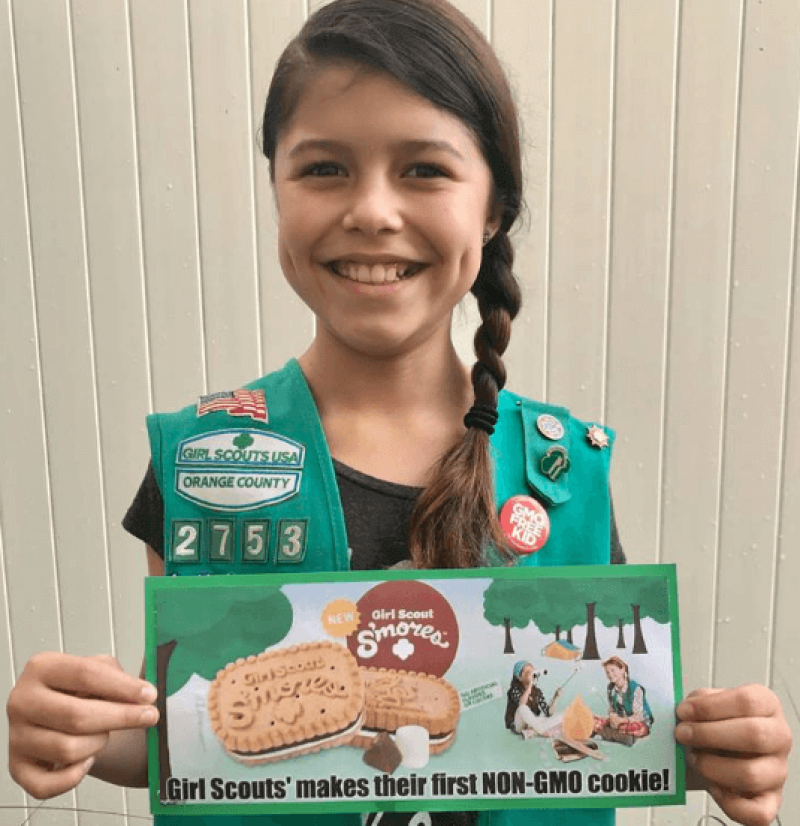
All of the organization’s cookies contained one or more ingredients derived from GMO crops … But that has changed with the 2017 Girl Scout cookie season … The Girl Scouts caved to demands and released the first “non-GMO” Girl Scout treat: the new S’mores sandwich cookie, from Little Brownie Bakers is “made with ingredients that are verified as not containing genetically modified organisms” according to the GSUSA site.

A group of moms who started a grassroots pro-GMO parenting movement, known by hashtag #Moms4GMOs (and #Dads4GMOs), and who feature prominently in the upcoming Science Moms short documentary … is calling foul. “Non-GMO labels encourage and perpetuate fears about biotechnology,” explains plant geneticist Dr. Anastasia Bodnar. “I would hope that Girl Scouts are learning about science and technology, not learning to fear it.”

Anti-GMO sentiment contributes to consumer fear and rejection, which influences policy makers and leads to the overly stringent regulations keeping real solutions from farmers’ fields.

The GLP aggregated and excerpted this blog/article to reflect the diversity of news, opinion, and analysis. Read full, original post: These Moms Say The Girl Scouts’ Newest Cookie Rejects Science, Conflict With Its STEM Advocacy


{{ reviewsTotal }}{{ options.labels.singularReviewCountLabel }}
{{ reviewsTotal }}{{ options.labels.pluralReviewCountLabel }}
{{ options.labels.newReviewButton }}
{{ userData.canReview.message }}

Related Articles

Infographic: Global regulatory and health research agencies on whether glyphosate causes cancer

Infographic: Global regulatory and health research agencies on whether glyphosate causes cancer

Does glyphosate—the world's most heavily-used herbicide—pose serious harm to humans? Is it carcinogenic? Those issues are of both legal and ...

Most Popular

Screenshot-2026-05-01-at-11.56.24-AM
‘Science moves forward when people are willing to think differently’: Memories of DNA maverick Craig Venter
Screenshot-2026-04-03-at-11.15.51-AM
Paraben panic: How a flawed study, media hype, and chemophobia convinced the public of the danger of one of the safest classes of preservatives
79d03212-2508-45d0-b427-8e9743ff6432
Viewpoint: The Casey Means hustle—Wellness woo opportunism dressed up as medical wisdom
Screenshot-PM-24
Viewpoint: The herbicide glyphosate isn’t perfect. Banning it would be far worse.
ChatGPT-Image-Apr-30-2026-12_21_05-PM-2
The tech billionaires behind the immortality movement
ChatGPT-Image-Mar-27-2026-11_27_05-AM
The myths of “process”: What science says about the “dangers’ of synthetic products and ultra-processed foods
ChatGPT-Image-Mar-10-2026-01_39_01-PM
Viewpoint—“Miracle molecule” debunked: Why acemannan supplements don’t work
ChatGPT-Image-Mar-3-2026-01_17_14-PM
MAHA wellness influencers deride proven anxiety medications, tout lifestyle fixes
Drinking lots of water can help reduce the effects of aging
Nanoplastics in drinking water: MAHA activists forge science-based bipartisan coalition 
ChatGPT Image Apr 30, 2026, 01_11_41 PM
Trump’s America First health aid cuts: Retrenchment has already hit global malaria, HIV, TB, and polio programs
ChatGPT-Image-May-1-2026-03_16_32-PM
Viewpoint: How ‘health care guru’ Joe Rogan circumvented the FDA’s skepticism on psychedelics
images
The never-ending GMO debate: Pros and cons
glp menu logo outlined

Get news on human & agricultural genetics and biotechnology delivered to your inbox.