How will China’s decision to import fewer GM crops affect US farmers?

d fff e image e

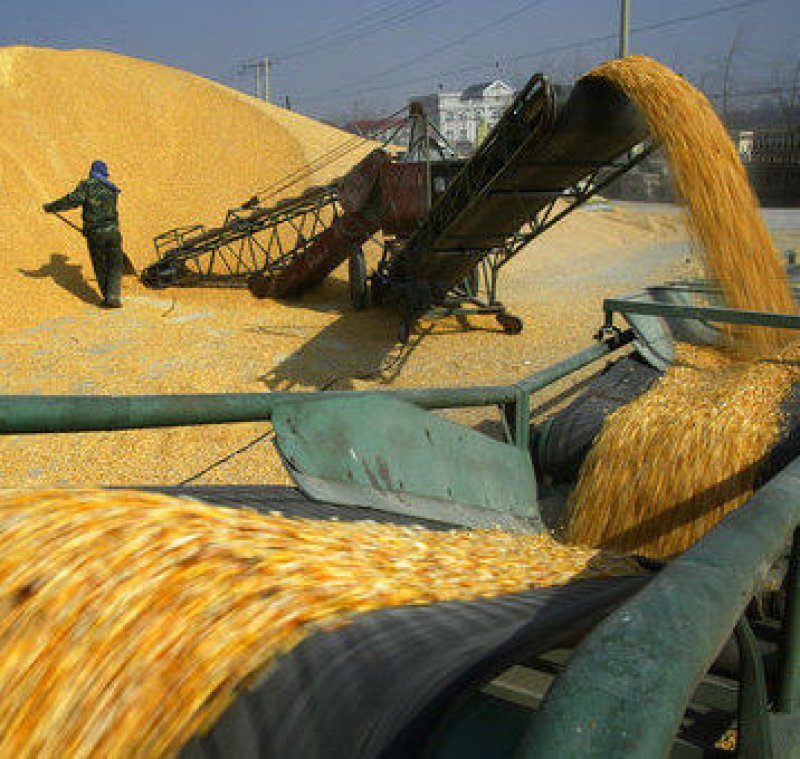
China is approving fewer new biotech crops for import than before, hampering the launch of new products globally and hurting trade, an American industry group said on [March 21, 2017].

China does not permit the planting of any genetically modified varieties of staple food crops amid deep-seated consumer opposition. But it does allow the import of GMO crops, such as soybeans for use in its huge animal feed industry.

The number of annual approvals has fallen to just one last year [2016], down from three in previous years, according to China’s agriculture ministry.

The United States is the biggest producer of GMO crops and one of China’s top suppliers of soybeans.

China has said it supports biotechnology to raise the efficiency of its agriculture sector and that it plans to commercialize new GMO varieties of corn and soybeans in coming years.


But public acceptance of biotechnology is a key challenge for the future introduction of GM crops in China, and despite attempts by the government to persuade consumers of the safety of such foods, opinions remain highly polarized.

China only approved one new biotech product for import in 2016, a Bayer CropScience Ltd soybean. Eight other products were seeking approval.

The GLP aggregated and excerpted this blog/article to reflect the diversity of news, opinion, and analysis. Read full, original post: China approves fewer GMO crop imports, hampering trade: U.S. industry group

For more background on the Genetic Literacy Project, read GLP on Wikipedia

{{ reviewsTotal }}{{ options.labels.singularReviewCountLabel }}
{{ reviewsTotal }}{{ options.labels.pluralReviewCountLabel }}
{{ options.labels.newReviewButton }}
{{ userData.canReview.message }}

Related Articles

Infographic: Global regulatory and health research agencies on whether glyphosate causes cancer

Infographic: Global regulatory and health research agencies on whether glyphosate causes cancer

Does glyphosate—the world's most heavily-used herbicide—pose serious harm to humans? Is it carcinogenic? Those issues are of both legal and ...

Most Popular

ChatGPT Image May 10, 2026, 08_16_59 PM 2
Overmedicalization? RFK Jr.’s antidepressant crackdown raises conflict questions over his fee stake in Wisner Baum, the tort firm built on suing drug makers
Picture1-5
Science Disinformation Gap: The transatlantic battle over social media and censorship
Picture1-1
Cooling the planet with balloons: Could a geoengineering gamble slow global warming?
ChatGPT-Image-Apr-13-2026-02_20_22-PM
Viewpoint: Misinformation infodemic? Why assessing evidence is so challenging 
Screenshot-2026-05-11-104424
Hantavirus outbreak research: Trump administration shut down study last year on rodent-to-human transmission
Picture1-14
When superbugs threaten vulnerable children: Can AI help solve antibiotic resistance?
Screenshot-2026-05-08-at-3.40.33-PM
Seeds of power: China turns to genetic engineering to become global superpower
S
As vaccine rejectionism spreads, measles may be taking a more dangerous turn
Screenshot-2026-05-01-at-1.29.41-PM
Viewpoint: What happens when whole grains meet modern food manufacturing? Labels don’t tell the whole story.
Screenshot-2026-04-12-135256
Bixonimania: The fake disease scam that AI swallowed whole
Screenshot 2026-05-08 at 3.01
Transforming farming and nutrition with AI and robotics? Larry Ellison’s half-billion-dollar Hawaii greenhouse dream goes bust
Screenshot-2026-04-20-at-2.26.27-PM
Viewpoint — Food-fear world: The latest activist scientists campaign: Cancer-causing additives
glp menu logo outlined

Get news on human & agricultural genetics and biotechnology delivered to your inbox.