Will China relax GMO cultivation restrictions in wake of Syngenta takeover?

Screen Shot at PM

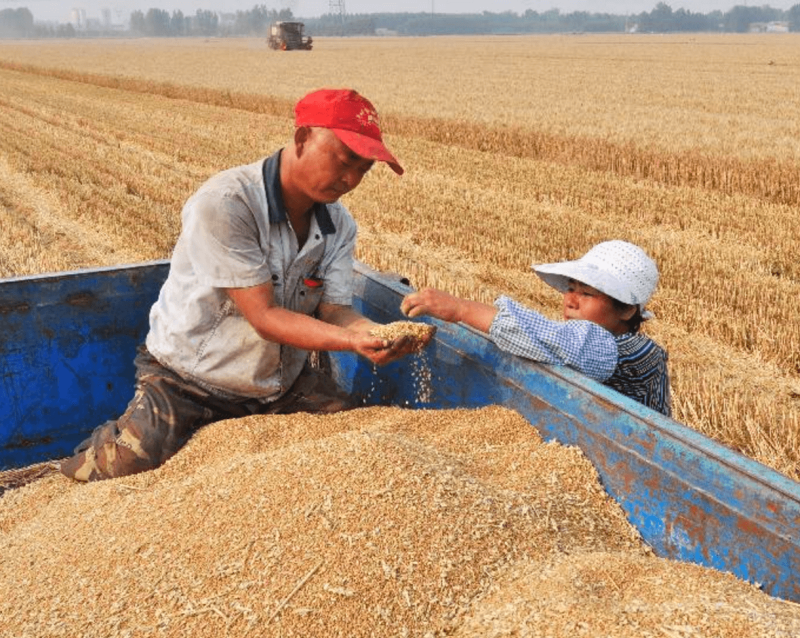
Although China imports preapproved GM foods, the agriculture ministry has never approved a biotech food cropโ€”other than papaya, a minor one [which is imported]8โ€”for cultivation. But that could soon change, with the planned takeover of Swiss seed giant Syngenta by Chinese state-owned chemical company ChemChina.

Syngenta produces herbicides, fungicides, and conventional hybrid seeds. It also sells billions of dollars worth of GM seedsโ€”40% of its global seed salesโ€”including drought-tolerant varieties and Viptera GM corn, which is engineered to control pests. ChemChina’s $43 billion acquisition offerโ€”the largest foreign deal ever for Chinaโ€”hinges on approvals from EU antitrust regulators, who have set a 12 April [2017] deadline for a decision. If it proceeds, the move will make China a major player in agricultural biotechnology, a long-sought goal.

The emergence of a massive state-owned company in possession of competitive GM seed lines could help speed commercialization, [Loren Puette, director of the agricultural consulting firm ChinaAg in Taipei syas]โ€”provided the Chinese public allows it.

Widespread skepticism of government food safety claims, fueled by scandals including tainted infant formula, dumplings laced with heavy metals, and exploding watermelons, has subverted public acceptance of GM foods.

The GLP aggregated and excerpted this blog/article to reflect the diversity of news, opinion, and analysis. Read full, original post:ย China aims to sow a revolution with GM seed takeover (behind paywall)

For more background on the Genetic Literacy Project, read GLP on Wikipedia

{{ reviewsTotal }}{{ options.labels.singularReviewCountLabel }}
{{ reviewsTotal }}{{ options.labels.pluralReviewCountLabel }}
{{ options.labels.newReviewButton }}
{{ userData.canReview.message }}

Related Articles

Infographic: Global regulatory and health research agencies on whether glyphosate causes cancer

Infographic: Global regulatory and health research agencies on whether glyphosate causes cancer

Does glyphosateโ€”the world's most heavily-used herbicideโ€”pose serious harm to humans? Is it carcinogenic? Those issues are of both legal and ...

Most Popular

Picture1-5
Science Disinformation Gap: The transatlantic battle over social media and censorship
ChatGPT Image May 10, 2026, 08_16_59 PM 2
Overmedicalization? RFK Jr.โ€™s antidepressant crackdown raises conflict questions over his fee stake in Wisner Baum, the tort firm built on suing drug makers
Picture1-1
Cooling the planet with balloons: Could a geoengineering gamble slow global warming?
Screenshot-2026-05-11-104424
Hantavirus outbreak research: Trump administration shut down study last year on rodent-to-human transmission
Picture1-14
When superbugs threaten vulnerable children: Can AI help solve antibiotic resistance?
Screenshot 2026-05-11 at 11.30
Despite politicized disinformation, Midwest AI data centers are fueling a solar energy boom
ChatGPT-Image-Apr-13-2026-02_20_22-PM
Viewpoint: Misinformation infodemic? Why assessing evidence is so challengingย 
S
As vaccine rejectionism spreads, measles may be taking a more dangerous turn
Screenshot-2026-05-08-at-11.55.47-AM
Anti-vax activists falsely blame COVID vaccines for the rising U.S. cancer rate among younger people.
Screenshot-2026-05-01-at-1.29.41-PM
Viewpoint: What happens when whole grains meet modern food manufacturing? Labels donโ€™t tell the whole story.
Screenshot-2026-04-20-at-2.26.27-PM
Viewpoint โ€” Food-fear world: The latest activist scientists campaign: Cancer-causing additives
Screenshot-2026-05-08-at-3.40.33-PM
Seeds of power: China turns to genetic engineering to become global superpower
glp menu logo outlined

Get news on human & agricultural genetics and biotechnology delivered to your inbox.