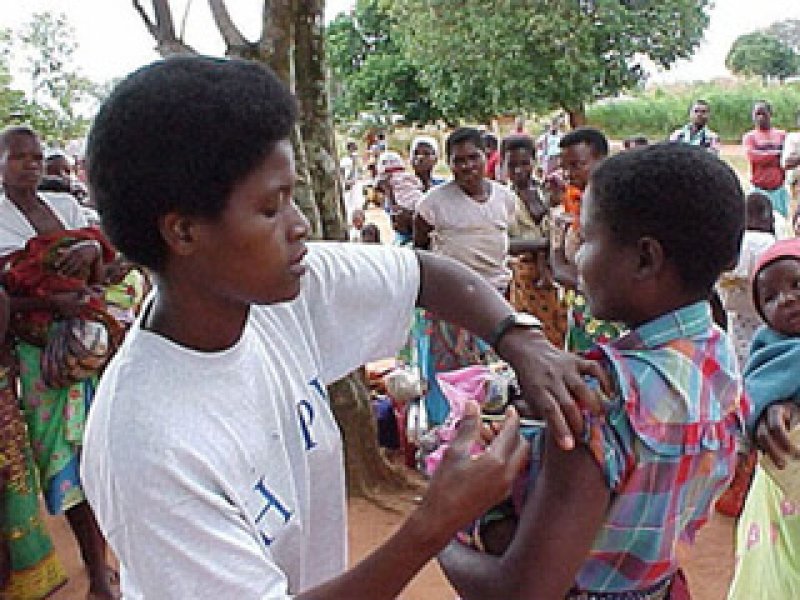
Precision medicine could revolutionize healthcare in Africa, but obstacles abound

a js

Although scientists worldwide have been pushing for ways to improve health care by tailoring diagnostics and treatment to the environment, lifestyle and genes of individual patients, few researchers have taken this precision-medicine approach in Africa.

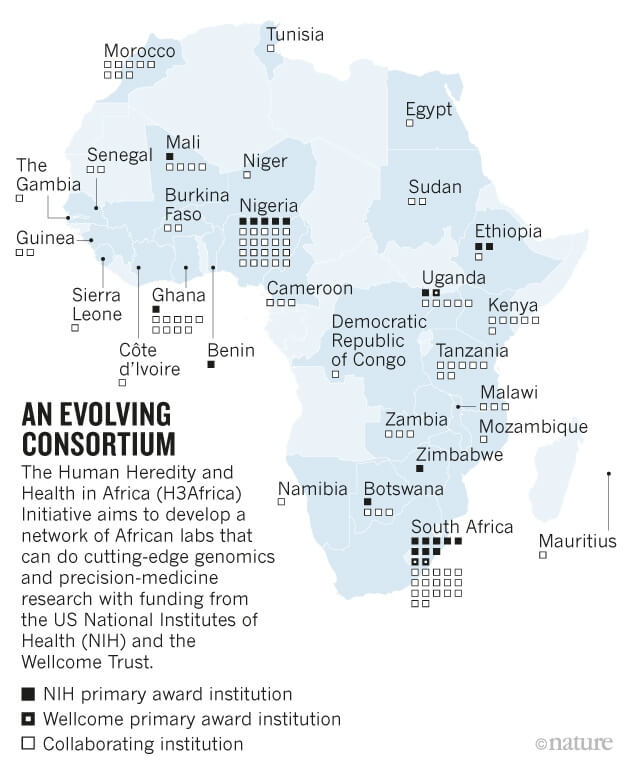
That may be changing. In the past five years, international research-funding organizations have invested more than US$100 million in projects to boost genetic research on people in Africa.

There’s a big problem, however. Precision medicine is expensive. For a continent that, for the most part, struggles to provide even basic health care, tailor-made treatments for individual patients may seem like an unaffordable luxury.

But to fulfil this vision, a lot of research needs to be done on African genomes. Most genomic studies so far have focused on white people of European descent. A meta-analysis published in Nature last year2 revealed that only 3% of global genome-wide association studies — which link genetic traits to patterns in health, disease or drug tolerance — had been performed on Africans, compared with 81% on people of European ancestry.

An added challenge is that Africans are the most genetically varied people on Earth. Africa is where humanity originated and where humans have lived the longest
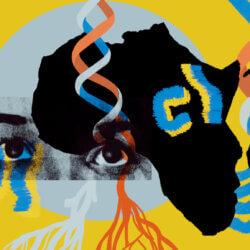
Africa map

The GLP aggregated and excerpted this blog/article to reflect the diversity of news, opinion, and analysis. Read full, original post: How the genomics revolution could finally help Africa

For more background on the Genetic Literacy Project, read GLP on Wikipedia

Related Articles

Infographic: Global regulatory and health research agencies on whether glyphosate causes cancer

Infographic: Global regulatory and health research agencies on whether glyphosate causes cancer

Does glyphosate—the world's most heavily-used herbicide—pose serious harm to humans? Is it carcinogenic? Those issues are of both legal and ...

Most Popular

ChatGPT-Image-Mar-10-2026-01_39_01-PM
Viewpoint—“Miracle molecule” debunked: Why acemannan supplements don’t work
ChatGPT-Image-Sep-10-2026-10_36_07-AM
Viewpoint: Even lousy scientific articles can shield authors when they hype dubious health claims and products
sorghum farmers in kenya FARMERS TREND
Here are all the ways CRISPR gene editing is transforming Africa’s staple crops—and there’s a lot more innovation to come
Screenshot-2026-10-01-at-11.21.27-AM
Vaccine hesitancy, like malaria, surges globally, topping 35% in some countries
ChatGPT-Image-Sep-30-2026-01_25_34-PM
Blood tests for Alzheimer’s? The latest grifter, social media scam.
ChatGPT-Image-Sep-30-2026-01_11_07-PM
How U.S. teamed with Russia to block global human AI weapons oversight
ChatGPT-Image-Sep-30-2026-01_38_36-PM
Viewpoint: Died “with measles” vs. died “from measles”: RFK, Jr.’s dangerously subversive word games
ChatGPT-Image-Sep-21-2026-03_15_09-PM
Viewpoint: Chipotle-inspired lesson: 10,000 sick customers suggest that processed foods can be safer than fresh ones
ChatGPT-Image-Sep-29-2026-12_16_42-PM
Social media influencers are driving food misinformation across Europe
Screenshot-2026-09-28-at-1.16.38-PM
Defying public perceptions, U.S. cancer deaths plunged 35% since 1991
glp menu logo outlined

Get news on human & agricultural genetics and biotechnology delivered to your inbox.