Evolution could push back against CRISPR gene editing of insects to stop Zika and malaria

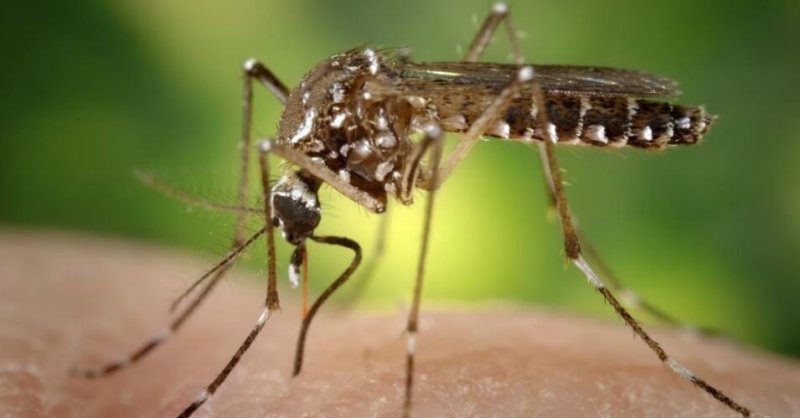
mosquito dengue

Research published [May 2017] suggests that gene editing, a revolutionary cut-and-paste technology that allows bespoke adjustments to an organism’s genome, might not be that effective in changing the long-term characteristics of an insect population.

Michael Wade and Gabriel Zentner, from Indiana University, studied the flour beetle, a serious agricultural pest. They focused on three stretches of the beetle’s genome where so-called where so-called Crispr technology, sometimes compared to genetic tweezers, could potentially snip out or insert genes. Two targets were chosen because of their links to male and female fertility. The third location was selected because it mirrors a spot in a mosquito genome previously scouted as a potential anti-malarial target.

The Indiana researchers, writing in the journal Science Advances, found there was sufficient natural genetic variation in the flour beetles to get rid of any Crispr tampering within just six generations. Not only that, but subsequent generations favoured genes, even rare ones, that circumvented the Crispr intervention. Professor Wade concludes that “these naturally occurring genetic variants resistant to Crispr are enough to halt attempts at population control using genetic technology, quickly returning wild populations to their pre-Crispr numbers”. In insects, at least, evolution has already designed workarounds to human meddling.


The GLP aggregated and excerpted this blog/article to reflect the diversity of news, opinion, and analysis. Read full, original post: Smart insects put a fly in the gene-editing ointment

{{ reviewsTotal }}{{ options.labels.singularReviewCountLabel }}
{{ reviewsTotal }}{{ options.labels.pluralReviewCountLabel }}
{{ options.labels.newReviewButton }}
{{ userData.canReview.message }}

Related Articles

Infographic: Global regulatory and health research agencies on whether glyphosate causes cancer

Infographic: Global regulatory and health research agencies on whether glyphosate causes cancer

Does glyphosate—the world's most heavily-used herbicide—pose serious harm to humans? Is it carcinogenic? Those issues are of both legal and ...

Most Popular

Screenshot-PM-24
Viewpoint: The herbicide glyphosate isn’t perfect. Banning it would be far worse.
79d03212-2508-45d0-b427-8e9743ff6432
Viewpoint: The Casey Means hustle—Wellness woo opportunism dressed up as medical wisdom
d-b
Blocked arteries, kidney stones, nausea, constipation, fatigue: Long list of health problems caused by too much vitamin D 
ChatGPT-Image-Mar-10-2026-01_39_01-PM
Viewpoint—“Miracle molecule” debunked: Why acemannan supplements don’t work
ChatGPT-Image-Apr-30-2026-05_00_48-PM
Wellness grifter physician turned wellness influencer out as surgeon general nominee
Screenshot-2026-04-30-at-11.33.46-AM
Anti-seed-oil to anti-vax pipeline: MAHA movement spreads to teen influencers
lab grown meat research kelly schultz lehighuniversity main
Profiles of the 10 top global cultured meat companies
ChatGPT-Image-Apr-30-2026-12_21_05-PM-2
The tech billionaires behind the immortality movement
Screenshot-2026-04-28-at-1.21.37-PM
How America’s medical system encourages psychiatric overdiagnosis
ChatGPT-Image-Mar-27-2026-11_27_05-AM
The myths of “process”: What science says about the “dangers’ of synthetic products and ultra-processed foods

Sorry. No data so far.

glp menu logo outlined

Get news on human & agricultural genetics and biotechnology delivered to your inbox.