Pests and pathogens cost global agriculture $540 billion a year

crop x

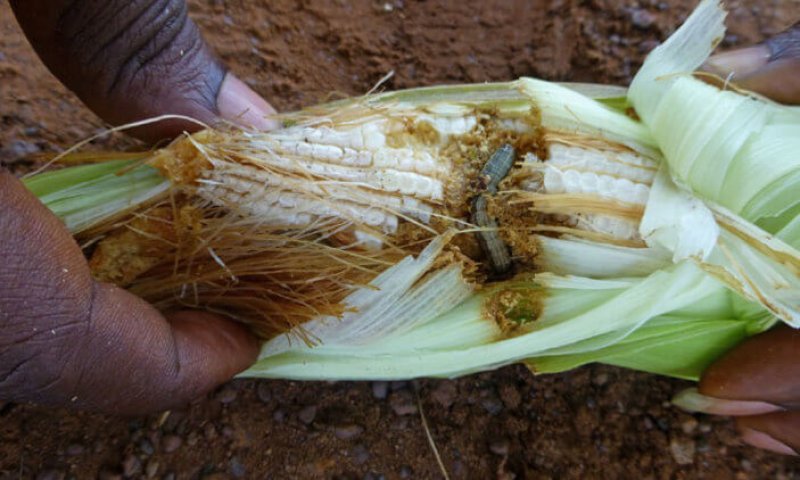
The spread of pests and pathogens that damage plant life could cost global agriculture $540 billion a year, according to a report….

The report, released by the Royal Botanic Gardens (RBG) at Kew in London, said that an increase in international trade and travel had left flora facing rising threats from invasive pests and pathogens, and called for greater biosecurity measures.

“Plants underpin all aspects of life on Earth from the air we breathe right through to our food, our crops, our medicines,” said Professor Kathy Willis, RBG Kew’s director of science.

Researchers also examined the traits that would determine which plant species would cope in a world feeling the effects of climate change.

Plants with deeper roots and higher wood density are better able to withstand drought, while thicker leaves and taller grasses can cope with higher temperatures, the report found.

Surprisingly, researchers also found that the traits that are likely to help species thrive appear to be transferable across different environments.

“The interesting fact to emerge is that the suite of ‘beneficial’ traits are, on the whole, the same the world over and are as true in a temperate forest as in a desert,” Professor Willis said in a statement.

[Read the full report here.]

The GLP aggregated and excerpted this blog/article to reflect the diversity of news, opinion, and analysis. Read full, original post: Pests and pathogens could cost agriculture billions: report

{{ reviewsTotal }}{{ options.labels.singularReviewCountLabel }}
{{ reviewsTotal }}{{ options.labels.pluralReviewCountLabel }}
{{ options.labels.noReviewsLabel }}
{{ options.labels.newReviewButton }}
{{ userData.canReview.message }}

Related Articles

Infographic: Global regulatory and health research agencies on whether glyphosate causes cancer

Infographic: Global regulatory and health research agencies on whether glyphosate causes cancer

Does glyphosate—the world's most heavily-used herbicide—pose serious harm to humans? Is it carcinogenic? Those issues are of both legal and ...

Most Popular

ChatGPT-Image-Jul-22-2026-09_13_07-AM
Viewpoint—The Strategic Litigation boom: Understanding the tightening coalition among NGOs, foundations, journalists, and tort lawyers
How to Include More Strawberries in Your Diet
Strawberries are berries—and 35 other surprising food and drink myths
close up arabica coffee farmer s hands picking beans plant his farm colombia
Viewpoint: Why do so many ‘mainstream’ and ‘respected’ media outlets exaggerate climate change threats?
diversity
We are entering a new era of personalized medicine—if you’re white
Screenshot-2026-07-07-at-12.55.44-PM
Viewpoint: Yes, we can adapt to a changing climate without devastating the environment and the economy
ChatGPT-Image-May-22-2026-10_26_09-AM
Trump-RFK, Jr. National Science Board firings: Accountability vs. partisan meddling
ChatGPT-Image-Mar-10-2026-01_39_01-PM
Viewpoint—“Miracle molecule” debunked: Why acemannan supplements don’t work
organic scaled
Facts & Fallacies podcast: Organic food cuts pesticide exposure? A response to Dr. Rhonda Patrick
Screenshot 2026-07-22 at 10.25
Science brain drain escalates as Trump purge extends to USDA
ChatGPT-Image-Jul-6-2026-02_25_26-PM
40 million Americans take glucosamine. If you have memory loss, it could accelerate cognitive decline.
using genetics to reverse aging
Is the longevity obsession a new form of ageism?
Screenshot-2026-07-01-at-2.49.48-PM
Dr. TikTok and male fertility: Viral claims tout GLP-1 drugs as fertility boosters. What does the science say?
kratom
Viewpoint: Kratom ‘supplement’ crisis: DEA sits on its hands while patient addictions to this ineffective drug  rise

Sorry. No data so far.

glp menu logo outlined

Get news on human & agricultural genetics and biotechnology delivered to your inbox.