CRISPR’s high costs may limit development of gene therapy drugs

gene money x

The ruckus over the CRISPR gene-editing system hides a dark reality: its high cost may make it unaffordable and questions remain whether most insurance companies will pay for it….

“The cost isn’t coming down,” said Mark Trusheim, director of the Massachusetts Institute of Technology’s NEW Drug Development Paradigms, a think tank working on the problem of how we will pay for expensive new drugs. “Companies will say, ‘We are developing these medicines, just pay us’; insurers will say, ‘We can’t afford it.’”

Editas Medicine plans to use CRISPR-Cas9 to treat various diseases, including Leber congenital amaurosis…But in its annual report, Editas noted “significant uncertainty” on whether payers would cover the treatment. In fact, a handful of insurance companies…have issued policy documents that exclude gene therapy from coverage, a move that experts say establishes policy against paying for CRISPR-based therapeutics.
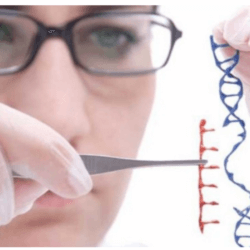
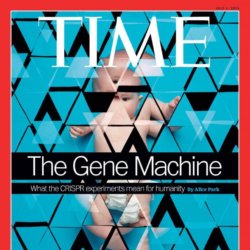
“Companies will charge whatever the market will bear,” [said Tania Bubela, a law and policy expert]. “I’m not even sure that many of these gene therapies will work, and not all medicine is worth the price.” But if these technologies become broadly used, especially in altering T cells for cancer, payers won’t meet the demands of steep prices, and Bubela predicts that “the system implodes under its own weight.”

The GLP aggregated and excerpted this blog/article to reflect the diversity of news, opinion, and analysis. Read full, original post: Who will pay for CRISPR?

{{ reviewsTotal }}{{ options.labels.singularReviewCountLabel }}
{{ reviewsTotal }}{{ options.labels.pluralReviewCountLabel }}
{{ options.labels.newReviewButton }}
{{ userData.canReview.message }}

Related Articles

Infographic: Global regulatory and health research agencies on whether glyphosate causes cancer

Infographic: Global regulatory and health research agencies on whether glyphosate causes cancer

Does glyphosate—the world's most heavily-used herbicide—pose serious harm to humans? Is it carcinogenic? Those issues are of both legal and ...

Most Popular

ChatGPT-Image-Mar-10-2026-01_39_01-PM
Viewpoint—“Miracle molecule” debunked: Why acemannan supplements don’t work
ChatGPT-Image-Jul-7-2026-01_57_55-PM
Viewpoint: Europe’s rejection of air conditioning is the poster child for misunderstanding how to mitigate the impact of climate change
ChatGPT-Image-Jul-1-2026-12_37_08-PM
Viewpoint: Trump poised to politicize all U.S.-supported science research
ChatGPT-Image-Jun-25-2026-12_23_17-PM
No, Bill Gates did not secretly engineer ticks to promote veganism
ChatGPT-Image-Jun-30-2026-10_27_31-AM
Viewpoint: Europe clears the way for gene-edited crops — but fear-driven restrictions still slow their full potential
ChatGPT-Image-Jul-1-2026-03_33_49-PM
‘Alternative’ cancer treatments that could kill you
ChatGPT-Image-Jul-7-2026-03_07_17-PM
Kennedy blocks preventive health care panel that reviews treatments for HIV, diabetes, and cancer from meeting — for fourth time
DtAieAIkCZy-uchn-oqg
Viewpoint: In the science misinformed grifter game plan, the organic-food-is-healthier myth might be the worst.
Screenshot-2026-07-08-at-11.25.14-AM
AI being mobilized to target misinformation about vaccines–on AI
ChatGPT-Image-Jul-8-2026-12_32_48-PM
Viewpoint: SCOTUS strikes a blow against junk science in Bayer glyphosate case. Will it deter mass tort litigators?
d a ca e c c beb x
Facts & Fallacies podcast: The 'woke' crusade against anthropology? Dr. Elizabeth Weiss
Screen-Shot-at-PM-pe-vra-kipgaprbdo-vd-ms-jpule-n-jqqaxf-l-e
Viewpoint: Will new breeding techniques help make European agriculture more competitive?
glp menu logo outlined

Get news on human & agricultural genetics and biotechnology delivered to your inbox.