Why human-like robots are creepy

valley

The robot revolution is on the horizon…One report says that they’ll be commonplace by 2025. In another case, a professor claims humans of the future are bound to lose their virginity to them, to avoid awkward social ramifications which could otherwise be experienced.

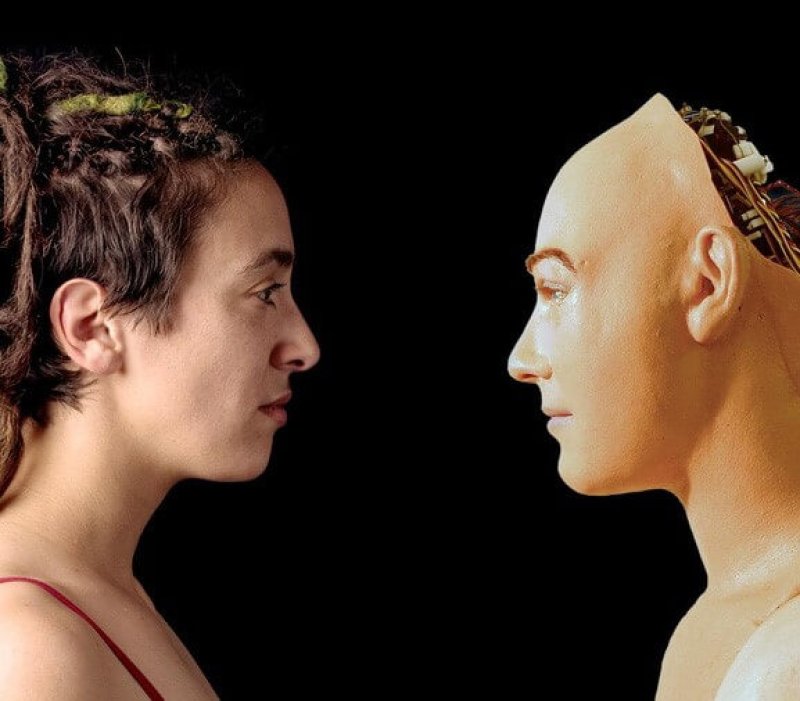
There’s an important aspect missing from all of these conversations. Ever notice that human-like dolls are creepy? As robots become more and more like us, the Uncanny Valley theory takes hold. This is the theory that the more human-like an artificial creation becomes, the more disquieted we feel, until we are utterly repulsed by it.

…

Studies have shown that they’re more relatable when they have certain, human-like qualities.  So how can we design robots that we’ll enjoy interacting with, rather than be disturbed by?

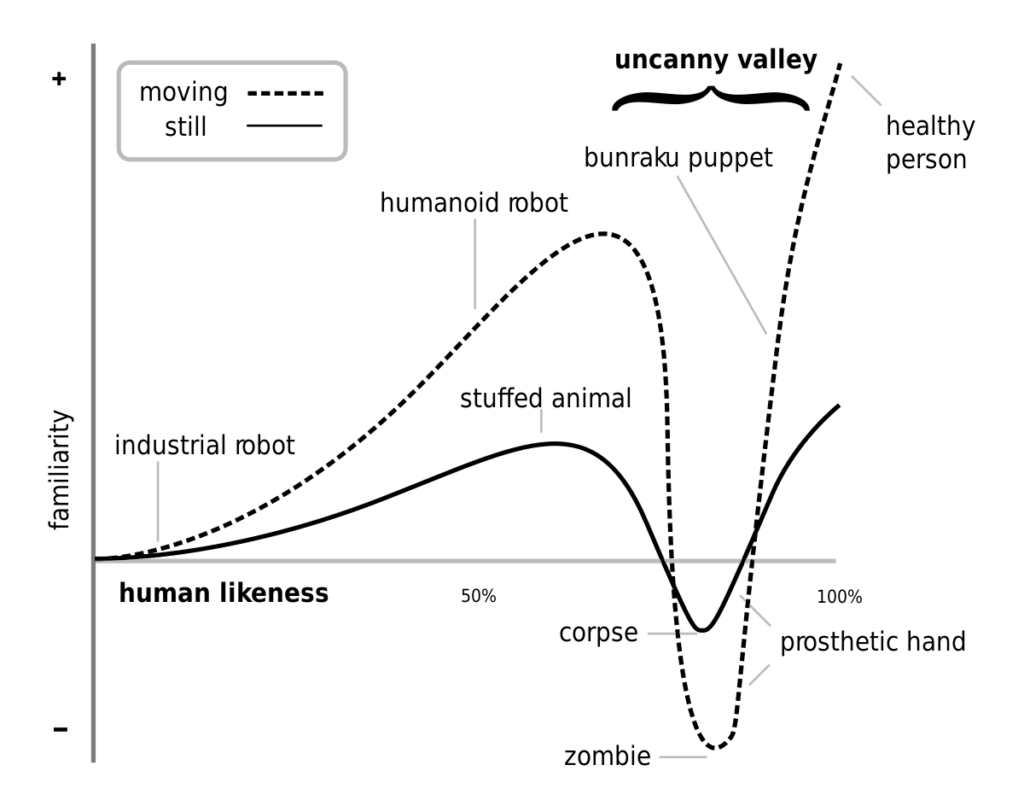
Japanese roboticist Masahiro Mori first noticed this phenomenon in 1970. He coined the phrase uncanny valley and even developed a chart for it.

px Mori Uncanny Valley svg

According to cognitive scientist Ayse Saygin of UC-San Diego, little is known about the phenomenon. “This is one of those cases where we’re at the very beginning of understanding it,” she said. “I think the key is that when you make appearances human-like, you raise expectations for the brain. When those expectations are not met, then you have the problem.”

The GLP aggregated and excerpted this blog/article to reflect the diversity of news, opinion, and analysis. Read full, original post: As Robots Become More Human-Like, We’re More Likely to Reject Them

Related Articles

Infographic: Global regulatory and health research agencies on whether glyphosate causes cancer

Infographic: Global regulatory and health research agencies on whether glyphosate causes cancer

Does glyphosate—the world's most heavily-used herbicide—pose serious harm to humans? Is it carcinogenic? Those issues are of both legal and ...

Most Popular

ChatGPT-Image-Mar-10-2026-01_39_01-PM
Viewpoint—“Miracle molecule” debunked: Why acemannan supplements don’t work
Screenshot-2026-09-17-at-1.07.08-PM
'We are dangerously addicted to antidepressants': Should we heed RFK Jr.’s sobering warning?
ChatGPT-Image-Sep-2-2026-02_03_32-PM
How much of a problem is AI’s water use?
Screenshot-2026-09-03-at-10.51.20-AM
Viewpoint: Why do online health lies outlive the evidence that debunks them? Read "Everyone Else Is Lying to You"
Screenshot-2026-09-10-at-12.20.19-PM
'Jet fuel didn't melt the steel': 9/11 conspiracy theories debunked
ChatGPT-Image-Sep-22-2026-10_32_46-AM
There has been a slew of recent reports of food recalls and foodborne outbreaks. Do we face an escalating problem?
Screenshot-2026-09-23-at-3.15.09-PM
Anti-GMO activists in Pakistan rev up their campaign of dire warnings
Screenshot-2026-09-22-at-11.40.28-AM
After Idaho criminalized abortion providers in 2022, one-third of obstetricians fled. Health care advocates are making rural health the case for repealing the ban
Screenshot-2026-09-23-at-11.55.01-AM
How can we know if social media bans actually help teens?
glp menu logo outlined

Get news on human & agricultural genetics and biotechnology delivered to your inbox.