Meet Quimera the cat—she’s no ordinary feline! You’ve probably never seen any animal quite like her. Her furry face is split down the middle between two totally different colors and she has two different-colored eyes as well.
…
So what’s behind Quimera’s two-faced look? She may be a chimera, a quirk of genetics that is exceedingly rare. As Columbia University Professor of Genetics and Development Virginia Papaioannou told the The New Republic: “A chimera … is a composite individual that was made up of cells from at least two different original embryos. If they fuse together early enough, they will become a single organism whose genetic input is from two completely different individuals. … A chimera would be a much more unusual and unlikely event.”
…
It’s unclear whether Quimera is a rare, true chimera, but she has gotten pretty famous for her mismatched face. The feline has 54,000 followers on Instagram, where she can be seen behaving like a lot of other cats.
[W]hen we talk about the autism spectrum – we are all “a bit autistic” – and we all fit somewhere along a spectrum of traits. And we know through genetic research that autism and autistic traits have been part of what makes us human for a long time. Research has shown that some key autism genes are part of a shared ape heritage, which predates the “split” that led us along a “human” path.
…
[A]ncestors with autism played an important role in their social groups through human evolution because of their unique skills and talents. Going back thousands of years, people who displayed autistic traits would not only have been accepted by their societies, but could have been highly respected.
Many people with autism have exceptional memory skills, heightened perception in realms of vision, taste and smell and in some contexts, an enhanced understanding of natural systems such as animal behaviour. And the incorporation of some of these skills into a community would have played a vital role in the development of specialists.
…
[I]t’s no wonder that including autism [in our evolutionary past] – something which is still seen as a “disorder” by some – is considered to be controversial.
The African Union Commission and the Food and Agriculture Organization (FAO), urged African governments to proactively employ science, technologies and innovations – especially biotechnologies – to address food insecurity and malnutrition challenges facing the continent.
…
“African governments should create a favourable policy environment and invest more resources in order for the region to benefit from the safe applications of proven biotechnologies so as to lift vulnerable communities out of extreme food insecurity,” [said Sacko Josefa Leonel Correa, AUC Commissioner for Department of Rural Economy and Agriculture].
FAO Assistant Director-General for the Department of Agriculture and Consumer Protection, Ren Wang, remarked, “It is imperative for Africa to make biotechnologies, knowledge and innovation available, accessible and applicable to small farmers to help them maximize their agricultural productivity while keeping the environment healthy and sustainable. FAO, AUC and partners must find the means to remove the barriers that prevent their accessibility and uptake by family farmers”.
What sounds more appealing, a serving of alfalfa sprouts with a trace of glyphosate or some fresh, organic castor beans with a touch of natural ricin? Or maybe a cup of raw, organic almonds that may have a hint of naturally occurring cyanide? Before answering, consider the potency and effects of each toxin and the quantity that ends up on your plate.
“Bad” molecules are not created equal and biological effects always come down to one factor: dosage—that’s what decides whether a compound actually produces toxic effects in the short-term, or long-term effects, such as cancer.
The example of castor beans is extreme, since ricin is one of the most potent naturally occurring poisons, but it illustrates a point. The Washington, DC-based lobbying organization known as the Environmental Working Group (EWG) highlighted a published report concerning glyphosate use, which concluded the following:
Genetically engineered herbicide-tolerant crops now account for about 56% of global glyphosate use. In the U.S., no pesticide has come remotely close to such intensive and widespread use. This is likely the case globally, but published global pesticide use data are sparse. Glyphosate will likely remain the most widely applied pesticide worldwide for years to come, and interest will grow in quantifying ecological and human health impacts. Accurate, accessible time-series data on glyphosate use will accelerate research progress.
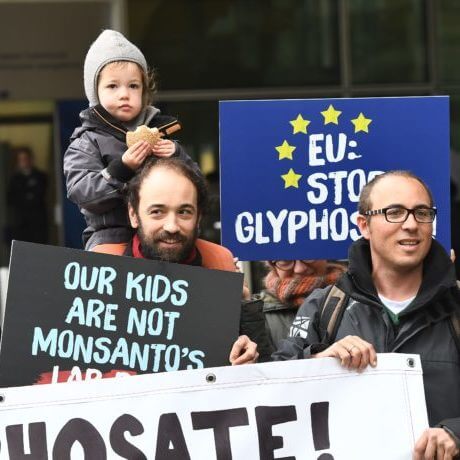
Commonly known as Roundup, glyphosate has been a target of GM critics, who have blamed the compound for a plethora of ailments, from cancer, to autism, gluten sensitivity, and ‘leaky gut’ syndrome, based mostly on correlation graphs in fringe journals. In 2015, the World Health Organization’s International Agency for Research on Cancer (IARC) classified glyphosate as “probably carcinogenic”, but various scientific and professional organizations have questioned the quality of the studies that IARC had used in its evaluation. In October 2015, the United States Environmental Protection Agency (EPA) criticized IARC for using incomplete data, and concluded that glyphosate is safe the way it is currently used.
Glyphosate is an inhibitor of the enzyme 5-enolpyruvyl-shikimate synthase (EPSPS). Plants and some microorganisms use EPSPS in the synthesis of the aromatic amino acids: tryptophan, phenylalanine, and tyrosine. Animals don’t have EPSPS, which is why tryptophan and phenylalanine are essential (we need them in the diet) for us (tyrosine is not essential, because we can make it from phenylalanine). But the lack of EPSPS also means that glyphosate does not interfere with protein synthesis in our cells, and this specificity is what makes glyphosate useful as an herbicide.
As for concerns that glyphosate could have more chronic effects by affecting EPSPS in gut bacteria, or affecting human cells through other mechanisms of action, this has to be considered in terms of quantities of the herbicide that actually ends up on people’s plates. The EWG article correctly reports that usage of glyphosate has increased substantially, but the Environmental Projection Agency (EPA) has set limits—limits that err on the side of safety (one tenth the quantity of a harmful dose of a substance is permitted).
It may be significant therefore that EWG has ranked several foods in terms of being dirty, or contaminated, with pesticides as follows: Strawberries, Apples, Nectarines, Peaches, Celery, Grapes, Cherries, Spinach, Tomatoes, Bell Peppers, Cherry Tomatoes and Spinach.
Apparently, the ranking is based on concentrations of pesticides detected in these crops, strawberries having the most—as if to imply that more is worse and less is better. In fact, more of a toxic agent IS worse than less—but only the levels being compared are above the threshold of toxicity, which was not the case here. In 2014, in its Pesticide Data Program (PDP), the EPA tested all of the dozen products on EWG’s dirty list. The U.S. Department of Agriculture’s (USDA) Agricultural Marketing Service (AMS) Deputy Administrator, Dr. Ruihong Guo, explained the results:
Each year, the Pesticide Data Program uses rigorous sampling and the most current laboratory methods to test a wide variety of domestic and imported foods. Again, the resulting data in this year’s report give consumers confidence that the products they buy for their families are safe and wholesome.
The 2014 PDP Annual Summary shows that over 99 percent of the products sampled through PDP had residues below the EPA tolerances. Residues exceeding the tolerance were detected in 0.36 percent of the samples tested.
This work covered all 12 of the so-called “dirty dozen”, suggesting there’s no need to worry about residues of pesticides of any kind in strawberries. Interestingly, the EWG article admits that “you can definitely remove a substantial amount of those surface pesticides through careful washing and light scrubbing”. But, washing aside, does this reasoning on residue levels also apply specifically to glyphosate? One perspective on this comes from looking at how an analysis of glyphosate in wine was handled by one organization.
Sobering or drunken perspectives?
The activist organization Moms Across America organized testing of products, including wine, for evidence that they contain glyphosate. For glyphosate, EPA limit comes out as a certain number or parts per million (ppm). How does this compare with the Moms Across America findings? It turns out that it differs by three orders of magnitude; the brand of wine with the highest levels was a certain 2013 batch of conventional Cabernet Sauvignon, showing glyphosate levels of 18.74 parts per BILLION (ppb).
Now, this was roughly 28 times the level found in a certain brand of organic wine—a difference that the Moms Across America Report placed at center stage, implying that perhaps the organic wine must be less toxic. That might be logical if only the 18.74 ppb level were anything close to the danger level, but the danger level is thousands of times higher, so the factor of 28 between the two brands is not meaningful. Based on these results, when it comes to glyphosate, all of the wines were found to be safe. Unless one drinks an enormous amount of wine—many thousands of bottles—glyphosate is not a health concern, and drinking wine in such quantities raises the issue of toxicity from another chemical, namely alcohol. Wine from any grapes—organically or conventionally grown—is not as toxic as castor beans or raw almonds that have generated significant cyanide levels, but it’s somewhat toxic, and it’s major toxin, alcohol, may not be something that opponents of GM-grapes would like to see drop down to lower levels.
Quite different from glyphosate, alcohol in quantifies that many human beings ingest regularly, has incontrovertible negative effects on human health, including liver disease, heart disease, and several cancers. With respect to the latter disease category, estimates based on studies to date are that 5.8 percent of all cancer deaths are attributable to alcohol, which raises the question of what activist groups will choose as the next product to test for dangerous levels of glyphosate –tobacco perhaps?
David Warmflash is an astrobiologist, physician and science writer. BIO. Follow him on Twitter @CosmicEvolution.
[A]lthough [CRISPR] technology reliably finds and cuts the targeted stretch of DNA sequence, fixing that cut as desired has been something of a hit-or-miss process. Error rates as high as 50 percent are a particular problem when the goal is to correct typos in the DNA that cause genetic disease.
Now, a team of researchers led by Krishanu Saha, a professor of biomedical engineering at the University of Wisconsin–Madison, has made the fix less error-prone and published its approach [November 23] in the journal Nature Communications.
Compared to standard CRISPR technology, the new method improves the likelihood of rewriting the DNA sequence exactly as desired by a factor of 10. The researchers achieved this much greater precision by taking advantage of a molecular glue, called an RNA aptamer, to assemble and deliver a complete CRISPR repair kit to the site of the DNA cut.
…
The new method has several other advantages over current technology. First, the off-the-shelf kit contains only non-viral reagents, which simplifies the manufacturing process and reduces safety concerns for clinical applications of genetic surgery in the future. Second, attaching an RNA aptamer to the kit is much easier than modifying the Cas9 protein and provides greater flexibility.
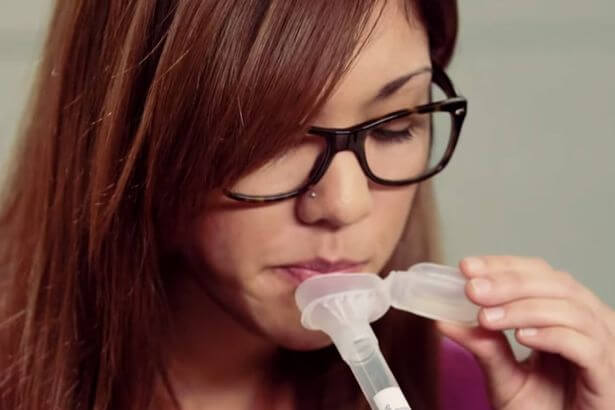
Every so often, someone asks me which [genetics] test I recommend. And my answer boils down to one question: What do you want to get out of the test? Let’s compare three direct-to-consumer tests: AncestryDNA, 23andMe, and National Geographic’s Geno 2.0 test.
…
If you’re looking at this test as a science experiment, using it as a way to get involved in research, or viewing it as a chance to learn about your genetic health risks, then [23andMe’s test] is a fit for you.
…
If the idea of tracing your family tree through the generations and connecting with distant relatives gets you excited — but you’re less interested in health information — [AncestryDNA is] the test for you.
…
For what you get, the [Geno 2.0] doesn’t have nearly the range that other ancestry tests have. And when not on sale, it’s more expensive. National Geographic, however, says the revenue funds nonprofit “conservation, exploration, research, and education” efforts.
…
Each company has its own methods, algorithms, and data, which is why the reports differ. Because the three main direct-to-consumer genetics tests are around the same price, you should go with the one that will answer your most pressing questions.
If Paris and Rome carry through with their plans to ban glyphosate, a small group of French, Italian and Belgian chemical companies are poised to reap the benefits.
…
French President Emmanuel Macron’s promise to outlaw glyphosate in France as soon as “alternatives are found” wasn’t fueled by blind faith. After all, he and Italian Prime Minister Paolo Gentiloni can’t risk infuriating powerful agricultural constituencies that see weedkillers as vital for growing everything from barley to carrots.
In fact, both France and Italy have a Plan B: a more natural product that threatens to oust Monsanto’s ubiquitous glyphosate-based herbicide Roundup from its dominant position in European agriculture.
Government officials and executives from chemical companies said a Belgian-French-Italian collaboration in the works since 2015 aims to dethrone the Missouri-based agrochemical giant.
The intense, drawn-out political debate over whether glyphosate is harmful to people and the environment has largely obscured behind-the-scenes maneuvering by chemical companies vying for a foothold in the multi-billion euro pesticide business.
Europe’s alternative to glyphosate is based on pelargonic acid, a naturally occurring chemical found in a host of plants, thistles in particular.
Meet Quimera the cat—she’s no ordinary feline! You’ve probably never seen any animal quite like her. Her furry face is split down the middle between two totally different colors and she has two different-colored eyes as well.
…
So what’s behind Quimera’s two-faced look? She may be a chimera, a quirk of genetics that is exceedingly rare. As Columbia University Professor of Genetics and Development Virginia Papaioannou told the The New Republic: “A chimera … is a composite individual that was made up of cells from at least two different original embryos. If they fuse together early enough, they will become a single organism whose genetic input is from two completely different individuals. … A chimera would be a much more unusual and unlikely event.”
…
It’s unclear whether Quimera is a rare, true chimera, but she has gotten pretty famous for her mismatched face. The feline has 54,000 followers on Instagram, where she can be seen behaving like a lot of other cats.
Popular perceptions of endogamy can often evoke jokes of “kissing cousins” and tales of children born with debilitating, mysterious diseases. But in many parts of the world, endogamy (intermarriage, usually of cousins but sometimes uncles/aunts and nieces/nephews) is still practiced and may even provide a defense against certain diseases, while increasing the risks of others.
In today’s societies, the introduction of sophisticated genetic screening, increased urbanization and migration, and the spread of more complex diseases are also making the medical effects of endogamy a little more murky.
Some of the highest endogamy rates are seen in Saudi Arabia, Qatar, and other countries on the Arabian Peninsula, with about half of all marriages there happening between first cousins. Partly due to this, and partly due to a strong interest in genetic technology in the wealthier countries on the peninsula, genetic sequencing services are widely available (and quite sophisticated). In Qatar, for example, premarital genetic screening is mandatory for all couples. The country cites an intermarriage rate of 54 percent, up 30 percent over a generation. The genetic screens look for risks of a number of disorders including, sickle cell anemia, cystic fibrosis, spinal muscular atrophy, mental retardation, epilepsy, and Down syndrome, which can occur at rates 20 times higher than in a less endogamous population.
Ashkenazi Jews, which make up eight million of the 12 million Jews in the world, also practice endogamy and also have higher incidences of a number of genetic diseases including sickle cell anemia and Tay-Sachs disease. But, as Jon Entine points out in his bookAbraham’s Children: Race, Identity and the DNA of the Chosen People, a number of researchers suggest that carriers of these disorders may exhibit resistance to certain diseases, thus conferring an evolutionary advantage. For sickle cell, having the disease can be debilitating (and sometimes deadly) but carriers of the genetic trait have greater protection against the malaria parasite. Even Tay-Sachs may provide some protection against tuberculosis. And geneticist Gregory Cochran, along with other scientists, has proposed a theory that selective factors that raised IQs among Ashkenazi Jews may also have raised the risks (through the same genetic mutations) of nervous system and brain disorders.
Southern India is another part of the world with high endogamy marriage rates. There, the caste system enforces a number of rules about who can marry whom, and couples are strongly encouraged to marry within a caste. These endogamous practices have had some effects on health and disease contributing to a number of population- and region-specific diseases, including Madras motor neuron disease, Handigodu disease, and pseudocholinesterase deficiency. In addition, a number of Indian ethnic groups have selected for MSTN and DOK5 genes, which affect lipid metabolism and could have an effect on the incidence of type 2 diabetes.
Charles Darwin
While high levels of intermarriage are typically not seen in modern Europe and the United States, they have historically been a part of those cultures, too. Charles Darwin, who was married to his first cousin Emma Wedgwood, raised concerns about cousin-cousin marriage. Of their 10 children, three died. One of the Darwin children went on to study first cousin marriage and concluded that:
The widely different habits of the life of men and women in civilized nations, especially among the upper classes, would tend to counterbalance any evil from marriages between healthy and somewhat closely related persons.
While this statement has, what today would be, highly racist overtones, the younger Darwin was onto something.
Types of endogamy
Endogamy has been a powerful cultural tool. It helps set our identity and can determine where we fit into society. So, in many societies, anthropologists and others have noticed a balance between the cultural glue of marriage among relatives and the health risks caused by those marriages. But how do these risks arise?
There are two ways this can happen. One is the Founder Effect, which occurs when a group of people trace their heritage back to a very small group of founding members. If one or more of those members carry a mutation, it can easily be disseminated through successive generations if they marry closer relatives. The other way is genetic drift, in which an individual randomly picks up a mutation and that mutation is carried on through subsequent generations. If these mutations include a variation underlying a disease, then that disease can be seen at higher rates in these populations. In particular, we see higher incidences of autosomal recessive traits, like sickle cell.
Modern life and modern screening
As mentioned above, Arab countries (the wealthier ones, anyway) have turned to genetic screening as a way to detect risks of the diseases that can arise from endogamy. Even if a pregnancy is not terminated, there are many ways today to reduce some of the severe effects of these disorders.
A number of modern diseases, like diabetes, heart disease and cancer, may not be correlated with endogamy and therefore would not likely be seen in higher numbers among societies that permitted (or enforced) close marriages.
Also, urban life may be changing the face of endogamy. Changes in education (especially among girls and women), better hygiene, and the availability of health services may be having an effect on the risks of endogamy-based diseases. A number of studies have shown that these factors may reduce the number of consanguineous marriages over time and may themselves decrease the risk of childhood mortality.
Andrew Porterfield is a writer and editor, and has worked with numerous academic institutions, companies and non-profits in the life sciences. BIO. Follow him on Twitter @AMPorterfield.
South Australia’s farmers are unlikely to have access to genetically modified (GM) crops until at least 2025 after a bill to extend the moratorium on GM crops, put forward by the Greens, passed the SA Upper House by a single vote….
It is expected proponents of the ban will now have enough numbers to get a similar motion through the Lower House, which will see a six year extension of the GM moratorium, meaning South Australia will continue to be the only mainland state that bans the use of GM crops.
South Australia’s grains industry leaders are furious at the decision.
“This is an unmitigated disaster for South Australian agriculture and grain growers,” said Wade Dabinett, Grain Producers South Australia.
“We have had this moratorium in place for ten years – how is it that we have a piece of policy in place where there has not been one piece of work done that provides data to justify why it should be in place,” Mr Dabinett said.
“Other Government bodies, such as the Productivity Commission have said the moratorium need to go, citing a number of factors, yet the SA Government has moved to extend the moratorium.”
Why do they do it? This is a question that friends and families often ask of those who are addicted.
It’s difficult to explain how drug addiction develops over time. To many, it looks like the constant search for pleasure. But the pleasure derived from opioids like heroin or stimulants like cocaine declines with repeated use. What’s more, some addictive drugs, like nicotine, fail to produce any noticeable euphoria in regular users.
So what does explain the persistence of addiction? As an addiction researcher for the past 15 years, I look to the brain to understand how recreational use becomes compulsive, prompting people like you and me to make bad choices.
Myths about addiction
There are two popular explanations for addiction, neither of which holds up to scrutiny.
The first is that compulsive drug taking is a bad habit – one that addicts just need to “kick.”
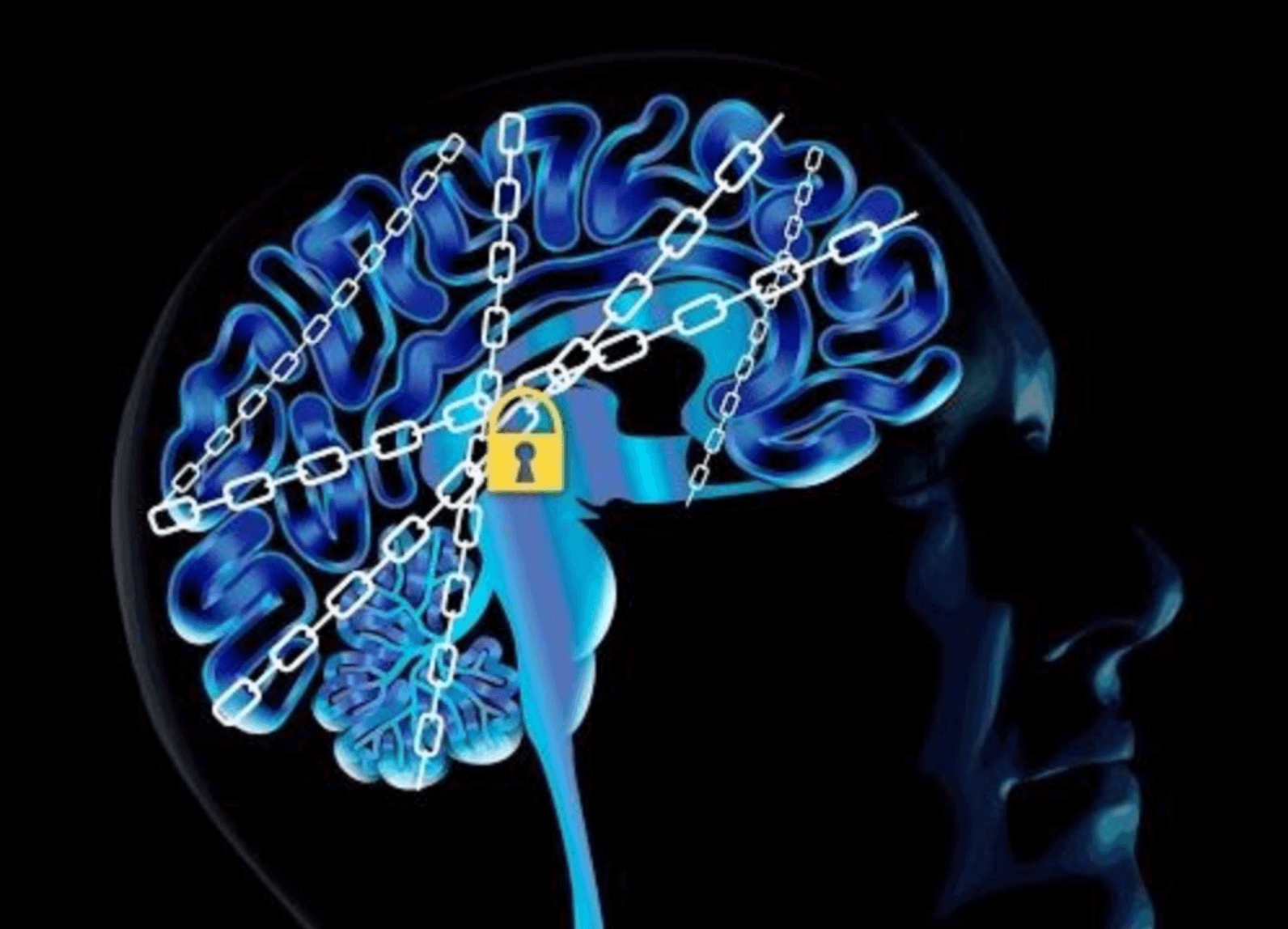
However, to the brain, a habit is nothing more than our ability to carry out repetitive tasks – like tying our shoelaces or brushing our teeth – more and more efficiently. People don’t typically get caught up in an endless and compulsive cycle of shoelace tying.
Another theory claims that overcoming withdrawal is too tough for many addicts. Withdrawal, the highly unpleasant feeling that occurs when the drug leaves your body, can include sweats, chills, anxiety and heart palpitations. For certain drugs, such as alcohol, withdrawal comes with a risk of death if not properly managed.
The painful symptoms of withdrawal are frequently cited as the reason addiction seems inescapable. However, even for heroin, withdrawal symptoms mostly subside after about two weeks. Plus, many addictive drugs produce varying and sometimes only mild withdrawal symptoms.
This is not to say that pleasure, habits or withdrawal are not involved in addiction. But we must ask whether they are necessary components of addiction – or whether addiction would persist even in their absence.
Pleasure versus desire
In the 1980s, researchers made a surprising discovery. Food, sex and drugs all appeared to cause dopamine to be released in certain areas of the brain, such as the nucleus accumbens.
This suggested to many in the scientific community that these areas were the brain’s pleasure centers and that dopamine was our own internal pleasure neurotransmitter. However, this idea has since been debunked. The brain does have pleasure centers, but they are not modulated by dopamine.
So what’s going on? It turns out that, in the brain, “liking” something and “wanting” something are two separate psychological experiences. “Liking” refers to the spontaneous delight one might experience eating a chocolate chip cookie. “Wanting” is our grumbling desire when we eye the plate of cookies in the center of the table during a meeting.
Dopamine is responsible for “wanting” – not for “liking.” For example, in one study, researchers observed rats that could not produce dopamine in their brains. These rats lost the urge to eat but still had pleasurable facial reactions when food was placed in their mouths.
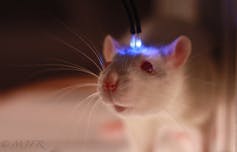
Rat receiving optogenetic stimulation of the brain using laser light to produce focused and compulsive reward-seeking. Mike Robinson, Author provided (No reuse)
All drugs of abuse trigger a surge of dopamine – a rush of “wanting” – in the brain. This makes us crave more drugs. With repeated drug use, the “wanting” grows, while our “liking” of the drug appears to stagnate or even decrease, a phenomenon known as tolerance.
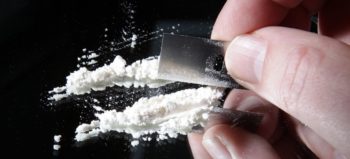
In my own research, we looked at a small subregion of the amygdala, an almond-shaped brain structure best known for its role in fear and emotion. We found that activating this area makes rats more likely to show addictive-like behaviors: narrowing their focus, rapidly escalating their cocaine intake and even compulsively nibbling at a cocaine port. This subregion may be involved in excessive “wanting,” in humans, too, influencing us to make risky choices.
Involuntary addicts
The recent opioid epidemic has produced what we might call “involuntary” addicts. Opioids – such as oxycodone, percocet, vicodin or fentanyl – are very effective at managing otherwise intractable pain. Yet they also produce surges in dopamine release.
Most individuals begin taking prescription opioids not for pleasure but rather from a need to manage their pain, often on the recommendation of a doctor. Any pleasure they may experience is rooted in the relief from pain.
However, over time, users tend to develop a tolerance. The drug becomes less and less effective, and they need larger doses of the drug to control pain. This exposes people to large surges of dopamine in the brain. As the pain subsides, they find themselves inexplicably hooked on a drug and compelled to take more.
The result of this regular intake of large amounts of drug is a hyperreactive “wanting” system. A sensitized “wanting” system triggers intense bouts of craving whenever in the presence of the drug or exposed to drug cues. These cues can include drug paraphernalia, negative emotions such as stress or even specific people and places. Drug cues are one of an addict’s biggest challenges.
These changes in the brain can be long-lasting, if not permanent. Some individuals seem to be more likely to undergo these changes. Research suggests that genetic factors may predispose certain individuals, which explains why a family history of addiction leads to increased risk. Early life stressors, such as childhood adversity or physical abuse, also seem to put people at more risk.
Addiction and choice
Many of us regularly indulge in drugs of abuse, such as alcohol or nicotine. We may even occasionally overindulge. But, in most cases, this doesn’t qualify as addiction. This is, in part, because we manage to regain balance and choose alternative rewards like spending time with family or enjoyable drug-free hobbies.
However, for those susceptible to excessive “wanting,” it may be difficult to maintain that balance. Once researchers figure out what makes an individual susceptible to developing a hyperreactive “wanting” system, we can help doctors better manage the risk of exposing a patient to drugs with such potent addictive potential.
In the meantime, many of us should reframe how we think about addiction. Our lack of understanding of what predicts the risk of addiction means that it could just as easily have affected you or me. In many cases, the individual suffering from addiction doesn’t lack the willpower to quit drugs. They know and see the pain and suffering that it creates around them. Addiction simply creates a craving that’s often stronger than any one person could overcome alone.
That’s why people battling addiction deserve our support and compassion, rather than the distrust and exclusion that our society too often provides.
Mike Robinson is an assistant professor of psychology at Wesleyan University. His research focuses on conditions and brain structures that exacerbate reward and the motivational value attributed to a cue, particularly in the context of addiction, craving and relapse. He also focuses on how excessive desire may impact risky decision-making.
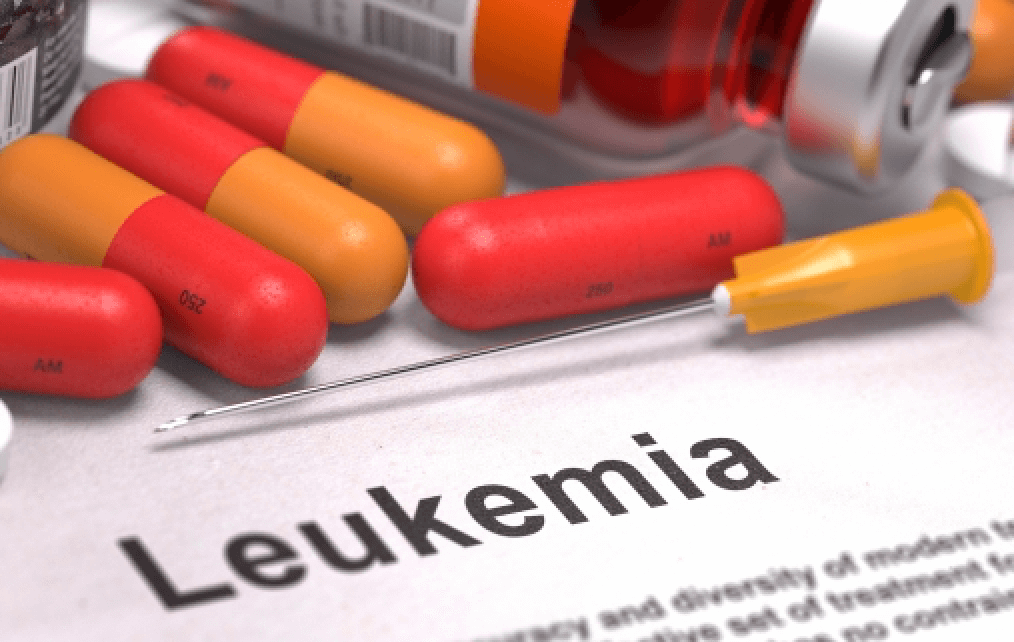
More than a year after five leukemia patients died from an experimental treatment involving genetically engineered immune cells, its developer believes it has a better handle on what went wrong—and possibly how to prevent a repeat of the tragedy. Juno Therapeutics, based in Seattle, Washington, last week presented the most comprehensive public results so far from its internal investigation, concluding that individual patient characteristics and “product variability” made for a lethal combination that led to fatal brain swelling. The company says it is now using insights from its analysis to inform work on a modified cell treatment that is in early-stage clinical trials.
…
Several study participants experienced severe neurologic toxicity, akin to what has happened in other trials of CAR-T cells, but five young adults also succumbed to the cerebral edema. Autopsies of two of these patients revealed a complete breakdown of the blood-brain barrier, a membranous wall that largely separates the content of blood from the central nervous system to protect the brain.
…
Sadly, fatalities are always a risk when developing therapies for advanced cancers, [oncologist Stephen] Gottschalk says. “This expectation that you can develop therapies for life-threatening diseases [without deaths] is rather naïve,” he says.
Two hepatitis B virus vaccines are currently on the market. Earlier this month, however, the Food and Drug Administration licensed another hepatitis B vaccine. This new vaccine employs a unique strategy: fighting the hepatitis B virus with … bacterial DNA.
…
It’s identical to the two existing hepatitis B vaccines—which have been available since the 1990s—in that it contains 20 micrograms of a protein that is located on the surface of the virus. But unlike these other hepatitis B vaccines, the new vaccine also contains 3 milligrams of repeated linkages of cytosine and guanine—a molecular pattern unique to bacterial DNA called CpG oligonucleotides. It’s the first time this immune-boosting product has been used in a vaccine.
…
The FDA licensed this novel hepatitis B vaccine for people older than 18 years of age in certain high-risk groups like household contacts of someone who is infected, injection drug users, healthcare workers, or people with HIV, diabetes, or chronic lung or kidney diseases.
…
Ironically, the best way to address the problems with the hepatitis B vaccine—as well as with any strategy necessitating the induction of long-lasting, specific immunity—might be to solicit the help of a part of our immune system that is designed to respond to something entirely different.
European Union countries found themselves at odds on Monday [Nov. 27] over weed killer. After a long deadlock over renewing the license for pesticide glyphosate—and despite 1.3 million Europeans signing a petition to ban it—Germany cast the deciding vote, allowing it be licensed for another five years. France, Italy, Austria, and Belgium were all against it.
In Germany, the Social Democrats—totally against the use of glyphosate—were furious with Angela Merkel’s Christian Democrats. They accused the German agriculture minister Christian Schmidt, who cast the deciding “yes” vote in Brussels, of going back on what they had agreed.
This is bad news for Merkel, considering Germany still doesn’t have a government and these two parties—currently in a caretaker government together—are at the very early stages of thinking about forming a coalition again.
The German chancellor in turn is vexed with Schmidt for okaying the pesticide-license off his own bat —and rebuked him Tuesday, saying: “Schmidt’s decision went against agreements we have made in government—these also apply to the current caretaker government.”
[Editor’s note: Alison Bernstein, Anastasia Bodnar, Jenny Splitter, Kavin Senapathy, Layla Katiraee, and Natalie Newell are part of a group called Science Moms that recently released a film highlighting the scientific consensus on GMOs.]
We were recently taken aback to discover that former Reuter’s reporter, Carey Gillam, who now works for the U.S. Right to Know, an organization funded by the Organic Consumer Association and other organic companies and advocacy groups, published a book in which our efforts are mentioned. In it, she states, with no evidence at hand and no citation to provide, that we have ties to Monsanto.
The truth is that the movie was crowdfunded and Natalie has generously put in hundreds of hours of her own time. The truth is that while all of us know folks who work in agricultural biotech, none of us are funded by such companies. The truth is that all of us have been critical of agricultural biotech at some point or another, and will continue to be critical (see here, here, here, or here). The truth is that we all believe in the relative safety of vaccines and genetically modified crops, and the looming perils of global warming.
These empty “shillcusations” are built on the idea that under no circumstances could a woman be inspired to take action of her own accord, or be driven by her own passion to see a project come to fruition using her own ingenuity and resourcefulness.
The GLP aggregated and excerpted this article to reflect the diversity of news, opinion and analysis. Read full, original post: On Shill Accusations and Misogyny
Using the CRISPR–Cas9 system, scientists can do much more than gene editing—they can boost gene transcription or use fluorescent proteins to paint and track a chromosome. In this Nature Video animation, several innovative uses for CRISPR are outlined and explained.
…
The CRISPR-Cas9 system has fundamentally changed the way scientists can edit genes. From turning gene expression on and off to fluorescently tagging of particular sequences, this animation explores some of the exciting possibilities of CRISPR.
The GLP aggregated and excerpted this blog/article to reflect the diversity of news, opinion, and analysis. Read full, original post:Using CRISPR to Do More Than Cut
[Editor’s note: Cécile Philippe is an economist and Director-General of the Molinari Economic Institute.]
In France, a glyphosate ban for personal usage is planned from 1 January 2019 and the government may decide to ban it for all uses.
…
Like nuclear, is it possible and above all reasonable to remove glyphosate in such a short period of time?
…
[Environment Minister] Nicolas Hulot announced at the beginning of November that the objective of reducing the share of nuclear energy to 50% of electricity production would be postponed.
…
Undoubtedly, taking on the role of Minister forced Nicolas Hulot to take into account broader considerations.
Considerations like the absence of substitutes in the short term, the continued innovation and advancements in nuclear safety, and the impossibility of finding the perfect energy source.
It seems sensible to me that he adopts this same principle of realism when it comes to glyphosate. Because the questions that arise for glyphosate are the same as those that arise for nuclear, or for any other complex technology:
What advantages does the product in question provide and at what price? Can we do without it? Are there substitutes? Do they offer superior comparative advantages?
Cassava and sweet potatoes. Lablab beans and water berries. Bitter gourds and sickle sennas. Elephant ears and African locusts. … All … are standard fare in various parts of Africa. What they also have in common is that they are, from the point of view of plant breeders, orphans. They are neglected by breeders because they are not cash crops. Conversely, they are not cash crops because they are neglected by breeders.
That neglect matters. The cereals which dominate human diets—rice, wheat and maize—have had their yields and nutritional values boosted over the years by scientific breeding programmes. … Orphan crops have yet to undergo such a genetic revolution.
…
One way to reduce stunting would be to improve the crops that Africans, particularly those in the countryside, actually eat—in other words, orphan crops. Such improvement is the purpose of two recent, interrelated projects that are now getting into their strides.
…
So far, [African Orphan Crops Consortium] researchers have fully sequenced the genomes of ten of their targets. They have partially sequenced those of 27 others.
…
If some of Africa’s orphan crops, suitably improved by genetic knowledge, were to follow suit, the benefits to African farmers would be huge.
Food made from genetically modified crops will continue to be banned in the UK after Britain leaves the European Union, Michael Gove has suggested.
The Environment secretary’s admission could damage Britain’s attempts to negotiate a trade deal outside of the EU because the US is expected to push for more GM-based foods to be sold in the UK.
Britain is under intense pressure from the US to drop the EU’s ban on GM foods after Brexit to help speed a trade deal with the US.
However the EU has insisted that food standards will not be compromised if the UK and the EU are to agree a trade deal after Britain leaves the EU in March 2019.
Over the past two decades European Union scientists have passed 40 crops as safe; yet only one – a GM version of maize – is grown in Spain as animal feed.



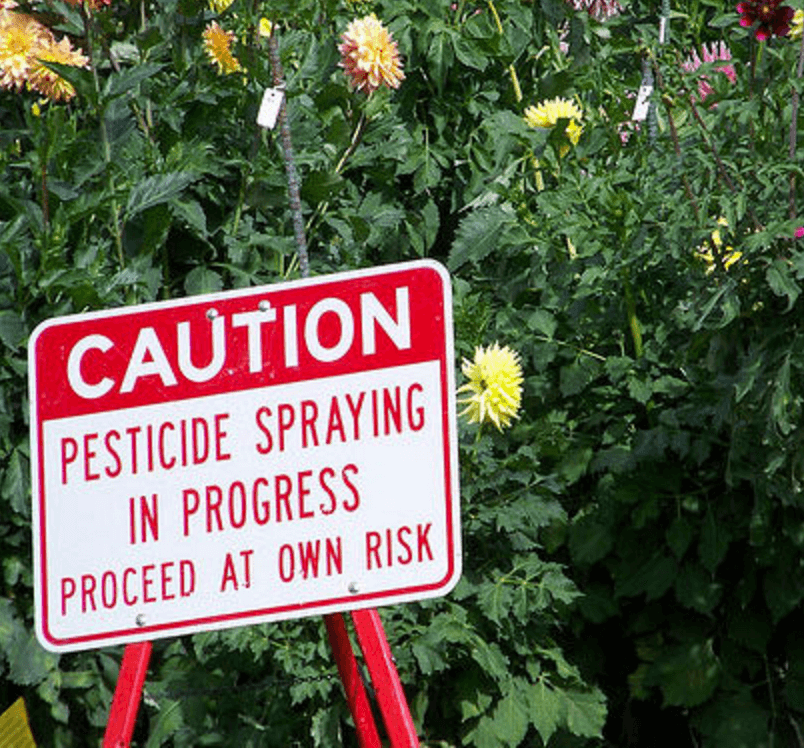
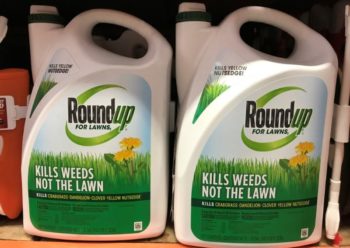 Commonly known as Roundup, glyphosate has been a target of GM critics, who have blamed the compound for a plethora of ailments, from cancer, to autism, gluten sensitivity, and ‘leaky gut’ syndrome, based mostly on correlation graphs in fringe journals. In 2015, the World Health Organization’s International Agency for Research on Cancer (IARC) classified glyphosate as “probably carcinogenic”, but various scientific and professional organizations have questioned the quality of the studies that IARC had used in its evaluation. In October 2015, the United States Environmental Protection Agency (EPA) criticized IARC for using incomplete data, and concluded that glyphosate is safe the way it is currently used.
 Apparently, the ranking is based on concentrations of pesticides detected in these crops, strawberries having the most—as if to imply that more is worse and less is better. In fact, more of a toxic agent IS worse than less—but only the levels being compared are above the threshold of toxicity, which was not the case here. In 2014, in its Pesticide Data Program (PDP), the EPA tested all of the dozen products on EWG’s dirty list. The U.S. Department of Agriculture’s (USDA) Agricultural Marketing Service (AMS) Deputy Administrator, Dr. Ruihong Guo,
  Now, this was roughly 28 times the level found in a certain brand of organic wine—a difference that the Moms Across America Report placed at center stage, implying that perhaps the organic wine must be less toxic. That might be logical if only the 18.74 ppb level were anything close to the danger level, but the danger level is thousands of times higher, so the factor of 28 between the two brands is not meaningful. Based on these results, when it comes to glyphosate, all of the wines were found to be safe. Unless one drinks an enormous amount of wine—many thousands of bottles—glyphosate is not a health concern, and drinking wine in such quantities raises the issue of toxicity from another chemical, namely alcohol. Wine from any grapes—organically or conventionally grown—is not as toxic as castor beans or raw almonds that have generated significant cyanide levels, but it’s somewhat toxic, and it’s major toxin, alcohol, may not be something that opponents of GM-grapes would like to see drop down to lower levels.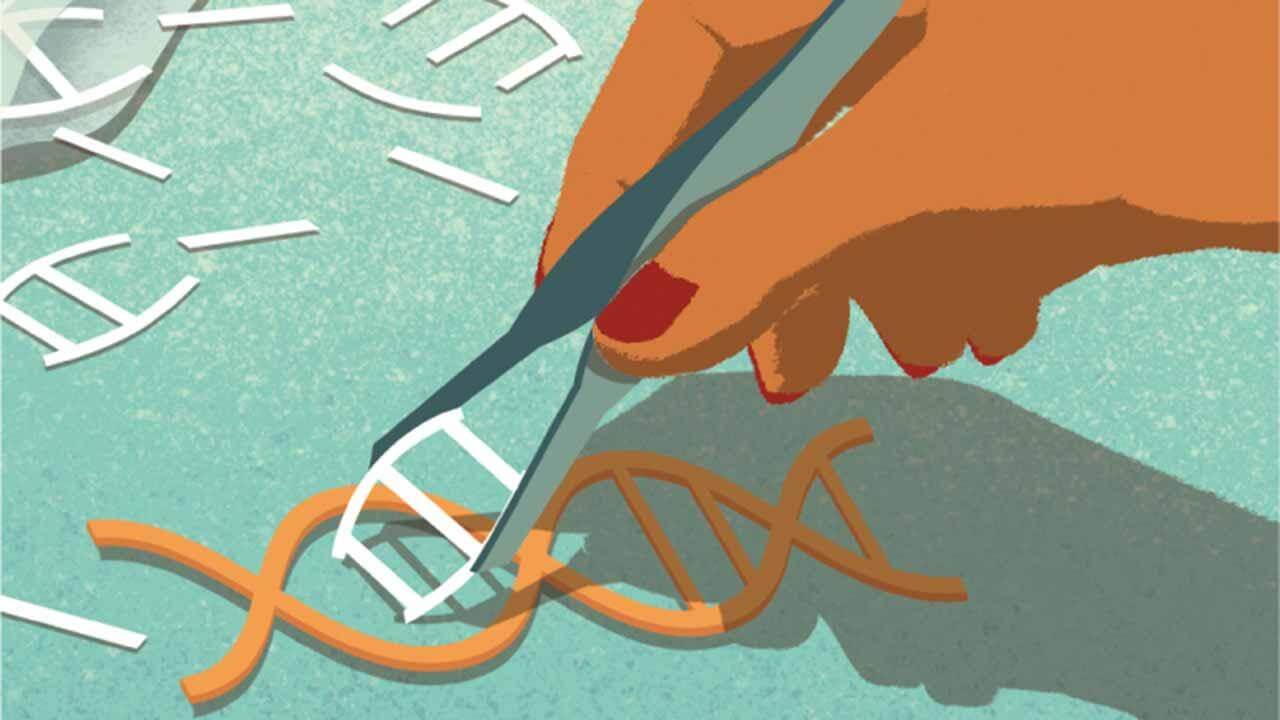

 Ashkenazi Jews, which make up eight million of the 12 million Jews in the world, also practice endogamy and also have higher incidences of a number of genetic diseases including sickle cell anemia and Tay-Sachs disease. But, as Jon Entine points out

 However, to the brain, a habit is nothing more than our ability to carry out repetitive tasks – like tying our shoelaces or brushing our teeth – more and more efficiently. People don’t typically get caught up in an endless and compulsive cycle of shoelace tying.