APHIS [Animal and Plant Health Inspection Service] received a petition from the Scotts Company of Marysville, OH, and Monsanto Company of St. Louis, MO (Scotts/Monsanto), seeking a determination of nonregulated status of creeping bentgrass (Agrostis stolonifera L.) designated as event ASR368, which has been genetically engineered for resistance to the herbicide glyphosate. The Scotts/Monsanto petition states that information collected during field trials and laboratory analyses indicates that ASR368 bentgrass is not likely to be a plant pest and therefore should not be a regulated article under APHIS’ regulations in 7 CFR part 340.
. . . .
Based on APHIS’ analysis of field and laboratory data submitted by Scotts/Monsanto, references provided in the petitions, peer-reviewed publications, information analyzed in the EIS, the PPRA, comments provided by the public, and APHIS’ evaluation of and response to those comments, APHIS has determined that is unlikely to pose a plant pest risk. Accordingly, the petition requesting a determination of nonregulated status is approved and ASR368 bentgrass is no longer subject to our regulations governing the introduction of certain genetically engineered organisms and to the plant pest provisions of the Plant Protection Act.
In most regions of the world, row-crop farming is primarily conducted in [large] fields, but knowledge of processes and management recommendations are typically based on research in [small] experimental plots. This scale mismatch has long raised questions about inferences that are made from plot-scale experiments to entire fields or farms
Experimental-scale–related yield gaps for organic grain crops can be especially substantial. Recent meta-analyses of plot-scale studies suggest organic yield penalties of 20–25% on average, although possibly as low as 8%. Farmer surveys, on the other hand, report organic grain yield penalties of 27–34%.
…
[Key highlights]
The corn yield under conventional management was almost twice that in the organic management when precipitation levels exceeded 500 mm.
Conventional management was more resilient to field-scale challenges than alternative practices, which were more dependent on timely management interventions; in particular, mechanical weed control.
Corn yields in the field-scale experiment Bio [organic] treatment were >45% lower than in Conv [conventional] management, and wheat Bio yields were >30% lower than in Conv management
[S]oybean [organic] yield reductions were 55%, 27%, and 88% in 2010, 2011, and 2012, respectively.
[O]rganic performance in developing countries to be even more challenged than in developed countries (43% yield penalties for developing vs. 20% for developed countries). Our findings suggest that this difference will be still greater at the farm scale, emphasizing the special need in developing countries to create technologies that are less time-sensitive and make efficient use of labor. This will be especially important where reduced-input farming is pursued out of necessity rather than choice, for example, in sub-Saharan Africa.
After a recent initiatives to grow more resilient GM potatoes, the Bangladesh Fruits, Vegetable and Allied Products Exporters’ Association worry that exports from Bangladesh may face a huge setback if the government goes along with the plan.
“Cultivating GM potatoes will definitely hamper potato export as many countries, including Russia, do not import GMO [genetically modified organism] foods,” said Mohammad Monsur, general secretary of Bangladesh Fruits, Vegetables and Allied Products Exporters’ Association.
According to the Export Promotion Bureau, potato export has been declining as one of the country’s major buyers, Russia, stopped importing potatoes from Bangladesh two years ago, due to the presence of brown rot disease in the produce.
Bangladesh is a potato-surplus country which relies hugely on export to protect farmers’ interests.
The sounds of the Stone Age may have been even less dignified than we thought. A vocal expert working with the BBC suggests that Neanderthal vocalizations may have sounded less like low grunts and more like high-pitched shrieks.
…
[The vocal expert, Patsy Rodenburg,] concluded that the shape of the throat, combined with the dimensions of the Neanderthal’s skull and chest, would have produced some very unusual (and “very, very loud”) noises….
[Editor’s note: Excerpts are from an interview with Andrew Feinberg of Johns Hopkins, whose research shows how epigenetics affects the spread of pancreatic cancer.]
Scientists running a genome-wide analysis of pancreatic tumor samples have…discovered that changes in the regulation of genes — not in DNA sequences — seem to be powering the cancer’s spread.
…
People have simply assumed that metastases are caused by some sort of mutation. We set out to find if epigenetic changes could cause distant metastases, starting with pancreatic tumors.
We found there were large regions of the genome in the tumors that had lost the DNA methylation capability and also had lost what we call heterochromatin, the marks that make the genome squish together. They became sort of unlocked and available for genes to become active.
…
We also identified a mechanism for these epigenetic changes, involving activation of genes that protect the cancer cell from oxidative stress. When we blocked that pathway, the epigenetic changes partially reversed and the tumors lost their invasive capacity — at least in the lab. This work opens a new avenue for discovering drugs to block or reverse metastasis.
One of the researchers involved said the tech could help medics examine tissue samples without having to send them to what might be a remote laboratory.
“It can use the information that is carried in our DNA to make diagnoses,” said Prof. Mats Nilsson.
“In cancer, where certain mutations in tumors confer resistance to drugs, it can be used to prescribe the right treatments…And in infectious diagnostics, it’s the fastest way to work out if an infection is viral or bacterial, and, if it’s bacteria, to figure out if it carries antibiotic resistant genes or not.”
This prototype microscope attachment was developed as a joint effort by the University of California, Stockholm University and Uppsala University. The creators believe it can be massed produced for less than $500.
“Nanopore-based electronic devices, including those attached to mobile phones such as SmidgION, allow anybody to sequence anything, anywhere,” the company’s chief technology officer Clive Brown told the BBC.
It’s an odd phenomenon that scientists have observed: elephants rarely get cancer despite their massive size, and, presumably, more cell divisions. The elephants’ ability to avoid cancer is tied to its genetics. As it turns out, elephants have 20 copies of a tumor suppressor gene called p53. By contrast, humans have just one copy. The gene acts to repair damages that can lead to cancer, and by having more copies of this gene, elephants significantly reduce their burden of getting cancer.
…
Joshua Schiffman, a pediatric oncologist and scientist at the University of Utah in Salt Lake City,…is convinced that cancer’s worst enemy is the elephant version of p53, which is slightly different than the human version. In experiments, a synthetic version of elephant p53 was reportedly effective against seven human cancer cell lines, including lung, breast, and bone.
…
Schiffman is also working with another lab to produce large quantities of a synthetic version of the protein for testing in mice and dogs. Human clinical trials are on the docket in three years time if the animal trials go well, Schiffman believes.
The GLP aggregated and excerpted this blog/article to reflect the diversity of news, opinion, and analysis. Read full, original post:What Can Elephants Teach Us About Cancer?
Machine learning and artificial intelligence are all the rage today in venture capital circles…What happens when machine learning meets biology?
Berkeley-based Lygos is engineering and designing microbes that convert low-cost sugar into high-value, specialty chemicals…In other words, the latest advances in software, big data, machine learning, biotech, and chemistry may be combining to quite possibly start a new industrial revolution.
…
Microbes have evolved over millions of years to become hyper-efficient factories. A microbe has amazing computational and machine learning ability because so much is written into the genetic code. Evolution is nature’s machine learning algorithm.
Lygos is unlocking the ability to control and guide evolution to reprogram a microbe to produce its products. A microbe can do a computation every time it divides and grows itself, which it does every 20 minutes. Lygos has millions of them going in a single vat at a time. Using technology that harnesses evolution, they have a more powerful machine-learning platform in nature than a computer could ever deliver, and are developing and deploying a range of these technologies to design microbial factories.
NRGene is working with Syngenta Ag and Monsanto Co. to detect plant traits that can produce higher-yielding crops, and with gene-sequencer Illumina Inc. to improve cattle herds. It says its cloud-based software speeds up development of crops and breeding by as much as 30 percent.
…
At Kansas State University, NRGene’s technology streamlines mapping of complicated wheat genomes. That drives prediction models that make it easier and cheaper to test for higher-yielding, better quality wheat, said Jesse Poland, assistant professor at the school’s department of plant pathology.
“NRGene is the critical piece for putting all the data together,” he said.
At Monsanto, which announced a multiyear global licensing agreement with NRGene Thursday, the platform will analyze more than one billion data points to find traits that can lead to more sustainable food production with fewer pesticides and more efficient use of water, said Tom Osborn, molecular breeding technology director for the world’s largest seed company.
Syngenta said in a press release earlier this month it was expanding its use of NRGene’s software to accelerate trait discovery and breeding across diverse crops.
Illumina’s Ryan Rapp, associate director of agrigenomics, said the company’s collaboration with NRGene would analyze the genome sequence a cattle species that tolerates heat and has disease resistance to numerous pests throughout the world.
A UMD-led study provides new evidence of a decline in the effectiveness of genetically engineered traits widely used to protect corn crops from insects. This loss of effectiveness could damage U.S. corn production and spur increased use of potentially harmful insecticides.
…
[T]he study documents the growing resistance of the earworm to protective “Bt” genetic modifications widely used in corn and cotton crops.
…
Corn crops engineered with genes from the bacterium Bacillus thuringiensis (Bt) express specific proteins called Cry proteins (endotoxins) that, when ingested, kill crop pests like the earworm. Because the Bt protein is very selective…[and] less harmful than broad spectrum insecticides. Bt modified crops are widely used and long have been effective in combating damage from agricultural insect pests. In 2015, 81 percent of all corn planted was genetically engineered with Bt. Recently however, certain states, most notably North Carolina and Georgia, have experienced increased corn ear damage, setting the stage for risk of damage to corn production across a large portion of the country.
…
This new paper is the first report of corn earworm resistance to multiple, or pyramided Cry proteins in genetically modified corn. The report also illuminates a need for more widespread resistance monitoring for all registered Cry proteins, including the Midwestern corn belt.
Although the human genome has been mapped, many questions remain about how genes are regulated, how they interact with one another, and what function some genes serve. A new tool developed by researchers at the University of Illinois at Urbana-Champaign and the Massachusetts Institute of Technology…[can highlight] relationships between genes and offer insights into disease, treatment and gene analogs across species.
“You can think of genes as being connected in a social network, where each gene is a person,” said Illinois computer science assistant professor Jian Peng.
…
The researchers compared [the tool] Mashup with other gene analysis methods and found it to be faster and more accurate at predicting a gene’s function and at identifying genes of similar functions in other species. This can yield insights into human disease in cases where pathways in other organisms are better documented than in humans.
…
Mashup also could be a tool for studying and treating cancer, both by looking at how genetic interactions change in cancer cells and in predicting drug efficacy.
The GLP aggregated and excerpted this blog/article to reflect the diversity of news, opinion, and analysis. Read full, original post: Tool to map gene’s ‘social network’ sheds light on function, interactions and drug efficacy
Editor’s Note: This article discusses the US Food and Drug Administration guidance on “Regulation of Intentionally Altered Genomics DNA in Animals” which was released on Jan. 18, 2017. Alison Van Eenennaam, an animal geneticist at the University of California-Davis, analyzed the paper.
The recently released FDA guidance for producers and developers of genetically improved animals and their products defining all intentional DNA alterations in animals as drugs, irrespective of their end product consequence, is nonsensical.
FDA “Guidance for Industry #187” updates the never finalized 2009 document “Regulation of Genetically Engineered Animals Containing Heritable rDNA Constructs” to the much more expansive “Regulation of Intentionally Altered Genomic DNA in Animals” to expand the scope of the guidance to address animals intentionally altered through use of genome editing techniques. No longer is it the presence of an rDNA construct (which conceivably COULD have encoded a novel allergen or toxic protein) that triggers FDA regulatory oversight of genetically engineered animals, but rather it is the presence of ANY “intentionally altered genomic DNA” in an animal that triggers oversight. Intention does not equate to risk. This trigger seems to be aimed squarely at breeder intention and human intervention in the DNA alteration.
DNA is generally regarded as safe. We eat it in every meal, and along with each bite, we consume billions of DNA base pairs. Each individual differs from another by millions of base pair mutations – we are always consuming DNA alterations – the mutations that provided the variation that enabled plant and animal breeders to select corn from Teosinte and Angus cattle from Aurochs. DNA does alter the form and function of animals – and all living creatures – it is called the genetic code, the central dogma, and evolution. If DNA is a drug then all life on Earth is high.
The guidance states that “intentionally altered genomic DNA may result from random or targeted DNA sequence changes including nucleotide insertions, substitutions, or deletions”, however it clarifies that selective breeding, including random mutagenesis followed by phenotypic selection, are not included as triggers. So the random DNA alterations that result from de novo or chemical-induced mutagenesis with not be a trigger, but intentional precise and known alterations and any off-target random changes that might be associated with the intended edit will trigger regulation, irrespective of the attributes of the end product. This is beyond process-based regulation, it is regulation triggered by human intent. That is if a breeder was involved, then it is regulated. If random mutations happened in nature or due to uncontrolled mutagenesis – not regulated.
This sounds a lot like what Greenpeace is arguing for when they state that a GMO is when “the genetic modification is enacted by heritable material (or material causing a heritable change) that has, for at least part of the procedure, been handled outside the organism by people.” The problem is that risk is associated with the attributes of the product, not the fact that it is handled by people or carries the taint of human intention.
This approach is the polar opposite of what the 2016 National Academies report concluded that the distinction between conventional breeding and genetic engineering is becoming less obvious. They reasoned that conventionally bred varieties are associated with the same benefits and risks as genetically engineered varieties. They further concluded that a process-based regulatory approach is becoming less and less technically defensible as the old approaches to genetic engineering become less novel and as emerging processes — such as gene editing — fail to fit current regulatory categories of genetic engineering. They recommended a tiered regulatory approach focused on intended and unintended novel characteristics of the end product resulting from the breeding methods that may present potential hazards, rather than focusing regulation on the process or breeding method by which that genetic change was achieved.
The new FDA Guidance, released two days before Trump’s inauguration, then goes on to state “a specific DNA alteration is an article that meets the definition of a new animal drug at each site in the genome where the alteration (insertion, substitution or deletion) occurs. The specific alteration sequence and the site at which the alteration is located can affect both the health of the animals in the lineage and the level and control of expression of the altered sequence, which influences its effectiveness in that lineage. Therefore, in general, each specific genomic alteration is considered to be a separate new animal drug subject to new animal drug approval requirements.” So every SNP is potentially a new drug, if associated with an intended alteration.
To put this in perspective, in one recent analysis of whole-genome sequence data from 234 taurine cattle representing 3 breeds, >28 million variants were observed, comprising insertions, deletions and single nucleotide variants. A small fraction of these mutations have been selected owing to their beneficial effects on phenotypes of agronomic importance. None of them is known to produce ill effects on the consumers of milk and beef products, and few impact the well-being of the animals themselves.
What is not clear is how developers are meant to determine which alterations are due to their “intentions”, and which result from spontaneous de novo mutations that occur in every generation. Certainly, breeders can sequence to confirm the intended alteration especially if they are inserting a novel DNA sequence, but how can they determine which of the random nucleotide insertions, substitutions, or deletions are part of the regulatory evaluation, and which are exempt as random mutagenesis. And if there is risk involved with the latter, why are only the random mutations associated with intentional modifications subject to regulatory evaluation? And what is the if intended modification is a single base pair deletion – will the regulatory trigger be the absence of that base pair – something that is not there?
Holstein cow
Many proposed gene editing applications will result in animals carrying desirable alleles or sequences that originated in other breeds or individuals from within that species (e.g. hornless Holsteins were edited to carry the Celtic polled allele found in breeds like Angus). As such, there will be no novel combination of genetic material or phenotype (other than hornless). The genetic material will also not be altered in a way that could not be achieved by mating or techniques used in traditional breeding and selection. It will just be done with improved precision and minus the linkage drag of conventional introgression.
There is a need to ensure that the extent of regulatory oversight is proportional to the unique risks, if any, associated with the novel phenotypes, and weighed against the resultant benefits. This question is, of course, important from the point of view of technology development, innovation and international trade. And quite frankly the ability of the animal breeding community to use genome editing.
Given there is currently not a single “genetically engineered animals containing heritable rDNA construct” being sold for food anywhere in the world (see my BLOG on AquAdvantage salmon), animal breeders are perhaps the group most aware of the chilling impact that regulatory gridlock can have on the deployment of potentially valuable breeding techniques. While regulation to ensure the safety of new technologies is necessary, in a world facing burgeoning animal protein demands, overregulation is an indulgence that global food security can ill afford.
I urge the scientific community – including those not directly impacted by this proposed guidance because animal breeders are a small community – to submit comments to the FDA on this draft revised guidance #187 during the 90-day comment period which closes April 19, 2017. There are several questions posted there asking for scientific evidence demonstrating that there are categories of intentional alterations of genomic DNA in animals that pose low to no significant risk. Centuries of animal breeding and evolution itself would suggest there are many.
There is also a request for nomenclature for the regulatory trigger as outlined in the draft revised guidance. The FDA used the phrase “animals whose genomes have been altered intentionally” to expand their regulatory reach beyond genetically engineered animals containing heritable rDNA constructs (aka drugs), but suggested that other terms that could be used include “genome edited animals,” “intentionally altered animals,” or expanding the term “genetically engineered” to include the deliberate modification of the characteristics of an organism by manipulating its genetic material. They encourage the suggestion of other phrases that are accurate and inclusive. I can think of a couple!
Alison Van Eenennaam, Ph.D. is an animal geneticist and Cooperative Extension specialist in the Department of Animal Science at the University of California, Davis. Follow her on Twitter @BioBeef
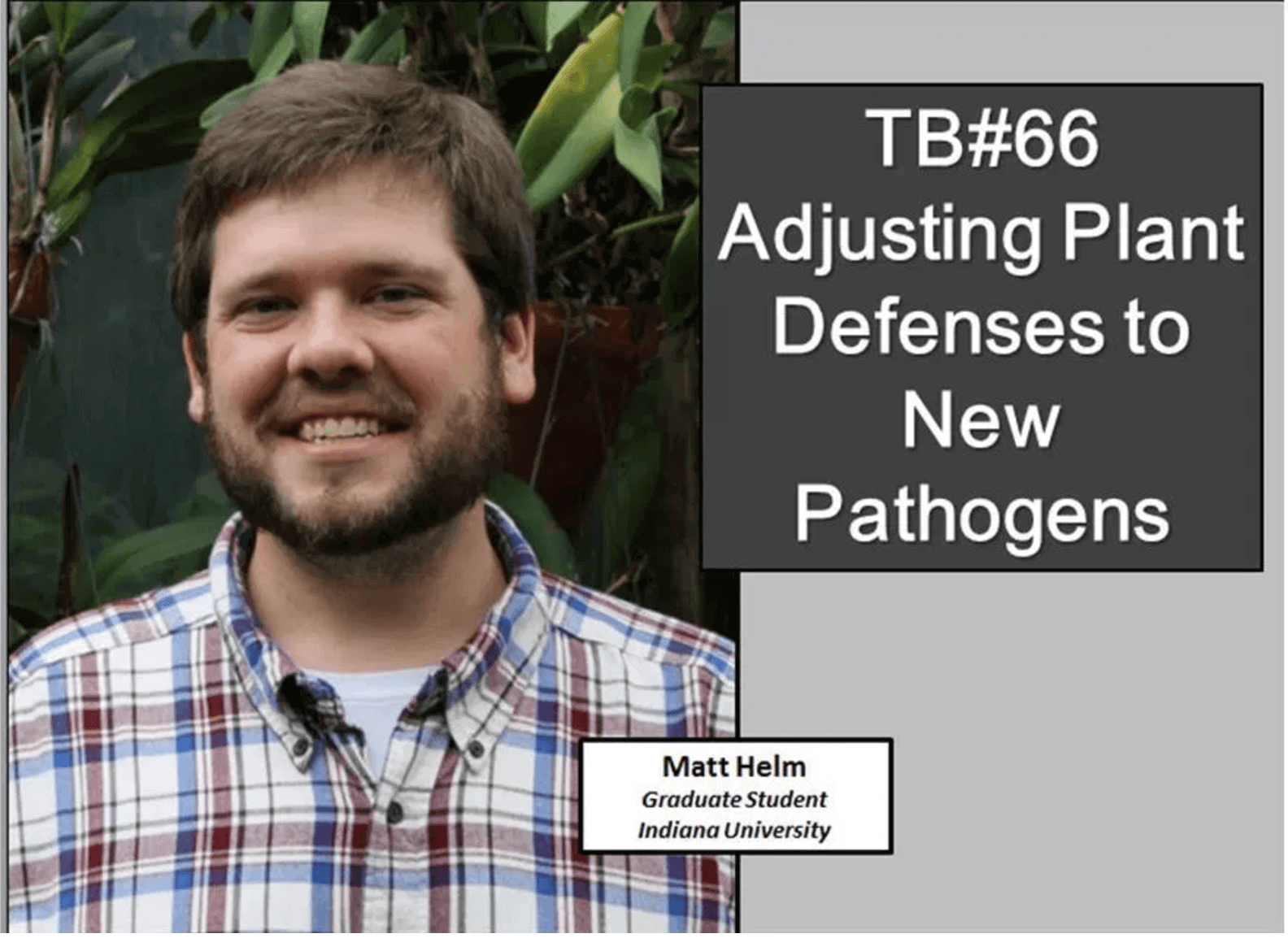
Following on the January 16 episode, plants contain a family of genes called “R genes” that play important roles in resistance to disease. They are part of an evolutionary arms race between plants and pathogens.
This week’s guest is Matt Heml, a graduate student at Indiana University working for Roger Innes, a biologist who specializes in molecular and cellular basis of disease resistance in plants. The Innes Lab researches how to be able to rework the networks in plants that sense pathogens, hoping to adapt their sensitivity to threats not innately sensed.
From this past week, here are the #GLPTop6 among many great stories on human and agriculture genetics around the world. Please share and help spread the news!
All this and more! Be sure to sign up for the newsletters and follow us on Social Media. We are on Facebook, Google+, Twitter, Pinterest! Please feel free to share all the news about human and agricultural genetic literacy!
Babies build knowledge about the language they hear even in the first few months of life, research shows. If you move countries and forget your birth language, you retain this hidden ability….
Dutch-speaking adults adopted from South Korea exceeded expectations at Korean pronunciation when retrained after losing their birth language.
Scientists say parents should talk to babies as much as possible in early life.
…
The study is the first to show that the early experience of adopted children in their birth language gives them an advantage decades later even if they think it is forgotten….
”This finding indicates that useful language knowledge is laid down in [the] very early months of life, which can be retained without further input of the language and revealed via re-learning,” said [Dr Jiyoun Choi of Hanyang University in Seoul].
…
It has long been known that the foundations for speaking and listening to a native language are laid down very early in life.
But it was not known until now that very early language acquisition is an abstract process.
Editor’s note: This article examines the potential influence of the Environmental Working Group’s annual Dirty Dozen list of foods with the highest pesticide residue. Read the GLP profile of EWG here.
It’s vital to eat your veggies. … Yet, most Americans aren’t getting enough. Could the [Environmental Working Group’s] “Dirty Dozen” list be part of the problem?
… Researchers at the Illinois Institute of Technology … surveyed more than 500 low-income shoppers about their thoughts on organic and conventional vegetables and fruit, and published results in the journal Nutrition Today.
They found that specifically naming the “Dirty Dozen” resulted in shoppers being less likely to buy any vegetables and fruit. … Misinformation about pesticides breeds fear and confusion, and many find it easier to skip fresh produce altogether.
…61 percent of participants said they felt the media encouraged them to buy organic foods. The problem is that they are often unaffordable.
So, does it really make sense to pay up to 47 percent more for organic vegetables and fruit? Food toxicologist Carl K. Winter doesn’t think so.
Winter is … one of the researchers who did a deep dive into the Dirty Dozen list. The results, published in the Journal of Toxicology, found that the list lacks scientific credibility.
“Foods on the Dirty Dozen list pose no risks to consumers due to the extremely low levels of pesticides actually detected on those foods,” says Winter.
“Today, when we don’t know what causes a disease, we say it’s likely epigenetic. With this point of view, we get things wrong sometimes, which leads to some misconceptions. In a sense, I think this epigenetic viewpoint is right, but we need much more evidence to get a defined picture.”
Howard Cedar researcher at Hebrew University on current state of epigenetics
Epigenetics Around the Web is a weekly roundup of the latest studies and news in the field of epigenetics presented by GLP sister site the Epigenetics Literacy Project. This week features an interview with the scientist who discovered methylation’s job and an epigenetics-based Alzheimer’s disease drug.
Alzheimer’s drug
In 2016, ORY-2001, the first epigenetics-based drug for any neurodegenerative disease, began and successfully completed a Phase 1 clinical trial in Spain. The drug is a highly selective molecule that targets a histone demethylating enzyme called LSD1 and inhibits its activity. In mouse studies, treated subjects had marked improvements in cognition. In 2017, according to the Alzheimer’s Drug Discovery Foundation, the drug will begin a Phase 2 clinical trial. The drug also is being investigated as a possible treatment for multiple sclerosis and is in the early stages of a clinical trial for acute myeloid leukemia.
Methylation Maestro
Howard Cedar
Writer Anna Azvolinsky over at The Scientist has a great profile of Howard Cedar, one of the scientists who is credited with discovering that DNA methylation represses transcription. The story follows Cedar from a physics major at MIT to his current post as a faculty member at Hebrew University in Jerusalem, Israel. His early work at the National Institutes of Health was on chromatin structure and how it interacts with RNA polymerase. In the late 1970s, Cedar teamed up with fellow professor Aharon Razin and the two began uncovering the how and why of methylation. Methylation is the process by which a methyl group (a small molecule) is added directly to the DNA and it has a really interesting story. It’s presence throughout the genome was well established since the 1940s but what it was doing wouldn’t be uncovered by Cedar three decades later. Even after it’s role in gene repression was uncovered, it would take another three decades for scientists to take a strong interest in the process’s role in human health. Today many of the epigenetic studies investigate changes in methylation patterns on specific genes or areas of the genome. Today, Cedar is doing some of that work too — his lab investigates the role of methylation in B cells. The Scientist lists his ‘Greatest Hits’:
Demonstrated, with Richard Axel and Gary Felsenfeld, that chromatin can restrict transcription by globally blocking most of the genome while allowing access to specific genes
Along with Aharon Razin, showed that methylated DNA is stably propagated to daughter cells following mitotic cell division, and outlined the mechanism by which methylation sites are maintained through cell division
Was first to demonstrate that DNA methylation inhibits transcription and that undermethylated DNA is associated with actively transcribed genes
Provided some of the first evidence for epigenetic reprogramming by proving that methylation patterns are erased in the early embryo
Discovered the molecular rules involved in establishing DNA methylation patterns during development
Epigenetics and the Holocaust
One of the areas of epigenetics that has caught the attention of the public is the idea (supported by some evidence) that stress from horrific events, such as the Holocaust and the Dutch Hunger Winter, may induce heritable epigenetic changes. Allison Bernstein, a neuroscientist who studies epigenetics in the brain, wrote an excellent article about this for GLP here. Researcher Ivan Rektor is studying this question at the Central European Institute of Technology of Masaryk University in Brno, Czech Republic. On January 12, he explained the work ongoing in his lab in an interview with Radio Prague:
We are interested in the transfer of the consequences of the horrible experience to the second and third generation, i.e. to the offspring of Holocaust survivors. It has been well-known that the children of Holocaust survivors may suffer –and sometimes suffer – from “Holocaust survivor children’s syndrome”’. They are more sensitive to stress, can suffer from emotional misbalance, are more prone to post-traumatic stress disorders and so on. This is well-known, but what is not clear is whether this transfer to the second generation is a social/behavioural transfer or a biological, genetic, epigenetic transfer. We are studying this question.
You can listen to the whole interview and read the transcript here.
Nicholas Staropoli is the director of the Epigenetics Literacy Project. He has an M.A. in biology from DePaul University and a B.S. in biomedical sciences from Marist College. Follow him on Twitter @NickfrmBoston.
Editor’s note: The comment period for these regulations — as well as those proposed by the USDA — opened on Jan. 19 in an apparent attempt to coordinate oversight of gene editing. The comment period runs through April 19. Read the FDA’s proposal here.
Researchers transforming animals with the latest genome-engineering tools may be disappointed by draft rules released by the US Food and Drug Administration (FDA) on 18 January — two days before US President Barack Obama leaves office. It is not clear how the administration of incoming president Donald Trump will carry the proposals forward, however.
The most controversial of three proposed regulations declares that all animals whose genomes have been intentionally altered will be examined for safety and efficacy in a process similar to that for new drugs
….
Alison van Eenennaam, an animal geneticist at the University of California, Davis, calls the draft FDA proposals “insane”.
“The trigger for their regulation is whether the animal was intended to be made, and what does intention have to do with risk?” she says. “The risk has to do with the attributes of the product.”
…
Others welcomed the Obama administration’s last-minute overture. “The public is leery of genetic engineering of animals, in particular,” says Jennifer Kuzma, a social scientist at North Carolina State University in Raleigh.
…
“Because of measures like this, almost everything in genetic engineering will have to be done by huge multinational companies,” [van Eenennaam said].
Editor’s note: The comment period for these regulations — as well as those proposed by the FDA — opened on Jan. 19 in an apparent attempt to coordinate oversight of gene editing. The comment period runs through May 19. Read the USDA’s proposal here.
[T]he U.S. Department of Agriculture’s (USDA) Animal and Plant Health Inspection Agency released a pre-published document that proposes to revise its regulations around genetically engineered organisms.
…
“We’re pleased that USDA’s proposal recognizes that some applications of gene editing result in plant varieties that are essentially equivalent to varieties that are developed through more traditional breeding methods, and treats these varieties accordingly,” says Andy LaVigne, American Seed Trade Association president and CEO.
…
[The National Corn Growers Association] released a statement: “Corn farmers have a strong interest in the availability of new technologies to enhance the sustainability, productivity and competitiveness of U.S. agriculture. …The documents published indicate that, in large part, federal agencies agree with the basis of our stance and strive to create a more efficient regulatory process allowing growers greater access to new products.”
…
In tandem with USDA’s proposal, FDA has announced plans to solicit comments on new plant varieties developed through gene editing techniques…FDA acknowledges….that some applications of gene editing result in plants that could be developed through more traditional breeding methods.
















 DNA is generally regarded as safe. We eat it in every meal, and along with each bite, we consume billions of DNA base pairs. Each individual differs from another by millions of base pair mutations – we are always consuming DNA alterations – the mutations that provided the variation that enabled plant and animal breeders to select corn from Teosinte and Angus cattle from Aurochs. DNA does alter the form and function of animals – and all living creatures – it is called the genetic code, the central dogma, and evolution. If DNA is a drug then all life on Earth is high.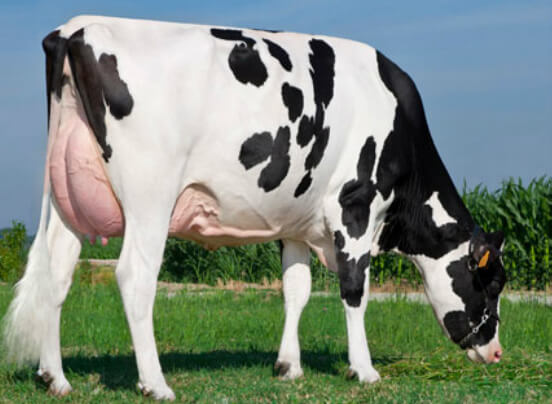
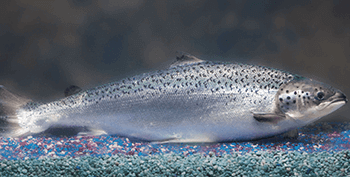 Given there is currently not a single “genetically engineered animals containing heritable rDNA construct” being sold for food anywhere in the world (see my