On [January 23], he signs [a Presidential memorandum that withdraws] the U.S. from the Trans-Pacific Partnership. What’s more, he has the North American Free Trade Agreement (NAFTA) lined up in his crosshairs. The honeymoon with many in agriculture was over before it ever really began, it appears. And many in ag don’t like it.
One of them is Tracy Brunner, president of the National Cattlemen’s Beef Association (NCBA):
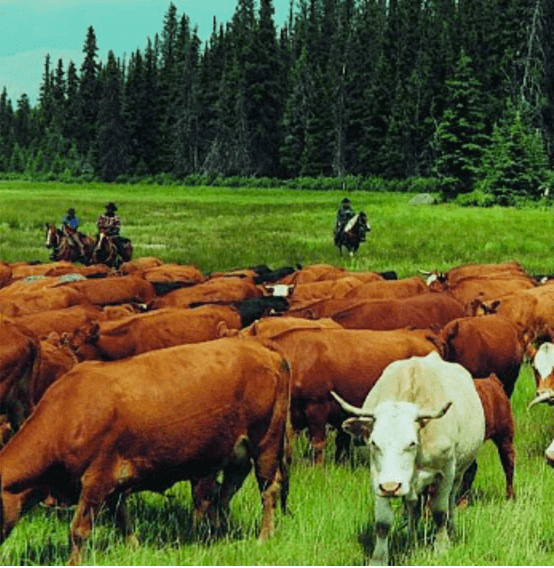
Fact is American cattle producers are already losing out on $400,000 in sales every day because we don’t have TPP, and since NAFTA was implemented, exports of American-produced beef to Mexico have grown by more than 750%. We’re especially concerned that the Administration is taking these actions without any meaningful alternatives in place that would compensate for the tremendous loss that cattle producers will face without TPP or NAFTA.
…
Likewise, Phil Seng, CEO of the U.S. Meat Export Federation, says that “USMEF remains fully committed to our valued trading partners in the Trans-Pacific Partnership (TPP) and the North American Free Trade Agreement (NAFTA). These countries account for more than 60% of U.S. red meat exports.”
Seng says in some of these key markets, the U.S. red meat industry will remain at a serious competitive disadvantage unless meaningful market access gains are realized.
The perfect seed doesn’t exist—but can it? Breeders have tried without success for decades to perfectly combine yield, disease tolerance and weather hardiness to hit the Holy Grail. Now scientists say gene editing could be the key to success.
“This new technology allows us to discover, develop, deploy and commercialize traits with more precision and predictability,” says Steve Webb, Dow AgroSciences external technology and intellectual property portfolio development leader. “We see gene editing as rounding out the toolbox.”
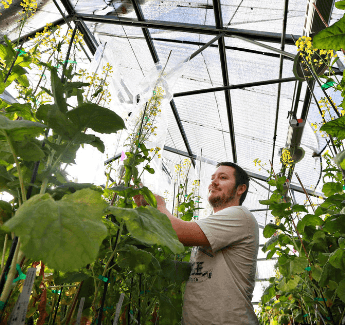
Dow’s new gene-editing tool called EXZACT, co-developed by Sangimo Technologies, uses protein-based gene recognition. It promises faster, more accurate gene changes with less “collateral damage” than found in traditional breeding. Monsanto recently entered an agreement with Dow for access to the technology. “EXZACT is specific and recognizes larger gene sequences,” Webb adds.
Another tool, CRISPR-Cas9, uses nucleotide technology to provide highly specific gene alterations.
“CRISPR-Cas9 uses guide RNA to go inside cells and target a specific area in the genome,” says Paul Dabrowski, Synthego CEO. Synthego provides various gene-editing solutions, with CRISPR-Cas9 among the most popular. CRISPR-Cas9 allows breeders to change the genome down to a single gene they can delete, move, alter or replace.
…
“Before CRISPR, you might expect 1% to 5% of cells you’re modifying to be done correctly,” Dabrowski says. “With CRISPR and our products, we’ve brought it up to 80% to 90%.”
The GLP aggregated and excerpted this blog/article to reflect the diversity of news, opinion, and analysis. Read full, original post: Ctrl, Alt, Delete to Better Yields
Editor’s Note: The following is an excerpt from the US Department of Agriculture’s Global Agricultural Information Network (GAIN) annual report on agricultural biotechnology in China. The report, which can be read in full here, was released on December 16, 2016.
Biotechnology is designated as a strategic emerging industry in China, and the government invests heavily in biotechnology research.
The 13th Five-Year Plan for National Science and Technology Innovation (13th FYP) issued by the State Council in August 2016 revealed that China will push forward the commercialization of key products, including the new generation Bt cotton, Bt corn, and herbicide-tolerant soybeans.
…
The government of China is in the process of revising laws and regulations governing biotechnology. In July 2016, the Ministry of Agriculture (MOA) released the “Revised Administrative Measures for Safety Assessment of Agricultural Genetically Modified Organisms”… The regulations defined in MOA Decree [2016] No.7 revises…the previous regulations governing biotechnology. The amendments remove timelines for approvals, extend the National Biosafety Committee’s term from three years to five years, and emphasize that entities engaging in GMO research and experiments are accountable for safety management.
…
China has not approved any GE food or feed crops developed by foreign biotechnology firms for domestic commercial production. When foreign companies have asked to submit an application for domestic cultivation, MOA informed them that China’s foreign direct investment restrictions prohibit them from doing so.
…
MOA approved three events for import in February 2016 …These were the first new approvals since December 2014. Trade in corn and distiller’s dried grains with solubles (DDGS) remain weak. Trade in other products, such as alfalfa, suffers from biotechnology related trade disruptions. Despite these challenges, China is expected to remain a significant importer of GE products, notably soybeans.
…
The GLP aggregated and excerpted this blog/article to reflect the diversity of news, opinion, and analysis. Read full, original post: China: Agricultural Biotechnology Annual
Editor’s note: This story discusses proposed plans for new regulations for gene-edited plants and animals by the FDA and the USDA. You can read the FDA’s proposal here and the USDA’s proposal here.
In FDA’s request for comments on the use of genome editing of produce new plants for food, the agency asks how the safety of genome edited plants is different from or the as those from conventional plant development, such as hybridization or chemical radiation-induced mutagenesis and nontargeted genetic modification….
FDA also published the same day a revised draft guidance that expands the scope of existing guidance on genetically engineered animals to include animals intentionally altered through genome editing techniques….
USDA also proposed a rule January 19 on the importation, interstate movement and environmental release of GE organisms that would, if finalized, reduce the burden on producers of organisms that do not pose plant, pest or noxious weed risks….
All three notices are related to a national strategy for modernizing the regulatory system of biotechnology products that was first established [in September 2016]. In that strategy, the agencies promised to work together with the Executive Office of the President to outline “a vision for ensuring that the federal regulatory system is equipped and assesses efficiently the risks, if any, associated with the future products of biotechnology,” according to FDA.
Weight management had long been a problem for Vivienne Cameron, despite a succession of diet plans. There were temporary successes, followed by relapses. Cameron described her past failures in a testimonial written for the website of her employer, MET-S Care Program, a South African health care company that markets nutritional meals to people who suffer from Metabolic Syndrome. In words that many adults can relate to, she said:
“It was difficult to face any mirror and I hated my body. I didn’t feel that I looked good in any clothes no matter how smart I actually looked.”
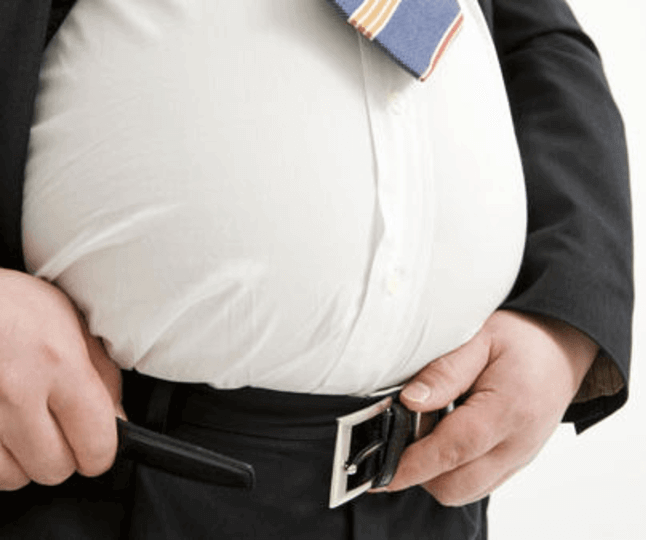
For individuals who suffer metabolic syndrome, the struggle to manage weight has far-ranging health implications. The multifaceted disorder is a cluster of conditions, including excess body fat around the waist, elevated blood pressure, high blood sugar and abnormal cholesterol. Combined, these conditions increase the risk of developing heart disease, diabetes and other disorders.
In recent years, efforts to manage the disease have fallen in with the lucrative weight loss market – worth $148 billion globally in 2014, and expected to hit $206 billion by 2019. A growing chunk of that market – of $35 billion in 2015 – revolves around probiotics and controversial efforts to manipulate the bacteria and yeast that normally inhabit our digestive systems, which is collectively called the microbiome.
At its root, metabolic syndrome is considered a disorder of energy storage and utilization. The relationship between metabolic syndrome and obesity is not entirely understood, but if weight is effectively managed, the risks associated with metabolic syndrome significantly decrease. So physicians and scientists have been searching for solutions that don’t require patients to make drastic lifestyle changes.
As more people attempt to treat their metabolic syndrome and obesity with probiotic supplements, it raises an important question: Is alteration or enhancement of gut bacteria actually an effective solution for metabolic syndrome? Based on current research, the answer is far from clear.
What is Gut Bacteria?
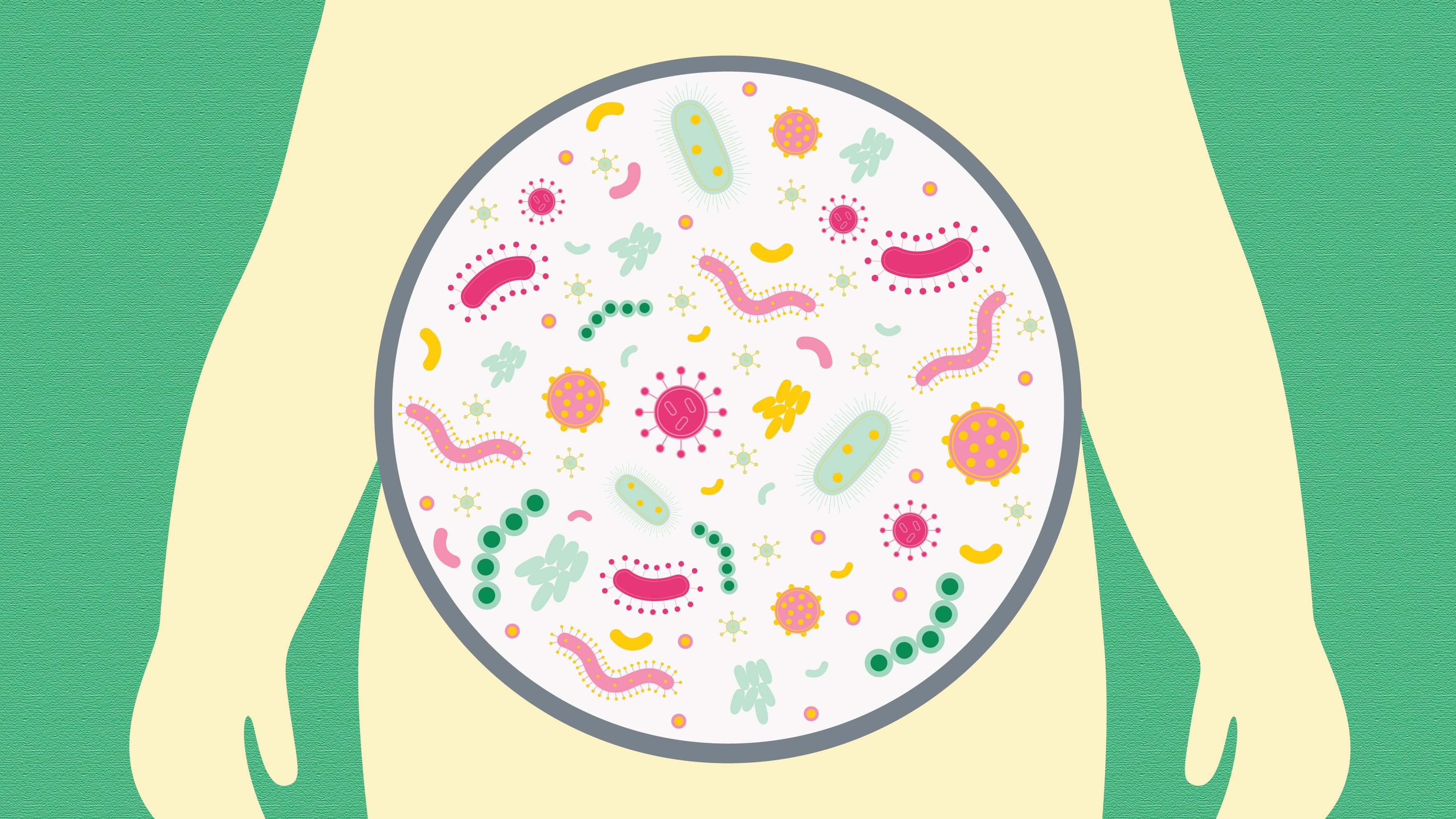
Microbial populations colonize nearly every human organ and tissue. The current estimate is that innate cells are outnumbered 3 to 1 by microbial cells. The interdependence of cell function and microbial populations is highly complex. The primary way in which the microbiome impacts human health is through the release of metabolites — compounds that impact cell growth and tissue function. Of all components of the microbiome, those in the gut have been examined most extensively in relationship to metabolic syndrome.
Proponents of probiotic supplementation say there are only two types of gut bacteria: good and bad. Here’s how Glenn Rothfield, a natural healing advocate, describes it:
If you could get a peek at what’s happening to the cells inside your gut right now, you’d swear you have a front row seat to a sci-fi battle even Hollywood couldn’t have dreamed up.
Teams of harmful bacteria are constantly ambushing intestinal cells, trying to shove your good, healthy bacteria into the background.
And this battle goes on all day… every day… from your first breath to your last.
Rothfield’s colorful description of this supposed war does receive some support in scientific literature. A 2016 paper by researchers from the University of Vienna, identifies “disparities in the gut microbiota composition of metabolic syndrome,” and links these bacterial aberrations with the disease symptoms.
This has companies like Dupont Danisco offering probiotic supplements designed to “help keep the digestive system running smoothly. The company points to a study of its bacterial strain, called B420, that was shown to counteract the effects of a high-fat diet in mice.
While there is research that identifies a connection between gut bacterial populations and metabolic syndrome, some critics argue that the promise of probiotic supplements are based on an oversimplified view of the microbiome. Consider the previously mentioned University of Vienna study, which cited “disparities” in the gut microbiome of individuals with metabolic syndrome. The problem is that no “normal” gut microbial population has yet been defined. And as more is understood regarding the microbiome, it is becoming clearer that there may be no single definition of a normal or abnormal microbiome.
It’s not just the number of bacterial populations comprising the microbiome that makes it difficult to develop firm definitions. The composition of the microbiome is unstable, changing dramatically over time. A variety of environmental factors are involved in the shifting of microbial populations in ways that have proven difficult to identify. The populations can be impacted by a range of events, including pregnancy, as examined in a 2012 study by researchers at Cornell University, which found that populations conventionally considered abnormal are actually considered healthy during the third trimester.
It is becoming clear that a person’s microbiome is much more individualized than some people imagine, and that we are a long way from being able to define one as “healthy” or “unhealthy.”
That leads to the reality that the promises of probiotic-promoting physicians may be too good to be true. That’s not to say, however, that there are no benefits, as explained by the National Center for Complementary and Integrative Health:
There’s preliminary evidence that some probiotics are helpful in preventing diarrhea caused by infections and antibiotics and in improving symptoms of irritable bowel syndrome, but more needs to be learned. We still don’t know which probiotics are helpful and which are not. We also don’t know how much of the probiotic people would have to take or who would most likely benefit from taking probiotics. Even for the conditions that have been studied the most, researchers are still working toward finding the answers to these questions.
Elizabeth Jeffries is a contributing writer for GLP. She received her PhD in Chemical Biology from the University of Pittsburgh and is currently a postdoctoral associate at the University of Pittsburgh, studying cellular senescence. You can follow her on twitter @EPJeff.
Editor’s note: Wheat rust and spot blotch are two fungal diseases that cause a devastating amount of crop damage around the globe each year.
India accounts for 13% of the total global wheat production. However, enhancing the production in the face of changing climate inter alia requires protection against … various biotic stresses, three rust diseases … are the major threats to wheat production globally.
…
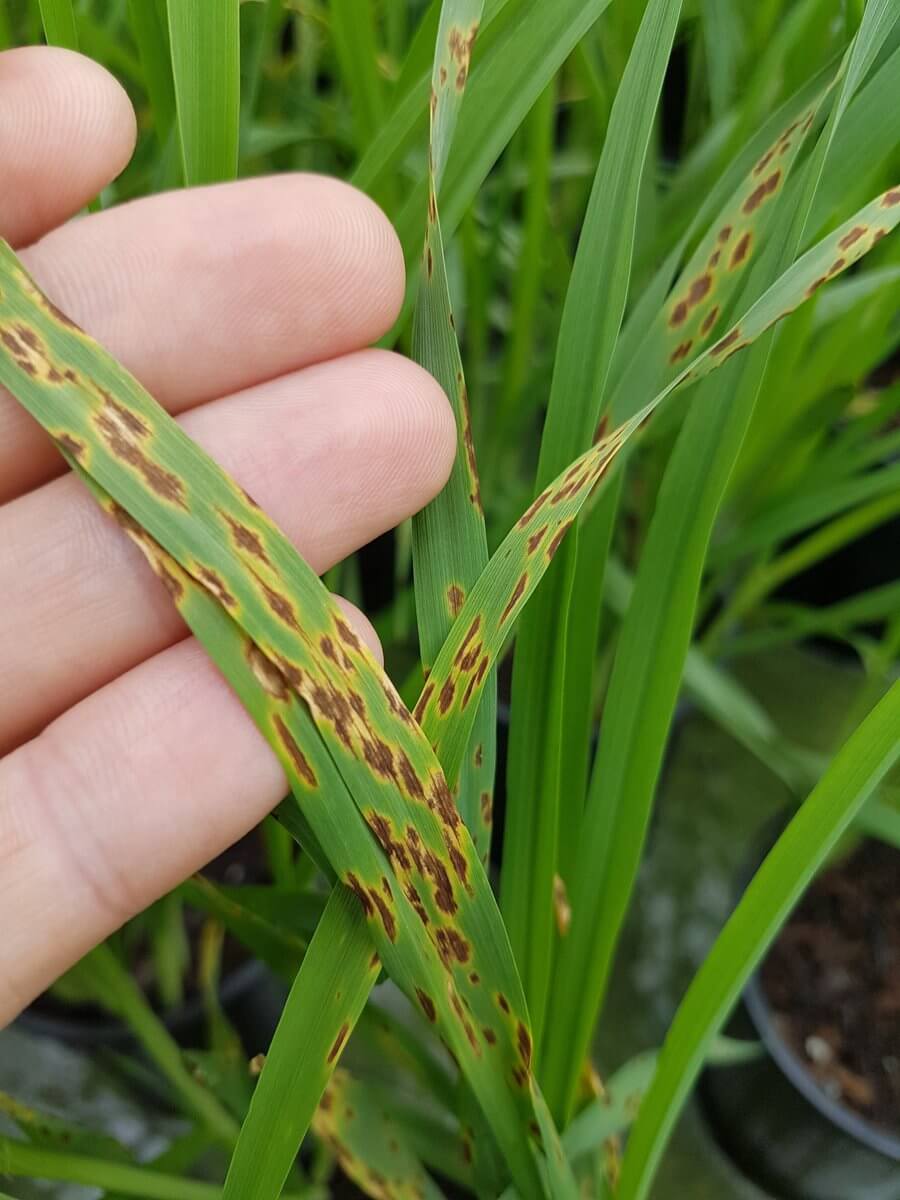
Wheat infected with rust
[I]t is imperative to search for new resistance sources for these diseases to minimize the yield losses under changing climate. Evaluation of the entire cultivated wheat collection of Indian genebank at multiple hotspots in the present study allowed shortlisting of potential resistance sources. For instance, as many as 244 bread wheat and 253 durum wheat accessions conserved in the Indian Genebank were either resistant or moderately resistant to stripe rust pathotypes occurring across two hotspots. The results showed the possibility of identifying sources of diverse genes for partial resistance against stripe rust as well as sources of slow rusting genes against the rapidly evolving rust pathogens. Marker-based screening indicated ample genetic diversity of resistant genes among wheat germplasm. The geographical source of potentially resistant germplasm emphasized the need for further collecting missions (particularly from the state of Uttarakhand, India) as well as continued significance of germplasm exchange across borders.
A recent opinion poll found that the majority of Americans are optimistic about 2017.
Although 2016 was a tough year for many African economies, almost every trend on the continent has been moving in the right direction over the last decade. Per capita income, foreign investment, agricultural productivity, mobile banking, entrepreneurship, immunization rates, and school enrollment are all heading upwards. Poverty, armed conflicts, HIV, malaria, and child mortality are all on the decline—steeply so in many places.
2. These Hybrids Will Improve the Lives of Half a Billion People
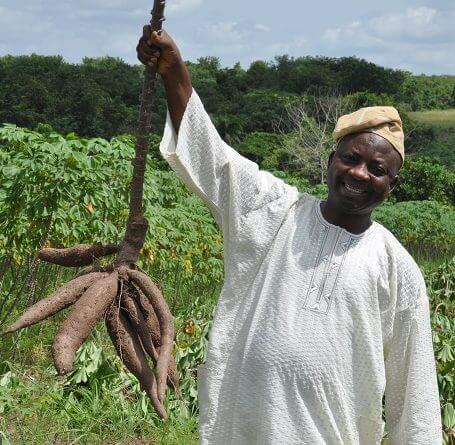
In the developed world, most people eat the root vegetable cassava only in tapioca pudding or bubble tea. But in Africa, it’s the primary staple for half a billion people and the continent’s most popular crop. That’s why I’m super excited that scientists are using the most advanced hybridization techniques for the benefit of cassava farmers and those who depend on the crop. With the support of UK Department for International Development and our foundation, scientists are making great progress developing hybrids that are resistant to the major virus that cuts down on cassava yields (cassava mosaic virus). At the same time, these scientists are breeding strains that have more nutrients than the strains under cultivation today.
The GLP aggregated and excerpted this blog/article to reflect the diversity of news, opinion, and analysis. Read full, original post: 5 Reasons I’m Optimistic About Africa
The campaign to pressure the GSUSA into dropping ingredients sourced from plants engineered with modern molecular techniques, better known by the nebulous term “GMO,” ignited controversy in 2013 when a California mom launched the Facebook page advising scout parents to boycott the annual sales drive. Her goal? Persuading the organization to go GMO-free.
…
All of the organization’s cookies contained one or more ingredients derived from GMO crops … But that has changed with the 2017 Girl Scout cookie season … The Girl Scouts caved to demands and released the first “non-GMO” Girl Scout treat: the new S’mores sandwich cookie, from Little Brownie Bakers is “made with ingredients that are verified as not containing genetically modified organisms” according to the GSUSA site.
…
A group of moms who started a grassroots pro-GMO parenting movement, known by hashtag #Moms4GMOs (and #Dads4GMOs), and who feature prominently in the upcoming Science Moms short documentary … is calling foul. “Non-GMO labels encourage and perpetuate fears about biotechnology,” explains plant geneticist Dr. Anastasia Bodnar. “I would hope that Girl Scouts are learning about science and technology, not learning to fear it.”
…
Anti-GMO sentiment contributes to consumer fear and rejection, which influences policy makers and leads to the overly stringent regulations keeping real solutions from farmers’ fields.
Scientists and students have been piling pressure on the government to lift the ban on GMOs that has been in place since 2012.
The proscription, they said, is unnecessary because Kenya has adequate institutions led by the National Biosafety Authority, mandated to ensure the GMO products are safe.
…
The National Environment Management Authority’s (Nema) has been criticised for declining to issue a permit for GMO field trials to the Kenya Agriculture and Livestock Research Organisation (Kalro) in partnership with African Agricultural Technology Foundation.
“We demand that Nema stop operating at the whims of the Ministry of Health and issue the required permit for GMO field trials particularly for GM maize,” Moi University student leader Towett Ng’etich said.
The Cabinet Secretary, in a letter to Nema opposing the planned GM maize field trials, had maintained that the GMO in Kenya remains bound by the cabinet decision that banned the biotech foods.
…
The Kenya University Biotechnology Consortium (Kubico) secretary-general, Dr. Joel Ochieng, claimed Nema was out to derail the local research.
Dr. Ochieng said a study that linked GMO crops to cancer, which Kenya relied on to announce the ban has since been retracted following concerns that it didn’t adhere to standard procedures.
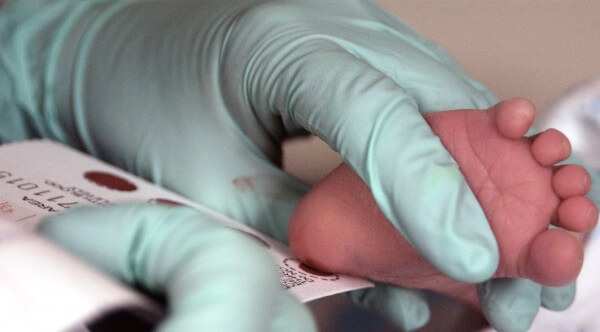
Newborn screening is mandatory in most states…However, now that scientists have developed methods for sequencing the entire genome, what would happen if states began incorporating genome sequencing to find out more about baby’s health? What should parents learn about their baby’s genome? What shouldn’t they?
To study these questions, researchers and doctors across the country have formed a consortium called Newborn Sequencing In Genomic medicine and public HealTh, dubbed NSIGHT….
…
This consortium is working with parents – and conducting genomic sequencing on newborns – to develop evidence that may support guidelines for how this new technology could be effectively and appropriately incorporated into newborn screening or the care of newborns.
“Where is the boundary of parental responsibility to learn important health information about their child versus delving too far into genetic information that could take away from that child’s ability to make decisions for themselves?” said Jonathan Berg, MD, PhD, associate professor of genetics at the UNC School of Medicine…”This is one of the main bioethics questions of our time.”
…
As genomic technology accelerates and costs decrease, it is easy to imagine a future where newborn babies are empowered with their genetic information from the beginning of their lives.
The GLP aggregated and excerpted this blog/article to reflect the diversity of news, opinion, and analysis. Read full, original post:Are you ready to explore your baby’s genome?
Understanding and harnessing these unique cells may unlock breakthroughs in longevity and therapeutic solutions to all kinds of chronic diseases and regenerative opportunities.
…
Here are the top four areas in the space to watch:
1. Tissue engineering: Tissue engineering using the body’s own stem cells to repair, replace or augment diseased tissue is a rapidly evolving field….
…
2. Stem cell banking: Stem cell banking allows us to capture stem cells with your original, uncorrupted DNA at birth, replicate them into a large number of future dosages and then freeze those doses…[They] may hold the key to a longer and healthier life.
…
3. Clinical applications of MSCs: Mesenchymal stem cells, the major stem cells for cell therapy, have been used in the clinic for approximately 10 years…Other promising therapeutic avenues for MSCs include the treatment of autoimmune disease, cardiovascular disease, liver disease and cancer.
…
4. Parabiosis: A San Francisco-based startup called Ambrosia recently commenced one of the trials on parabiosis. Their protocol is simple: Healthy participants aged 35 and older get a transfusion of blood plasma from donors under 25….
We’ve entered a new phase in the history of whole genome sequencing (WGS). Consider that researchers at University of Toronto just launched a massive project to sequence the whole genomes of 10,000 people per year. This is truly astounding when you recall that it took 13 years and $3 billion to sequence the first human genome, and that as recently as 2012 there were only 69 whole human genomes that had ever been sequenced.
…
[A]s our public and private reference databases grow and we have access to more genomic data than ever, we’ll begin to rely heavily on machine learning to realize the full potential of WGS.
…
Converting the raw data of the human genome into medically useful and understandable information has historically been a huge technical bottleneck, but over the course of the last decade, advances in compute, rather than laboratory processes, have driven the most dramatic time and cost reductions associated with WGS.
…
At the institutional level, the power of genomics will play an interesting role in helping payers and providers improve population health…Genomics [can help] identify patients who are high-risk for developing certain diseases, and intervening early.
Downstream, at the consumer level, personalized medicine will continue to be a major focus for WGS….
The GLP aggregated and excerpted this blog/article to reflect the diversity of news, opinion, and analysis. Read full, original post:The genomics intelligence revolution
Voice samples are a rich source of information about a person’s health, and researchers think subtle vocal cues may indicate underlying medical conditions or gauge disease risk. In a few years it may be possible to monitor a person’s health remotely—using smartphones and other wearables—by recording short speech samples and analyzing them for disease biomarkers.
For psychiatric disorders like PTSD, there are no blood tests, and people are often embarrassed to talk about their mental health, so these conditions frequently go underdiagnosed. That’s where vocal tests could be useful.
…
Beyond mental health, the Mayo Clinic is pursuing vocal biomarkers to improve remote health monitoring for heart disease. It’s teaming up with Israeli company Beyond Verbal to test the voices of patients with coronary artery disease, the most common type of heart disease. They reason that chest pain caused by hardening of the arteries may affect voice production.
…
[Amir Lerman, a cardiologist and professor of medicine at the Mayo Clinic,] says a vocal test app on a smartphone could be used as a low-cost, predictive screening tool to identify patients most at risk of heart disease, as well as to remotely monitor patients after cardiac surgery.
The GLP aggregated and excerpted this blog/article to reflect the diversity of news, opinion, and analysis. Read full, original post:Voice Analysis Tech Could Diagnose Disease
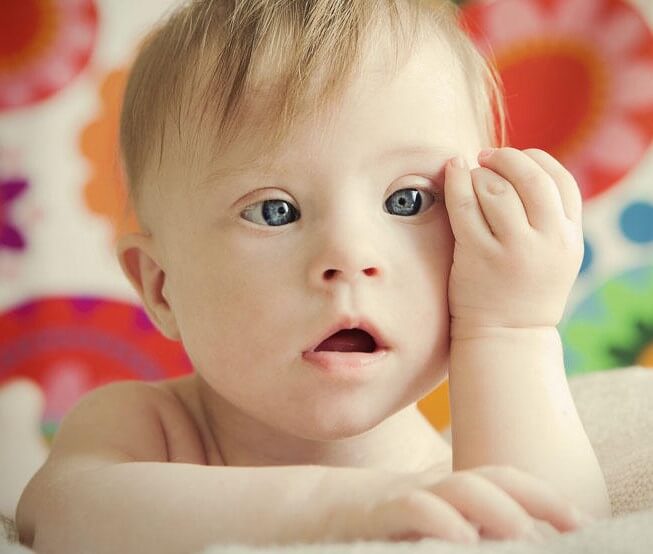
A three-year-old baby — born with Down syndrome and having subnormal motor skills — has shown improvement after undergoing stem cell treatment at a hospital [at New Delhi, says doctors.]
[While Down syndrome is incurable], stem cell experts have reached a conclusion that stem cell treatment can lead to some improvement giving better life even if no permanent cure can be promised.
…
Following diagnosis of Down syndrome and subnormal motor skills, the patient was shown to a city-based stem cell expert.
…
According to the doctor, the patient underwent two sessions of stem cell therapy of which the first session lasted approximately three months.
“By the end of three months, the muscle tone was better in all limbs. He (patient) had started babbling and crawling. He was social and was able to recognize his near ones after the first session,” said Geeta Shroff, stem cell expert with city-based Nutech Mediworld.
According to Shroff, the results and improvements have shown that the new medical technology has the potential to replace damaged neurons, re-establish lost axonal connections, and provide treatment for various neural and congenital disorders.
The GLP aggregated and excerpted this blog/article to reflect the diversity of news, opinion, and analysis. Read full, original post: Baby with down syndrome ‘improves’ after stem cell treatment
While few would object to editing genes to cure devastating diseases, CRISPR technology has the potential to alter the health, behavior, and appearance of every life form. Some fear that in unscrupulous hands, CRISPR might one day be used to create humans genetically enhanced for intelligence, beauty, and strength.
…
[T]he Broad Institute’s recent license of its CRISPR patent portfolio to Monsanto exemplifies a potentially powerful new solution to this temporal problem: using patent licenses to restrict socially controversial applications of a technology. During a patent’s term, one may not practice an invention claimed in the patent without a license from the patent holder. By prohibiting uses the patent holder deems unethical, a patent license can function as a tool of private governance. And because the patent right is limited in duration, this approach has a built-in expiration date far enough in the future to provide policy makers and broader society more time to move deliberatively toward policy solutions.
…
Using patent licenses to pause worrisome applications of emerging biotechnologies has several advantages over formal policy making and standard setting…[For instance,] unlike most professional guidelines, licensing restrictions are enforceable in court, and a licensor may include penalties in the license for violating those restrictions…[U]nlike laws and government regulations,…patent licenses can be tailored to the specific circumstances of their parties, who are motivated to ensure that any use restrictions are appropriately narrow.
The GLP aggregated and excerpted this blog/article to reflect the diversity of news, opinion, and analysis. Read full, original post:The rise of the ethical license
The European Union’s ban of three neonicotinoid insecticides (aimed at saving honeybees) was developed as a logical consequence of the European Food Safety Authority’s draft bee guidance document. This document, which introduced new guidelines for what could be considered as acceptable bee research field trial, set standards that, in my opinion, were so high that none of the existing bee field research could be accepted into the risk assessment process nor would any future trials ever meet the standards. In an exchange between myself and EFSA, it appears to me that the EU Authority was deceived into accepting the 2013 document under the following assumptions:
That there were no conflicts of interest by any of the members of the EFSA Working Group on Bee Risk Assessment.
That the report was produced internally by EFSA staff.
That the report will someday be accepted by the European Council as a legitimate document.
EFSA has become a victim of an activist intervention to skew the risk assessment process in favor of certain NGO anti-pesticide campaign objectives. This has become a clear strategy in the Activist Playbook — to plant environmental NGO-associated scientists on government panels or working groups to influence the risk assessment process. Such was the case when the Environmental Defense Fund’s activist scientist, Christopher Portier moved into the heart of the IARC glyphosate monograph. The EFSA working group on bee risk assessment had, at one time, three activists pushing unworkable guidelines for bee-related pesticide assessments.
Story of the draft bee guidance document
The EFSA working group on bee risk assessment met regularly from 2011 to 2013 when the draft document was published. The minutes from their meetings can be found here and here (it should be noted that the earlier EFSA minutes were taken off-line and are only accessible via a web archiving service). Two members of the working group (James Cresswell and Jacoba Wassenberg) were removed during the course of the preparatory work in 2012 due to affiliations with industry-funded research, but two other members (Gérard Arnold and Fabio Sgolastra), who had affiliations with NGO groups and activities, were allowed to remain. See the BeeGate blog for more details on their conflicts of interest.
An unworkable document:The bee guidance document set standards for pesticide risk assessments that were so demanding as to be impossible. For example, it demanded that all honeybee field trials with pesticides would have a mortality rate of only 7%. Normal hive mortality rates are closer to 15%. The document also would only accept data from field trials conducted over a minimum area of 104 square miles. Honeybees do not travel anywhere near this distance from the hive, although it is obvious that the point here is the impossibility to find such available test sites. See more information on the demands of the document here. In short, the conditions imposed by the working group appear to be designed to exclude any bee research data from field trials.
Precaution by design: Once the document was accepted into use by the EFSA (although not by the European Council), the conclusion appeared to be baked into the process. Some lab feeding tests (where bees are kept in small cages and directly fed pesticides) showed effects from pesticides, and given that now there were no accepted field trial results with data under realistic conditions, that was the only data “available” for the risk assessment. Since the burden of proof that the neonicotinoids were safe had not been met, EFSA could only advise a precautionary approach until further data could be produced. The European Commission moved quickly in 2013 to ban three neonicotinoid insecticides.
Since then, the following information has come to light:
The honeybee population was not suffering declines (and neither was there a risk of the apocalyptic collapse predicted by critics.)
The European Commission’s own research showed that pesticides were not a serious threat to pollinator health.
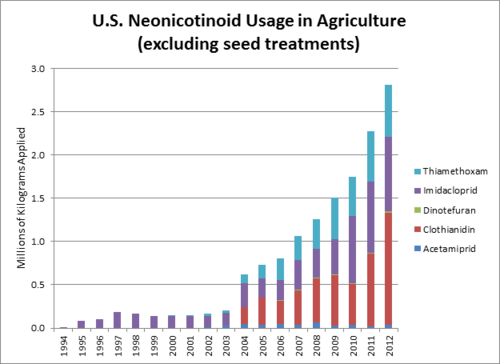
Since the ban, European farmers were spending more time and money using older, more toxic sprays that were less effective than the systemic neonics leaving more damage to the environment and bees (see infographic).
Farmers were choosing to plant less pollen-rich crops like oilseed rape, having a further negative effect on bee health.
The neonicotinoid ban is having serious economic consequences on European agriculture, with the ban costing oilseed rape farmers almost a billion euros a year.
Despite this evidence, the NGOs continue to manufacture “alternative facts”, shift the focus towards the evidence-poor wild bee populations, and seem likely to succeed in convincing the European Commission to make the neonicotinoid ban permanent.
I would now like to add more evidence to this story to show how EFSA was deceived by activists who not only gamed the bee risk assessment process, but also went through an elaborate process to hide the truth from EFSA and the European public.
A Conflict of Interest
After exposing how the anti-pesticide activist scientists used many levels of subterfuge to push for a ban on a benign and efficient class of pesticides (what became known as BeeGate), I was frustrated to see little action by regulators to reverse a decision that was hurting farmers. There was a glaring hypocrisy that a conflict of interest by scientists funded by NGO activists was not treated in the same way as a conflict of interest by scientists working on projects with industry funding.
I went to the European Parliament in 2015 and, during a public hearing, asked an EFSA director about this issue of conflicts of interest on the working group. He chose not to answer my questions, so I published them as an open letter and sent it to him via email. There were essentially four questions:
Does EFSA have a policy towards conflicts of interest for NGO activists who get their way onto EFSA scientific working groups or other bodies?
Has anything been done to correct the situation caused by Arnold and Sgolastra?
Given how the draft bee guidance document has been corrupted by such conflicts of interest, shouldn’t EFSA withdraw it rather than continue to use it to invalidate good available research?
And from that, would EFSA then reconsider (withdraw) its advice in 2013 on the three neonicotinoids, which led to an EU-wide ban that has had such a negative effect on farmers, consumers and, sadly, on bee health?
A few months later, I received a response (efsa-letter) from the EFSA legal department head, Dirk Detken. It was thorough and reassuring. He assured me that EFSA took conflicts of interest from NGO-sponsored activists as seriously as those funded by industry. While he considered Sgolastra’s behaviour as personal, he was worried about Gérard Arnold’s activist affiliations. Recall that Arnold was the scientific coordinator of the beekeeper lobbying NGO, Apimondia. They were sounding the alarm on bee mortality in 2008 predicting that the European beekeeping industry would be wiped out within ten years. Arnold was tasked with setting up the Bees and Pesticides Working Group in Apimondia. He did not note his past involvement in this NGO on his EFSA Declaration of Interests.
On Gérard Arnold, EFSA stated:
“On Mr. Arnold, the information you bring to light seem to indicate that this expert neglected to declare upfront his involvement in an organisation of relevance to one of the tasks of the EFSA WG. To establish if such an omission actually happened, procedures aimed at verifying possible “breaches of the rules” have been triggered pursuant to Articles 14 and 15 of EFSA’s rules on Declarations of Interest. … In this context, upon EFSA’s request, the expert clarified that no meeting was held by the Apimondia working Group during the time he was cooperating with the Authority. After receiving this explanation from the expert, EFSA can confirm that although from a purely formalistic point of view an omission of a relevant activity has occurred, this did not result in a “breach of trust” since the activity actually did not take place, and as such could not be liable of creating a conflict of interest with Mr Arnold’s role in EFSA.”
So if Arnold had been doing work for Apimondia during the 2011-13 EFSA years, there would have been a problem. Arnold informed EFSA that he wasn’t (so no problem then).
Detken then went on to say that even if there were a conflict, the bee guidance document was “developed and drafted by EFSA staff” so there was no way Arnold and Sgolastra could have compromised the process. Well … no! In the acknowledgements to the EFSA bee document, credit is given:
EFSA wishes to thank the members of the working group: … for the preparatory work on this scientific output and EFSA staff: … for the support provided to this scientific output.
Reading through the Working Group minutes, especially the initial stages, it is clear who provided the output – it was not EFSA.
To make matters worse, Arnold published an article co-authored with an activist scientist from the anti-neonicotinoid IUCN Taskforce on Systemic Pesticides, Laura Maxim. In the article, they argue that there needs to be a new methodological framework for risk assessments. The article shared information on what happened on the EFSA working group, peppered with unrealistic data produced by the IUCN taskforce.
Arnold clearly had an interest and an influence in the development of EFSA’s bee document. Of the four key EFSA working group members outside of Arnold, Sgolastra was engaged in anti-pesticide activism (he signed the Pesticide Action Network letter lobbying the US government to take strong action to ban neonicotinoids to save the bees) and two members had no experience in bee field trials. So Arnold did indeed have influence and interest. But was it a conflict of interest?
Conflict of integrity
I do not blame EFSA for failing to fully investigate Arnold’s claims. My first Internet search to check if Arnold was, as he claimed, not involved in Apimondia’s Bees and Pesticides Working Group showed nothing. Literally nothing. In fact, Arnold disappeared from the Internet between 2011 and 2013. During his time at EFSA, he was a ghost. So I used the Internet archive search tool, WayBackMachine, to see if there were pages on Arnold’s Apimondia site that were taken down. For any page evolutions between 2011 and 2013, WayBackMachine gave me a message that they were not allowed to see page histories for that site. I could see changes made on Apimondia before and after that period, but nothing during the EFSA years.
To make matters worse, files on the Apimondia site started to look very strange. For example, a page was uploaded in 2016 about the formation of the Adverse Effects of Agrochemicals and Bee Medicines on Bees Working Group in 2011. For the members of the Apimondia Working Group, I found the word “etc.” at the bottom of the list. Who uploads a 2011 document only in 2016, with the word “etc” on a member list of ten names?Once again, I had no access to the archived Apimondia pages from 2011.
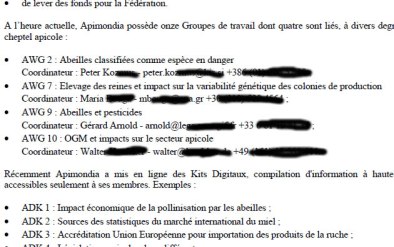
Smelling something foul here, I went “old school”. I asked my bee research network if they had any Apimondia newsletters from this 2011-13 period, and sure enough they did. These documents showed Arnold was involved with the Apimondia Adverse Effects of Agrochemicals and Bee Medicines on Bees Working Group while he was serving on the EFSA working group on bees. In fact, in a 2012 Apimondia Newsletter, Arnold was listed as the Coordinator of AWG9 (see screenshot from page 27). This would make sense since he set up the working group.
Ghost-busted
What doesn’t make sense is the effort that Apimondia went through during the period after my BeeGate publications to try to erase any of Arnold’s involvement in order to protect the EFSA achievements. How did Arnold set up the group in 2010 and then mysteriously disappear into an “etc” in a 2011 document that was uploaded in 2016? Answer: Arnold was always serving as coordinator. It was a heroic effort for a less than heroic subterfuge indicating, quite clearly, how seriously the Apimondia organisation had invested themselves in this “campaign”.
EFSA was deceived and this was no accident. It was a calculated case of activist malice which certainly has more than simple ethical consequences. This has disgraced the entire process EFSA had relied on to determine a sound risk assessments to ensure pollinator health. It also discredits the advice they gave the European Commission. The consequences of this scandal have negatively affected not only European farmers, consumers, the environment and bee health, but also, now, the credibility of EFSA.
How many other NGO activists have used these same techniques to get onto EFSA panels to influence the risk assessment process? It should be noted that Apimondia, like most NGOs, does not appear to impose an ethical code of conduct on its members. So as far as they are concerned, I suppose, there has been no wrongdoing. I have already demonstrated how certain NGO groups do not feel the need to be transparent and accountable. This is also something I call zealot ethics: where activists find superiority in the righteousness of their green dogma over commonly shared societal norms and virtues, like honesty.
As an aside to this story, I also discovered (in documents that had been taken offline) that a third activist scientist was implicated in the EFSA working group. Noa Simon Delso participated actively on the EFSA group while she was involved in the IUCN anti-neonic Taskforce on Systemic Pesticides, while she was involved on the same Apimondia Bees and Pesticides Working Group and while she was involved in a Belgian bee NGO CARI. It doesn’t matter anymore that I keep finding further activist conflicts of interest– this EFSA working group has lost legitimacy and so has the rejected bee guidance document they produced.
How many others are out there implementing this activist playbook strategy on regulatory bodies?
Pot, IARC, Black
I would fully expect that EFSA Executive Director Bernhard Url would retract the unworkable bee guidance and reconsider the 2013 advice on the three neonicotinoids.
I fully supported Url’s position against IARC’s twisted activist science on glyphosate and celebrated his rejection of their Facebook approach to science. What has happened here is no different (except that until today, EFSA did not know about this activist abuse, while IARC seemed to have invited it). Well now EFSA knows and, unless they act, they risk coming close to IARC’s abominable standards of scientific rigor.
I understand that EFSA is in a difficult situation given that they have been stuck with this illegitimate baby. But as this baby grows up, it will become more unruly — every pesticide, including those approved for organic farming, would fail to meet its standards.
It is not just about the discomfort of EFSA admitting that its standards were influenced by a deception. It is also about EU farmers, consumers, the economy and the environment.
David Zaruk is a Belgian-based environmental-health risk policy analyst specializing in the role of science in policy and societal issues. He blogs under the pseudonym: The Risk-Monger. Follow him on Twitter at @zaruk
Editor’s note: This article discusses the International Agency (IARC) for Research on Cancer, a sub-group of the World Health Organization. IARC has come under fire for deeming the popular herbicide glyphosate ‘probably carcinogenic’ in a 2015 report. Several regulatory agencies (such as the EPA in the US) around the world have since produced their own reports that have determined the herbicide is safe.
During her confirmation hearing to be ambassador to the United Nations, South Carolina Gov. Nikki Haley put the United Nations on notice that the days of being unaccountable to its top funder are over. “When we look at the United Nations, we see a checkered history … any honest assessment finds an institution that is often at odds with the American national interest and American taxpayers,” she said.
One [international agency] in the crosshairs is the International Agency for Research on Cancer (IARC), which is under the purview of the United Nation’s World Health Organization. Congress is investigating why taxpayers continue to fund this France-based agency that’s been accused of stonewalling conflicts of interest and using shoddy science to promote a politically motivated agenda.
In fact, the IARC has lost so much credibility over the last few years that a group of prominent toxicologists recently accused it of causing “unnecessary health scares and unnecessary diversion of public funds.”
House Oversight and Government Reform Committee Chairman Jason Chaffetz (R-Utah) said the IARC has a “record of controversy, retractions, and inconsistencies” and asked why the National Institutes of Health has spent $40 million since 1992 to fund it.
Some congressional leaders also want to know if federal employees collaborated with the IARC on the dubious report.
The GLP aggregated and excerpted this blog/article to reflect the diversity of news, opinion, and analysis. Read full, original post: Congress should investigate cancer collusion
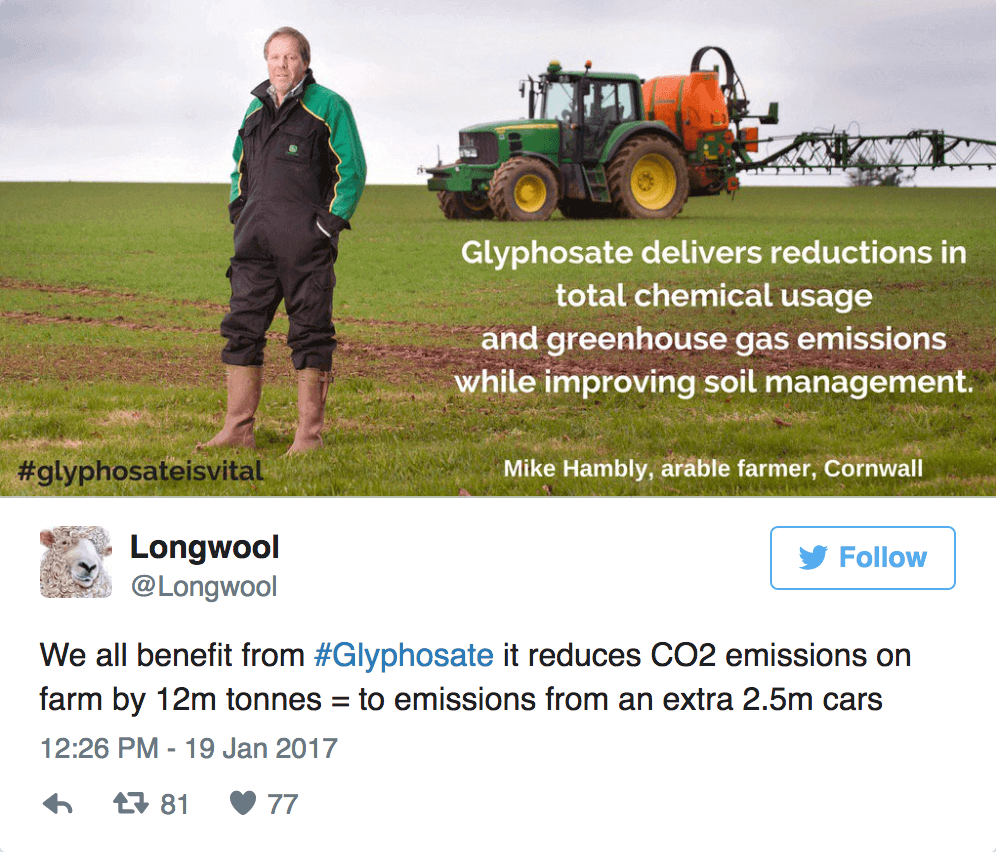
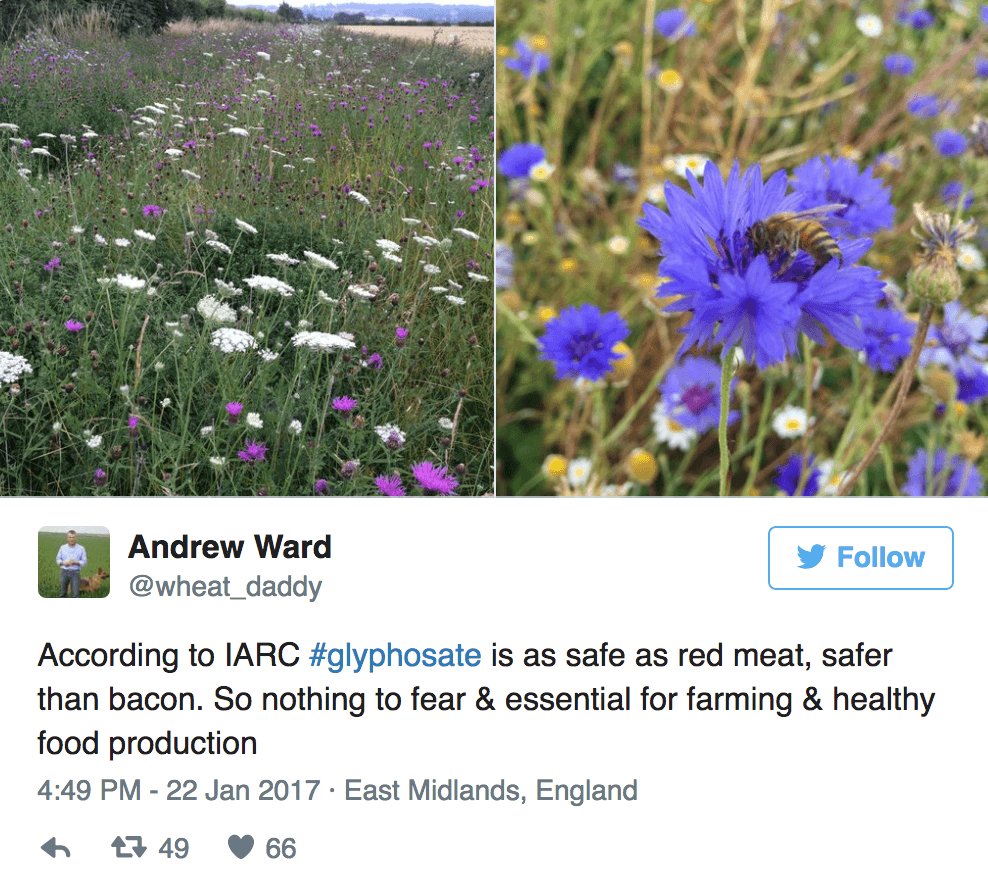
The Twitter campaign under the hashtag #glyphosateisvital has been backed by a number of British farmers, who have posted tweets in support of keeping the herbicide.
When used as a min-till establishment technique, it allows growers to reduce ploughing and decrease subsequent greenhouse gas emissions by leaving the soil undisturbed.
The [National Farmers Union of England and Whales] says glyphosate is “fundamental for weed control at pre-planting or pre-emergence stages on stubble fields.”
The latest Twitter campaign by farmers lobbying to keep glyphosate follows several campaigns by green groups and NGOs, including Friends of the Earth and the Soil Association, calling for an outright ban of the herbicide.
NFU vice-president Guy Smith said: “As we start the lobbying run into the relicensing of glyphosate at the end of 2017, it’s not surprising to see new activity trying to demonise this key crop-protection material.
“The NFU are now redoubling efforts in Brussels to make sure sound science dictates the regulation here and that regulators are aware of the importance of glyphosate when it comes to keeping EU and UK farmers competitive and how it can help farmers reduce their carbon footprint when it comes to reducing cultivations and drying crops,” [Smith said.]
Editor’s Note: This article discusses the US Food and Drug Administration guidance on “Regulation of Intentionally Altered Genomics DNA in Animals” which was released on Jan. 18, 2017. Alison Van Eenennaam, an animal geneticist at the University of California-Davis, analyzed the paper.
The recently released FDA guidance for producers and developers of genetically improved animals and their products defining all intentional DNA alterations in animals as drugs, irrespective of their end product consequence, is nonsensical.
FDA “Guidance for Industry #187” updates the never finalized 2009 document “Regulation of Genetically Engineered Animals Containing Heritable rDNA Constructs” to the much more expansive “Regulation of Intentionally Altered Genomic DNA in Animals” to expand the scope of the guidance to address animals intentionally altered through use of genome editing techniques. No longer is it the presence of an rDNA construct (which conceivably COULD have encoded a novel allergen or toxic protein) that triggers FDA regulatory oversight of genetically engineered animals, but rather it is the presence of ANY “intentionally altered genomic DNA” in an animal that triggers oversight. Intention does not equate to risk. This trigger seems to be aimed squarely at breeder intention and human intervention in the DNA alteration.
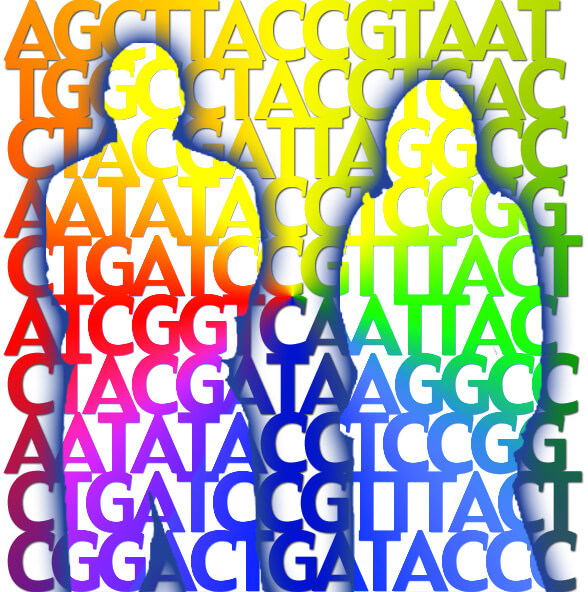
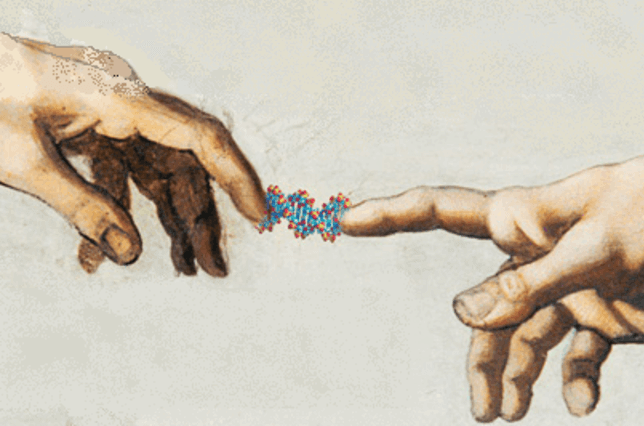
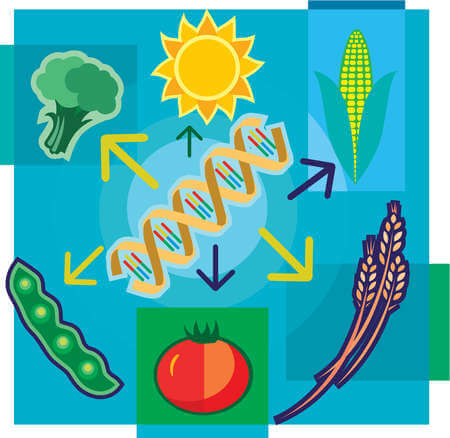
DNA is generally regarded as safe. We eat it in every meal, and along with each bite, we consume billions of DNA base pairs. Each individual differs from another by millions of base pair mutations – we are always consuming DNA alterations – the mutations that provided the variation that enabled plant and animal breeders to select corn from Teosinte and Angus cattle from Aurochs. DNA does alter the form and function of animals – and all living creatures – it is called the genetic code, the central dogma, and evolution. If DNA is a drug then all life on Earth is high.
The guidance states that “intentionally altered genomic DNA may result from random or targeted DNA sequence changes including nucleotide insertions, substitutions, or deletions”, however it clarifies that selective breeding, including random mutagenesis followed by phenotypic selection, are not included as triggers. So the random DNA alterations that result from de novo or chemical-induced mutagenesis with not be a trigger, but intentional precise and known alterations and any off-target random changes that might be associated with the intended edit will trigger regulation, irrespective of the attributes of the end product. This is beyond process-based regulation, it is regulation triggered by human intent. That is if a breeder was involved, then it is regulated. If random mutations happened in nature or due to uncontrolled mutagenesis – not regulated.
This sounds a lot like what Greenpeace is arguing for when they state that a GMO is when “the genetic modification is enacted by heritable material (or material causing a heritable change) that has, for at least part of the procedure, been handled outside the organism by people.” The problem is that risk is associated with the attributes of the product, not the fact that it is handled by people or carries the taint of human intention.
This approach is the polar opposite of what the 2016 National Academies report concluded that the distinction between conventional breeding and genetic engineering is becoming less obvious. They reasoned that conventionally bred varieties are associated with the same benefits and risks as genetically engineered varieties. They further concluded that a process-based regulatory approach is becoming less and less technically defensible as the old approaches to genetic engineering become less novel and as emerging processes — such as gene editing — fail to fit current regulatory categories of genetic engineering. They recommended a tiered regulatory approach focused on intended and unintended novel characteristics of the end product resulting from the breeding methods that may present potential hazards, rather than focusing regulation on the process or breeding method by which that genetic change was achieved.
The new FDA Guidance, released two days before Trump’s inauguration, then goes on to state “a specific DNA alteration is an article that meets the definition of a new animal drug at each site in the genome where the alteration (insertion, substitution or deletion) occurs. The specific alteration sequence and the site at which the alteration is located can affect both the health of the animals in the lineage and the level and control of expression of the altered sequence, which influences its effectiveness in that lineage. Therefore, in general, each specific genomic alteration is considered to be a separate new animal drug subject to new animal drug approval requirements.” So every SNP is potentially a new drug, if associated with an intended alteration.
To put this in perspective, in one recent analysis of whole-genome sequence data from 234 taurine cattle representing 3 breeds, >28 million variants were observed, comprising insertions, deletions and single nucleotide variants. A small fraction of these mutations have been selected owing to their beneficial effects on phenotypes of agronomic importance. None of them is known to produce ill effects on the consumers of milk and beef products, and few impact the well-being of the animals themselves.
What is not clear is how developers are meant to determine which alterations are due to their “intentions”, and which result from spontaneous de novo mutations that occur in every generation. Certainly, breeders can sequence to confirm the intended alteration especially if they are inserting a novel DNA sequence, but how can they determine which of the random nucleotide insertions, substitutions, or deletions are part of the regulatory evaluation, and which are exempt as random mutagenesis. And if there is risk involved with the latter, why are only the random mutations associated with intentional modifications subject to regulatory evaluation? And what is the if intended modification is a single base pair deletion – will the regulatory trigger be the absence of that base pair – something that is not there?
Holstein cow
Many proposed gene editing applications will result in animals carrying desirable alleles or sequences that originated in other breeds or individuals from within that species (e.g. hornless Holsteins were edited to carry the Celtic polled allele found in breeds like Angus). As such, there will be no novel combination of genetic material or phenotype (other than hornless). The genetic material will also not be altered in a way that could not be achieved by mating or techniques used in traditional breeding and selection. It will just be done with improved precision and minus the linkage drag of conventional introgression.
There is a need to ensure that the extent of regulatory oversight is proportional to the unique risks, if any, associated with the novel phenotypes, and weighed against the resultant benefits. This question is, of course, important from the point of view of technology development, innovation and international trade. And quite frankly the ability of the animal breeding community to use genome editing.
Given there is currently not a single “genetically engineered animals containing heritable rDNA construct” being sold for food anywhere in the world (see my BLOG on AquAdvantage salmon), animal breeders are perhaps the group most aware of the chilling impact that regulatory gridlock can have on the deployment of potentially valuable breeding techniques. While regulation to ensure the safety of new technologies is necessary, in a world facing burgeoning animal protein demands, overregulation is an indulgence that global food security can ill afford.
I urge the scientific community – including those not directly impacted by this proposed guidance because animal breeders are a small community – to submit comments to the FDA on this draft revised guidance #187 during the 90-day comment period which closes April 19, 2017. There are several questions posted there asking for scientific evidence demonstrating that there are categories of intentional alterations of genomic DNA in animals that pose low to no significant risk. Centuries of animal breeding and evolution itself would suggest there are many.
There is also a request for nomenclature for the regulatory trigger as outlined in the draft revised guidance. The FDA used the phrase “animals whose genomes have been altered intentionally” to expand their regulatory reach beyond genetically engineered animals containing heritable rDNA constructs (aka drugs), but suggested that other terms that could be used include “genome edited animals,” “intentionally altered animals,” or expanding the term “genetically engineered” to include the deliberate modification of the characteristics of an organism by manipulating its genetic material. They encourage the suggestion of other phrases that are accurate and inclusive. I can think of a couple!
Alison Van Eenennaam, Ph.D. is an animal geneticist and Cooperative Extension specialist in the Department of Animal Science at the University of California, Davis. Follow her on Twitter @BioBeef





 In recent years, efforts to manage the disease have fallen in with the lucrative weight loss market – worth






 DNA is generally regarded as safe. We eat it in every meal, and along with each bite, we consume billions of DNA base pairs. Each individual differs from another by millions of base pair mutations – we are always consuming DNA alterations – the mutations that provided the variation that enabled plant and animal breeders to select corn from Teosinte and Angus cattle from Aurochs. DNA does alter the form and function of animals – and all living creatures – it is called the genetic code, the central dogma, and evolution. If DNA is a drug then all life on Earth is high.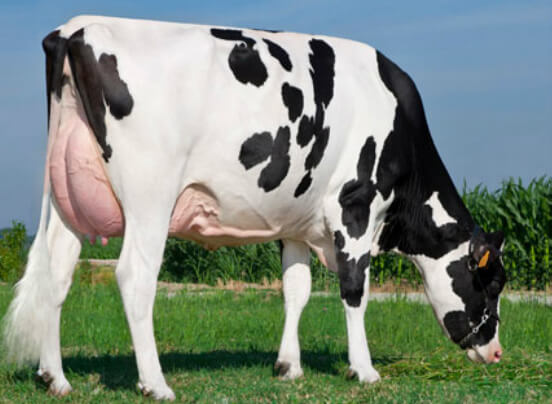
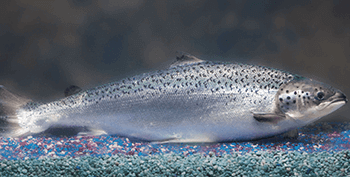 Given there is currently not a single “genetically engineered animals containing heritable rDNA construct” being sold for food anywhere in the world (see my