The National Agriculture Seed Council (NASC) has commenced sensitisation of Nigerian seed companies in preparation for the commercialisation of Genetically Modified Bacillus thuringiensis (Bt) cowpea and cotton by 2018.
A sensitisation workshop … was staged to educate seed companies that are expected to play a major role in the distribution of genetically engineered seeds when the nation finally commercialises it next year.
…
According to [director-general of NASC, Dr Philip Ojo], “GM seeds are a significant step forward in the production of agricultural crops. GM seeds are seeds that have been modified to contain specific characteristics such as resistance to herbicides or resistance to pests. But the method of modification used with GM seeds varies from the conventional method in an important respect: the genes have not been modified over generations of cross-fertilization but rather inserted directly into the DNA of the seed.”
…
Earlier in his remarks, the communication officer of [African Seed Trade Association], Aghan Daniel, noted that Africa still remained a minor player in the global seed trade, accounting for less than 2 percent, saying modern biotechnology provides Africa with tools for trait improvements in crop germplasm for increased grain yields in ways compatible to human and environmental welfare.
Tractor giant John Deere just spent $305 million to acquire a startup that makes robots capable of identifying unwanted plants, and shooting them with deadly, high-precision squirts of herbicide.
John Deere, established in 1837 to manufacture hand tools, announced it had acquired Blue River Technology, founded in 2011….
…
Pesticides and other chemicals are traditionally applied blindly across a whole field or crop. Blue River’s systems are agricultural sharpshooters that direct chemicals only where they are needed.
…
The startup’s robots are towed behind a regular tractor like conventional spraying equipment. But they have cameras on board that use machine-learning software to distinguish between crops and weeds, and automated sprayers to target unwanted plants.
…
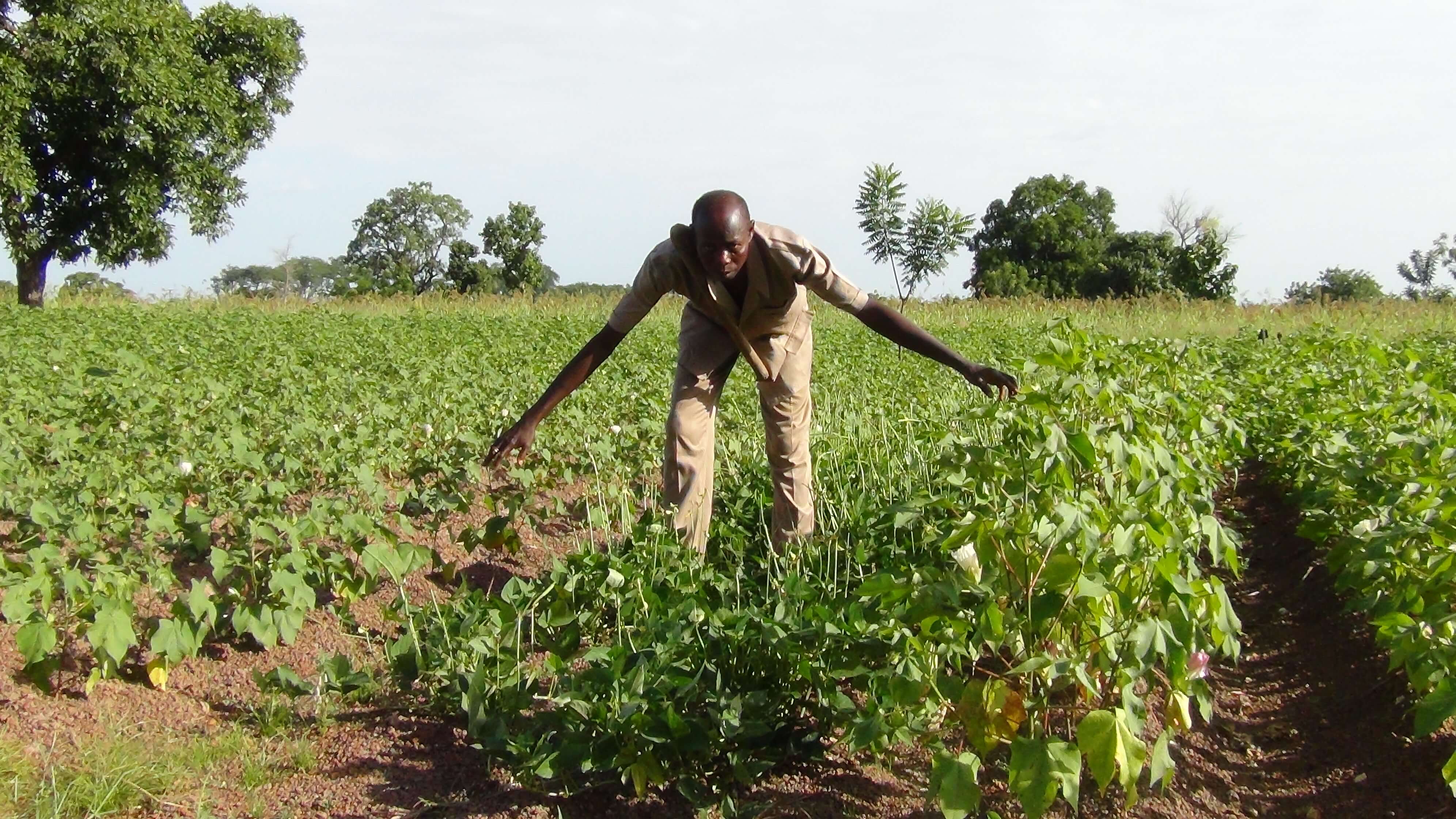
This season Blue River tested a second system for cotton farmers, ahead of a planned commercial launch in 2018. That system can target weeds with squirts of herbicide no larger than a postage stamp. Willy Pell, director of new technology at Blue River, says the system has shown it can reduce herbicide use by 90 percent.
[Editor’s note: Henry Miller is a physician and molecular biologist, and a Fellow in Scientific Philosophy and Public Policy at Stanford University’s Hoover Institution. He was the founding director of the FDA’s Office of Biotechnology.]
Should Americans be allowed to edit their DNA to prevent genetic diseases in their children? That question, which once might have sounded like science fiction, is stirring debate as breakthroughs bring the idea closer to reality. Bioethicists and activists, worried about falling down the slippery slope to genetically modified Olympic athletes, are calling for more regulation.
The bigger concern is exactly the opposite—that this kind of excessive introspection will cause patients to suffer and even die needlessly. Anachronistic restrictions at the Food and Drug Administration and the National Institutes of Health effectively ban gene-editing research in human embryos that would lead to implantation and births. These prohibitions are inhibiting critical clinical research and should be lifted immediately.
…
As to the ethics, it would be unacceptable to modify normal embryos—the cliché about “designer babies”—but nobody is proposing to do that, and no American regulatory agency would approve it. If the concern is that embryos may be destroyed, parents with genetic diseases are already discarding many while using in vitro fertilization as a way to avoid passing on abnormal DNA.
…
What’s holding researchers back, at least in America, is outmoded regulations.
Bt insect-resistant crops, the sibling to the herbicide resistant crops often maligned by anti-GMO activists, have not only reduced insecticide use in the U.S. but also have a food safety benefit: The reduction of mycotoxin contamination of crops, which can harm both humans and animals.
Mycotoxin may not be familiar to most people, but 4.5 billion of us are chronically exposed to it. Produced by the fungus Aspergillus, mycotoxins are compounds that can cause billions of dollars in crop damage, and are known carcinogens. There aren’t many ways to deal with the chemicals once their parent fungi have infested a plant, though developed and developing countries alike try.
Just recently, these mycotoxin events happened:
In September, Dutch customs officials halted the import of shelled ground nuts from the United States, because mycotoxin levels above 30 parts per billion (ppb) were discovered in the shipment. An earlier shipment of pistachios from the U.S. was halted in Belgium, after aflatoxin (a type of mycotoxin) was discovered in that shipment.
Various European authorities have stopped shipments of spices, nuts, wheat and other foods from Hong Kong, India, Iran, Turkey, Argentina, Italy, and elsewhere, all because of screenings that revealed mycotoxin contamination.
Bt seeds are engineered to express the cry genes from Bacillus thuringiensis. These genes code for an insecticidal toxin which makes the crops resistant to certain pests. Farmers, most especially organic farmers, have been spraying the natural form of the bacterium for almost a century to great effect and with no measurable environmental hazards, as the toxin only interacts with targeted insects but not humans.
“The benefit of Bt corn’s reduction of mycotoxin damage has been virtually ignored in policy debates anywhere in the world,” Felicia Wu, a Michigan State University food and nutrition professor, has noted.
Mycotoxin contamination is expensive, costing the United States alone about $270 million in agricultural losses. The infestation is believed to be worse in developing countries—one study of blood samples showed 90 percent of participants from West Africa and Guangxi, China, were positive for a biomarker indicating aflatoxin. Contamination is also linked to liver cancer, growth impairment in children, and suppressed immune responses.
Two of the most prevalent mycotoxins in agriculture are fumonisins and aflatoxins. Fumonisins are found almost exclusively in corn, while aflatoxins can be found on corn as well as cotton, peanuts, pistachios, almonds and walnuts. Other than the wider use of Bt crops–which are blocked in African countries because of widespread campaigning by anti-GMO ‘environmental’ groups–current methods to curb mycotoxins haven’t been particularly effective. These include (besides border stops), breeding for fungal resistance, practices that impair fungal growth, biocontrol with antifungal strains, and trapping agents.
Now, scientists have turned to a type of non-GMO genetic engineering and found some promising results. If successful, they might also help sidestep the ideological debate over GMOs that has derailed their use in the developing world.
Monica Schmidt, a plant biologist at the University of Arizona, and her colleagues have been testing a type of short strand of RNA (known as “interference RNA” or “RNAi”) for its ability to silence the genes responsible for making mycotoxin.
Testing corn for mycotoxin.
Called HIGS (short for Host Induced Gene Silencing), the technique involves inserting a fragment of DNA that has a sequence expressed only in edible corn kernels. This “DNA cassette” induces the corn to ultimately create small RNA molecules. These RNAs express a sequence similar to an Aspergillus gene responsible for synthesizing aflatoxin. Only when infected with Aspergillus, the small RNA can enter the infectious fungal cell, and matches its RNA sequence with the fungal cell’s RNA that’s making the toxin. When paired, the fungal cell recognizes the double-stranded RNA as foreign and kills it, effectively shutting down the ability to make mycotoxin.
The researchers say that they found no evidence of mycotoxin in corn, in their experiments. But there’s a problem. US and European regulators generally won’t accept any level of mycotoxin above 20 ppb, a very low number that reflects the chemical’s powerful carcinogenic properties. But Schmidt’s experiments had a lower limit of detection of about 93 ppb. While Schmidt showed that the genetic machinery in Aspergillus was shut down thanks to the HIGS RNAi, anybody using this technique commercially will have to show its ability to keep levels below 20 ppb.
Currently, the USDA’s Agricultural Research Service has been testing the HIGS technique in peanuts, with the aim of isolating and quantifying the silencing effects of RNAi in the field.
Still, the technique has shown more promise than other transgenic techniques. Attempts at transgenics (taking DNA or RNA from another species and inserting it into the host organism) have included genetic expression of chloroperoxidase, an enzyme effective at destroying cell walls and degrading Aspergillus and other fungi, and expression of antimicrobial peptides that exist in other plants and could fend off the fungus. More recently, a Spanish study showed that corn crops that were engineered to produce large quantities of carotenoids (including precursors to Vitamin A) also showed reduced levels of fumonisin, a mycotoxin produced by fungus. But the study only found these changes after two or three years of breeding.
Whether RNAi passes regulatory muster is still a question. It is not a transgenic so it does not fall under the byzantine regulatory structure that has stunned so much innovation in genetic engineering. So far, the FDA approved the Arctic Apple, which reduces browning, and a potato that has reduced acrylamide conten,t all thanks to RNAi, a technique that does not involve using genetic material from one species and transferring it to another species.
The technique still has shortcomings, particularly off-target changes that are preventing it from being used to make pharmaceuticals. In the case of the HIGS technology, RNA is expressed only in corn that is infected, and directs only to the invading fungal Aspergillus cell. However, as this recent Genetic Literacy Project story on Schmidt’s work showed, even RNAi work has run afoul of “anti-GMO” sentiment—in her case, from the Gates Foundation, which has in general supported work in genetic engineering.
These genetic techniques are at least showing some effect in the field and the plants themselves, where other more traditional methods have failed. With 4.5 billion people exposed and hundreds of millions of dollars in crop damage every year, there’s a lot at stake.
Andrew Porterfield is a writer and editor, and has worked with numerous academic institutions, companies and non-profits in the life sciences. BIO. Follow him on Twitter @AMPorterfield.
Space agencies and planetary scientists around the globe are combing through data from big, multi-instrument probe missions in a careful step-by-step search for extraterrestrial life — with an emphasis on environment habitability. They’re seeking a better understanding of the chemical and physical nature of various planets and moons that could be targeted for future life-searching missions. This is happening at a time when NASA’s car-sized Curiosity rover is easing gradually up a Martian hill with no end in site, and in the aftermath of the end of a 20-year voyage of the Saturn-exploring Cassini probe.
Though one craft is still going and the other has said farewell, the work at Mars and Saturn is fairly similar. In both instances, exploration craft have been operating for many years, producing major discoveries of astrobiological import. Scientists are hoping to find life as we know it — meaning organisms that depend on organic (carbon-based) chemistry, and that require water — somewhere in our Solar System. Nobody expects intelligent life. Instead, the search is focused on the prospect for single celled life. And maybe in the oceans of an ice-covered world, like Saturn’s moon Enceladus, multicellular life forms are plausible.
One big difference between the Martian and Saturnian missions, however, is that native life discovered in the latter case is likely to be unrelated to life on Earth. Deep down in the ocean beneath the icy surface of Enceladus, or in the ocean of Jupiter’s moon Europa, the presence of life would represent an independent origin from the web of life that inhabits Earth. In contrast, when it comes to Mars, it’s quite plausible that we’ll find that native life forms there will be distant cousins of Earth’s organisms, that the life of both planets began from a common origin from non-living chemistry. That’s because rock material — tons of it– transfers each year between the surfaces of Earth and Mars in a process that has been happening for billions of years. It’s also plausible that Martian life, if it exists, represents an independent origin from that of Earth, but we won’t know until we find such life and analyze it.
What NASA’s Curiosity rover told us
Curiosity
NASA’s Mars Science Laboratory (MSL) mission includes, Curiosity, the largest and most capable robotic rover ever landed on the Red Planet. Curiosity is exploring the Gale crater, which held liquid water for long periods between 3.3 billion and 3.8 billion years ago. Evidence that the crater was home to rivers and streams came in a couple of years ago. What’s new is a study, published in the journal Science, by researchers at the State University of New York at Stony Brook. Numerous data from Curiosity‘s instruments have been accumulating for the taking, and the Stony Brook team set out to extract information on specific minerals within the rocks at different locations and depths in the crater zone, and the oxidation states of those minerals. The Stony Brook analysis revealed climate change — from warmer wetter conditions in the distant past to dryer colder conditions, which adds weight to the possibility that the region has been a home to microorganisms.
The analysis also revealed redox stratification –differences in oxidation states between different levels, specifically more oxidized along the crater’s edges and less oxidized lower down. The researchers are interpreting the find to mean that far in the past, when the Gale crater held a large lake, the upper regions of the water constituted a high oxygen zone that would have been friendly to aerobic life forms, while the deeper parts of the lake would have be favorable to anaerobic forms. This means there could have been a diversity of different types of life, which is to say a healthy ecosystem.
Cassini: The mission that went into double overtime
Launched in 1997, the Cassini mission was operated jointly by NASA, the European Space Agency (ESA), and the Italian Space Agency (ASI). The mission’s full name was Cassini-Huygens, because it included two craft. Italian astronomer Giovanni Domenico Cassini (1625-1712), who discovered four of Saturn’s moons and the divisions between the planet’s rings, is the namesake of the larger craft, which orbited Saturn from 2004-2017. The mission also included the ESA Huygens probe. It was named for Christiaan Huygens, the Dutch astronomer who discovered Saturn’s largest moon, Titan, where the probe landed successfully in 2005.
Huygens
The original mission plan for Cassini was to last until June 2008 — four years after entering orbit around Saturn. However, since all systems were go, with plenty of fuel for propulsion and plutonium for electricity, the mission was extended to 2010, but it wouldn’t end there either. With mountains of discoveries about Saturn and its moons in the rear view mirror and numerous data still to be analyzed, and still plenty of propellant in the fuel tanks, mission planners gave Cassini the green light for an additional seven years.
In terms of the engineering, the design requirements needed only to enable the original projected mission duration to 2008, but not until nine years later, this past September, did controllers steer Cassini into Saturn’s atmosphere to end the mission. That was simply because the fuel was about to run out, but everything was still working just fine. (One can’t help but wonder if some sort of “Scotty Effect” was operating, wherein the engineer –accidentally on purpose– underestimates how well, or how long, something that he designed will work, so that everyone will be amazed later.)
Habitability of the environment
Like the MSL on Mars, the mission of Cassini-Huygens in the Saturn system has included characterization of the chemistry of the environment, and the physical conditions affecting it. In the case of Saturn, the spotlight for the search for extraterrestrial life is not the planet itself, but the planet’s moons. In 2005, during its descent to the surface of Titan, the Huygens probe detected hydrocarbons in the moon’s thick atmosphere, including methane rain, and lakes and seas of methane and ethane. These things had been suspected prior to the mission, and in making such finds, the Huygens’ instrument package provided evidence for the idea that Titan’s environment is like that of Earth billions of years ago, just before the origin of life. Titan has what astrobiologists call prebiotic chemistry.
Like Huygens, the Cassini probe also studied Titan’s prebiotic chemistry. During its thirteen years orbiting Saturn, Cassini also flew by Saturn’s other moons, including Enceladus, a world that is covered in water ice. Cassini confirmed the presence of a global ocean under that ice, and also discovered plumes of liquid spewing up from cracks in the ice at the south pole, like the geysers at Earth’s Yellowstone Park. At Enceladus, however, the geyser plumes shoot far into space. Taking measurements of the plumes, Cassini demonstrated that they consisted of water, plus, over the years, the craft’s instruments have been able to tell us that those plumes contain organic molecules — called the “stuff of life” by the late astronomer Carl Sagan. Based on this finding, scientists knew that Enceladus had two major requirements to support life — water and material from which to make organisms and food.
Along with water and organic matter, a world that harbors life also needs an energy source that organisms harness to synthesize food and energy molecules. Vital to that requirement, Cassini detected very tiny rocks in the water plumes, suggesting that hot water is flowing somewhere down in the ocean, like the hot water in the hydrothermal vents that support life forms at the bottom of Earth’s oceans in the absence of sunlight. And last but not least, something that happened earlier this year, just a few months before Cassini was sent to burn up in Saturn’s atmosphere, the instruments detected in the plumes the energy source itself: hydrogen.
Enceladus
Putting all of this together, we can say that Enceladus is “habitable;” it has all the ingredients for life. We found this out through a long, patient process. And so now, with more confidence than would have made sense before, there is a major target in the outer solar system for more sophisticated chemistry instruments, but also a direct life search. The latter means instruments designed to be flown through the plumes of Enceladus and to analyze the water directly for the presence of organisms.
As for Mars, something similar is happening as analysis of the environment is pointing increasingly to the idea that the planet could support life. Back in 1976, a NASA mission called Viking, delivered twin landing probes to two locations on the Martian surface. Each lander carried several instruments designed to study the chemical and physical environment, but also a “biology package” consisting of three experiments to test for the presence of microorganisms in samples of Martian dirt. At both landing sites, the biology experiments gave ambiguous results.
But ambiguity often exists along a spectrum. In science projects that depend on big, expensive ventures such as space missions, it’s common to view and discuss discoveries and insights from a linear perspective. First, one thing was discovered, then something else that built on top of that earlier discovery, and so forth. Of the three Viking biology experiments, one experiment, known as the Labeled Release (LR), produced results that seemed to indicate the presence of microorganisms, but then were dismissed, largely because a positive finding looked inconsistent with various findings about the chemical and physical environment on the Martian surface. To be sure, the LR principal investigator, Gilbert Levin, has maintained for the past 41 years that his experiment actually detected Martian life. Some fraction of the science community has some to agree with some or all of his reasoning. The consensus is still that the LR results of the 1970s are too ambiguous to be counted as evidence of life, but it’s notable that our understanding of the Martian environment and its suitability for life has evolved substantially in the past four decades, because of MSL and other missions that have been on Mars since Project Viking.
Now that we know that the Martian chemical environment could be friendly to living forms, the scientific payoff from sending a direct life search experiment to Mars could be far less ambiguous compared with the Viking experience. But, perhaps due to the Viking experience — and also to the possibility that any ambiguity about an issue as game-changing as the discovery of life on another planet could endanger public support for such missions — space agencies around the planet have been taking a careful approach, both in the inner and outer Solar System.
David Warmflash is an astrobiologist, physician and science writer. BIO. Follow him on Twitter @CosmicEvolution.
[Editor’s note: Fumiya Iida is a lecturer in mechatronics at the University of Cambridge.]
The new Blade Runner sequel will return us to a world where sophisticated androids made with organic body parts can match the strength and emotions of their human creators. As someone who builds biologically inspired robots, I’m interested in whether our own technology will ever come close to matching the “replicants” of Blade Runner 2049.
The reality is that we’re a very long way from building robots with human-like abilities. But advances in so-called soft robotics show a promising way forward for technology that could be a new basis for the androids of the future.
From a scientific point of view, the real challenge is replicating the complexity of the human body. Each one of us is made up of millions and millions of cells, and we have no clue how we can build such a complex machine that is indistinguishable from us humans. The most complex machines today, for example the world’s largest airliner, the Airbus A380, are composed of millions of parts. But in order to match the complexity level of humans, we would need to scale this complexity up about a million times.
There are currently three different ways that engineering is making the border between humans and robots more ambiguous. Unfortunately, these approaches are only starting points, and are not yet even close to the world of Blade Runner.
There are human-like robots built from scratch by assembling artificial sensors, motors and computers to resemble the human body and motion. However, extending the current human-like robot would not bring Blade Runner-style androids closer to humans, because every artificial component, such as sensors and motors, are still hopelessly primitive compared to their biological counterparts.
There is also cyborg technology, where the human body is enhanced with machines such as robotic limbs, wearable and implantable devices. This technology is similarly very far away from matching our own body parts.
Finally, there is the technology of genetic manipulation, where an organism’s genetic code is altered to modify that organism’s body. Although we have been able to identify and manipulate individual genes, we still have a limited understanding of how an entire human emerges from genetic code. As such, we don’t know the degree to which we can actually programme code to design everything we wish.
Soft robotics: a way forward?
But we might be able to move robotics closer to the world of Blade Runner by pursuing other technologies, and in particular by turning to nature for inspiration. The field of soft robotics is a good example. In the last decade or so, robotics researchers have been making considerable efforts to make robots soft, deformable, squishable and flexible.
This technology is inspired by the fact that 90% of the human body is made from soft substances such as skin, hair and tissues. This is because most of the fundamental functions in our body rely on soft parts that can change shape, from the heart and lungs pumping fluid around our body to the eye lenses generating signals from their movement. Cells even change shape to trigger division, self-healing and, ultimately, the evolution of the body.
The softness of our bodies is the origin of all their functionality needed to stay alive. So being able to build soft machines would at least bring us a step closer to the robotic world of Blade Runner. Some of the recent technological advances include artificial hearts made out of soft functional materials that are pumping fluid through deformation. Similarly, soft, wearable gloves can help make hand grasping stronger. And “epidermal electronics” has enabled us to tattoo electronic circuits onto our biological skins.
Softness is the keyword that brings humans and technologies closer together. Sensors, motors and computers are all of a sudden integrated into human bodies once they became soft, and the border between us and external devices becomes ambiguous, just like soft contact lenses became part of our eyes.
Nevertheless, the hardest challenge is how to make individual parts of a soft robot body physically adaptable by self-healing, growing and differentiating. After all, every part of a living organism is also alive in biological systems in order to make our bodies totally adaptable and evolvable, the function of which could make machines totally indistinguishable from ourselves.
It is impossible to predict when the robotic world of Blade Runner might arrive, and if it does it will probably be very far in the future. But as long as the desire to build machines indistinguishable from humans is there, the current trends of robotic revolution could make it possible to achieve that dream.
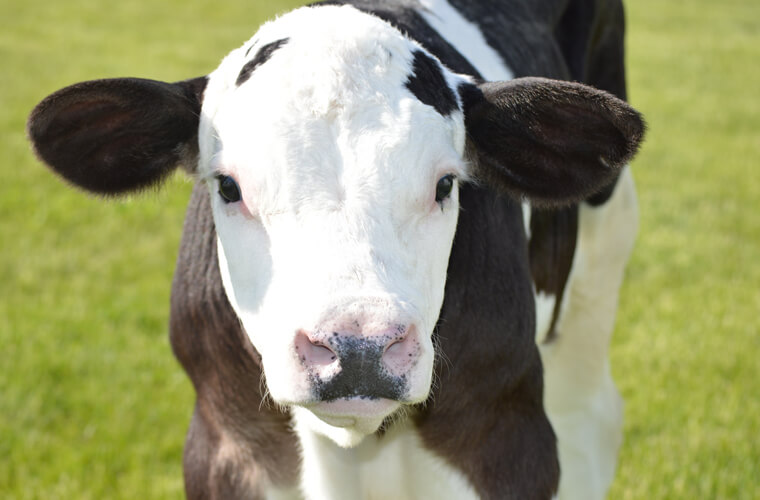
[In 2016], Recombinetics, the 35-person company [geneticist Scott Fahrenkrug] founded in 2008 with three other geneticists from the University of Minnesota, introduced its first genetically edited farm animal, a hornless Holstein milk cow… [Its] primary aim remains to supply gene-edited livestock to the agriculture industry, and Recombinetics says it can start doing that if, and about as soon as, the U.S. Food and Drug Administration approves. “We have several multimillion-dollar deals in the final steps of negotiations, down to the dots and titles,” Fahrenkrug says.
The FDA remains a big if. Before the agency approved the first genetically modified animal for human consumption in 2015, a fast-growing species of Atlantic salmon, biotech company AquaBounty Technologies had to spend $80 million over close to two decades, eventually selling itself to biotech giant Intrexon to keep operating. And the odyssey isn’t over: The FDA is developing more complex labeling requirements for the fish at the order of Congress.
…
The FDA told the company it’d be subject to forthcoming regulations, issued in the final 48 hours of the Obama administration, that lumped in all DNA-altered animals with AquaBounty’s salmon as a “new animal drug” rather than a breeding process, subjecting them to much longer evaluation processes.
With France set to vote against EU glyphosate re-registration this month, a group of French farmers have said they will go to the EU Court of Justice if the European Commission does not back the herbicide.
The license for glyphosate as an active substance under the Regulation (EC) No 1107/2009 expires on 15 December 2017.
Last year, the EU extended glyphosate’s examination period to await the classification of ECHA, the European Chemicals Agency.
In March 2017, ECHA concluded that glyphosate is a safe substance and therefore cannot be classified as a carcinogen.
The French grain farmers’ union the OPG said: “Now, you have all the elements you need to approve the renewal of this substance which is an economical, effective and essential herbicide for me and for hundreds of thousands of farmers in Europe.
…
“Therefore, I am writing to you to ask you to adopt, as soon as possible, the necessary legal measures to renew the European approval of glyphosate as an active substance in phytopharmaceutical products by 15 December 2017.”
De-extinction is just what it sounds like: taking a species that has gone extinct, and through cloning or genetic engineering, bringing that species back into our world.
…
The possibility of bringing back the mammoth might seem like a curiosity. Wouldn’t it be fun to see a woolly mammoth in a zoo? But the long-term goal is not to keep the new mammoths (they would be genetically engineered approximates, not exact replicas) in captivity. Instead, the Harvard Woolly Mammoth Revival team headed by George Church (the Church Lab) hopes to one day release healthy herds of mammoths into the tundra of Eurasia and North America. The reintroduction of these grazers could help convert the tundra back into the mammoth steppe, or grasslands, it once was. Research suggests grasslands sequester carbon from the atmosphere more efficiently than other ecosystems, which could help slow down climate change.
…
Many more advances will need to be made before anything like a woolly mammoth, let alone a full herd, can walk the earth. Besides, there’s plenty of opposition to de-extinction efforts. The thing about ecosystems is, they’re extremely complex and usually have more variables than humans realize. Reintroducing an extinct species, especially one that has been gone for thousands of years, could always have unintended and unforeseeable consequences.
The GLP aggregated and excerpted this blog/article to reflect the diversity of news, opinion, and analysis. Read full, original post: The case for de-extincting Ice Age megafauna
While organic farmers have used Bt proteins in sprays successfully for more than half a century, some scientists feared that widespread use of Bt proteins in genetically engineered crops would spur rapid evolution of resistance in pests.
Researchers at the University of Arizona have taken stock to address this concern and to discover why pests adapted quickly in some cases but not others. To test predictions about resistance, Bruce Tabashnik and Yves Carrière in the College of Agriculture and Life Sciences analyzed the global data on Bt crop use and pest responses [read the full study here (behind paywall)]
…
The researchers analyzed published data for 36 cases representing responses of 15 pest species in 10 countries on every continent except Antarctica. They discovered resistance that substantially reduced the efficacy of the Bt crops in the field in 16 cases as of 2016, compared with only three such cases by 2005. In these 16 cases, pests evolved resistance in an average time of just over five years.
“A silver lining is that in 17 other cases, pests have not evolved resistance to Bt crops,” Tabashnik said, adding that some crops continue to remain effective after 20 years.
Much like hunter-gatherers today, ancient Eurasians married outside their home groups and formed webs of friends and in-laws vital for eventually building cities and civilizations, a new study suggests.
Long-gone hunter-gatherers lived in groups with few close relatives, thus limiting opportunities for inbreeding, say evolutionary geneticist Martin Sikora of the Natural History Museum of Denmark in Copenhagen and his colleagues. It’s likely that adolescents of both sexes found mates in communities other than their own, fostering social ties among groups that might otherwise avoid or fight each other, the scientists conclude online October 5 in Science. Modern hunter-gatherers likewise find partners among nearby groups.
Sikora’s findings support a proposal that hunter-gatherer bands composed mainly of in-laws and unrelated individuals appeared by the late Stone Age and probably much earlier than that, says anthropologist Kim Hill of Arizona State University in Tempe, who did not participate in the new study. The emergence of in-laws boosted communication and social learning across groups, a prerequisite for creating civilizations.
…
Sikora’s study “shows that modern humans already lived in socially fluid societies well before the origins of agriculture,” says anthropologist Andrea Migliano of University College London.
Over 17 million people in Djibouti, Eritrea, Ethiopia, Kenya, Somalia, South Sudan, Sudan and Uganda have reached emergency food insecurity levels, according to the [Food and Agriculture Organisation of the United Nations (FAO)].
“Maize is an important food crop in many African countries and the inability of local varieties to withstand the growing threats from the fall armyworm which can destroy an entire crop in a matter of weeks raises significant concerns,” Hilda Mukui, an agriculturalist and conservationist in Kenya, told IPS.
…
According to experts, sectors such as the poultry industry that relies heavily on maize to produce poultry feed have also been affected.
Within this context, scientists are now pushing African governments to embrace biotechnology to address the many threats that are currently facing the agricultural sector and leading to the alarming food insecurity.
According to the African Agricultural Technology Foundation, a genetically modified variety of maize has shown significant resistance to the fall armyworm.
Based on results from the Bt (Bacillus thuringiensis) maize trials in Uganda, scientists are convinced that there is an immediate and sufficient solution to the fall armyworm.
It’s common to try to cram more waking hours into each day. About half of people worldwide get less than six hours [sleep] a night, according to the Guardian.
…
During our waking hours, we’re constantly taking in new information. As we do, our neurons make connections among themselves called synapses. During sleep, those same neurons examine the synapses made during the previous day or (or two, or three, if you’ve been learning something over time).
…
It provides our muscles and organs a chance to rest, for example. In theory, we could get this from any time physically relaxing, but realistically sleeping through the night is the only way most people will fully slow down.
There might be benefits of sleep that we don’t yet understand, too. Scientists can only study sleep in humans by keeping willing participants awake for longer than they’re comfortable—which means, to date, sleep studies have been relatively limited.
…
That said, scientists are pretty sure sleep in-and-of-itself is vital, in part because it’s widely believed to be something all animals do (paywall). “Sleep…is playing a vital function in our and other species’ survival–even if we don’t know for sure what that function is at this stage,” says Nadine Gravett, a neuroscientist.
The GLP aggregated and excerpted this blog/article to reflect the diversity of news, opinion, and analysis. Read full, original post: What is sleep, even?
[23andMe CEO Anne] Wojcicki set out to disrupt the health-care industry in 2006. Her goal was to put sophisticated DNA analyses into the hands of consumers, giving them information about health, disease and ancestry, and allowing the company to sell access to the genetic data to fuel research. But in 2013, that vision hit a snag. Wojcicki didn’t think she needed regulatory approval to provide information about her customers’ health risks. The US Food and Drug Administration (FDA) disagreed, and ordered the company to stop.
…
Wojcicki aimed to attract millions of customers by selling an inexpensive test that would reveal genetic predispositions for dozens of traits. It would provide disease risks, but also genetic propensity for baldness, obesity and trivial features such as earwax consistency.
…
23andme is still barred from giving customers lots of available information, such as whether they carry gene variants that raise their risk for certain cancers or that predict how well certain medications will work. Before the FDA lockdown, it had been providing information on hundreds of health conditions.
…
Most scientists no longer see 23andme as a frivolous undertaking. The ability to recruit two million customers, and potentially many more, has been a huge draw, and researchers are lining up to collaborate with the company.
The GLP aggregated and excerpted this blog/article to reflect the diversity of news, opinion, and analysis. Read full, original post: The rise and fall and rise again of 23andMe
In every case, the child had the same distinctive facial features, the same delayed development – most couldn’t sit up, let alone walk – and, crucially, they were from the same region on the Arizona-Utah border, known as Short Creek.
Even more intriguingly, this region is polygynous. In this small, isolated community of Fundamentalist Church of Jesus Christ of Latter-Day Saints (FLDS) – a group that split from the LDS in the early 20th Century – the likelihood of being born with fumarase deficiency is over a million times above the global average.
…
“With polygyny you’re decreasing the overall genetic diversity because a few men are having a disproportionate impact on the next generation,” says Mark Stoneking, a geneticist at the Max Planck Institute for Evolutionary Anthropology, Germany. “Random genetic mutations become more important.”
…
Since inbreeding tends to uncover “recessive” mutations that would normally remain in hiding, studying these communities has helped scientists to identify many disease-causing genes.
The GLP aggregated and excerpted this blog/article to reflect the diversity of news, opinion, and analysis. Read full, original post: The polygamous town facing genetic disaster
Genetic modification of plants will be essential to avert future food shortages, conclude a group of agricultural scientists who have reviewed how biotechnology developments over the past 35 years have shaped the efficiency of crop production.
…
The team, from Rothamsted Research in the UK and from Syngenta Crop Science and Symmetry Bioanalytics in the US, present their review as an online opinion article in Trends in Plant Science [read the full study here (behind paywall)].
“Our knowledge of the genes that limit yield in field conditions needs to be developed,” says Matthew Paul, plant biochemist at Rothamsted and leader of the review team. “At the moment, results that show promise in the lab don’t always work in the field.”
…
He highlights how GM research at Rothamsted identified a sugar, trehalose 6-phosphate (T6P), that controls the volume of starch in cereal grain and, in GM field trials, substantially improved maize yields in the field, from 10% in well-watered crops to 120% under drought conditions.
“But we got there only because field trialling was conducted in parallel with fundamental science of which genes to target and how to target them in the field environment,” says Paul.
The GLP aggregated and excerpted this article to reflect the diversity of news, opinion and analysis. Read full, original post: Food Security Needs More from GM crops
In 2013, Taxa launched a Kickstarter for genetically engineered plants would glow at night, cutting street lamp electricity costs tremendously. Then, earlier this year, the company announced that the project was dead.
Now Taxa’s back with bio-engineered moss that comes in a few different scents — patchouli, linalool (a floral scent), and geraniol…. Each of them is made by splicing specific genes into moss, which not only can grow basically anywhere, but can do so in a liquid.
…
Grow a starter culture in a lab, pack it up, and let it keep growing, producing mild scents. Right now, the focus is on getting stronger scents, which could put it on the same tier strength-wise, like a scented candle. Not enough to fill up a room on its own, but enough to give a fragrant background to whatever.
…
Taxa believes that GMOs could be key to achieving a sustainable future.
“We’re interested in sustainability,” CEO Anthony Evans told Gizmodo. “Eventually everything we produce will be produced biologically.”
The GLP aggregated and excerpted this blog/article to reflect the diversity of news, opinion, and analysis. Read full, original post: Scientists Have Invented Moss That Smells Like Incense
The U.S. Department of Health and Human Services (HHS) just released their 2018-2022 plan, which unequivocally states that life begins at conception and deserves protection. In the introduction it says,
“HHS accomplishes its mission through programs and initiatives that cover a wide spectrum of activities, serving and protecting Americans at every stage of life, beginning at conception.”
…
Compared to previous drafts, this new plan is overwhelming friendly to religious organizations as well. It includes 40 references to “faith-based” organizations and upholding their rights, compared to only three references in the Obama administration’s HHS plan.
This draft is consistent with earlier released interim rules the HHS released to protect Americans’ right to conscience, specifically those who have “a religious or moral objection to paying for health insurance that covers contraceptive/abortifacient services.”
…
Susan Berke Fogel, director of reproductive health with the National Health Law Program, a pro-choice, liberal leaning health rights organization, told Politico, “this is license to discriminate.”
…
While this draft is good news for pro-lifers, it is not set in stone yet. The document is still a draft and is open to public comment until October 27, 2017. If approved, the draft will replace the Obama administration’s previous five-year plan.
Fear-mongering ‘facts’—like tomatoes engineered with spider genes or cars exploding from full gas tanks on hot summer days— show how out of touch society is with basic science. Science literacy depends on the clarity of communication from scientists and scientific institutions. The prevalence of these fake ‘facts’ show that something must be done to remedy the chasm between the public and academia, especially as science legislation becomes affected by bad science. Mahaletchumy Arujanan, a Malaysian scientist and executive director of the Malaysian Biotechnology Information Centre (MABIC) calls on the scientific community to establish productive dialogue with non-scientists, defend research priorities and criticize bad science.





 It is impossible to predict when the robotic world of Blade Runner might arrive, and if it does it will probably be very far in the future. But as long as the desire to build machines indistinguishable from humans is there, the current trends of robotic revolution could make it possible to achieve that dream.