[Editor’s note: Jaqueline Rowarth is chief scientist at the Environmental Protection Authority of New Zealand]
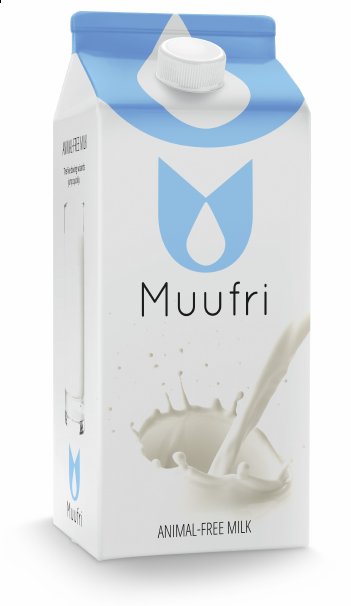
Both Impossible Burger and Perfect Day involve the use of gene technologies. In the case of Perfect Day, genetic engineering was used to create a type of yeast that produces milk proteins. The creation of vegetarian rennet, ethical vanilla, and insulin use similar techniques. The final product is free of yeast, and so is ‘totally non-GMO’.
The Impossible Burger, however, is the subject of some debate as the genetically engineered heme has not previously been in the food supply. A report in August indicated that the US Food and Drug Administration (FDA) had heard from the company that up to a quarter of its haem ingredient was composed of 46 “unexpected” additional proteins, some of which are unidentified and none of which were assessed for safety in the dossier.
…
Claims might have been made about free-range, grass-fed or chemical-free (meaning free from synthetic chemicals). But whatever, the point is that consumers can select to suit their preferences: they pay their money and take their choice.
They might follow perceived health benefits, taste buds, price, convictions or beliefs. But they can pick from a range of options, all of which are subject to regulatory controls in terms of chemical use so that the outcome is safe to eat.
The GLP aggregated and excerpted this article to reflect the diversity of news, opinion and analysis. Read full, original post: Is this synthetic food thing for real?
Personal food preferences aren’t really a rational choice. They’re more like an ideology that’s bordering on a religion.
…
Gillian McCann, associate professor of religious studies at Nipissing University in Ontario, and her co-author, Gitte Bechsgaard, founder of the Vidya Institute in Toronto, have written a book called The Sacred in Exile, What it Really Means to Lose Our Religion. It was released this fall.
In one part of the book, the two write about how food has become more important than church or religion for part of the population.
…
Put another way, people who eat organic or avoid genetically modified food are part of a group with common ethics. And the members of that group likely believe that their values are superior to people not in the group.
…
McCann and Bechsgaard write that this idea of ethical purity can lead to a “sort of food fundamentalism,” or fanatical values and beliefs around food.
The authors also refer to the idea that there are different “dietary faiths,” which could mean that organic food is one type of religion and veganism is a different sect.
If beliefs around food are like a religion for at least a portion of Canadians, it might explain why science isn’t a great way to defend agricultural practices.
The GLP aggregated and excerpted this article to reflect the diversity of news, opinion and analysis. Read full, original post: Food fundamentalism: is food the new religion?
When the direct-to-consumer genetic testing company 23andMe received FDA approval in April to market a test for the e4 variant of the gene APOE4, which is associated with elevated risk of developing late-onset Alzheimer’s disease, it gave people a possible peek into their futures.
About 15 percent of the population has one or two copies of the high-risk gene variant. For a long time the risk of developing Alzheimer’s for e4 double-dose individuals was widely cited as 12-15-fold, and 3-fold for those with one copy. Those figures have declined with re-analysis of the data.
Now a new 31-gene test — yielding a “polygenic hazard score” — can identify individuals at higher risk for the disease, including many who test okay for APOE4 e4. (The gene name stands for “apolipoprotein E epsilon 4 allele.”)
(NHGRI)
A more powerful test
“Beyond APOE4 e4 by itself, our polygenic hazard score can identify cognitively normal and mildly impaired older folks who are at greatest risk for developing Alzheimer’s-associated clinical decline over time,” said Chin Hong Tan, a postdoctoral researcher in the department of Radiology and Biomedical Imaging at the University of California, San Francisco and first author of the paper describing the new test in the Annals of Neurology. Each of the 31 gene variants contributes a small degree to the overall risk.
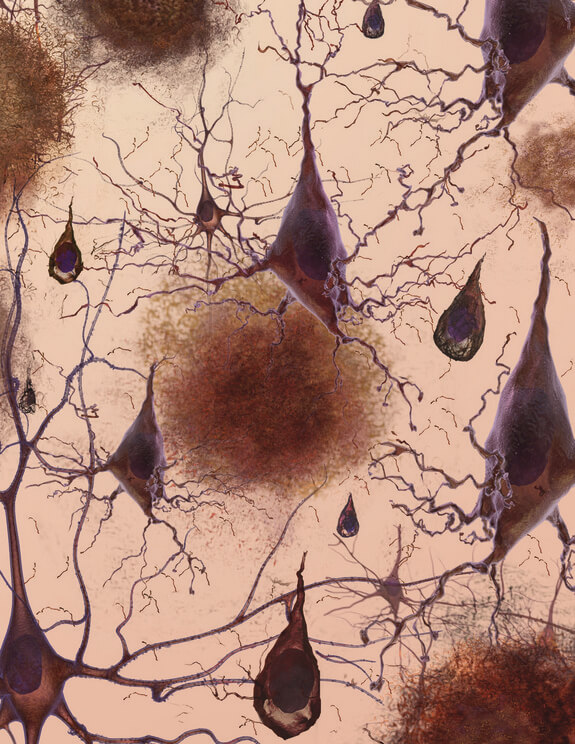
The numbers in the study are impressive: The investigators tracked 31 places within single genes– single nucleotide polymorphisms (SNPs) – where the genomes from 17,008 Alzheimer’s patients and 37,154 controls differ. Then they tested the panel on 1081 people from the National Alzheimer’s Coordinating Center who are “cognitively normal” as well as 571 people with mild cognitive impairment (MCI), which can progress to Alzheimer’s. The researchers used standard tests of memory, naming, trail-making, and other thinking skills, as well as autopsies to identify the telltale plaques and tangles of an Alzheimer’s brain.
The new test panel “significantly predicted risk of progression” to Alzheimer’s, even for people who do not have APOE4 e4 and in the cognitively ok as well as those with MCI. A low score predicts Alzheimer’s by age 85, whereas a high score predicts symptom onset by age 78. That makes sense because risk, of course, increases with age.
APOE4 e4 remains the gene known to confer the highest risk, but the 31-gene combination may be more powerful, and help many more people. The 32 risk genes and a few others aren’t the same as the well-known handful of genes that cause inherited, or familial, Alzheimer’s. That type affects only 600 families worldwide, typically beginning much earlier than APOE4-associated cases.
The familial genes include APP, PSEN1, and PSEN2. In those one percent of Alzheimer’s cases that are inherited, each child of an affected parent faces a 50 percent risk. Health care providers can order dementia panels that probe a dozen or more genes with links to various forms of dementia.
Dual use: Research and self-help
When my grandmother had what I think was Alzheimer’s, in the 1970s, it was called “senile dementia” and more or less regarded as normal aging for some people. That view has changed, but the slow pace of the pathology has hampered development of effective treatments – by the time someone has symptoms and might enroll in a clinical trial to test a new drug, it might be too late to intervene in a process that actually began years if not decades earlier. The new polygenic hazard score may be able to identify healthy people at elevated risk way before that.
Perhaps of more immediate importance, if the polygenic hazard score is validated, is that people can do something with that information. Take a look at the website for “APOE-E4 activists and advocates.” The phrases “genetic pioneers” and “modern day canaries in the coal mine” initially roused my hype-meter, but I was quickly buried in articles published in impressive journals.
The website extols the Bredesen Protocol, named for Dale E. Bredesen, MD, of the Mary S. Easton Center for Alzheimer’s Disease Research at UCLA and the Buck Institute for Research on Aging. This paper from 2014 describes “a novel, comprehensive, and personalized therapeutic program that is based on the underlying pathogenesis of Alzheimer’s disease, and which involves multiple modalities designed to achieve metabolic enhancement for neurodegeneration (MEND).” (Bredesen has since distanced himself from the MEND label, but his work continues on several research fronts.)
The report from 2014 profiles 10 cases, which of course is not the same as a randomized, controlled clinical trial, but they’re fascinating to read – and practical. All the patients had symptoms of cognitive decline: becoming lost in familiar places, leaving the stove on, forgetting pets’ names.
The “therapeutic program” that the 10 people followed typically entailed:
increasing exercise
eating lots of fruits and vegetables
taking various vitamins, probiotics, and prebiotics
decreasing intake of carbs, meat, and dairy
minimizing stress through yoga and/or meditation
The programs were individualized. Some women began or re-started estrogen replacement therapy. A few participants began taking melatonin, and a few eliminated gluten. Some added fish oil. Diagnostic histories varied. Some people had APOE4 testing, and some had PET scans that revealed the low-glucose-uptake brain areas characteristic of early Alzheimer’s.
Patient #1, who’d been seriously considering suicide after having taken care of her mother who’d had Alzheimer’s and noting her own symptoms, stuck to most of the protocol and felt considerably better after 3 months.
For those more technically inclined, a recent paper in Molecular Neurobiology from Bredesen and his colleagues describes APOE4’s role as a transcription factor, meaning that it can activate suites of genes. With a genetic effect that sweeping, an empirical case series makes sense.
More than nutrigenetics
Despite the convincing clarity of the 2014 report, I couldn’t help but be catapulted back to the 2006 investigation from the General Accounting Office that remains such a classic in spotting pseudoscience that I still assign it to my students.
In that study, government investigators submitted DNA samples from a 9-month-old girl and a 48-year-old man to four “nutrigenetics” companies, along with 14 made-up lifestyle/dietary profiles. None of the companies, which offered dietary suggestions and pricey packages of exactly the supplements that an individual purportedly needed to avoid her or his genetic fate, took a health history.
The costly advice from the four nutrigenetics companies tracked with the invented backgrounds of the customers, not with their genetics. And the company report spotted common conditions, to which genes may contribute minimally, and advised generic and obvious strategies, like exercising and eating more veggies.
Concluded the researchers: “Although these recommendations may be beneficial to consumers in that they constitute common sense health and dietary guidance, DNA analysis is not needed to generate this advice.”
But the situation with late-onset Alzheimer’s disease is focused and decidedly different than the bogus nutrigenetics evaluations. Although the 31-gene test requires extensive validation, it has the potential to provide, along with APOE4 testing, a toolbox to find those of us at highest risk, and alert us in time to do something about it. And all of us could benefit from Bredesen’s protocol – probably the sooner the better.
DNA isn’t fate. We almost always have some control.
Ricki Lewis has a PhD in genetics and is a genetics counselor, science writer and author of Human Genetics: The Basics. Follow her at her website or Twitter @rickilewis.
Big Bang cosmology tells us that the universe has a beginning. Therefore, the universe as a whole has a cause; that is, it is created. The syllogism seems simple enough, and it is attractive to many who think that cosmology offers a powerful argument for the universe’s being created. Yet, other cosmological theories speak of our universe as emerging from a primal vacuum without a cause.
…
In The Grand Design, Stephen Hawking and Leonard Mlodinow tell us: “Spontaneous creation is the reason there is something rather than nothing, why the Universe exists, why we exist. It is not necessary to invoke God … to set the Universe going.”
…
For Christians, the traditional reading of the Book of Genesis — reiterated in the Catholic tradition by the solemn pronouncement of the Fourth Lateran Council (1215) — is that the opening words of the Bible, “In the beginning…,” mean that the universe is temporally finite. In other words, the world and time began to be as the result of God’s creative word.
…
One should avoid drawing conclusions about creation from cosmological theories one way or another. Those who do fail to understand that the causal dependence of all things that exist on God is not a scientific hypothesis, but a metaphysical claim.
The GLP aggregated and excerpted this blog/article to reflect the diversity of news, opinion, and analysis. Read full, original post: Can Cosmology Prove or Disprove Creation?
The White House and Congress have lost their way when it comes to science. Notions unsupported by evidence are informing decisions about environmental policy and other areas of national interest, including public health, food safety, mental health and biomedical research. The president has not asked for much advice from his Office of Science and Technology Policy, evidently.
…
We should not allow elected officials—especially the heads of congressional science committees—to interfere with the scientific process, bully researchers or deny facts that fit poorly with their political beliefs. Instead of seeing science as a threat, officials should recognize it as an invaluable tool for improving legislation.
To educate members about the best available research, both the House and Senate science committees should create independent groups of impartial researchers and policy specialists to advise them on science and technology issues, including those related to energy, genetically modified foods, and clean air and water…Policy makers would still make the decisions, but with help from experts, those decisions would at least be based on facts.
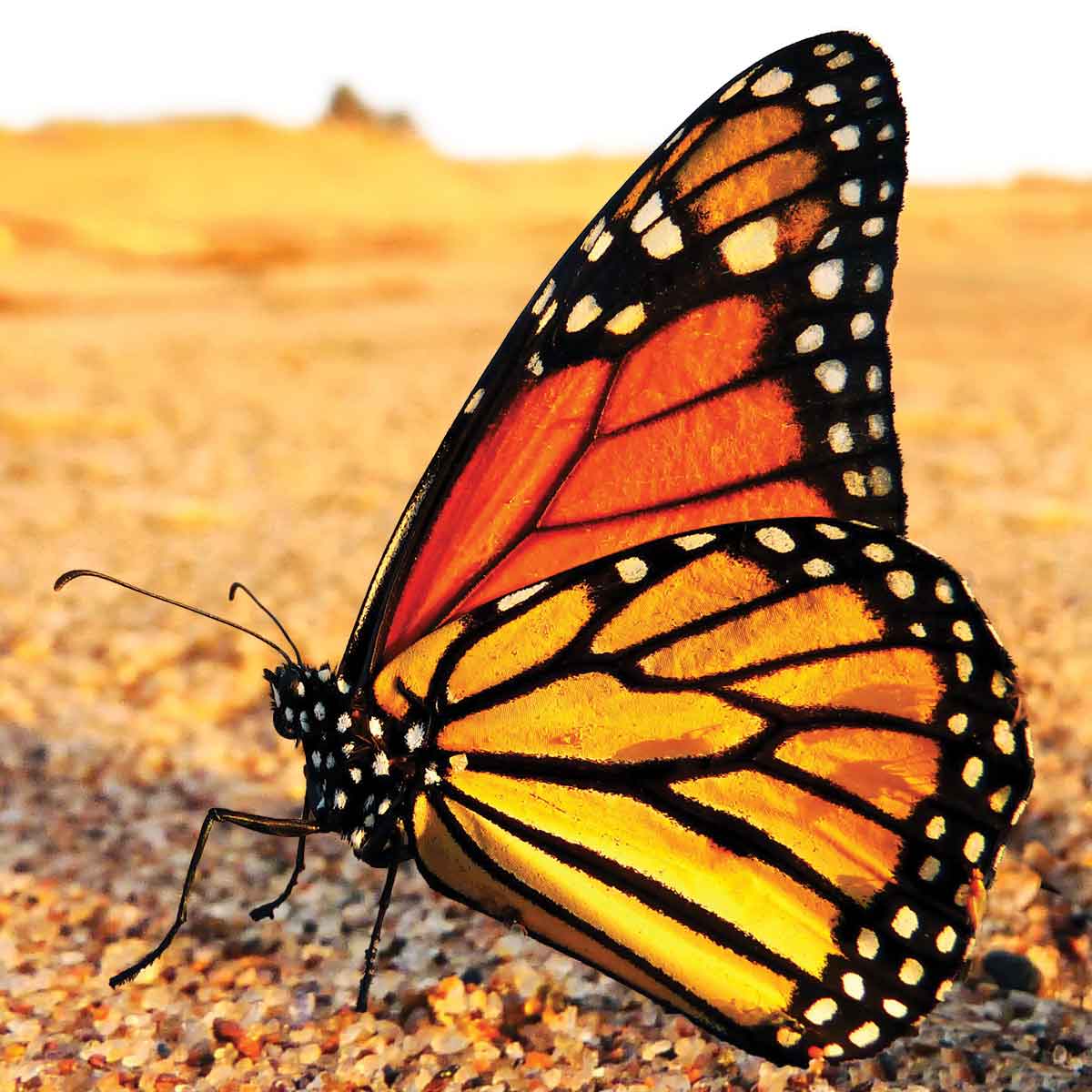
The life cycle of the monarch hinges on the availability of milkweed, but the prevalence of the herbicide Roundup has made milkweed very hard to find: Crops genetically modified to withstand herbicides can be carpet-sprayed, poisoning every wildflower in its wake. Milkweed, which once grew in great stands along the nation’s roadsides and in the margins of farms, essentially disappeared from the American landscape overnight. In 1996, the year before Roundup-resistant soybeans and corn were first planted in the Midwest, the butterflies’ primary migration corridor, there were a billion migrating monarchs in North America. This year there are roughly 109 million, and that number is down 27 percent from just last year. …
Of all the assaults on the monarch population, climate change may prove the most pernicious. In summer, excessive heat stresses developing caterpillars already vulnerable to diseases and predators…Worst of all, climate change threatens the monarchs’ wintering grounds, where very specific environmental conditions keep them in a hibernation-like state. In winter, unstable temperatures in Mexico can wake the butterflies too early from hibernation, sending them north before the nectar flowers they feed on have bloomed. And by some estimates, that microclimate high in the mountains of Mexico will all but disappear by 2030.
The GLP aggregated and excerpted this article to reflect the diversity of news, opinion and analysis. Read full, original post: Meddling with Monarchs
We are used to hearing that meditation is good for the brain, but now it seems that not just any kind of meditation will do. Just like physical exercise, the kind of improvements you get depends on exactly how you train – and most of us are doing it all wrong.
…
[In one study] mindfulness meditation increased thickness in the prefrontal cortex and parietal lobes, both linked to attention control, while compassion-based meditation showed increases in the limbic system, which processes emotions, and the anterior insula, which helps bring emotions into conscious awareness. Perspective-taking training boosted regions involved in theory of mind.
…
A second study looked at meditation’s impact on stress levels in the same volunteers. Many studies have reported that meditation makes people feel calmer, but the effects on levels of the stress hormone cortisol have been mixed. The problem could be that meditation tends to be a solo activity.
The researchers found that mindfulness meditation alone made the volunteers feel calmer when asked to give a presentation at short notice, but their cortisol levels were no different from those in controls.
…
[S]tress is linked to mental health problems and disease, and the new findings suggest that mindfulness meditation alone may not save us from it.
Decades ago, when activist groups were promoting every trace chemical they could find as a carcinogen, the American Council on Science and Health debunked a lot of those myths with the help of Walter Cronkite, the long-time CBS anchor who had become known as “the most trusted man in America.” The documentary was called “Big Fears, Little Risks” and what we importantly noted was that an alarming number of cancers were caused by smoking and obesity.
We’ve been saying it for a long time, just the percentage has changed as America got more obese. According to the CDC, 630,000 Americans got a cancer associated with obesity in 2014, an increase of seven percent from 2005. Meanwhile, the epidemic of cancers we were told we were sure to get due to chemicals by NRDC, CSPI, EWG and all the rest? Never happened. They were then, as now, a revenue-generating myth, just as we assured the public.
…
Even though they have been debunked repeatedly, environmentalists still have a solid business model in selling chemophobia. Fear makes money, while ‘your food is safe’ remains a lousy business model. ]
The GLP aggregated and excerpted this blog/article to reflect the diversity of news, opinion, and analysis. Read full, original post: Obesity Linked To 40 Percent Of Cancers
It’s easy to chalk up [Las Vegas mass shooter Stephen] Paddock’s horrific actions simply to “evil,” as politicians and media are inclined to do. But if it’s possible to gain insight into his actions at a biological level, we might be in a better position to fend off such tragedies in the future.
…
[A] tumor isn’t the only thing that can cause such changes in behavior: strokes or a traumatic brain injury can do the same. And one disorder in particular deserves mention: frontotemporal lobar degeneration (FTLD). Although the name is long, this simply refers to a deterioration of two lobes of the brain, the frontal and the temporal.
…
Patients with FTD often display altered moral feelings, diminished empathy and disinhibited behavior. Among other things, it affects a part of the brain known as the ventromedial prefrontal cortex, one of the key areas involved in moral emotions about others. Damage to that area is sometimes referred to in the medical literature as an “acquired psychopathy.”
Finally, we can’t rule out the possibility that Paddock’s erratic behavior resulted from some nefarious combination of problems: for example, there’s no reason one cannot be psychopathic, take drugs, alcohol, or medications, and have FTD as well.
The GLP aggregated and excerpted this blog/article to reflect the diversity of news, opinion, and analysis. Read full, original post: The mystery of Stephen Paddock’s brain
Survival of the fittest is a fundamental concept in Darwin’s theory of natural selection which drives evolution.
However, when it comes to agriculture and plant breeding, the traits which make a single plant individual a good competitor and increases its fitness as an individual is not necessarily the same characteristics that increase the total yield of a group of plants on the field.
These are the findings in a new study from Copenhagen University just published in the journal Ecology [read the full study here]. Jacob Weiner, Professor in plant ecology, is responsible for new research within the area Evolutionary Agroecology or as it is also known, Darwinian Agriculture.
…
The new principles should encourage selecting new plant breeds based on the characteristics of group selection, a phenomenon which is only rarely observed in nature.
Much plant breeding and especially genetic engineering is aimed at creating “better” plants, e.g. plants with more effective photosynthesis or that grow faster. According to evolutionary thinking, these efforts are not likely to succeed, because natural selection has been optimizing these attributes for millions of years.
“We can only better than natural selection if we try to do something natural selection will not do, such as breed unselfish plants” says Weiner.
You might imagine that doing well in school or at work might lead to greater life satisfaction, but several large scale studies have failed to find evidence that IQ impacts life satisfaction or longevity. Grossman and his colleagues argue that most intelligence tests fail to capture real-world decision-making and our ability to interact well with others. This is, in other words, perhaps why “smart” people, do “dumb” things.
The ability to think critically, on the other hand, has been associated with wellness and longevity. Though often confused with intelligence, critical thinking is not intelligence. Critical thinking is a collection of cognitive skills that allow us to think rationally in a goal-orientated fashion, and a disposition to use those skills when appropriate.
…
Is it better to be a critical thinker or to be intelligent? My latest research pitted critical thinking and intelligence against each other to see which was associated with fewer negative life events. People who were strong on either intelligence or critical thinking experienced fewer negative events, but critical thinkers did better.
…
Intelligence is largely determined by genetics. Critical thinking, though, can improve with training and the benefits have been shown to persist over time. Anyone can improve their critical thinking skills: Doing so, we can say with certainty, is a smart thing to do.
The GLP aggregated and excerpted this blog/article to reflect the diversity of news, opinion, and analysis. Read full, original post: Why Do Smart People Do Foolish Things?
Experimental implants manufactured at University College London were sent abroad and used on patients despite not having approval for human use, an inquiry has found. The implants included an artificial windpipe, a synthetic tear duct and an arterial graft.
The inquiry, led by Stephen Wigmore of the University of Edinburgh at the request of UCL, was triggered by the university’s relationship with Paolo Macchiarini, a surgeon at the centre of a scandal in which six of eight patients who received synthetic windpipes died.
…
The inquiry found that Seifalian’s laboratory was not licensed to make clinical grade devices and did not request permission to use the unlicensed devices. In a written testimony to the inquiry, Macchiarini indicated that he was not aware that the graft had not been made to clinical standard.
…
In a statement, UCL said: “We deeply regret that materials that had not undergone rigorous preclinical assessment and which were not made to [approved] standards, were manufactured and supplied by Professor Alexander Seifalian’s research laboratory for direct clinical use. Our governance systems should have prevented that. We also regret the wider, negative impact that this work had on the field of regenerative medicine research.”
Privacy campaigners have criticised genealogy company Ancestry.com for continuing to keep customers’ DNA data. The move comes despite the firm axing a controversial “perpetuity clause” from its terms and conditions.
…
It has now emerged that while Ancestry did change the wording of its small print, in practice users’ DNA records are still not deleted unless requested. The UK’s data protection watchdog, the office of the Information Commissioner, told the BBC that Ancestry complied with current rules, which do not require companies to routinely delete individuals’ DNA profiles. Based in Utah, AncestryDNA tells customers about their genetic ethnicity through saliva samples and claims to have more than four million DNA profiles in its database.
The company’s terms and conditions formerly granted it a “perpetual, royalty-free, worldwide, sub-licensable, transferable licence” to users’ DNA data, for purposes including “personalised products and services”. Following criticism of its plans to keep DNA samples forever, the company removed the offending word, “perpetual”. “Customers own their DNA and data and control what we do with it,” a representative told You and Yours.
…
“There is no need for Ancestry DNA to hold on to this information any longer than is necessary after they have given back the results,” said a [Big Brother Watch group] representative.
The GLP aggregated and excerpted this blog/article to reflect the diversity of news, opinion, and analysis. Read full, original post: AncestryDNA angers privacy campaigners
Neanderthals are the closest evolutionary relatives identified to date of all people living today. They are so close to us that some people — those of European and Asian heritage — retain a fair amount of DNA from these big-brained, big-headed hominids who once dominated much of the world.
Now new research finds that Neanderthals are even more with us than previously suspected. A paper published in the journal Science finds that individuals whose primary heritage lies outside of Africa possess 10–20 percent more Neanderthal DNA than was reported earlier, with probable influences on their appearance, behavior, health, and even habits, such as smoking.
East Asians were found to carry somewhat more of this DNA, 2.3–2.6 percent, than people now living in Western Eurasia, 1.8–2.4 percent.
…
A second new paper concerning Neanderthals, published …in the American Journal of Human Genetics, finds that their genetic influence in living populations also extends to skin tone, hair color, sleep patterns, mood, and a person’s smoking status.
…
But research in this field does suggest that each person alive today possess a unique genome tied to his or her particular ancestry — both recent and going back tens of thousands of years. Beyond environmental influences, these DNA signatures underlie the very essence of people, affecting everything from their appearance to their health.
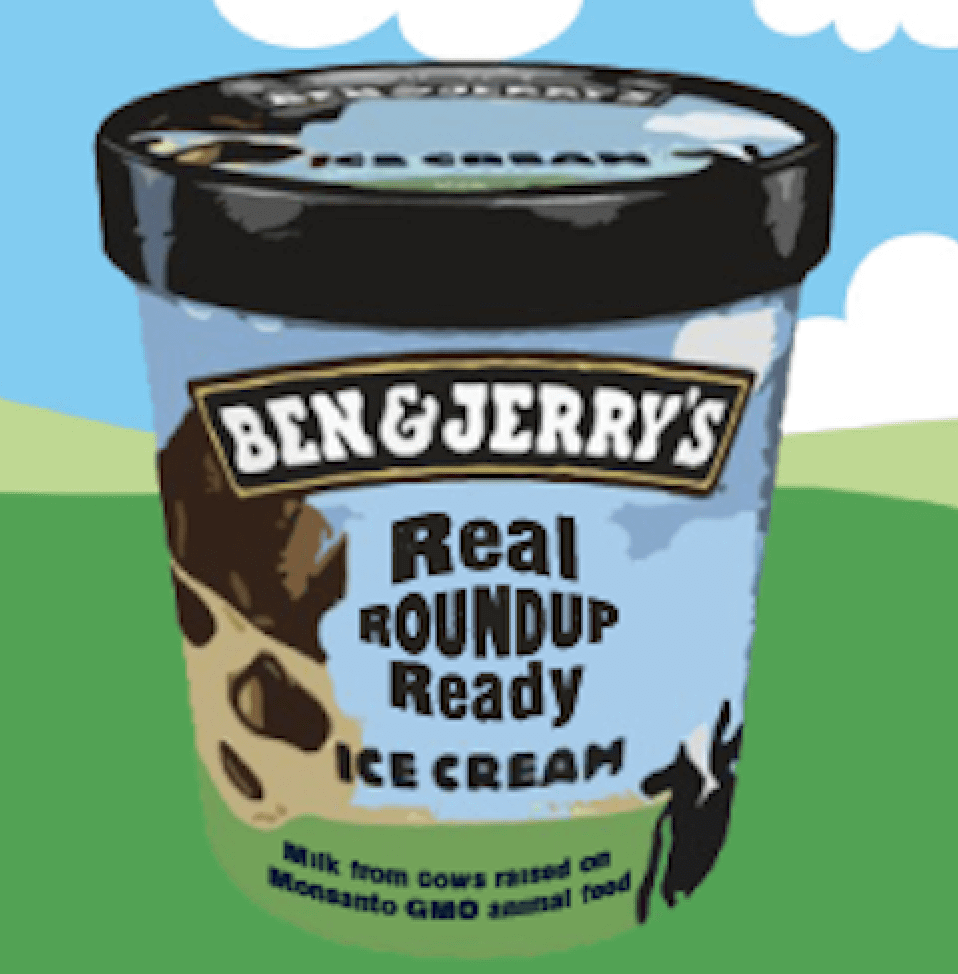
Ben & Jerry’s has moved to cut all glyphosate-tainted ingredients from its production chain and introduce an “organic dairy” line next year, after a new survey found widespread traces of the controversial substance in its European ice-creams.
…
The trigger for [the] move was a survey which found that popular B&J 500ml tubs of flavours such as Peanut Butter Cup, Half Baked and Chocolate Fudge Brownie in the UK all contained between 1 and 1.23 parts per billion of glyphosate.
Other B&J flavours that tested positive for glyphosate in France, Germany and the Netherlands were: Karamel Sutra Core, Cinnamon Buns, Cookie Dough and Topped Chocolate Caramel Cookie Dough.
Ronnie Cummins, the international director of the Organic Consumers Association, which commissioned the new survey, said: “Although we are happy to hear that consumer pressure has forced Unilever/Ben and Jerry’s to declare that some of their non-dairy ingredients will no longer be sprayed with RoundUp … the campaign to force Ben and Jerry’s to begin the transition to 100% organic will continue until the company signs a legally binding agreement and timeline to make this global transition over the next three to five years.”
European food safety authority guidelines put the levels of glyphosate found in the HRI tests well within safe limits.
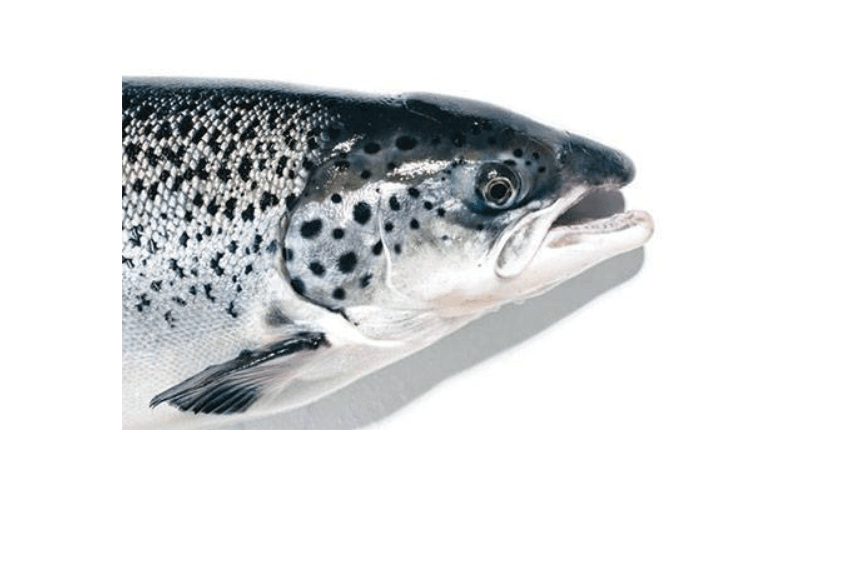
Four-and-a-half tons of genetically modified salmon have been released into the Canadian food market, and consumers have no way of knowing exactly where.
The release has roiled GM food skeptics, who say there’s no way for them to figure out whether the fish—sold by Massachusetts-based AquaBounty Technologies—were purchased by Canadian retailers, restaurants, or food service operators. Even more frustrating to them, the Canadian government does not require GM foods be labeled as such, making them virtually impossible to avoid.
…
What’s happening in Canada with the rollout of the salmon—the first country in which it will be sold—is noteworthy because, in the last decade, a negative narrative, fair or unfair, has developed around genetically modified foods, driven by a relatively small but vocal contingent of skeptics who want to avoid eating those foods. Until now their ire has been aimed at GM corn, soybeans, and other plant products. But AquaBounty is introducing the first genetically-modified food animal to its first market, a powerful moment for future foods.
…
Quartz reached out to AquaBounty to learn more about the salmon rollout and its future plans. The company did not make someone available to discuss those topics.
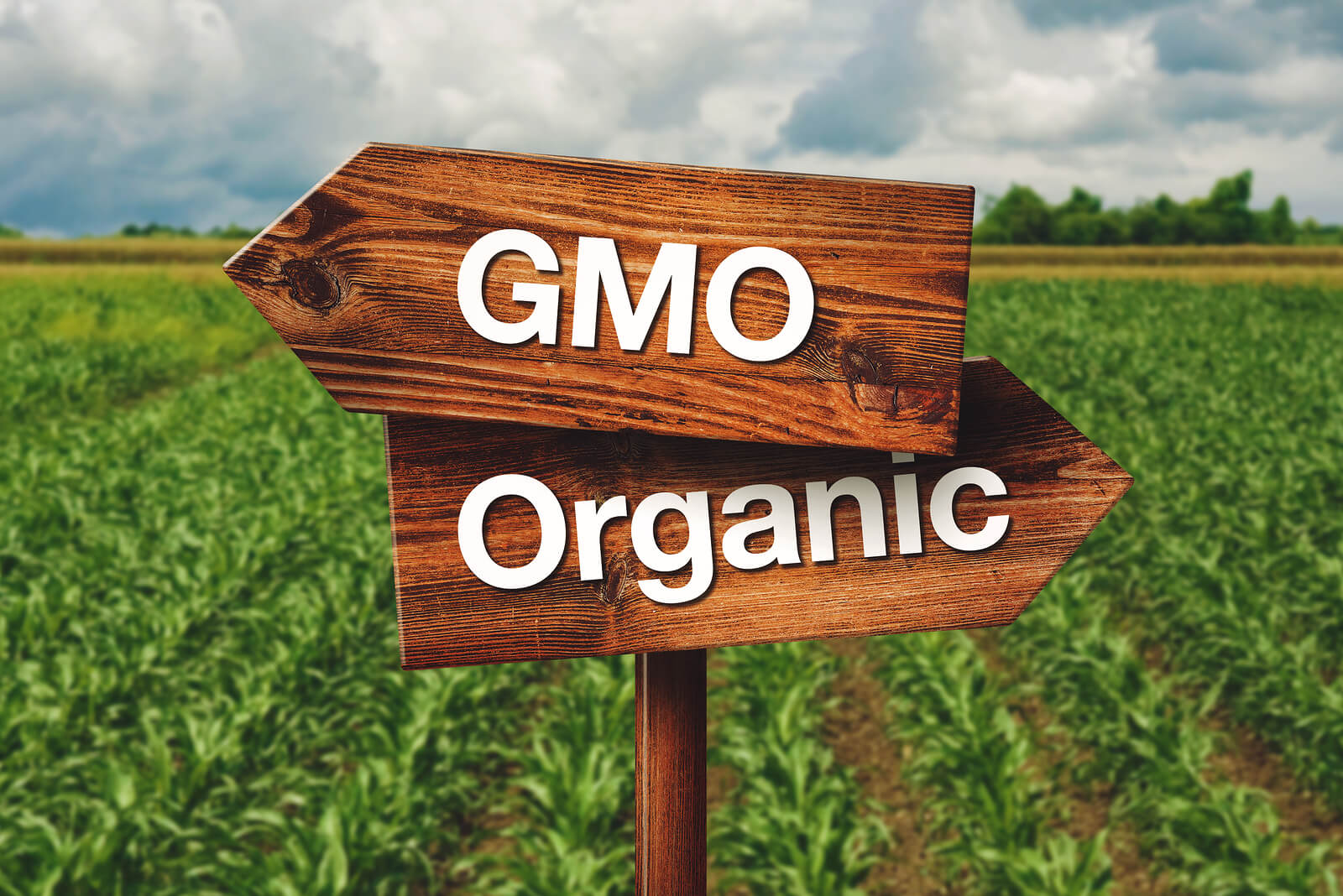
Among some GMO critics and skeptics, there is an oft-stated belief that organic farming is friendlier to the land and the environment. They argue that organic farmers take better care of their soil by avoiding many of the pesticides and herbicides used by conventional farmers.
It is an argument that has been challenged in recent years by dozens of studies that have examined factors such as crop yields and the use of land, pesticides and energy. And now a meta analysis of 164 scientific papers suggests that modern conventional farming has a clear advantage over organic farming in several key areas, particularly in the amount of land required to produce the same volume of crops. There are, however, some things that conventional farming could learn from organic systems, according to the authors.
The paper, published in June in the journal Environmental Research Letters, was written by Michael Clark, a University of Minnesota graduate student who researches the environmental and health impacts of dietary changes, and David Tilman, an ecology professor at the university.
The researchers compared the impact of conventional versus organic farming in five areas: land use; greenhouse gas emissions; energy use; acidification potential (the increase of acidity in the ecosystem, which can impede plant growth); and eutrophication potential (increases here can impact the environment by increasing algal blooms and aquatic dead zones).
And organic farming came up short, according to the study:
Per unit of food produced, organic systems had higher land use and eutrophication potential, tended to have higher acidification potential, did not offer benefits in GHGs, but had lower energy use.
One of the more significant problems facing organic farms is a pronounced yield gap – particularly when it comes to row crops – compared to conventional farming. Organic farms required 25 to 110 percent more land to make up for that gap, according to the study. And while organic farms tend to use less energy (15 percent lower), that doesn’t translate into significantly lower greenhouse gas emissions (4 percent lower).
Energy use is lower in organic systems because of organic’s reduced reliance on energy-intensive synthetic fertilizer and pesticide inputs. GHG emissions are similar in organic and conventional systems because of the trade-off between application of synthetic fertilizer in conventional systems and use of manure in organic systems.
This sort of trade-off is also seen in the impact of these farm systems on nearby biodiversity. The researchers said biodiversity tends to be stronger near organic farms, likely because of lower use of fertilizer, herbicides and pesticides.
However, organic agriculture would likely have a net negative impact on biodiversity and soil organic carbon at larger spatial scales because of the greater land clearing required under organic agriculture and because biodiversity and carbon stocks decrease dramatically with conversion from natural habitats.
Still, they stopped well short of criticizing organic agriculture. They argued that half of the land-use difference between organic and conventional could be eliminated through better use of “rotational farming, cover cropping, multi-cropping, and polyculture.” They also suggested that we would do well to consider some of the features of organic systems while looking for ways to improve the efficiency of crop production without damaging the land:
Developing production systems that integrate the benefits of conventional, organic, and other agricultural systems is necessary for creating a more sustainable agricultural future…Combining the benefits of different production systems, for example organic’s reduced reliance on chemical inputs with the high yields of conventional systems would result in a more sustainable agricultural system.
The overall analysis is in line with previous work on the subject. Studies have shown that organic crops lag behind their conventional counterparts by 10 to 35 percent on a yield per-acre basis. The gap can be even higher with some grains and vegetables. These gaps have been established both by meta-analysis of published research and by USDA surveys. In 2012, a team of Canadian and US researchers published a report in Nature, detailing their meta analysis of crop data for conventional versus organic farming. Among their conclusions:
Our analysis of available data shows that, overall, organic yields are typically lower than conventional yields. But these yield differences are highly contextual, depending on system and site characteristics, and range from 5% lower organic yields (rain-fed legumes and perennials on weak-acidic to weak-alkaline soils), 13% lower yields (when best organic practices are used), to 34% lower yields (when the conventional and organic systems are most comparable).
For 2014 in the US, agricultural scientist and consultant Steve Savage examined USDA data and found organic corn faced a 35 percent shortfall; soybeans 31 percent; and cotton 45 percent.
If our world had a static population, these shortfalls might not be so critical. But our population is rising, and people around the globe are demanding higher quality food and nutrients.
Global food output is expected to roughly double by 2050. And while organic farming has much to offer, it can’t compete with conventional farming in terms of food production.
Ramez Naam, author of Infinite Resource: The Power of Ideas on a Finite Planet, has outlined the consequences of converting the world to an organic-focused farming system. One feature not often highlighted–the need for a dramatic increase in the number of cows needed to generate organic fertilizer, and its ecological consequences:
If we wanted to reduce pesticide use and nitrogen runoff by turning all of the world’s farmland to organic farming, we’d need around 50% more farmland than we have today. … the world would need an additional 5 to 6 billion head of cattle to produce enough manure to fertilize that farmland. There are only an estimated 1.3 billion cattle on the planet today. Combined, we’d need to chop down roughly half of the world’s remaining forest to grow crops and to graze cattle that produce enough manure to fertilize those crops. Clearing that much land would produce around 500 billion tons of CO2, or almost as much as the total cumulative CO2 emissions of the world thus far. And the cattle needed to fertilize that land would produce far more greenhouse gasses, in the form of methane, than all of agriculture does today, possibly enough to equal all human greenhouse gases emitted from all sources today. That’s not a viable path.
Still, organic farming advocates say that argument misses the point: Organic and non-GMO farming are necessary components to preventing the degradation of the soil that has occurred in some regions of the world as part of the Green Revolution, dependent on fertilizers and pesticides, which dramatically altered farming practices 60 years ago.
Mark Smallwood, Executive Director of the Rodale Institute, which has pioneered organic farming in the United States, maintains the principles of organic farming are both sustainable and practicable. According to the Washington Post, he has challenged “the incorrect notion that humans are smarter than Mother Nature, and we need man-made answers. We always rely on cultural practices, methodologies and products aimed at working with nature, and synthetics throw off that balance.” Smallwood emphasizes that soil health is critical, and that building it is the way to “leave more resources for future generations.”
Tim Barker, managing editor for the Genetic Literacy Project, is a veteran reporter, most recently with the Orlando Sentinel and St. Louis Post Dispatch. BIO. Follow him on Twitter @tbarker13.
A new study from scientists with the International Maize and Wheat Improvement Center (CIMMYT) shows that drought tolerant (DT) maize varieties can provide farming families in Zimbabwe an extra 9 months of food at no additional cost [read the full study here]. As climate change related weather events such as variable rainfall and drought continue to impact the southern African nation at an increasing rate, these varieties could provide a valuable safety net for farmers and consumers.
The study found that households that grew DT maize were able to harvest 617 kilograms more maize per hectare than households that did not grow DT maize varieties. This translates into $240 per hectare extra income for households that grow DT maize varieties, equivalent to 9 months’ worth of additional food security.
As 93 percent of households surveyed grow improved maize varieties using seed purchased from local markets, this shows that by switching to DT varieties local farmers could greatly improve their livelihoods and food security at no additional cost. Currently, only 30 percent of households surveyed grow DT varieties.
…
Adoption of drought-tolerant maize varieties by farmers is crucial to maintaining food security in the region. Studies have shown that CIMMYT DT maize varieties can increase yields by 40 percent under severe drought conditions compared to local commercial varieties.
The GLP aggregated and excerpted this article to reflect the diversity of news, opinion and analysis. Read full, original post: Drought tolerant maize provides extra 9 months of food for farming families
The gene-editing tool CRISPR is based on a natural defense system embedded in bacterial cells that recognizes and destroys invading viral DNA.
What if we could add that same attack mechanism to our own cells? A biotech startup, Locana, is trying to do just that by inserting the CRISPR machinery into human cells to equip the body to fight Huntington’s disease and amyotrophic lateral sclerosis, also known as Lou Gehrig’s disease.
To do it, Gene Yeo, the company’s cofounder and a professor of cellular and molecular medicine at the University of California, San Diego, School of Medicine, is repurposing CRISPR to go after a different target: RNA, the messenger molecule involved in transferring and decoding the genetic information stored in DNA.
In diseases like ALS, Huntington’s and some types of muscular dystrophy, RNA builds up and makes aberrant proteins that cause disease.
…
Normally, CRISPR uses a slicing protein called Cas9 that recognizes and chops up the desired DNA, eliminating a mutated gene. Yeo and his team modified Cas9 to leave DNA alone and instead bind to and cut problematic RNA.
…
Knocking down these RNAs is only temporary, though. RNA constantly regenerates, so its level in cells eventually rebounds back to normal after a few days to a week.