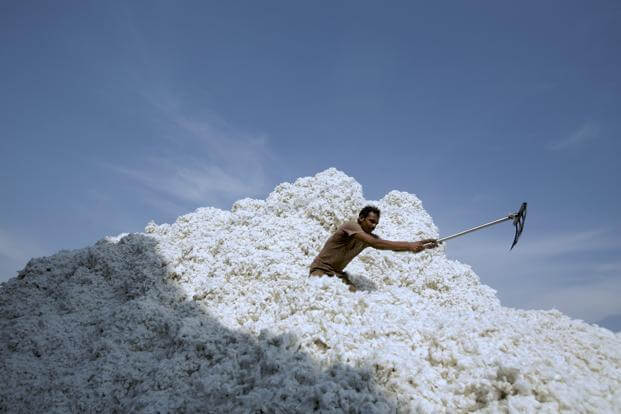
Three leading Indian cotton seed makers have settled an intellectual property dispute with Monsanto Co over its genetically modified (GM) seed technology, partly ending a legal tussle that has drawn in the Indian and U.S. governments.
Ajeet Seeds, Kaveri Seed Co Ltd and Ankur Seeds were among six Indian companies that delayed payments to Monsanto, demanding a cut in royalties they paid to the U.S. firm to license its technology.
…
Mahyco Monsanto Biotech (India) (MMB), a joint venture between Monsanto and local firm Mahyco, licenses a gene that produces its own pesticide to more than 45 local cotton seed companies in lieu of royalties and an upfront payment.
Acting on complaints by some local seed companies that MMB’s royalties were too high, the farm ministry last year cut the fees these local firms paid to Missouri-based Monsanto. (reut.rs/2yf4qvA)
Since then, Monsanto – which is being bought by Germany’s Bayer for $66 billion – has been at loggerheads with the seed firms and India’s government over how much it can charge for its GM cotton seeds, costing it tens of millions of dollars in lost revenue a year.
Ajeet Seeds and Ankur Seeds told Reuters on Wednesday they had resolved their differences with Monsanto. Calls to Kaveri Seeds’ CEO G.V. Bhaskar Rao were not answered.
Human evolution can seem like a phenomenon of the distant past which applies only to our ancestors living millions of years ago. But human evolution is ongoing. To evolve simply means that mutations – the accidental changes to genes that happen normally in the process of copying DNA – are becoming more or less common in the population over time.
These changes can happen by chance, because the individuals who reproduced happened to carry a particular mutation somewhat more often than individuals who didn’t have children. They can also happen because of natural selection, when carriers of a specific mutation are better able to survive, reproduce or tend to their family members – and therefore leave more descendants. Every biological adaptation, from the ability of humans to walk upright on two feet to flight in birds, ultimately traces back to natural selection acting on these minute changes, generation after generation.
So humans are definitely still evolving. The question is whether we are still adapting: Are individuals who carry harmful mutations living less long, reproducing less – ultimately leaving fewer descendants? For instance, terrible eyesight may have been a major survival disadvantage living on the savanna, but with glasses and laser surgery, it’s unlikely to prevent people from living a long life today. How commonly then are mutations under selection in contemporary humans?
Long time scale makes evolution hard to study
Because adaptations involve tiny changes in the frequencies of mutations from generation to generation and their fortune plays out over tens to hundreds of thousands of years, they are incredibly hard to study directly – at least in long-lived organisms such as people.
So while there is overwhelming evidence for human evolution and unequivocal footprints of adaptation in the genome, rarely have scientists been able to directly observe natural selection operating in people. As a result, biologists still understand very little about the workings of natural selection in humans.
Indeed, one of the clearest footprints of a past adaptation in the human genome involves a mutation that permits milk to be digested in adulthood. This mutation in the lactase gene rapidly rose in frequency with the rise of dairy farming thousands of years ago, independently in multiple populations. It’s the reason some people can drink milk as adults, whereas most remain lactose intolerant.
But even in this well-studied case, let alone for the rest of the genome, researchers don’t know whether the mutation was beneficial for survival or for reproduction; whether the benefits were the same for both sexes, or across all ages; or whether the benefit depended on the environment (for instance, availability of other food sources). As pointed out by evolutionary biologist Richard Lewontin in the 1960s, to learn these properties of natural selection would require a massive study, in which genetic and genealogical information is obtained for hundreds of thousands of people.
Fifty years later, our group realized that this thought experiment is starting to become feasible. We sought large biomedical data sets that would let us learn about mutations that affect survival.
Looking at gene frequency across age groups
Our basic idea was that mutations that lower the chance of survival should be present at lower frequency in older individuals. For example, if a mutation becomes harmful at the age of 60 years, people who carry it have a lower chance to survive past 60 – and the mutation should be less common among those who live longer than that.
We therefore looked for mutations that change in frequency with age among around 60,000 individuals from California (part of the GERA cohort) and around 150,000 from the U.K. Biobank. To avoid the complication that people whose ancestors lived in different places carry a somewhat different set of mutations, we focused on the largest group with shared ancestry within each study.
People who carry a variant of the APOE gene die at a higher rate and are less common among the old age categories.Mostafavi et al, PLOS Biology, CC BY
Across the genome, we found two variants that endanger survival. The first is a variant of the APOE gene, which is a well-known risk factor for Alzheimer’s disease. It drops in frequency beyond age 70. The second harmful variant we found is a mutation in the CHRNA3 gene. Associated with heavy smoking, this inherited mutation starts to decrease in frequency at middle age in men, because carriers of this mutation are less likely to survive longer.
Both deleterious variants only had an effect long after the typical ages of reproduction for both females and males. Biologists usually consider such mutations to not be under selection. After all, by late middle age, most people have already passed their genes on to whatever offspring they’ll have, so it seems like it might not matter how long they live beyond that point.
Why then would we only find two, when our study was large enough to detect any such variant, if common in the population? One possibility is that mutations that only imperil survival so late in life almost never arise. While that is possible, the genome is a large place, so that seems unlikely.
Smokers who carry a mutation in the CHRNA3 gene tend to smoke more cigarettes per day and so are more exposed to harmful effects of smoking. NeONBRAND on Unsplash, CC BY
The other intriguing possibility is that natural selection prevents even late-acting variants from becoming common in the population by natural selection, if they have large enough effects. Why might that be? For one, men can father children in old age. Even if only a tiny fraction of them do so, it may be enough of an evolutionary fitness cost for selection to act on. Survival beyond the age of reproduction could also be beneficial for the survival of related individuals who carry the same mutations, most directly children. In other words, surviving past typical reproductive ages may be beneficial for humans after all.
Your mutations do influence your survival
In addition to examining one mutation at a time, we were also interested in considering sets of mutations that have all been shown to influence the same trait, and might have very subtle effects on survival individually. For example, researchers have identified approximately 700 common mutations that influence height, each contributing only millimeters. To this end, we considered tens to hundreds of mutations that shape variation in one of 42 traits.
We found genetic mutations linked to a number of diseases and metabolic traits that decrease survival rates: individuals who are genetically predisposed to have higher total cholesterol, LDL cholesterol, risk of heart disease, BMI, risk of asthma or lower HDL cholesterol tend to die younger than others.
Perhaps more surprisingly, we discovered that people who carry mutations that delay puberty or the age at which they have their first child tend to live longer. It was known from epidemiological studies that early puberty is associated with adverse effects later in life such as cancer and obesity. Our results indicate some of that effect is probably due to heritable factors.
So humans carry common mutations that affect their survival and natural selection appears to act on at least a subset, in some contemporary environments. But what is bad in one context may well not be in another; as one example, the CHRNA3 variant has an effect because people smoke. These are early days, however, and our findings offer only a first glimpse of what can soon be gleaned from millions of genomes, in combination with genealogical records. In future work, it will be important to study not only lifespan, but also the number of children and grandchildren individuals leave, as well as populations and environments worldwide.
Hakhamanesh Mostavi is a Ph.D. student in Biological Sciences at Columbia University. He studies natural selection in contemporary humans. Joe Pickrell is an adjunct professor of Biological Sciences at Columbia University. Molly Przeworski is a professor of Biological Sciences at Columbia University.
[Editor’s note: Michelle Miller is the Farm Babe, is an Iowa-based farmer, public speaker and writer, who lives and works with her boyfriend on their farm which consists of row crops, beef cattle, and sheep.]
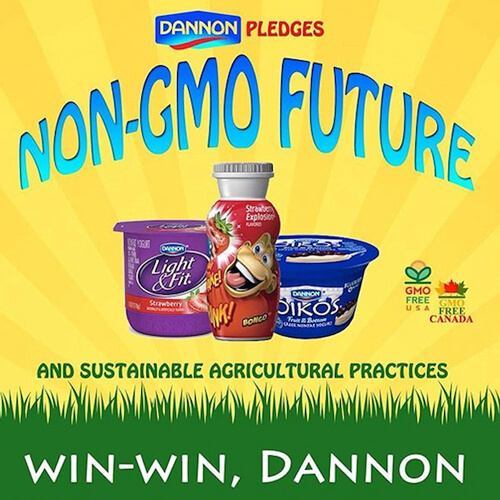
A little over a year ago, Dannon yogurt announced they would be transitioning to non-GMO sourced feed for the dairy cows that provide the milk for Dannon yogurt.
This is a problem for many reasons.
…
A lot of feed is imported to keep up with the non-GMO demand, and they don’t have to be fed non-GMO all the time to keep the label. In a marketing campaign where French-based Danone claims they want to be more “sustainable,” why are they turning their backs on science and being dishonest? Outsourcing goes against a mission of sustainability no doubt, when you could source from right there in the heartland.
It’s already less sustainable by switching to non-GMO in the first place. Dannon seems to be headed down the road of deceptive marketing gimmicks to sell their products just as companies like Chipotle did. Fear sells, so make something like “GMO” sound scary and rake in the cash.
But is it helping? Sales within a Dannon were on the decline, so they acquired more business and started this “non-GMO” marketing campaign. Despite the fact that modern agriculture groups vehemently opposed this decision, that didn’t stop them.
So, hey, Dannon, how’s it going? Not well, according to this report from Bloomberg, [the stock of its parent company, Danone, is] lower than it’s been in a decade after making this non-GMO announcement last year.
Cornell researchers found negative consequences of the weed-killing herbicide glyphosate on pseudomonas, a soil-friendly bacteria [read the full study here].
…
[Gyphosate] applied to crops can drain into the soil and disrupt the molecular factories in the bacterial cells in some species, interfering with their metabolic and amino acid machinery.
The new findings show that glyphosate does not target the amino acid production and metabolic gadgetry equally among the pseudomonas species.
For example, when Pseudomonas protegens, a bacteria used as a biocontrol agent for cereal crops, and Pseudomonas fluorescens, used as a fungus biocontrol for fruit trees, were exposed to varying glyphosate concentrations, the researchers noted no ill effects.
However, in two species of Pseudomonas putida used in soil fungus control for corn and other crops, the bacteria had notably stunted growth, said Aristilde, who is a faculty fellow at Cornell’s Atkinson Center for a Sustainable Future.
“Thus, if a farmer is using Pseudomonas fluorescens as a biocontrol, then it is probably OK to use glyphosate,” Aristilde said. “But if the farmer uses Pseudomonas putida to control the fungus in the soil, then glyphosate is more likely to prevent the bacteria from doing its job.”
In Jon Rice’s office is a small incubator full of tiny insect eggs—one of many such incubators kept at Kraig Biocraft Laboratories (KBL), the Michigan-based polymer development company where Rice is chief operations officer. From these eggs will hatch tiny silkworms, caterpillars of the domesticated silk moth Bombyx mori….
But these are no ordinary silkworms…. For a start, “the eyes and the feet of our silkworms glow, if you look at them under the right UV filter,” he explains. And the cocoons the silkworms later produce “have a slight greenish hue.”
With the help of inserted spider genes, newly hatched transgenic silkworms can spin silk that is closer to that spun by arachnids.
The glow comes courtesy of a fluorescent protein used as a marker to confirm that several genes for spider-silk proteins have been successfully edited into the silkworm genome. Unlike regular domestic silkworms…KBL’s stock is raised to produce what the company hopes may be one of the toughest fibers on earth.
…
The company has created 20 transgenic lines of silkworms that spin cocoons containing spider silk proteins. Dragon Silk, one of the latest products made from the fibers of these cocoons, is stronger than steel and tougher, lighter, and more flexible than Kevlar (though it has slightly lower tensile strength than this synthetic fiber). The company now holds a million-dollar contract with the US Army, which is exploring possible uses in defensive clothing and other gear.
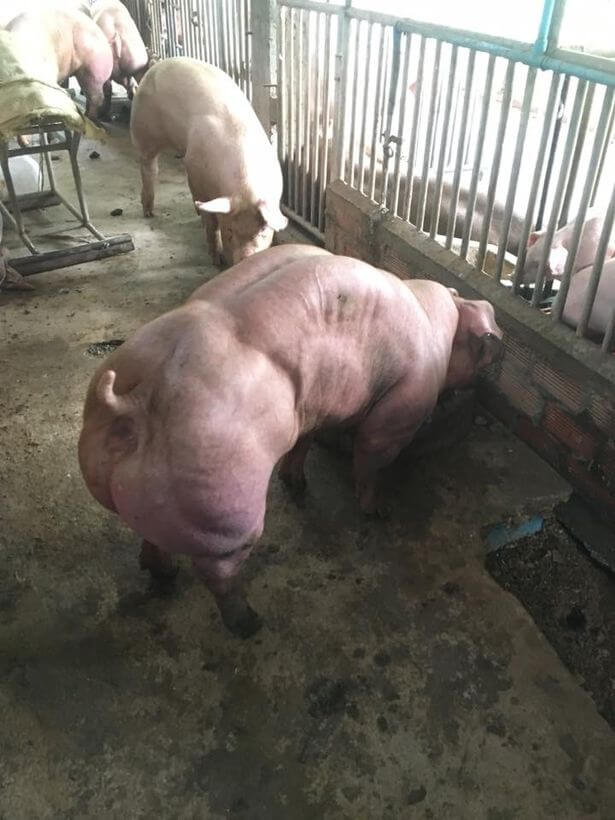
Pigs are being bred on a farm in Cambodia, and their enormous size and hulking muscles are raising alarm. The shocking sight of these “double-muscle” pigs—with enlarged buttocks and generally outsize physique—have stirred outrage, particularly because video footage of the animals appears to show them walking abnormally.
…
While PETA has claimed that these pigs are genetically altered, we don’t know that for sure. They could simply be bred to be buff; we can see from the pictures on the farm’s Facebook page that there is a spectrum of beefiness among them, and that lack of uniformity means genetic alteration is not at play.
We do know that in 2015 scientists at Seoul National University in Korea genetically modified pigs to have double-muscles. Researchers hoped to produce pigs that had more and leaner meat on them, and the Journal of Animal Breeding and Genetics published a study saying that altering the myostatin gene can “increase selling profits for animal producers.” The pigs in Cambodia could be of the same lineage or technique.
[Editor’s: No GMO pigs have been approved or released in any country.]
This particular gene disruption is relatively minor. The myostatin gene typically regulates muscle production. Without this gene keeping muscle tissue in check, animals will reach Hulk-like proportions.
[Editor’s note: David Zaruk is the Risk-Monger. He has been an EU risk and science communications specialist since 2000, active in EU policy events from REACH and SCALE to the Pesticides Directive]
When some activist group sent a circular around their networks that I was a threat to their campaigns, it became imperative to them that they link me to Monsanto…They searched so much that after a certain time, Google noticed and it became a connection they could predict. I had my Facebook followers search my name and see how far into my last name they would need to type before Google suggested “David Zaruk Monsanto”. Most results were between the ‘a’ and the ‘u’. That is proof enough! I am indeed a Monsanto shill.
There was a 14-page report against me, prepared by some organisation called (Dis)Qualify your Sources. The main news from this report was the gotcha “Thank you letter” from the European Crop Protection Association…It seems Monsanto is a member of this trade association!!! That is proof enough! I am indeed a Monsanto shill.
…
Monsanto was not just an evil company, it was pure evil. This created the means for opportunists to build their own brands and reputation by fighting this iconic dark side…Somehow we had forgotten that this was just a seed company making products that farmers used and appreciated.
The GLP aggregated and excerpted this article to reflect the diversity of news, opinion and analysis. Read full, original post: Memoirs of a Monsanto Shill
Genetically engineered crops that promise to benefit both farmers and consumers are poised to enter Uganda’s marketplace now that its Parliament has adopted a law to regulate agricultural biotechnology.
…
In Uganda, [Dr. Priver Namanya, head of the banana biofortification project at National Agricultural Research Laboratories (NARL) in Kawanda, said] vitamin A-biofortified bananas have already proven successful in confined field trials, and the passage of the Biosafety Act will now allow her team to move on to multi-locational field trials in different areas of the country in partnership with local farmers.
People like the deep orange color of the fortified banana, she said, and the vitamin A also makes it softer, which adds to consumer appeal. Feeding and nutrition studies still must be conducted, but Namanya is optimistic that the fortified banana she has been working on for the past 13 years will finally be released to farmers by 2021…
Meanwhile, research is also well advanced in Uganda on matoke resistant to banana bacterial wilt (BBW), the top banana-killer disease in the Great Lakes region. NARO scientists have used genetic engineering to extract resistance genes from green pepper and introduce them into the popular M-9 hybrid variety.
With all its hustle, bustle, concrete, and congestion, they say New York City changes people. And that may be true, but according to a new preprint study posted on bioRxiv, urban life is also changing the city’s mice—right down to their very genes. Mice collected from around the city showed changes in their RNA in genes involved in digestion and metabolism relative to their country counterparts, New Scientist reports. Among these genetic changes the scientists found one involved in the production of omega-3 and omega-6 fatty acids, mirroring a similar change in humans that cropped up around the time our species switched from a hunter-gatherer lifestyle to one based on agriculture. Like humans who consume high quantities of fat, the city mice also showed signs of enlarged livers and genetic changes associated with nonalcoholic fatty liver disease, results the researchers speculate may be from all the human fast food in their diets.
Could an ingenious new technology save humanity from its greatest act of planetary self-harm? It may sound like something out of a science-fiction script. But as a new gene editing technology called CRISPR-Cas9 takes rapid steps toward clinical testing in humans, some are asking if it can also help the world cope with a warming climate.
…
Many species are already evolving on their own: the skulls of alpine chipmunks have changed shape due to climate pressure, while the genetics of pink salmon are adapting to favour earlier migrations. But not all will be able to successfully adapt. According to the Living Planet Index, the world will lose two-thirds of wild animals by 2020.
Some scientists are starting to think that CRISPR-Cas9 could perhaps help stave off this collapse – just as we rely on traditional engineering to provide a new, clean-energy infrastructures, so we might use bio-engineering to build ecosystems capable of withstanding more volatile weather and warmer seas.
…
Coral reefs, for instance, could be saved from rising sea temperatures by gene editing, says the molecular biologist Rachel Levin.
I first encountered the debate on climate change in the 1980s when I helped to organize a workshop at the Beltsville Agricultural Research Center. Our aim was to discuss the findings and implications of emerging research on climate change. As I recall there was not yet a consensus among meteorologists and other scientists about interpreting observed changes, but by the early 1990s most scientists accepted that humans contributed significantly to global warming, and importantly, that it is a major risk to humanity and that it requires a managed, political response.
This emerging consensus resulted in the UN Convention on Climate Change in 1992, which led to the Kyoto Protocol, adopted in 1997 and signed by many nations, including the US in 1998 under Clinton but not ratified by the Senate. I was part of a White House taskforce that initiated research and education efforts that attempted to lead to ratification by the US senate. We organized workshops in Washington and elsewhere, met with staffers, legislators, lobbyists, and experts. Through these, I realized that representatives opposed Kyoto not because they didn’t believe in climate change, but because it is against the immediate self-interest of their voters. Most representatives and staffers recognized the key point that climate change poses risks to society but they felt that their constituents would not want to pay the price of mitigation. Furthermore, for representatives from some regions (e.g. the Dakotas) global warming seems like climate improvement. A key feature of the Kyoto Protocol was that developed countries would reduce emissions since they contribute a greater share to GHG emissions and subsidize reductions by developing countries (they still need to grow).
I knew of very few scientists that were skeptics (their number has declined over time), and some people denied climate change because of religious beliefs. One strategic approach of politicians who didn’t want the US and developed countries to pay the lion’s share of mitigation was to assume the role of skeptics, or even deniers of climate change. But my impression is that many of the deniers are not ignorant and do believe in science, but they do not want to pay. Someone once summarized it as “they are not stupid they are mean.” I would not go that far though – they are driven by short term self-interest. This is not a unique situation. For example, in retrospect we have found that much of the denial of the health effects of cigarettes by tobacco companies used the same logic.
My interpretation of some of the resistance to GMOs is similar. I was introduced to agricultural biotechnology in the late 1980s, as some of the early researchers were on campus and I knew some of them. I worked on pesticides and realized that chemical pesticides provide significant value but are costly both economically and environmentally. Development of new crop varieties, by various means (including use of radiation to generate mutations) has been an effective way to develop pest and disease control. I knew that some of the developers of new pest controlling traits aimed to reduce or replace chemical pesticides and even expand the tools of organic agriculture. They also have other goals, such as reducing dependence on fertilizers (i.e., by enhancing nitrogen fixation), improving nutritional content of food, etc. I appreciate that biotechnology relies on basic understandings of processes inside the plant. I expect, as many others, that this knowledge and its applications will improve over time as we will have more knowledge and improved tools which will lead to more sustainable diverse and efficient agriculture, allowing to improve human well-being and environmental health.
However, understandable and exaggerated concern by activists has led to excessive and costly regulations that gave major companies like Monsanto an edge in developing new products. Companies that were threatened by new biotechnology products lobbied against it. I recall that in a hearing of the NRC committee on the future of pesticides, a presentation by a Bayer official stated that GMOs have limited potential to solve pesticide problems and they recommended larger investments in chemical pesticides. It is ironic because now Bayer is acquiring Monsanto, with its relative advantage in agricultural biotechnology. Herbicide manufacturers, like the American Cyanamid Company, were affected negatively by RoundUp Ready varieties. Most of the chemical companies that were negatively affected by biotechnology were European, and Monsanto, who kept tight control of IPR, was American, and that was one of the self-interest drivers to European opposition to biotechnology. And I suspect that it even led to implicit partnerships between environmental groups and companies. There are many other political economic reasons for opposing GMOsin Europe. The negative attitude towards GMOs spilled over to some of the public and increased the political power of the opposition. They also realized that by picketing near retailers, they could reduce the spread of the technology. This led to severe restriction on the use of GMOs in Europe, and utilization of the technology around the world. Even worse, it led to heavy restriction of the use of GMOs in developing countries, contributing to malnutrition in Africa and blindness in South Asia, among other problems. The recent letter by many Nobel Laureates and scientists bring these points home. This letter implicitly supports my argument that some opposition to GMOs doesn’t reflect ignorance about the benefit but rather self-interest of various groups. It is ironic that the potential of transgenics to contribute to adaptation to climate change has been ignored by the IPCC, which I believe reflects political economic considerations.
If self-interest plays an important role in the denial of climate change and opposition to GMOs, what can we do about it? First, we shouldn’t give up on the power of persuasion and information. We need to continue research documenting the likelihood and impact of climate change, and the benefits of GMOs and the costs of opposing it. The technology needs to be delinked from Monsanto and other companies. While they possess intellectual property rights on certain varieties and technical knowhow, they do not own this plant breeding technology. It is part of the shared human knowledge. Many politicians and people are on the fence about it, and might respond to additional information, which will affect the debate. It may be useful to connect real-world phenomenon to climate change and biotechnology delicately. For example, the strength and frequency of recent hurricanes may give people who oppose taking action against climate change to realize the cost of this strategy. Second, we need to recognize some of the reasons for the objection and accommodate them in developing policies. I am a big believer in carbon taxes to reduce GHG emissions. But once they are introduced, some of the proceeds should address coping with higher energy prices, especially by the poor. Transition from one form of energy to another may be associated with transfers that make the adjustment easier. In the case of biotechnology, developing and introducing traits that address major social concerns and clearly benefit consumers and the poor will make the technology more appealing.
I am not deluding myself, the denial of climate change and resistance to biotechnology will continue and society will pay the price. Our challenge is to develop research and educational efforts that will lead to faster change of mind, and better policies.
David Zilberman is Professor David Zilberman holds the Robinson Chair in the Department of Agriculture and Resource Economics at UC Berkeley, where he has been a faculty member since 1979. Follow him on twitter @zilbo
Scientists have been working on creating synthetic blood for years now. The hope is that this substance will have a longer shelf life than human blood—which can only be refrigerated for 42 days—and eventually can be packaged and stored for use in emergencies.
…
[Physician Allan] Doctor’s lab has been working to create a blood substitute called ErythroMer, comprised of human hemoglobin, sourced from the red blood cells in expired blood at blood banks, and a synthetic polymer. This synthetic blood is actually a dehydrated powder, which would allow it to be stored for years, rather than weeks, and easily transported.
…
As scientists work to bring their synthetic blood to the masses, Americans are not necessarily on board. My colleague Sarah Emerson reported last year that 63 percent of the 4,700 adults in a Pew Research Survey don’t like the idea of synthetic blood, citing distrust.
Regardless, the idea that this kind of invention could have saved even some of the people lost in the Vegas shooting can’t be ignored. And with other parts of the world, like Sub-Saharan Africa, face a far more critical shortage of blood supplies on a daily basis. That should be enough to convince the skeptics that this is a worthwhile endeavor.
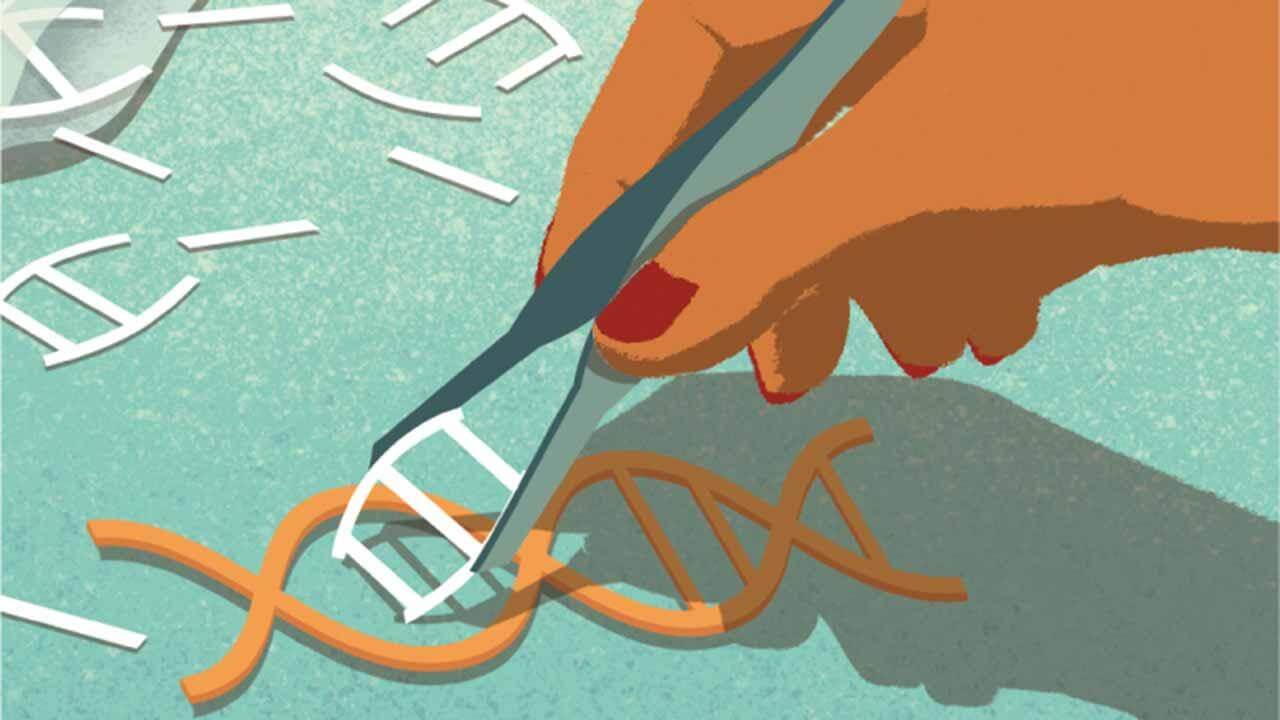
Scientists at the University of California, Berkeley and Massachusetts General Hospital have identified a key region within the Cas9 protein that governs how accurately CRISPR-Cas9 homes in on a target DNA sequence, and have tweaked it to produce a hyper-accurate gene editor with the lowest level of off-target cutting to date [read the full study here (behind paywall)].
The protein domain the researchers identified as a master controller of DNA cutting is an obvious target for re-engineering to improve accuracy even further, the researchers say. This approach should help scientists customize variants of Cas9 – the protein that binds and cuts DNA – to minimize the chance that CRISPR-Cas9 will edit DNA at the wrong place….
…
While improved fidelity benefits basic research, it is absolutely critical when editing genes for clinical applications, since any off-target DNA cutting could disable key genes and lead to permanent, unexpected side effects.
Within the last two years, two teams engineered highly accurate Cas9 proteins – an enhanced specificity one called eSpCas9(1.1) and a high-fidelity one called SpCas9-HF1 – and [researchers Janice Chen and Jennifer Doudna] sought to learn why they cut with higher specificity than the wild-type Cas9 protein from Streptococcus pyogenes used widely today.
In the world of evolutionary biology, in particular, there is still a huge amount of final-cause thinking, despite the fact that Darwin is often said to have done away with teleology [explaining phenomena by their purposes]. Why does the stegosaurus have diamond-like plates running down its back? In order to control body temperature, cooling in the heat and catching sun in the cold (no small issue for a cold-blooded organism). The plates exist (or rather used to exist) in order to — for the purpose of — controlling the temperature.
…
Charles Darwin added the missing piece. His mechanism of natural selection didn’t just introduce change into the biological picture. It introduced change of a particular kind, namely natural processes that produce features that look design-like. In the Darwinian account, if natural features, such as the stegosaurus’s plates, weren’t design-like, they wouldn’t help their possessors survive and so they would lose out in the “struggle for existence.”
…
[H]ere we have the reason why final-cause talk is permissible and necessary. Thanks to the processes of evolution, organisms appear design-like, even though they are ultimately the result of random variations plus natural selection. In order to make sense of this fact, we often think and talk in terms of ends or purposes, although these ends or purposes don’t actually exist in the real world.
The GLP aggregated and excerpted this blog/article to reflect the diversity of news, opinion, and analysis. Read full, original post: Do We Need Purposes in Biology
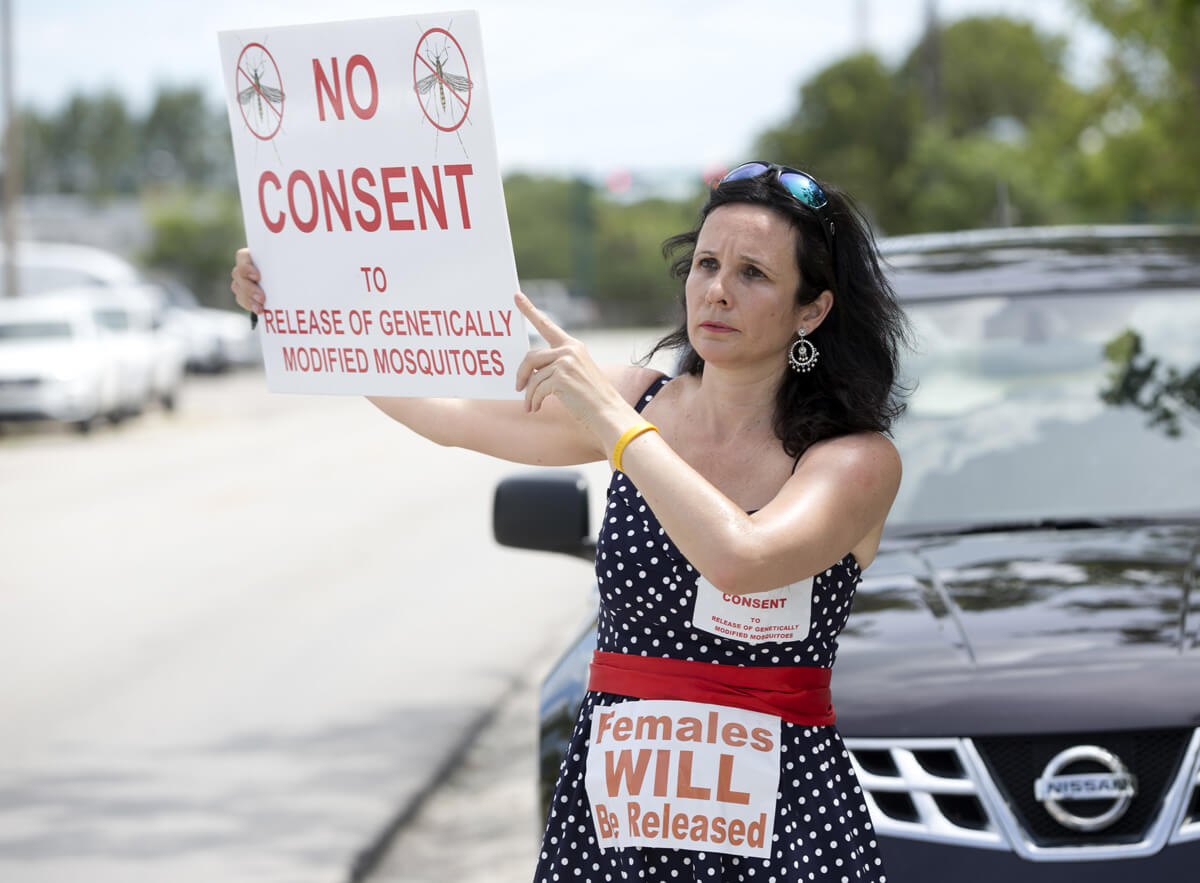
In the Florida Keys, a referendum fight last year took on all the trappings of a modern-day political campaign – radio ads and zealous canvassers, slogans and, yes, misleading attacks. Seven years after Oxitec first arrived in Florida, the company still awaits a trial, and an answer to the question: Can scientific data trump political scare tactics?
…
Nearly a year after the referendum, opposition and confusion in Key Haven remain.
…
“It was made with herpes and E. coli. Let’s just start there,” Mara Daly, an Islamadora resident with one son said in an interview. “So as a mother and not being scientific, I hear those two words and ‘why are you using human diseases and insects with bad stuff? Even if they can’t transmit it to us?’ ”
…
“I always say that stories trump data and relationships trump stories,” [James Lavery, the Hilton chair in global health ethics at Emory University] said. “Scientists just sort of believe that their data should prevail at all times because it’s science, but we know from policy that that’s just not the way it works.”
…
In August, Cinnamon Bloss, a researcher at the University of California, San Diego, broke down the opposition to the Oxitec trial in the Journal for the American Medical Association, analyzing the 2,624 public comments provided to the FDA during its review.
She found 75% of the comments opposed the trial. Of those, 49% cited concerns about ecological safety, 61% discussed human health, 68% genetically-modified organisms, and 30% mistrust of the government or industry.
…
[T]he Oxitec trial will go on somewhere in Monroe County. A specific location has not been selected, and there is no clear timeframe without the EPA’s approval.
The GLP aggregated and excerpted this blog/article to reflect the diversity of news, opinion, and analysis. Read full, original post: Mosquito battle gets political
[Editor’s note: Jaqueline Rowarth is chief scientist at the Environmental Protection Authority of New Zealand]
Both Impossible Burger and Perfect Day involve the use of gene technologies. In the case of Perfect Day, genetic engineering was used to create a type of yeast that produces milk proteins. The creation of vegetarian rennet, ethical vanilla, and insulin use similar techniques. The final product is free of yeast, and so is ‘totally non-GMO’.
The Impossible Burger, however, is the subject of some debate as the genetically engineered heme has not previously been in the food supply. A report in August indicated that the US Food and Drug Administration (FDA) had heard from the company that up to a quarter of its haem ingredient was composed of 46 “unexpected” additional proteins, some of which are unidentified and none of which were assessed for safety in the dossier.
…
Claims might have been made about free-range, grass-fed or chemical-free (meaning free from synthetic chemicals). But whatever, the point is that consumers can select to suit their preferences: they pay their money and take their choice.
They might follow perceived health benefits, taste buds, price, convictions or beliefs. But they can pick from a range of options, all of which are subject to regulatory controls in terms of chemical use so that the outcome is safe to eat.
The GLP aggregated and excerpted this article to reflect the diversity of news, opinion and analysis. Read full, original post: Is this synthetic food thing for real?
Boulder County open space farmers facing a forced transition away from GMO crops are asking for a time out as the process to find a suitable crop replacements has stalled amid controversy and criticism.
Bids were due Aug. 22, with staff set to make recommendations to commissioners the week of Sept. 11. But after critics charged CSU and county commissioners with unethical practices in the bid for the research center, momentum on the project ground to a halt. An ethics expert told…that the project was beyond redemption, and recommended that the county start over.
No public hearings have been scheduled on the issue, however, and county officials said no firm date for even a private, routine meeting between staff and commissioners was on the books.
…
[Paul Schlagel, a farmer who grows GMO sugar beets on leased county land] says he typically plans his crops four years in advance. He and other farmers have not begun working on transition plans of their own, independent of the county. They fear any changes might run afoul of whatever plan county officials eventually put in place.
Personal food preferences aren’t really a rational choice. They’re more like an ideology that’s bordering on a religion.
…
Gillian McCann, associate professor of religious studies at Nipissing University in Ontario, and her co-author, Gitte Bechsgaard, founder of the Vidya Institute in Toronto, have written a book called The Sacred in Exile, What it Really Means to Lose Our Religion. It was released this fall.
In one part of the book, the two write about how food has become more important than church or religion for part of the population.
…
Put another way, people who eat organic or avoid genetically modified food are part of a group with common ethics. And the members of that group likely believe that their values are superior to people not in the group.
…
McCann and Bechsgaard write that this idea of ethical purity can lead to a “sort of food fundamentalism,” or fanatical values and beliefs around food.
The authors also refer to the idea that there are different “dietary faiths,” which could mean that organic food is one type of religion and veganism is a different sect.
If beliefs around food are like a religion for at least a portion of Canadians, it might explain why science isn’t a great way to defend agricultural practices.
The GLP aggregated and excerpted this article to reflect the diversity of news, opinion and analysis. Read full, original post: Food fundamentalism: is food the new religion?
A pro-GMO professor, University of Florida plant scientist, Kevin Folta who claims he has been defamed by the New York Times’ reporting by Eric Lipton on his connections to Monsanto is trying to sue the newspaper based on how the story played out on the Internet. But that doesn’t mean he’ll be successful.