GMO debate intensifies as Ghana prepares for first crop release in 2018

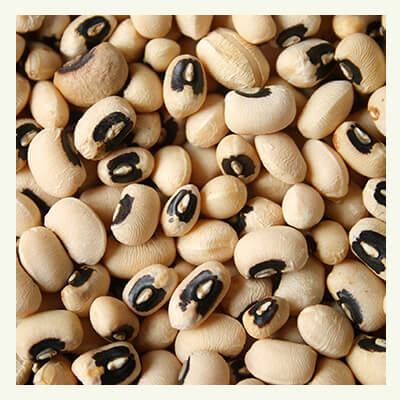
BT COWPEA

The debate over whether biotechnology applications are safe in food production has intensified in Ghana as the country prepares for its first commercial release of a genetically engineered (GE) crop in 2018.

The anti-GMO campaigning group Food Sovereignty Ghana responded with a strongly worded statement to the press, describing the declaration of support by the [National Seed Trade Association of Ghana (NASTAG)] as unfortunate. “Our simple response is that the concerns about GMOs are widespread and totally reasonable given the overwhelming quantum of independent research findings which question their safety for human health and expose their negative effects on the environment. Furthermore, Mr. Havor’s assurances of the safety of GMOs run counter to the peer-reviewed publication in the European Network of Scientists for Social and Environmental Responsibilities, involving scientists, physicians, academics…” the group said. “We strongly reject claims by GM seed developers and some scientists, commentators, and journalists that there is a ‘scientific consensus’ on GMO safety…”

Despite the group’s contention to the contrary, a wide range of credible scientific organizations, most notably the prestigious National Academies of Science, has determined that GMO crops are just as safe as their non-GMO counterparts.

The GLP aggregated and excerpted this article to reflect the diversity of news, opinion and analysis. Read full, original post: Ghana GMO debate intensifies ahead of first biotech crop release

Mild to murderous: Zika’s one mutation evolution

la sci sn zika birth defects

Zika has been around for some time – first identified in 1947 in Uganda –  but it was never really given much thought.  It was around in Africa and Southeast Asia and those who were infected experienced vague, non-specific or mild symptoms.

Everyone seemed to be stumped – what the heck made this virus all of a sudden decide to transition from a bratty younger sibling to a raging psychopath? A new study published in Science, researchers from a variety of Chinese institutions in collaboration with the University of Texas Medical Branch in Galveston, Texas, aimed to answer just this question.  Was it something environmental or a genetic cause for this change.


In human cultures of NPCs, the S139N mutation was found to cause more extensive cell death as well as in cultures of mouse NPCs. This same S139N substitution, when introduced to mouse fetuses at the second trimester, resulted in severe microcephaly and a thinner cortex.

Viral genome analyses revealed that this one substitution mutation emerged around May, 2013 and this correlated with timing of reports of microcephaly and other neurological conditions such as Guillan-Barre syndrome.

In concluding their paper, the investigators admit that the Asian ancestral strain was not completely devoid of neurovirulence, therefore, this one mutation likely isn’t solely responsible for the pathological congenital findings. 

The GLP aggregated and excerpted this blog/article to reflect the diversity of news, opinion, and analysis. Read full, original post: How Zika Evolved Into A Raging Psycho

Is life-extending modern medicine ‘unnatural?’

the favorite cars of americas senior citizens e

The word ‘unnatural’ conjures up feelings of doom and dread, and it is unfortunately often used by critics of science as a way to justify their own concerns. The argument goes, interfering with the natural order of things is wrong and against nature, and therefore increasing lifespans thanks to scientific advancements is something we should not be doing. This classical argument is also sometimes referred to as “Playing God”.

Today, four main noncommunicable diseases (cardiovascular diseases, cancer, respiratory diseases and diabetes) account for most of deaths, killing about 100.000 people on Earth every day. There is no other factor that kills so many people: imagine 700 planes crashing every day, or a city like Hiroshima being completely devastated every day! What a tremendous tragedy!

If the aging processes are brought under some level of medical control, the period of subclinical aging will be extended, while the period of illness will be postponed, remaining the same length as before.

If these kinds of technologies could be applied to an old person, whose health has already begun to deteriorate, it could help the body to rejuvenate and get back to good health and a younger appearance.

The GLP aggregated and excerpted this blog/article to reflect the diversity of news, opinion, and analysis. Read full, original post: Are increased lifespans unnatural? And why it is a good thing!

Researchers map genome of famously strong-smelling durian fruit

d be b


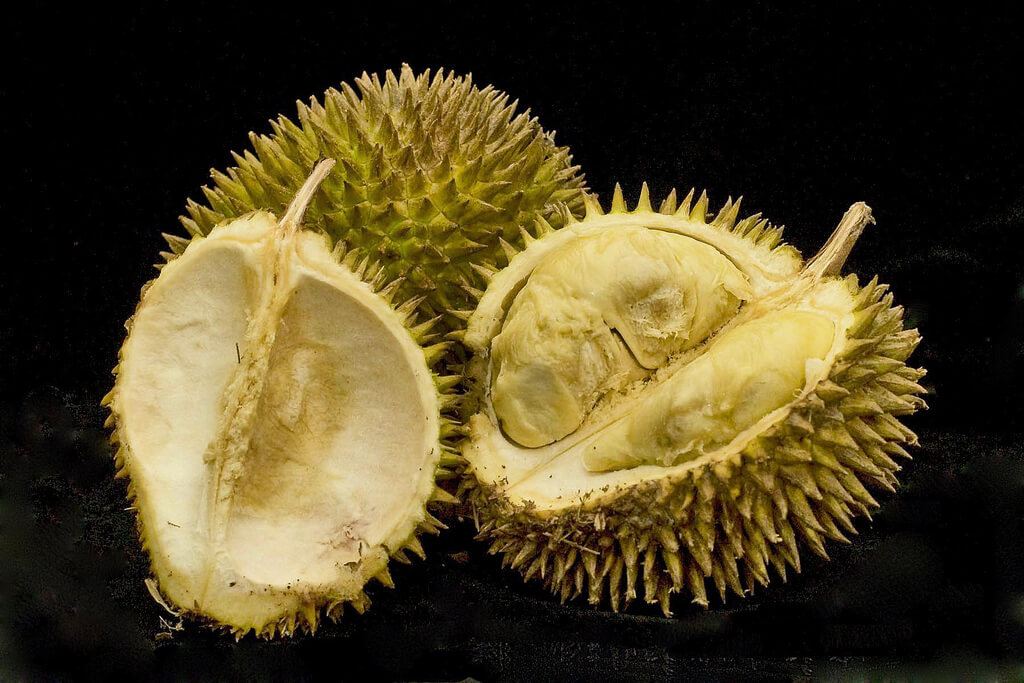
[A team of five researchers from the National Cancer Centre Singapore (NCCS) ] used state-of-the-art sequencing platforms to map the genome of the Musang King or Mao Shan Wang durian. According to the team, they received funding of S$500,000 from a group of anonymous durian lovers.

The team’s analysis, published in the journal Nature Genetics, revealed that the durian genome comprises about 46,000 genes, almost double that of humans who have 23,000 genes.

Comparing gene activity patterns from different parts of the durian plant led to the identification of a class of genes called MLGs (methionine gamma lyases), which regulate the production of odor compounds called volatile sulphur compounds (VSC), the press release stated.

np sbdurian“Our analysis revealed that VSC production is turbocharged in durian fruits, which fits with many people’s opinions that durian smell has a ‘sulphury’ aspect,” said Duke-NUS’s Prof Patrick Tan, who is also co-lead author.

The durian genome sequence will be a useful resource for durian agronomy research – for example in identifying, and possibly modifying genes involved in disease resistance, drought tolerance and flavor profiles.

“We can look at the genes (responsible for) the high sugar level in the durian. Theoretically, it’s possible to create a diabetic-friendly durian,” said [professorTeh Bin Tean, the deputy director of the National Cancer Center]

The GLP aggregated and excerpted this article to reflect the diversity of news, opinion and analysis. Read full, original post: Singapore scientists crack the durian genome

Genetically enhancing the nutrients in corn using synthetic methionine

corn resize

Methionine, found in meat, is one of the nine essential amino acids that humans get from food, according to the National Center for Biotechnology Information. It is needed for growth and tissue repair, improves the tone and flexibility of skin and hair, and strengthens nails. The sulfur in methionine protects cells from pollutants, slows cell aging and is essential for absorbing selenium and zinc.

Every year, synthetic methionine worth several billion dollars is added to field corn seed, which lacks the substance in nature, said study senior author Joachim Messing, a professor who directs the Waksman Institute of Microbiology.

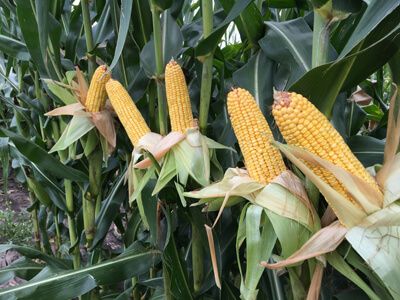
Rutgers scientists inserted an E. coli bacterial gene into the corn plant’s genome and grew several generations of corn [read the full study here (behind paywall)]. The E. coli enzyme – 3′-phosphoadenosine-5′-phosphosulfate reductase (EcPAPR) – spurred methionine production in just the plant’s leaves instead of the entire plant to avoid the accumulation of toxic byproducts…. As a result, methionine in corn kernels increased by 57 percent, the study says.

Then the scientists conducted a chicken feeding trial at Rutgers and showed that the genetically engineered corn was nutritious for them, Messing said.

“To our surprise, one important outcome was that corn plant growth was not affected,” he said.

The GLP aggregated and excerpted this article to reflect the diversity of news, opinion and analysis. Read full, original post: Genetically Boosting the Nutritional Value of Corn Could Benefit Millions

Genetic Literacy Project’s Top 6 Stories for the Week – Oct. 16, 2017

GLP Top Thumbnail Oct


  1. Green technology: Disease-resistant GMO tomato that could eliminate need for copper pesticides, double yields–blocked by public fears Paul McDivitt
  2. Sensory overload: Some people genetically wired to detest bright lights, big soundsKristen Hovet
  3. Conventional agriculture holds multiple ecological advantages over organic, analysis showsTim Barker
  4. University student reflection: Let’s take a balanced ethical and scientific look at genetic engineeringEmmy Hughes
  5. Kevin Folta looks back 5 years after release of controversial Séralini GMO rat study | Kevin Folta
  6. Predicting Alzheimer’s: 31-gene test may offer strongest risk assessment | Ricki Lewis

To stay up to date on all the news in human and agricultural genetics, subscribe to our daily and weekly email newsletters in the top right corner of this page, and follow us on Facebook and Twitter.

Biohacker: How to genetically modify yourself

blog josiah e

“What we’ve got here is some DNA, and this is a syringe,” Josiah Zayner tells a room full of synthetic biologists and other researchers. He fills the needle and plunges it into his skin. “This will modify my muscle genes and give me bigger muscles.”

Zayner, a biohacker, gave a talk called “A Step-by-Step Guide to Genetically Modifying Yourself With CRISPR” at the SynBioBeta conference. If you want to genetically modify yourself, it turns out, it’s not necessarily complicated. As he offered samples in small baggies to the crowd, Zayner explained that it took him about five minutes to make the DNA that he brought to the presentation. The vial held Cas9, an enzyme that snips DNA at a particular location targeted by guide RNA, in the gene-editing system known as CRISPR. In this case, it was designed to knock out the myostatin gene, which produces a hormone that limits muscle growth and lets muscles atrophy.

“I want to live in a world where people are genetically modifying themselves. I want to live in a world where all these cool things we see in sci-fi TV shows are real. Maybe I’m crazy and stupid . . . but I think maybe this is actually possible.”

The GLP aggregated and excerpted this blog/article to reflect the diversity of news, opinion, and analysis. Read full, original post: Modifying Your Own Genes Is Just An Injection Away – If You’re Feeling Lucky

Lucid dreaming linked to higher creativity

lucid dreaming e

Have you ever had a dream so real, you mistook it for reality? This is a state called lucid dreaming. Truth be told, little is known about sleep, a condition we’re in for about a third of our lifetime.

A German study found that those who are naturally prone to lucid dreams have a larger pre-frontal cortex, and may outpace others in certain cognitive abilities, such as self-reflection and meta-cognition or pondering one’s own thinking processes. A few studies have found that focusing on problems within a lucid dream can offer results in the real world. Creative types may also be more prone to lucid dreams.

You can also make a conscious effort to better recognize when you’re dreaming and when you’re conscious. To do so, be extra cognizant of your surroundings when awake.

If you have someone on the outside that’s willing to help in your sleep bound quest, you could set up a situation where while you’re in a deep sleep, they whisper certain important words to you, or spray a little water on you, shine light is shone in your eyes, or play a recorded message, or even exert pressure to one of your limbs. Any of these may induce the lucid state. Or piss you off.

The GLP aggregated and excerpted this blog/article to reflect the diversity of news, opinion, and analysis. Read full, original post: Can You Learn How to Control Your Dreams?

9 reasons why IQ really matters

iq test e

IQ is often dismissed as antiquated, misguided, or less important than personality traits. But according to Stuart Ritchie, an intelligence researcher at the University of Edinburgh, there’s a massive amount of data showing that it’s one of the best predictors of someone’s longevity, health, and prosperity. And psychologists have been able to replicate these findings over and over.

Here are nine facts that help explain IQ and why it matters.

1) Most people have average intelligence.

2) Having a higher IQ protects you from death. This is an uncomfortable one: According to the research, people with high IQs tend to be healthier and live longer than the rest of us.

3) IQ is correlated with career success and wealth, but not necessarily happiness. Like mortality, the association between IQ and career success is positive.

4) You’re probably stuck with what you got. Studies have found if you’re a smart kid, you’ll be a smart old person.

5) Intelligence peaks in your mid- to late 20s, and then slowly declines.

6) Around half the variance in IQ can be explained by genetics.

7) Genes are not the only thing that matters in intelligence.

8) Humans are getting smarter. Hurray! Mean IQ scores appear to be increasing between 2 and 3 points per decade.

9) IQ is increasing faster in developing countries.

The GLP aggregated and excerpted this blog/article to reflect the diversity of news, opinion, and analysis. Read full, original post: IQ, explained in 9 charts

Pumpkins, cucumbers, and watermelons diverged from a single melon ancestor

fig

About 100 million years ago, the genome of a single melon-like fruit copied itself. Over time, this one ancestor became a whole family of plants with different colors, shapes, sizes, defenses and flavors, such as pumpkins, squash, watermelons and cucumbers, according to a paper published Thursday in the journal, Molecular Biology and Evolution.


Millions of years of environmental changes allowed the fruits to lose genes over time and tailor their own codes to become what we know them as today. After each major divergent event, genes were deleted, chromosomes were rearranged and new genetic patterns were created. Xiyin Wang, an agricultural plant scientist at North China University of Science and Technology and lead author of the paper was surprised that no one had discovered this monumental evolutionary event. But he thinks that the complexity of the plants’ genomes may have made it difficult to properly analyze the genetic data until recent developments in genome sequencing.

Knowing more about which genes survived to do different things in each plant means scientists can now get closer to creating even more variations of these fruits.

The GLP aggregated and excerpted this article to reflect the diversity of news, opinion and analysis. Read full, original post: The Evolutionary Event That Gave You Pumpkins and Squash

10 truths about GMOs, organics and modern farming

farming

In my quest to learn about genetically modified foods and our food supply, many things have surprised me. Some of them may seem apparent and obvious, but as a city-dweller, I was unaware of numerous aspects of our food. I find comfort in the fact that many individuals that I share these gems with are equally surprised, leading me to believe that you may find some items as interesting as I do.

1) The vast majority of fruits and vegetables are not transgenics. I had heard so much about tomatoes with fish genes and strawberries that would never freeze that I just assumed that these genetically engineered items were in the market. Every time I picked up a fruit in the supermarket that was particularly large, I thought to myself “huh… that’s got to be a GMO”. You know those grapes the size of tennis balls that squirt juice everywhere when you bite into them? Every time I ate one, I’d close my eyes and thank the mysterious GMO gods for that sweet delicious nectar. Little did I know that none of these fruits was a GMO. They were genetically modified in the sense that they had been bred and selected to have optimal sweetness and size through cross-breeding. But they weren’t transgenic organisms. There are only a handful of transgenic food crops, such as corn, soy and papaya. The short list can be found in this database (note that you have to select the type of approval to determine if the GMO has been commercialized or not).

2) Organic food production uses pesticides. I had always believed that by definition, organic food production did not use pesticides. Not only that, but some of the pesticides used are more toxic than those applied in conventional farming. The difference is that the pesticides used in organic farming are not synthetic, yet they are not necessarily better. Here is a myth-busting blog in Scientific American about this. And here’s a list of pesticides approved for use in organic farming.
organic x3) Many plant traits are developed using mutagenesis. And can be labeled “organic”. Mutagenesis is the use of radioactivity or chemicals to create random mutations in plants and selecting those with the desired trait. More than 2000 foods have been created by mutagenesis, including the durum wheat used to make fine Italian pasta. This article from the New York Times lists wheat, barley and even ruby red grapefruits as crops generated through mutagenesis. Imagine that!! The delicious, organic grapefruit from my farmers’ market was developed using radiation to randomly create mutations, and somehow that’s less scary than a GMO. Why the organic food movement isn’t fighting to label the mutant ruby reds seems hypocritical. The fact that GMOs are excluded from the USDA’s organic label, yet crops derived through mutagenesis can be happily certified as “organic” is astounding.

4) There’s lot of peer reviewed research on GMOs, both publically and privately funded. I mean a LOT. Searching for the term MON810 in PubMed (a database hosted by the NIH), finds over 150 hits. That’s 150+ studies that have looked into some aspect, such as identification or safety, on a single seed/trait (MON810 is Monsanto’s Bt corn). Because it’s a database search, let’s assume that some of them are only loosely related to MON810. But even if 50 percent are discarded, that still leaves us with 70+ studies on a single trait/seed. In a Q&A at GMO-Skeptiforum, the founders of Biofortified.org mentioned that the most common misconception about GMOs is that there are few independent studies. In an attempt to address this misconception, Biofortified created a new database that provides links to papers that have examined genetically engineered crops, and allows users to search based on many different characteristics including the source of funding. It is worth stressing that the sparsity of credible studies suggesting that GMOs pose a potential health risk does not mean that we should stop studying them, both in terms of technical methods in their generation, as well as safety.

5) Types of traits used to generate GMOs are selected to improve farming conditions. There aren’t many GM crops in which the trait introduced was selected because it would make me want to buy it in the grocery store. There are several crops in the pipeline designed for me, such as non-browning apples. But at the moment, most crops are designed to help consumers indirectly by benefitting farmers, such as Bt crops that cut down on the amount of pesticides sprayed to fight worms, or glyphosate-resistant crops, which help farmers reduce the use of toxic chemicals to fight weeds. We, the consumers, see the benefits of these traits because reduced farming costs equate to savings at the grocery store. But we don’t see signs at the grocery store stating, “Buy this peanut butter! Its peanuts are modified to be allergen-free, just for you!” Those products are in the pipeline, though.
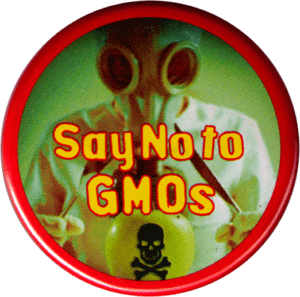
gmo x6) The amount of misinformation and the distrust surrounding GMOs is staggering. And depressing. It ranges from the subtle, in which statements are taken out of context or the complete findings of a paper are not discussed, to outright lies. I expected that there would be misinformation, but I was pretty naïve and didn’t think it would be THAT bad. But it’s downright awful. For example, the Institute for Responsible Technology’s website —a one person NGO founded by anti-GMO activist Jeffrey Smith—states: “The only published human feeding experiment revealed that the genetic material inserted into GM soy transfers into bacteria living inside our intestines and continues to function.” Smith completely misrepresents the paper’s findings, which conclude: “it is highly unlikely that the gene transfer events seen in this study would alter gastrointestinal function or pose a risk to human health”. GMO critics often peddle white lies as well as downright deceptive (and dangerous) statements such as claiming that GM insulin poses a health risk (Professor Kevin Folta reviewed this topic here).

I still have a tough time understanding why certain organizations would use such deceptive means to attack a technology. I think Dr Neil DeGrasse Tyson said it best in a Facebook post on the topic of GMOs:

“If your objection to GMOs is the morality of selling non-perennial seed stocks, then focus on that. If your objection to GMOs is the monopolistic conduct of agribusiness, then focus on that. But to paint the entire concept of GMO with these particular issues is to blind yourself to the underlying truth of what humans have been doing—and will continue to do—to nature so that it best serves our survival. That’s what all organisms do when they can, or would do, if they could. Those that didn’t, have gone extinct. In life, be cautious of how broad is the brush with which you paint the views of those you don’t agree with.”

I was surprised at how many people distrust GMOs because of their belief that Monsanto is an ‘evil’ company. That’s not a good reason for distrusting a technology with broad applications. It’s like saying that you don’t trust computers because of Microsoft. But conventional and even organic food growers buy Monsanto seeds too, and Monsanto doesn’t have a monopoly on GM technology. And what do life saving technologies, such as insulin, have to do with Monsanto? What about Golden Rice? What about bananas designed to combat nutritional deficiency in Uganda? I’ve been taken aback at how vehemently these consumer focused products are opposed, just because of the Monsanto-boogie-man.

7) Transgenic seeds are not sterile. I was certain that transgenic seeds could not be replanted, even if a farmer wanted to. I was dead wrong. When farmers buy seeds from a biotech company such as Syngenta, they sign an agreement, and they are not allowed to replant seeds. However, the seed is not sterile or unviable. (The topic of replanting seeds and terminator seeds was covered by the Genetic Literacy Project here).

8) Peer review often may not mean very much. Papers should be evaluated based on their quality. Even if you don’t factor in the issue of predatory or pay-for-play journals, peer review needs a new paradigm (check out this article for a great expose of predatory journals). In an article that sounds an awful lot like a story about drug trafficking, a “peer-review ring” was recently busted for abusing the academic review process. Although there’s a growing number of ways to share concerns or criticisms about a paper, that hasn’t led to a change in the review process. Setting aside the reason behind errors in scientific journals, be they deliberate or not, there needs to be a positive feedback loop.

Personally, I think that scientists in the private sector should be able to provide feedback to the reviewers and editors if a study tests or compares their goods. Companies generally provide press-statements anyway once the paper’s been published, so wouldn’t it make sense to have their feedback and criticism in hand as a non-voting voice in the review process? Do you know who would read every single sentence several times, including the Supporting Materials section, in a paper that suggests that a GM trait is harmful? Or that Coca-Cola causes cancer? Or that an Apple tablet is more durable than a Samsung tablet? The scientists or engineers who made these products and the company that commercialized them. If anyone is going to identify a flaw in a paper, it would be them. I don’t think that their statement should carry weight in the decision of whether a paper should be published. But it would make the editor’s job easier to have their observations in hand.

I know that there are many who will disagree with me on this issue. I want to stress that this is my own personal opinion, which is probably biased from having worked in biotech’s private sector and noting that we don’t have devil-like horns or carry pitchforks.
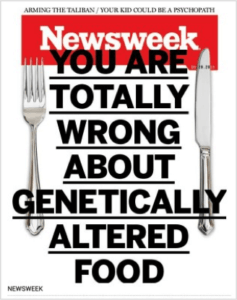
newsweek9) The world’s most reputable scientific organizations have evaluated the data on the safety of GMOs. That’s right, there’s a scientific consensus on the topic of GMO safety (see this infographic from the Genetic Literacy Project). This doesn’t surprise me as much as the fact that there’s still so much debate and controversy on a matter where there’s an established consensus. As with many other scientific matters, including the safety of vaccines, there are papers whose results are contrary to the consensus and these have to be individually evaluated and, if need be, replicated. If reproducible evidence is found to the contrary, then the consensus shifts. But right now it’s very strong and consistent: GMOs are safe.

For the final point, I interviewed my husband to find out what had surprised him most from all our discussions:

10) That the greatest tool in combating misinformation on scientific topics is for scientists to be better communicators and to better educate the public. I was surprised to see that the link between the public’s superstition regarding GMOs is directly related to its education or lack thereof. If we had better scientific literacy or better science education, there would be fewer freak-outs. As a non-science person, my AHA!-moment came when I finally understood how eating a “strawberry-fish” smoothie would be same thing as eating a strawberry with a fish gene in it, because we can process and digest proteins from both species. That’s such a small-little thing, but it created such a mental barrier.”

Well, there you have it. Feel free to comment on the things that have surprised you most on this topic.

Layla Katiraee, contributor to the Genetic Literacy Project, holds a Ph.D. in molecular genetics from the University of Toronto and is a senior scientist. All opinions and views expressed are her own. Her twitter handle is: @BioChicaGMO

Should the European Union relax GMO clinical trial guidelines?

european union e

Four organisations representing pharmaceutical firms, biotech companies, universities, and research institutes are calling on the European commission to update, streamline and standardise regulations used to assess applications for clinical trials of new therapies using genetically modified organisms (GMOs), saying that the current process is outdated and cumbersome.

In a joint position paper, the organisations say sponsors applying to conduct GMO clinical trials now face complicated regulatory disparities at the national level that slow down the process. The position paper recommends 11 possible solutions for improving and harmonising the framework, adding that an update would boost Europe’s biomedical sector and help ‘avoid unnecessary delays in patient access’ to innovative medicines consisting of or containing GMOs – for example gene or cell-based therapies.

The position paper notes that while all clinical trials in the EU must be approved by medical agencies, applications for GMO-based clinical trials must also be reviewed at the national level by ethics panels and environmental and biosafety experts.

An EU official tells Chemistry World that the commission is ‘aware of the challenges faced by developers of gene therapy medicinal products.’ The official adds that commission representatives met earlier this year with national authorities involved in GMO authorisations and in clinical trial authorisations and that dialogue has continued since the meeting.

The GLP aggregated and excerpted this blog/article to reflect the diversity of news, opinion, and analysis. Read full, original post: Call for overhaul of EU rules on GMO clinical trial

Monsanto settles GM cotton royalties dispute with Indian seed firms

Cotton C kesH x @LiveMint

Three leading Indian cotton seed makers have settled an intellectual property dispute with Monsanto Co over its genetically modified (GM) seed technology, partly ending a legal tussle that has drawn in the Indian and U.S. governments.

Ajeet Seeds, Kaveri Seed Co Ltd and Ankur Seeds were among six Indian companies that delayed payments to Monsanto, demanding a cut in royalties they paid to the U.S. firm to license its technology.

Mahyco Monsanto Biotech (India) (MMB), a joint venture between Monsanto and local firm Mahyco, licenses a gene that produces its own pesticide to more than 45 local cotton seed companies in lieu of royalties and an upfront payment.

Acting on complaints by some local seed companies that MMB’s royalties were too high, the farm ministry last year cut the fees these local firms paid to Missouri-based Monsanto. (reut.rs/2yf4qvA)

Since then, Monsanto – which is being bought by Germany’s Bayer for $66 billion – has been at loggerheads with the seed firms and India’s government over how much it can charge for its GM cotton seeds, costing it tens of millions of dollars in lost revenue a year.

Ajeet Seeds and Ankur Seeds told Reuters on Wednesday they had resolved their differences with Monsanto. Calls to Kaveri Seeds’ CEO G.V. Bhaskar Rao were not answered.

The GLP aggregated and excerpted this article to reflect the diversity of news, opinion and analysis. Read full, original post: Exclusive: Monsanto settles GM cotton dispute with three Indian seed firms

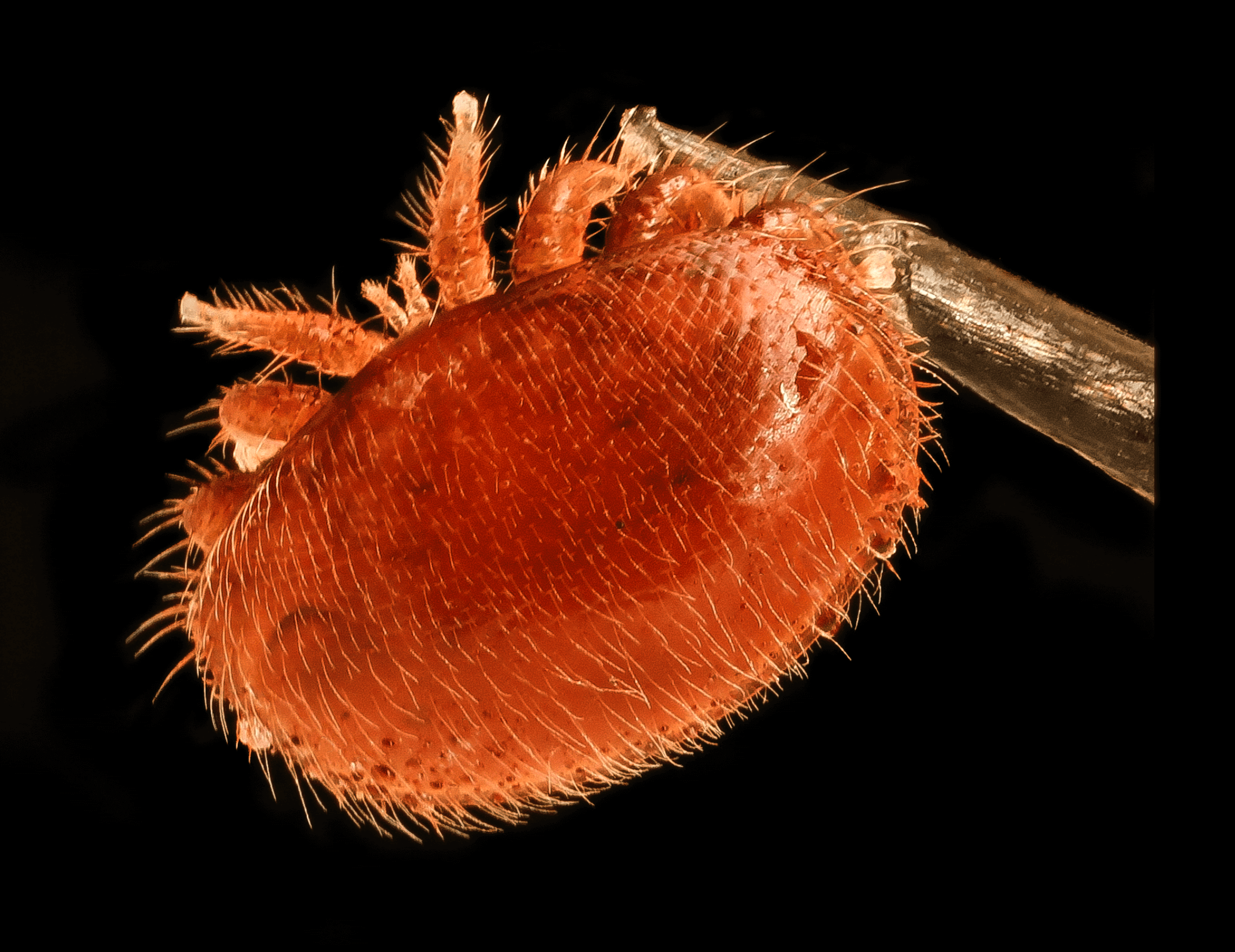
More evidence parasitic Varroa destructor mite poses most serious threat to bee health

screen shot at am

[Editor’s note: Karen Rennich is the Project Manager for Bee Informed Partnership and APHIS National Survey, working out of University of Maryland’s Entomology Department. Among other things, they are studying the Varroa destructor mite, which a consensus of entomologists believe carries viruses that are the primary threat to bee health, rather than pesticides. This study provides further documentation of the dramatic spread of a particularly lethal form of a virus carried by the mite.]

Our University of Maryland lab has been leading the APHIS National Honey Bee Pest and Pathogen survey since 2010. During those years, we have processed thousands of samples from across most states for nosema spore load, Varroa load, pesticides, and viruses with the primary goal to survey whether exotics, not known to be in the US, are here or not. Secondarily, but almost as importantly, we also use the survey results to establish a nationwide honey bee health baseline

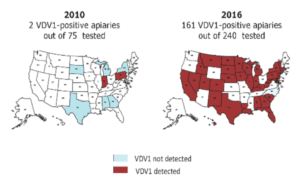
Dr. Eugene Ryabov, working at USDA-ARS with Dr. Jay Evans, decided to take a look into our archive freezer with the intent of re-processing those archived samples for VDV1. And we are glad that he did.  After doing a sweep of 2016 samples, he found VDV1 in >64% of all samples, making it just less prevalent and second only to Deformed Wing Virus (currently found in ~90% of all colonies). Reaching further back into that freezer, Dr. Ryabov found that only 2 colonies were positive from our 2010 survey samples – 1 in Indiana and 1 in Pennsylvania, and that temporal snapshot [below] shows the spread of this virus in just 6 years.


varroa destructor
Distribution of VDV1-positive samples from 2010 (left) and 2016 (right)

The GLP aggregated and excerpted this article to reflect the diversity of news, opinion and analysis. Read full, original post: Varroa Destructor Virus-1: It’s here…

What do your Neanderthal genes do?

neanderthal e

By sequencing a remarkably complete genome from a 50,000-year-old bone fragment of a female Neandertal found in Vindija Cave in Croatia, researchers report online [October 5] in Science a new trove of gene variants that living people outside of Africa obtained from Neandertals. Some of this DNA could influence cholesterol levels, the accumulation of belly fat, and the risk of schizophrenia and other diseases.

A key question has been: What does this archaic DNA do in living humans? Drawing largely on the Altai genome, researchers have published on about two dozen Neandertal gene variants that influence living humans’ risk of allergies, depression, blood clots, skin lesions, immunological disorders, and other diseases.

..

[T]his Neandertal’s genome is more closely related to today’s Europeans and Asians than that of the Altai Neandertal. And Prüfer and his colleagues already have discovered 16 new Neandertal gene variants passed on to living humans. These include changes in genes already known to govern levels of cholesterol and vitamin D, and to influence the risk—for better or worse—of developing eating disorders, rheumatoid arthritis, and schizophrenia, as well as the response to antipsychotic drugs. Researchers will now more closely study how each Neandertal version tips the balance in living people.

The GLP aggregated and excerpted this blog/article to reflect the diversity of news, opinion, and analysis. Read full, original post: Is your Neandertal DNA making your belly fat? Ancient genome offers clues

Nigeria’s biosafety director supports advantages of GMO crops despite criticisms

Cowpea Farm

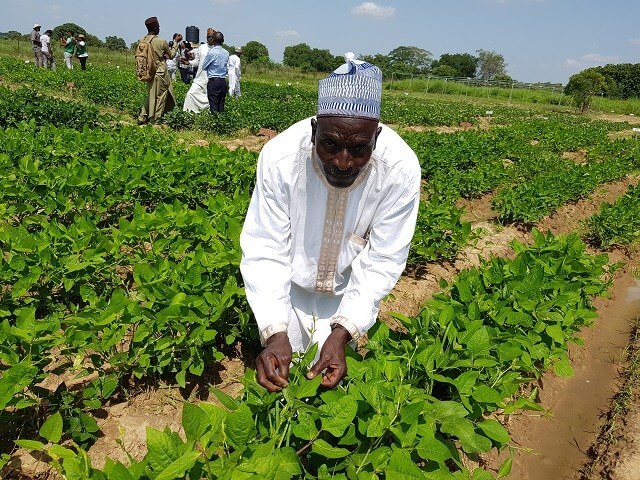
Despite the criticism that has trailed the used of Genetically Modified Organisms, GMOs, Nigeria’s bio-safety chief has defended the use of such crops.

Rufus Egbegba, who heads the National Bio-safety Management Agency, NBMA, said GMOs are the same conventional crops but improved versions for the purpose of sustainability and improved yields.

Mr. Egbegba said that cowpea and sorghum were presently being tried at the Institute of Agricultural Research in Zaria.

According to him, the cowpea is modified for insect resistance, and sorghum is modified for the availability of nutrients.

“Guinea corn naturally has iron zinc and protein, but there is a particular enzyme that makes those nutrients unavailable to humans and animals when they consume it naturally.

“But science can break down that barrier so, that is the modification that is being carried out and it is on trial in the field to make sure it is sustained because it takes a long process.’’

Mr. Egbegba said that there was also another product under trial called the `newest rice’ by the National Cereal Research Institute, Badeggi.

He said that the rice had been modified to use less nitrogen fertiliser, less water, and could flourish even if the soil was a little salty.

The GLP aggregated and excerpted this article to reflect the diversity of news, opinion and analysis. Read full, original post: Nigeria bio-safety chief defends GMOs

Should you get paid for your genetic data?

dna swab web e

Your DNA determines many aspects of who you are, and an increasing number of companies are claiming they can decode it for you. But they may be getting more out of it than you do.

If you opt in, your genetic information could be used over and over again, for multiple research projects. And it could be reanalysed in more advanced ways once new genetic tools are developed. The information you get back from your spit sample could be a tiny fraction of the total collected.

So where is your cut of the profits? [Rick White, founder and CEO of Sure Genomics] thinks we should have more control over our valuable genomes. “I’d hope to have a robust marketplace that gives you the opportunity to sell your own data,” he says. “If a drug [developed using your genetic information] gets sold, there’s no reason why you shouldn’t receive a micropayment.”

Some argue that in the long run, everyone benefits from research, so we should all be donating our information to the cause. It is true that 23andMe’s database has already contributed to new results helping researchers understand the effectiveness of antidepressants and the causes of infertility and male-pattern baldness, among others.

The GLP aggregated and excerpted this blog/article to reflect the diversity of news, opinion, and analysis. Read full, original post: DNA testing firms are cashing in our genes. Should we get a cut?

Viewpoint: GMO debate needs more innovation, not scientific consensus

debating gmos

[Editor’s note: David Zaruk, who writes under the blog name ‘The Risk-Monger’ is a professor based in Brussels writing on environmental-health risk policy within the EU Bubble.]

Wouldn’t it be better to continue to work on the technology, refine it, produce further benefits and advance the knowledge and understanding of biotech? The new breeding techniques, the incredible developments (like the Innate potato or the Bt brinjal), the challenges met with impressive solutions … these are things we need to be talking about. These are stories the public wants to hear about (not a pissing contest about numbers of scientists on each side).

When there were publicly expressed concerns about the safety of mobile phone technology (around the time of the UK Stewart Report in 2000), the research community did not occupy itself with a consensus bean-counting exercise. They continued to roll out advancements, new generations of smartphones and further benefits to capture the public’s imagination. Researchers then did not have a need to be right – they were working on getting the technology right.

So it comes down to just one word: Benefits. If you can clearly communicate the benefits, the public will embrace and demand your technological developments. If they only see the hazards, then precaution will be your challenge.

The GLP aggregated and excerpted this article to reflect the diversity of news, opinion and analysis. Read full, original post: The Risk Corner: GMO Consensus: I Don’t Need To Be Right … I Need You To Be Right

How do you know if your mutation will lead to a genetic disease?

Screen Shot at AM

Sonia Vallabh’s mother deteriorated quickly. Her condition started with some blurred vision and minor cognitive glitches, but within a few months she couldn’t recognize her own daughter. Within a year she was dead. After her death her doctors performed tests to see what caused her rapid, neurological decline. The final diagnosis was a prion disease — a poorly understood infectious condition which causes proteins in the brain to abandon their normal structures, clump up and become toxic. The most famous prion disease is mad cow disease, but the disease appears to also have a genetic basis and Sonia’s mom had one of those mutations.

Sonia got tested for the mutation herself. And as her doctor told her, she had the same change in the prion protein gene PRNP that her mother had. Sonia and her husband, Eric Minikel, immediately asked if having the mutation meant she would definitely get the disease. He wrote on his blog:

Sonia and I had no scientific training, and a dim memory of high school biology. Sonia had just graduated law school. I was working in transportation technology consulting. We would eventually learn that the scientific term for what we were asking about was penetrance. Penetrance is the probability of developing a particular genetic disease if you have a particular genetic mutation.

Sonia Vallabh and Eric Minikel Credit: Maria Nemchuk/ Broad Institute via STAT

A mutation with high penetrance will most likely cause a disease. A 100 percent penetrance means developing the disease is a certainty. But a great many disease causing genes have low penetrance. The penetrance for the breast cancer-associated genes BRCA1 and BRCA2 are 48 and 74 percent respectively. For BRCA1, this means theres a greater than 50 percent chance have the that mutation will lead to breast cancer. But with diseases as rare as prion folding disease, its extremely difficult to develop penetrance measurements. In part because it is very difficult to find people affected with the condition.

Vallabh, a lawyer, and Minikel, a transportation analyst, took night classes and retrained as biologists. They both began PhD studies at the MIT Broad Institute in the same biostatistics lab hoping to answer the most pressing question of their lives: would Vallabh fall ill? What was the penetrance of her mutation?

Along with their international research team, they analyzed data from more than 16,000 prion disease patients and healthy people pulled from the Exome Aggregation Consortium and 23andMe. Karen Weintrub at STAT describes the process:

The size of the data sets allowed the researchers to draw conclusions even with a condition as rare as prion disease. Doctors had previously only known about 63 possible mutations in people with disease, so they had thought that all the mutations necessarily caused problems. But the researchers found 141 healthy people in the 23andMe dataset who had mutations to the PRNP gene — a rate far higher than the incidence of prion disease. That means some of the mutations must be harmless or at least not always cause disease, said J. Fah Sathirapongsasuti, a computational biologist at 23andMe and a study coauthor.

The researchers found that three of the 16 mutations they identified were highly penetrable, others were almost benign and still others couldn’t be classified despite the huge sample size and international cooperation. In part, the results offer some hope. Many people who had one of these disease mutations were living healthy lives because they also carried a healthy copy. But they also discovered that Vallabh’s mutation will indeed be fatal if no treatment can be made available.

Robert Green, a medical geneticist at Harvard, described the phone call he made to one of his patients with a mutation that proved to be benign as one of the ‘most exhilarating’ of his life as a clinician in an editorial. Vallabh and Minikel’s work removed the burden of doubt from his patient’s future. And by proving it was possible to remain healthy with a highly penetrant mutation as long as there was a healthy copy of the gene, the work opens work for possible future treatments, maybe using gene editing.

The study also shows the growing importance of data sharing and ‘big data’ to unravel the mystery of a gene’s penetrance. 23andMe CEO Anne Wojcicki has long said she thought the ultimate value of her company would be realized by drug companies who would find drug and disease targets with her data. And research portals like the Matchmaker Exchange are working on a standardized system to internationally report genetic findings and their related health implications so big, ambitious projects like Vallabh and Minikel’s are easier and faster.

Another aspect of this woman’s story, one that might be more applicable to the lives of many patients, is that she was told about a life-altering, non-treatable condition in the first place. Medical ethicists are still in debate over whether to tell people their genetic status for conditions if there is no treatment. Alzheimer disease is a great example. The American College of Medical Genetics and Genomics urges that physicians not test for the Alzheimer-related APOE gene because that information could only be damaging to a person, not helpful.

gen testingBut Vallabh’s story is a great counter. Although she learned she carried a fatal neurodegenerative mutation, she did act on it. Not every patient can go to life altering lengths like Vallabh did and quit her job and become a Harvard-MIT PhD. But anyone can empower themselves and gather information, which Vallabh told STAT was her first step. Imformation can also inspire a patient to make provision for end-of-life care. Or decide not to have children of thier own.

When it comes to genetic conditions, it’s important to tell patients who want to know says Robert Green:

By many published standards and expert perspectives, Sonia should have been heavily counseled, if not dissuaded, about the potential psychological damage of learning whether or not she carried this mutation, with the underlying assumption that no medical good could result from such knowledge. But the notion of actionability has proven to be far less parochial than current conventions would suggest. Accumulating evidence from disclosure of genetic risk for a single condition, for panels of genetic risk markers, and for potentially devastating unanticipated findings suggest that when individuals wish to know their genetic risks, they largely manage the information in highly constructive ways. The power of sharing of such knowledge with patients might, in some cases, be exaggerated by genetic testing companies in the emerging bioindustrial complex, but patient empowerment also appears to be a tangible, quantifiable construct that can stir fundamental personal changes and breakthrough science.

Sometimes, that leads to more confusion. A study showed that after people received reports of their genetic conditions from a direct-to-consumer genetic testing company they were less confident in their genetics knowledge. That’s a good thing. It means people aren’t jumping to conclusions about their health. Rather they’re appropriately flummoxed by extremely complicated information. Medical geneticists are, too. But the idea you should protect patients from themselves is certainly not the answer. Just ask Vallabh and Minikel.

Meredith Knight is a contributor to the human genetics section for Genetic Literacy Project and a freelance science and health writer in Austin, Texas. Follow her @meremereknight.