Permanent cure? CRISPR combined with deactivated virus could solve ‘short-lived fix’ problem

crispr cas explainer natpkg full
Image credit: CNN

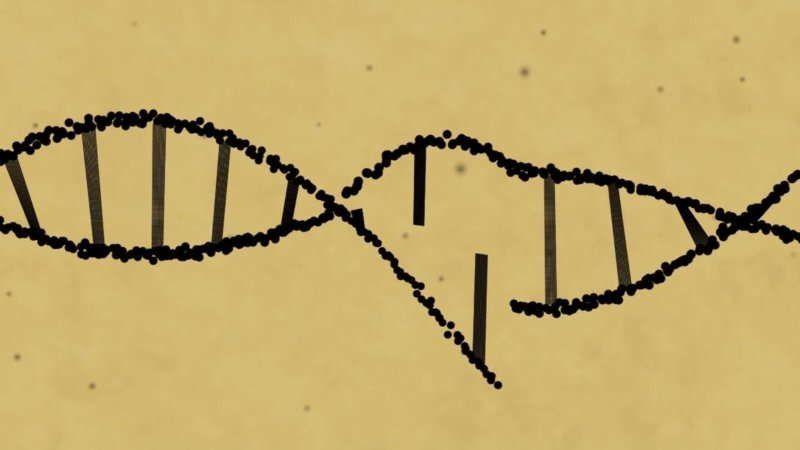
Gene therapy has shown promise in treating inherited genetic diseases, but a major issue that has frustrated scientists remains: Replacing a “bad” gene with a healthy one often is a short-lived fix. Typically, the healthy replacement gene works for just a few weeks. Now, scientists at Washington University School of Medicine in St. Louis have combined the gene-editing tool CRISPR with a deactivated virus.

The researchers ended the experiment at the six-month mark to study the mice, but said the length of sustained gene expression was equivalent to a fix that would last the lifespan of the mice.

[H]emophilia patients lack a gene that orchestrates blood clotting, leaving them at high risk of dangerous bleeding. A recent study of 10 patients showed that a virus (without CRISPR) was successful in delivering the missing gene and helping mitigate the patients’ symptoms.

Scientists have no control over where the virus inserts the gene into the cell’s DNA code, raising the risk of undesirable mutations. But the advent of CRISPR gene-editing technology has changed that. While not perfect, CRISPR is a precise method to edit the genome and is user-friendly compared with other precision gene-editing techniques.

[Researcher David] Curiel and his team are further investigating the safety and efficacy of the combined adenovirus and CRISPR techniques, first in improving gene therapy for hemophilia.

Editor’s note: Read the full study

Read full, original post: CRISPR enhances gene therapy to fight inherited diseases

Related Articles

Infographic: Global regulatory and health research agencies on whether glyphosate causes cancer

Infographic: Global regulatory and health research agencies on whether glyphosate causes cancer

Does glyphosate—the world's most heavily-used herbicide—pose serious harm to humans? Is it carcinogenic? Those issues are of both legal and ...

Most Popular

ChatGPT-Image-Sep-2-2026-02_03_32-PM
AI data centers and water usage: It’s a genuine and growing problem
ChatGPT-Image-Mar-10-2026-01_39_01-PM
Viewpoint—“Miracle molecule” debunked: Why acemannan supplements don’t work
ChatGPT-Image-Sep-16-2026-11_28_54-AM
Viewpoint: Study links childhood vaccination to autism!!! Here’s how anti-vaxxers twist evidence to corrupt science
Screenshot-2026-09-16-at-2.26.42-PM
Viewpoint: How to ecologically damage America’s forests: Ban glyphosate
Screenshot-2026-09-20-at-9.03.54-AM
From Malaysia to the world: A pioneering science communicator reimagines global science communication for a digital age
Screenshot-2026-09-18-at-11.35.25-AM
RFK Jr.’s latest crank obsession: Protecting Americans from perfectly safe electromagnetic radiation
ChatGPT-Image-Sep-21-2026-10_18_59-AM-2
Viewpoint: Is corporate embrace of regenerative agriculture greenwashing?
ChatGPT-Image-Sep-20-2026-09_47_55-AM
Trump says he’ll require drugmakers to end multiple vaccine doses, reviving discredited autism claims
Screenshot 2026-09-18 at 10.26
Slowdown AI development? China acknowledges serious risks but sees warnings as U.S. ploy to control the technology
ChatGPT-Image-Sep-17-2026-12_28_43-PM
Vitamin D, omega-3 fish oil and glucosamine supplements could cause brain damage 
ChatGPT-Image-Sep-18-2026-10_49_24-AM
‘Symptom borrowing’: Young people are copying health problems they see on TikTok
Screenshot-2026-09-20-at-4.31.28-PM
White House drafting executive order to control what OMB Director Vought claims are “woke” NIH science grants
glp menu logo outlined

Get news on human & agricultural genetics and biotechnology delivered to your inbox.