Viewpoint: I know my skin better than a ‘DNA-optimized’ skincare routine does

skincare
Image credit: Life DNA

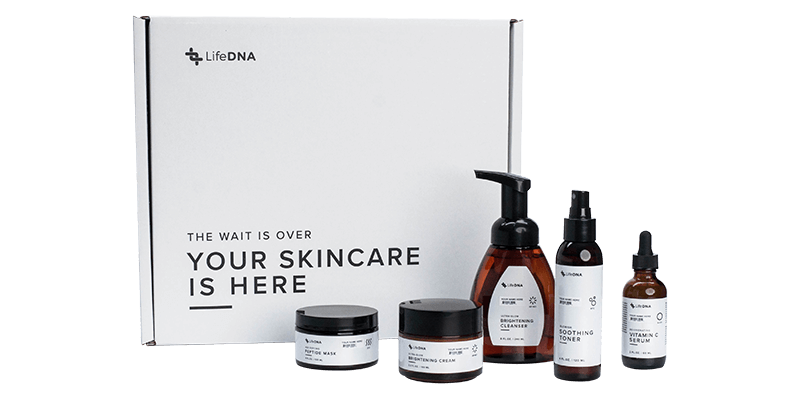
LifeDNA purports to take your DNA data from companies like 23andMe, and, relying on findings from “over 1,100 peer-reviewed studies,” determine the best ingredients for you skin. Based on your DNA and answers to an online lifestyle questionnaire, the company ships you a box of its own branded skincare products. They aren’t cheap. The Deluxe Beauty Box will set you back $289.

My Deluxe Beauty Box contained a cleanser, a toner, a moisturizer, and a serum that I was supposed to use twice a day, plus a weekly mask. The Dynamic Wellness Box included five daily supplements.

Immediately after my first morning of cleansing and toning and moisturizing and seruming, my skin felt greasy, as if there was a thin layer of oil on top of it. It was also somewhat itchy.

After the third week, my skin was no longer itchy and red. But it was dryer and seemed slightly more prone to pimples. The supplements seemed to have no discernable effect.

My dermatologist told me that it would be virtually impossible to isolate what I was having an allergic reaction to, since the way different ingredients interact with each other is complex.

As it turns out, I might know my own skin better than an algorithm trying to decipher the many mysteries of my DNA.

Read full, original post: I Tried a DNA-Optimized Skincare Routine—and I Was Allergic to It

{{ reviewsTotal }}{{ options.labels.singularReviewCountLabel }}
{{ reviewsTotal }}{{ options.labels.pluralReviewCountLabel }}
{{ options.labels.newReviewButton }}
{{ userData.canReview.message }}

Related Articles

Infographic: Global regulatory and health research agencies on whether glyphosate causes cancer

Infographic: Global regulatory and health research agencies on whether glyphosate causes cancer

Does glyphosate—the world's most heavily-used herbicide—pose serious harm to humans? Is it carcinogenic? Those issues are of both legal and ...

Most Popular

Screenshot-2026-03-13-at-12.14.04-PM
The FDA wants to make many popular prescription drugs OTC—a great idea. Here’s why it’s unlikely to happen
Screenshot-2026-05-04-at-12.54.32-PM
How Utah became the country’s supplement capital  — and a haven for unregulated, ineffective and fake products
Screenshot-2026-04-20-at-2.26.27-PM
Viewpoint — Food-fear world: The latest activist scientists campaign: Cancer-causing additives
Screenshot-PM-24
Viewpoint: The herbicide glyphosate isn’t perfect. Banning it would be far worse.
images
The never-ending GMO debate: Pros and cons
Screenshot-2026-05-01-at-11.56.24-AM
‘Science moves forward when people are willing to think differently’: Memories of DNA maverick Craig Venter
Screenshot-2026-04-30-at-2.19.37-PM
5 myths about summer dehydration that could damage your health — or even kill you
Screenshot-2026-04-03-at-11.15.51-AM
Paraben panic: How a flawed study, media hype, and chemophobia convinced the public of the danger of one of the safest classes of preservatives
bigstock opioids on chalkboard with rol
GLP podcast: 'Safe injection sites': enabling drug addiction or saving lives?
79d03212-2508-45d0-b427-8e9743ff6432
Viewpoint: The Casey Means hustle—Wellness woo opportunism dressed up as medical wisdom
glp menu logo outlined

Get news on human & agricultural genetics and biotechnology delivered to your inbox.