Viewpoint: Simple disclosure—not fancy logo—is what GMO labeling needs

gmolabelbill custom bd ad cdee a a b c c ef eecc s c
Image credit: Lisa Rathke/AP

The U.S. Department of Agriculture has come up with cheerful new labels for genetically modified foods. The bright green and yellow circles depict a happy sun, a winking smiley face or a verdant landscape stamped with the letters “BE,” for “bioengineered” — rather than the familiar “genetically modified” or “genetically engineered.”

It’s a shame the government is unwilling to let the facts speak for themselves.

Science has affirmed that GM foods — grown from seeds whose genes have been altered to make them resistant to insects or herbicides, for instance — are safe. There’s no need to dress up the labels to suggest that genetic modification makes foods somehow better. That risks misleading the public, just as Greenpeace and other groups have done with their baseless claims that GM crops are dangerous.

A straightforward description, not propaganda, is what American consumers want. And new evidence suggests that plain labels can help build acceptance for GM foods.

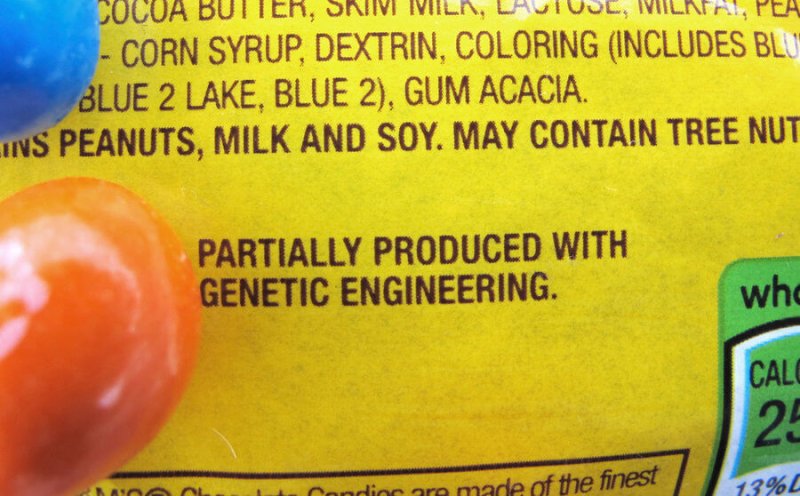
Economists who looked at prevailing attitudes in Vermont before and after a state labeling requirement went into effect there in July 2016 have found that the state’s no-nonsense labels — no logos, just the words “produced with genetic engineering” or “partially produced with genetic engineering” — led to a 19 percent drop in opposition to GM foods.

Editor’s note: This is part of an editorial by Bloomberg

Read full, original article: Trust the Facts on GMOs

{{ reviewsTotal }}{{ options.labels.singularReviewCountLabel }}
{{ reviewsTotal }}{{ options.labels.pluralReviewCountLabel }}
{{ options.labels.newReviewButton }}
{{ userData.canReview.message }}

Related Articles

Infographic: Global regulatory and health research agencies on whether glyphosate causes cancer

Infographic: Global regulatory and health research agencies on whether glyphosate causes cancer

Does glyphosate—the world's most heavily-used herbicide—pose serious harm to humans? Is it carcinogenic? Those issues are of both legal and ...

Most Popular

Screenshot-2026-03-13-at-12.14.04-PM
The FDA wants to make many popular prescription drugs OTC—a great idea. Here’s why it’s unlikely to happen
Screenshot-2026-04-20-at-2.26.27-PM
Viewpoint — Food-fear world: The latest activist scientists campaign: Cancer-causing additives
Screenshot-2026-05-04-at-12.54.32-PM
How Utah became the country’s supplement capital  — and a haven for unregulated, ineffective and fake products
Screenshot-PM-24
Viewpoint: The herbicide glyphosate isn’t perfect. Banning it would be far worse.
images
The never-ending GMO debate: Pros and cons
Screenshot-2026-05-01-at-11.56.24-AM
‘Science moves forward when people are willing to think differently’: Memories of DNA maverick Craig Venter
Screenshot-2026-04-30-at-2.19.37-PM
5 myths about summer dehydration that could damage your health — or even kill you
Screenshot-2026-04-03-at-11.15.51-AM
Paraben panic: How a flawed study, media hype, and chemophobia convinced the public of the danger of one of the safest classes of preservatives
bigstock opioids on chalkboard with rol
GLP podcast: 'Safe injection sites': enabling drug addiction or saving lives?
79d03212-2508-45d0-b427-8e9743ff6432
Viewpoint: The Casey Means hustle—Wellness woo opportunism dressed up as medical wisdom
glp menu logo outlined

Get news on human & agricultural genetics and biotechnology delivered to your inbox.