Pentagon DARPA program targeting crop losses could turn insects into ‘easily weaponized’ biological army, critics claim

Screen Shot at PM
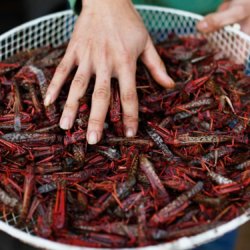
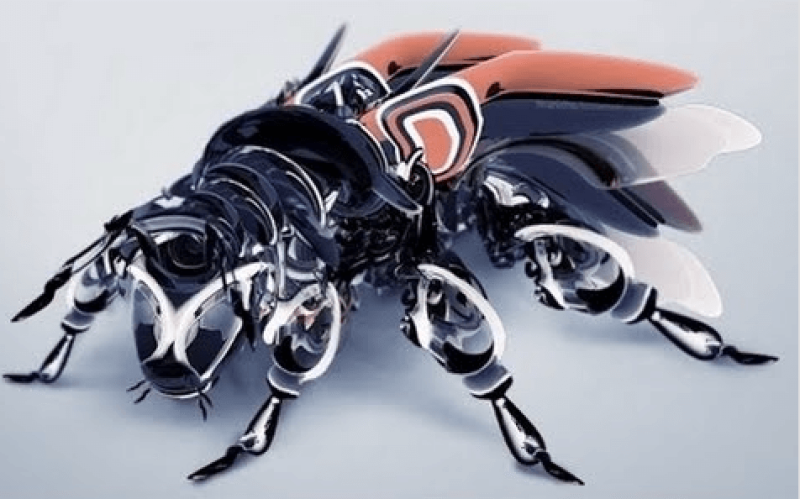
Pentagon DARPA program targeting crop losses could turn insects into ‘easily weaponized’ biological army, critics claim. Image via National Geographic

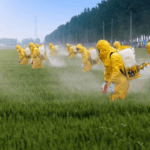
The Pentagon is studying whether insects can be enlisted to combat crop loss during agricultural emergencies. The bugs would carry genetically engineered viruses that could be deployed rapidly if critical crops such as corn or wheat became vulnerable to a drought.

…

The program, funded by the Defense Advanced Research Projects Agency (DARPA), has a warm and fuzzy name: “Insect Allies.” But some critics find the whole thing creepy.

A team of skeptical scientists and legal scholars published an article in the journal Science on [October 4] arguing that the Insect Allies program opens a “Pandora’s box” and involves technology that “may be widely perceived as an effort to develop biological agents for hostile purposes and their means of delivery.” A website created by the critics puts their objection more bluntly: “The DARPA program is easily weaponized.”

…
DARPA’s program manager for Insect Allies, Blake Bextine, pushed back on the Science article, saying the program is solely for peaceful purposes, has been reviewed by government agencies responsible for agricultural safety and has multiple layers of safeguards built into the research protocols, including total containment of the insects.

“I don’t think that the public needs to be worried. I don’t think that the international community needs to be worried,” Bextine told The Washington Post.

Read full, original post: The Pentagon is studying an insect army to defend crops. Critics fear a bioweapon.

Related Articles

Infographic: Global regulatory and health research agencies on whether glyphosate causes cancer

Infographic: Global regulatory and health research agencies on whether glyphosate causes cancer

Does glyphosate—the world's most heavily-used herbicide—pose serious harm to humans? Is it carcinogenic? Those issues are of both legal and ...

Most Popular

ChatGPT-Image-Mar-10-2026-01_39_01-PM
Viewpoint—“Miracle molecule” debunked: Why acemannan supplements don’t work
Wave Crest Over Red Cross
Viewpoint: Here are the election-inspired Trump administration healthcare policy reversals expected in the coming months
Bayer Crop Circle in Golden Wheat
Making fertilizer from thin air: Bayer’s gene-editing innovation could dramatically cut chemical fertilizer use in growing food
Blue Checklist in Centered Hand
Viewpoint: From Medicaid cuts to MAHA-backed anti-vaccine and chemical hysteria, voters reject Republicans’ science-skeptical agenda
p22_spraying_2
How climate change is driving increased pesticide usage
Aerial Sprayer Over Gradient Fields
Farming, food, and chemicals: Post-midterms, the MAHA alliance between Democrats and MAGA Republicans is bruised but not cowed. What comes next?
Democratic Donkey Plowing at Sunset
Viewpoint: Democratic tsunami: As the red tide recedes, here are the most likely shifts in food and agricultural policy
glp menu logo outlined

Get news on human & agricultural genetics and biotechnology delivered to your inbox.