Synthetic, animal-free collagen could produce candy, shampoo and lotions of the future

what is gelatin made of main x c
Image Credit: MyDomaine

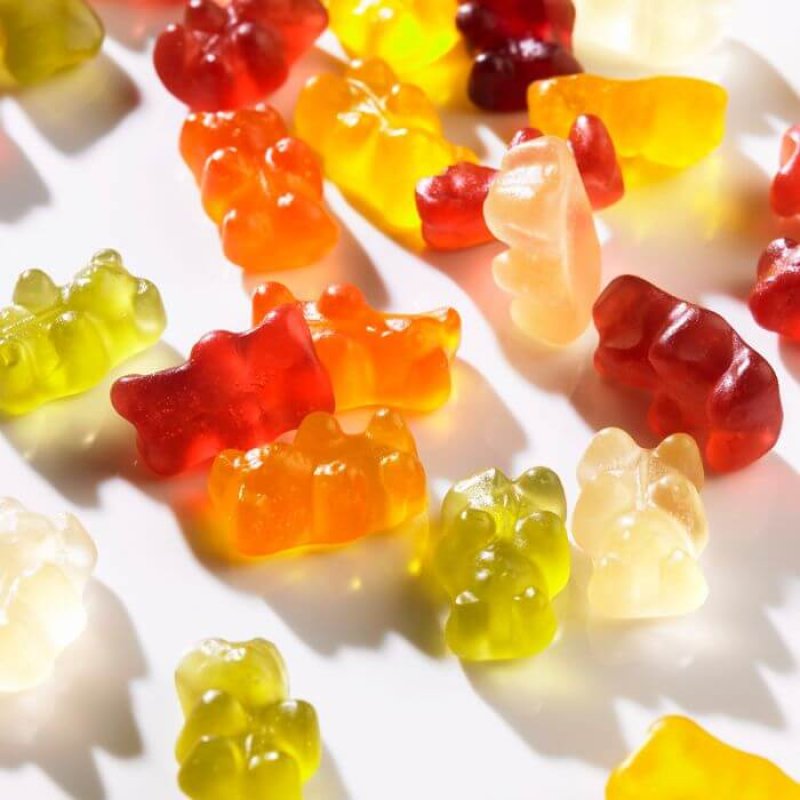
Geltor, based in San Leandro, California, produces the protein collagen without animals. Collagen is found in a variety of foods, personal-care products and other items, such as shampoos, body lotions, strings for musical instruments and gelatin.

Alex Lorestani and Nick Ouzounov, the co-founders of Geltor, met in 2012 in the molecular biology department at Princeton University. They began to use fermentation to produce collagen in a San Francisco lab called IndieBio, which provides $250,000 in funding and a four-month program to jump-start their business.

The process is similar to how beer is fermented. Geltor scientists take carbon, nitrogen and oxygen and convert them into collagen using microbial fermentation.

Jeremy Coller was one of Geltorโ€™s earliest investors. Rosie Wardle, the program director of the Jeremy Coller Foundation, who advises on Collerโ€™s investments, believes this method is how protein will be produced in the future.

โ€œThe current system of protein production is a broken system,โ€ Wardle said.

โ€œItโ€™s resource-intensive and having a massive detrimental impact on the environment. Business as usual isnโ€™t really an option for the protein-production sector going forward. So we started looking at companies that were providing the solutions to that, and Geltor was one of the companies that is focused on exactly that.โ€

Read full, original article:ย Lab-grown gelatin is the fake food of the future, one start-up believes

{{ reviewsTotal }}{{ options.labels.singularReviewCountLabel }}
{{ reviewsTotal }}{{ options.labels.pluralReviewCountLabel }}
{{ options.labels.newReviewButton }}
{{ userData.canReview.message }}

Related Articles

Infographic: Global regulatory and health research agencies on whether glyphosate causes cancer

Infographic: Global regulatory and health research agencies on whether glyphosate causes cancer

Does glyphosateโ€”the world's most heavily-used herbicideโ€”pose serious harm to humans? Is it carcinogenic? Those issues are of both legal and ...

Most Popular

vax-misinformation-main
Facts & Fallacies Podcast: Limit free speech to blunt social media misinfo?
Picture1
The FDA couldnโ€™t find a vaccine safety crisis, so it buried its own research
ChatGPT-Image-Apr-16-2026-02_56_53-PM
Financial incentives, over diagnosis, and weak oversight: Autism claims are driving up Medicare costs
ChatGPT-Image-May-12-2026-11_27_01-AM-2
AI likely to improve health care, research showsโ€”but not for blacks and ethnic minorities
modi visit sikkim
Viewpoint: Indian PM wants farmers to switch to 50% organic. It would take at least 10 years, likely wonโ€™t work, and isnโ€™t more sustainable
ChatGPT-Image-May-7-2026-12_32_36-PM
Viewpoint: The state of U.S. vaccine policy? Dismal nationally, but some states are stepping up.
Screenshot-2026-04-22-at-12.21.32-PM
Viewpoint: Why the retracted Monsanto glyphosate study doesnโ€™t change the scienceโ€”the worldโ€™s most popular herbicide is safeย 
Screenshot-2026-05-19-at-11.23.34-AM
West-originated vaccine disinformation sparks murders of health care workers across Africa
Screenshot-2026-04-13-at-1.39.26-PM
Viewpoint: โ€˜Safer for children?โ€™ Stonyfield yogurt under fire for deceptive organic marketing
Screenshot-2026-05-18-at-12.57.12-PM
Viewpointโ€”โ€˜Technology is pulling us apartโ€™: Environmental, political, and economic
ChatGPT-Image-May-12-2026-08_39_41-PM
GLP podcast: Big Pharma, Big Ag, Big Foodโ€”health harming industries or life-saving innovators?
ChatGPT-Image-May-20-2026-04_53_21-PM-2
Viewpoint: Doctors can fight health misinformation โ€” if hospitals let them
ChatGPT-Image-May-7-2026-12_16_37-PM-2
Viewpoint: Are cancer rates โ€˜skyrocketingโ€™ as RFK, Jr. and MAHA claim? The evidence says mostly the opposite
glp menu logo outlined

Get news on human & agricultural genetics and biotechnology delivered to your inbox.