If you spend enough time reading about pet cloning, you’ll see that adjective come up over and over again: beloved. When people clone their animals, they do so because they love them—and because they can’t stand the prospect of losing them forever.
…
Talk to experts about what cloning actually entails, however, and you’ll begin to realize that the costs are steeper than most realize—and go far beyond money.
…
Even not counting the original egg donor and surrogate, the cloning process still requires numerous dogs to produce a single clone.
…
Even if one is willing to overlook the suffering of animals harvested for their eggs and co-opted into pregnancy, questions still arise. Key among them may be what pet owners think they’re getting when they clone a “beloved” animal.
…
You adore this animal—not because of its genetics, but because it became the creature that it is through time spent with you. While a clone may perfectly replicate its genome, it won’t be the same dog because it won’t have the same life, a life that it lived in your company. In almost every way that matters, then, they’re different dogs.
After what feels like a decade of hype and underwhelming sales, direct-to-consumer (DTC) genetic testing seems to be taking off, for better or worse. In the hope of discovering more about themselves, millions of people have sent DNA-filled tubes of spit to commercial testing companies.
…
If you believe the marketing campaigns, you will, as AncestryDNA declares on its website, “discover what makes you uniquely you.” You will, as another DTC company suggests, discover more about your “DNA tribe.” And you will, as virtually every ancestry company promises in one way or another, learn about your “ethnic origins.”
While I understand the interest in exploring one’s family history, the marketing associated with these studies goes well beyond finding long-lost relatives. A consistent, underlying theme is that biological difference matters.
…
This “biology matters” perspective, which sales figures suggest people are embracing, is a significant step backward, both scientifically and socially. [W]e shouldn’t forget that the concept of “race” is a biological fiction.
…
[W]henever biology is attached to a rough human classification system (ancestry, ethnicity, etc.), the public, researchers and the media almost always gravitate back to the concept of race. In other words, the more we suggest that biological differences between groups matter — and that is exactly what these companies are suggesting — the more the archaic concept of race is perceived, at least by some, as being legitimate.
Editor’s note: Timothy Caulfield is Canada Research Chair in Health Law and Policy at the University of Alberta
Crops which have been genetically modified so they produce industrial products could be grown in Britain for the first time after scientists applied for permission to the government to start field trials.
Rothamsted Research, which is based in Harpenden, Hertfordshire, wants to plant GM camelina with altered DNA so that it produces ‘wax esters’, a natural lubricant which can be used instead of petrochemicals to keep machinery running smoothly.
Until now the company has only planted GM crops which could be used for human consumption, such as camelina with extra Omega-3 fish oil to boost health, or wheat altered to produce higher yields.
But the company said it now planned to use camelina as a ‘chassis’ to make useful lipids, or fatty acids, which can provide alternatives for chemicals in a range of industrial applications.
However campaigners said the outdoor trials in Hertfordshire and Suffolk, represented an ‘unacceptable risk’ to ‘people, wildlife and the wider environment.’
Twenty-six organisations including farmers, scientists, retailers and environmentalists have lodged a formal objection to Defra, asking them to refuse permission for trial, warning that pollen or seeds could escape and lead to other plants growing wax esters, which are harmful to humans.
The search for mutations that conjure medical superpowers has turned up people who are resistant to liver disease, even if they drink like crazy.
Big-time biotech company Regeneron Pharmaceuticals says it found people with a gene mutation that seems to leave them mostly immune to “fatty liver” disease, which is widespread in the US as a result of both alcoholism and overeating.
Now, the company says, it will partner with gene-silencing specialist Alnylam Pharmaceuticals to create medicines that mimic the effect.
…
This time, Regeneron scoured the DNA, blood levels, and electronic records of 46,544 volunteers to look for links to liver damage.
They zeroed in on a gene called HSD17B13. They found that folks who lack a working copy of this gene had a 73 percent lower chance of cirrhosis due to drinking, and half as big a chance of other types of cirrhosis.
How the protective effect works isn’t entirely clear.
…
Fatty liver is chronic and not always dangerous. The biotech companies say they are looking to treat a specific type called nonalcoholic steatohepatitis, or NASH, which is more likely to lead to liver failure.
The liver problem is linked to being overweight, so losing weight can slow it down. For those who can’t shed the pounds, Regeneron may eventually have a superpower in a vial.
Some Ugandan officials are optimistic that the nation’s biotechnology biosafety bill will soon pass, saying that President Museveni’s concerns have been addressed.
“The president expressed concern on seven out of 44 clauses in the biosafety bill,” noted Kafeero Sekitoleko, chairman of Parliament’s Science and Technology Committee. “These have since been addressed and we’re ready to report back (to Parliament). I want to leave Uganda with a biosafety law by end of my term in May (2018).”
After years of wrangling, Parliament passed the bill in October 2017. But President Museveni referred it to back to lawmakers in December, citing various concerns.
Other officials also sought to allay fears that the country may never have a biosafety law.
“The president’s issues with the biosafety bill have been addressed. So the bill will pass,” reiterated Christopher Kibazanga, state Minister for Agriculture.
…
The announcement prompted jubilation from an evidently excited audience. Uganda’s pro-biotech community is now in a “fingers-crossed” mood as it eagerly awaits results from yesterday’s tabling of the report.
[Biologist Louis Bernatchez of Quebec’s Laval University] and his colleagues set out to search for evidence of a different kind of hatchery adaptation, detectable in the epigenome rather than the genome. They trapped juvenile coho salmon (Oncorhynchus kisutch) just before, or a few weeks after, release from hatcheries on two rivers in British Columbia, and wild juveniles from the same area. Then, they collected and sequenced samples of the fish’s muscle tissue. When they compared the two populations’ genomes, the researchers found no significant genetic differences. But compared to the genomes of their wild counterparts, 100 regions on the genomes of hatchery-reared salmon were differentially methylated, and of those, 89 were hypermethylated.
“That’s a pretty clear-cut and striking result,” Bernatchez says, adding that the results imply “that those genes are downregulated, or less expressed, most likely, in the hatchery fish relative to wild fish.” Some of the hypermethylated regions contain genes for immunity, the transmission of neural signals to muscles for locomotion, and appetite and feeding behaviors. “Quite a few important biological functions were affected,” he adds, indicating that the methylation patterns may play into the fitness differences between wild and hatchery-reared fish.
Editor’s note: Read the full study (behind paywall)
Scientists report that the most common Parkinson’s gene mutation may change how immune cells react to generic infections like colds, which in turn trigger the inflammatory reaction in the brain that causes Parkinson’s. Their study (“Mutant LRRK2 Mediates Peripheral and Central Immune Responses Leading to Neurodegeneration In Vivo”), published in Brain, contradicts the long-held view that Parkinson’s was a disease that starts in the brain, destroying motion centers and resulting in the tremors and loss of movement.
…
Mutations in the LRRK2 gene are the most common cause of inherited Parkinson’s disease.
…
“We know that gene mutation is not enough to cause the disease,” said Dr. Kozina, a postdoc at Jefferson (Philadelphia University and Thomas Jefferson University). “We know that twins who both carry the mutation won’t both necessarily develop Parkinson’s. A second ‘hit’ or initiating event is needed.”
Based on his earlier work showing that the flu might increase risk of Parkinson’s disease, Dr. Smeyne decided to investigate whether that second hit came from an infection.
…
[He said,] “Although we can’t treat people with immunosuppressants their whole lives to prevent the disease, if this mechanism is confirmed, it’s possible that other interventions could be effective at reducing the chance of developing the disease.”
While many transgender people opt for gender-affirming surgeries, little research has been done to examine how such operations may affect their wellbeing afterward. A new study, presented at the annual European Association of Urology conference [in March], offers a perhaps more accurate picture of how surgery affects the lives of transgender people.
…
According to Jochen Hess, who led the research team, standard surveys that ask about a person’s quality of life don’t take into account transgender people’s unique experiences and hardships. “The [Essen Transgender Quality of Life Inventory] is more specific for this very diagnosis and more sensitive for that specific group of persons,” he said.
…
Hess and his team found that, overall, three-quarters of those that participated in the survey experienced strong, positive changes in their life satisfaction following their surgery, while 61 percent felt satisfied with their appearance. Seventy-one percent were pleased with the physical results of the surgery, while 65 percent said they were happy with the functional changes it brought. Seventy-six percent said they were able to have orgasms. And 80 percent said they perceived themselves as women.
“We could detect a distinct improvement of general and trans-specific [quality of life] and psychosocial resources in our transgender cohort during the transition process,” Hess said.
For those unaware, Shiva is one of the world’s most famous anti-GMO activists, hailing from India. She’s giving a speech on Monday, April 16, at the University of Wisconsin-Oshkosh, where I did a year of my undergrad. I found out that the university got a “good deal” since they had flexible scheduling for her, and Shiva is being paid just under $20,000 to speak.
How would you feel if someone was paid tens of thousands of dollars to lie about your occupation? As farmers, she has not been speaking the truth about what we do and claims that GMOs are poison, we are drenching our fields in chemicals, Monsanto has control over us in ag, and GMOs are killing the bees and causing farmers to commit suicide.
None of these are true and can be easily debunked, but these are popular myths that have been spread and funded by industry activists for years.
…
Fear sells, and it’s very disappointing to see farmers and scientists defamed and harassed, all with the help of folks like Shiva, and their anti-GMO industry-sponsored agenda funded with taxpayers dollars.
Eyes on wide swaths of the nation’s farmland are sure to look out for continued damage from dicamba – divisive weed killer blamed for damaging millions of acres of soybeans and other plants over the last couple years.
But much attention will also be on a Missouri courtroom, where Creve Coeur, Mo.-based biotech giant, Monsanto, is facing off in a proposed class action lawsuit with farmers who allege they were harmed by the hard-to-control herbicide notorious for its tendency to evaporate – or volatize – and move to other nearby areas.
…
Senath, Mo.-based Cow-Mil Farms, Inc., in its lawsuit alleges that reported dicamba damage has been both a predictable and profitable result of Monsanto’s rollout of the Xtend product package.
…
Citing both farmers and weed scientists, other arguments outlined in the complaint include allegations that Monsanto sales representatives privately condoned unauthorized use of the herbicide….
…
Monsanto, meanwhile, steadfastly denies that it is liable for any damages alleged in the cases.
Particularly when it comes to damage linked to older, illegal versions of dicamba, the company notes in court filings that it did not manufacture, distribute or sell the herbicides in question.
The fact is, almost everyone has herpes. Just so we’re defining our terms, genital herpes refers to the incredibly common STI caused by either type one or type two of the herpes simplex virus, or HSV.
…
Because of both its physical and psychological tolls, scientists have spent decades trying to create a vaccine for herpes. But so far, the most successful medical advancements have been in antiviral medications.
…
Enter: gene editing. This powerful procedure works by introducing a human-made enzyme that “snips” genes at crucial points, and can then modify them or insert different segments in their stead. By potentially eliminating inherited diseases embedded in a person’s genetic makeup, scientists hope the procedure could one day help people who’ve been infected with otherwise incurable viruses like herpes and HIV.
…
In [virologist Keith] Jerome’s research, molecular scissors enter a cell and look for a specific sequence of DNA that is only found in the herpes virus. Once they find the herpes-specific DNA, the scissors cut it in half. This disrupts the virus so that “it’s no longer able to reactivate, cause lesions, transmit to a new host, any of those problems,” he says.
…
“If we can perfect it in the future studies, this would be a way to completely inactivate all the virus in a person,” he says.
Dogs bark, cows moo, and regulators regulate,” former U.S. Food and Drug Administration commissioner Frank Young once quipped to explain regulatory agencies’ expansionist tendencies. There may be no better example than the FDA’s oversight of genetically engineered animals. This oversight misguidedly extends a regulatory regime designed specifically for the approval of new animal drugs to the regulation of the animals themselves. This sophistic and wrong-headed approach has resulted in regulatory paralysis and the near annihilation of an entire once-promising genetic engineering sector in which the United States was poised to be preeminent.
In 2009 the FDA aggressively seized control of the regulation of genetically engineered animals. That year the agency published a “guidance” that required all “genetically engineered” animals, from whales to mosquitoes, to be regulated by its Center for Veterinary Medicine. According to the guidance, the animals would be regulated like “new animal drugs” such as antibiotics, pain relievers, or flea medicines. The rationale was that “intentionally altered genomic DNA” that is in a genetically engineered animal “and is intended to affect the animal’s structure or function meets the definition of an animal drug.”
Until that policy, no one—certainly no members of Congress or officials at other regulatory agencies—had conceived of the FDA claiming oversight of the breeding of pets, farm animals, or any other animals. For example, the FDA did not evaluate greyhounds bred by conventional techniques to enhance (DNA-mediated) traits that make them faster runners; cats that are better mousers; or even animals that have been modified with molecular genetic engineering techniques for scientific research, which includes hundreds of lines of rodents.
Fish story
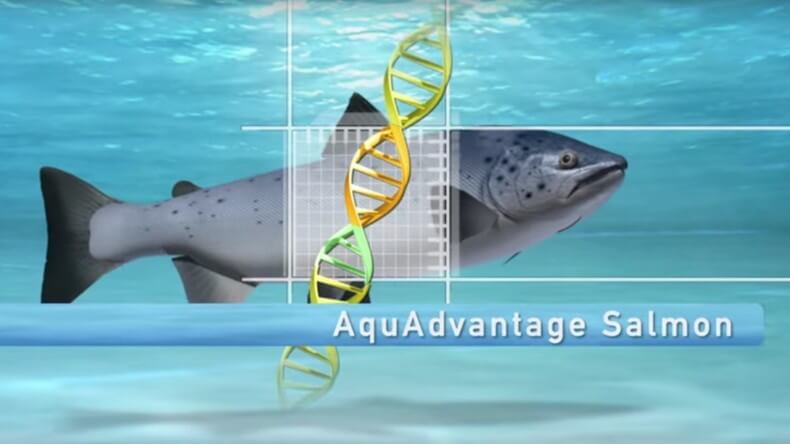
Only a couple of animals have been reviewed by the FDA under the guidance, and it is no exaggeration to say that the regulators’ performance has been near-catastrophic. The first was the AquAdvantage Atlantic salmon, which reaches maturity 40 percent faster (and consumes 25 percent less food) than its unmodified cohorts. We’ve told the story of this fish in these pages before, but it merits repeating. The genetic changes confer no detectable difference in the fish’s appearance, ultimate size, taste, or nutritional value; it just grows faster, which is a tremendous economic advantage to those farming the fish in a closed-water system. Also, because the fish are sterile females and farmed inland, there is negligible possibility of any sort of “genetic contamination” of the wild salmon gene pool or other environmental effects.
Long before the FDA issued its guidance in 2009, its officials had told AquaBounty, the fish’s creator, to submit a marketing approval application to the FDA, although there was no clear regulatory rationale or pathway for evaluating it. The agency delayed the application for approval of the salmon for almost 13 years before reaching a decision on how the fish should be reviewed, and then opted for the most stultifying, expensive, dilatory, and inappropriate regulatory approach among various possible policy choices. Its review of the salmon as a “new animal drug” took several more years. At the end of this two-decades-long process, the FDA concluded what had been obvious from the beginning: that no health or environmental risks or food quality concerns existed.
The FDA has determined that no special labeling is required to associate the salmon with genetic engineering because the salmon did not present any unique food safety concerns. Nevertheless, because of requirements included in spending bills, Congress has so far prevented the FDA from granting final marketing approval for the AquAdvantage salmon until the agency imposes some sort of labeling requirement. This requirement is supported by certain segments of the salmon industry that seek to discourage the acceptance of—and therefore, competition from—the AquAdvantage salmon.
Meanwhile, the sale of AquAdvantage salmon began in Canada this year. No special label is required, so consumers are making their salmon-buying choices based on quality and price. According to AquaBounty, five tons of AquAdvantage filets had been sold there by the beginning of August, and they’re unable to keep up with the demand.
Mosquito woes
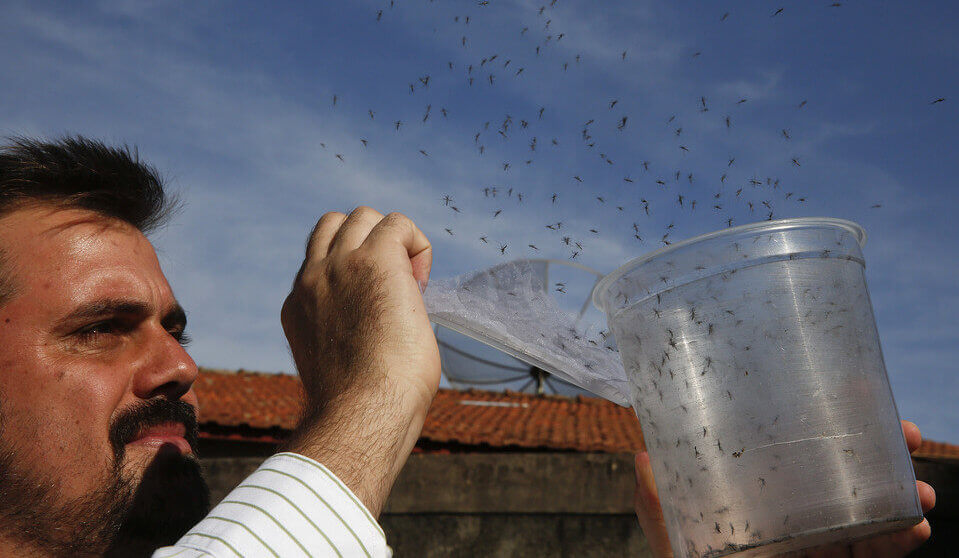
A delay in the availability of cheaper salmon isn’t the end of the world, of course, but there are plenty of other examples. For instance, the FDA has also unnecessarily and inexplicably delayed small-scale field trials of an innovative approach to controlling the mosquitoes that transmit the Zika virus, yellow fever, dengue fever, and chikungunya: a novel, self-destructing, genetically modified Aedes aegypti mosquito. Biotech firm Oxitec introduced an inherited genetic defect (a conditional-lethal mutation) into the mosquitoes that causes the insects to die in the absence of a certain supplement. After the mosquitoes are released and mate, their offspring die before reaching maturity, resulting in a marked reduction in the mosquito population. The parents also soon die.
Because male mosquitoes don’t bite, they present no health risk, and because the progeny die before they can reproduce, none should persist in the environment. This approach has been successfully tested in several countries, with roughly 90 percent suppression of the wild population of Aedes aegypti. Brazil’s National Technical Commission for Biosecurity has granted permission for commercial releases.
The FDA took an unconscionable five years (2011–2016) to approve a single small-scale field test of this mosquito, and that came only after mounting pressure from the growing Zika threat and the consequent need to control Aedes aegypti. In August 2016 the FDA finally approved a field trial at one site in the Florida Keys, some 160 miles from a Zika outbreak in Miami, a trial that has yet to begin because the community has changed its mind about allowing it.
Guilherme Trivellato of Oxitec releases some Aedes aegypti mosquitoes that have been genetically modified to produce offspring that don’t survive or reproduce. The species spreads at least four viruses that cause major diseases, including Zika.
Because the FDA regulated the genetic insert in the mosquito as a new animal drug, like other “drugs” it would have to be shown to be safe and effective for the animal in order to gain government approval to be marketed. This presented a regulatory conundrum: regulators would have to conclude that the genetic material that causes a male mosquito to self-destruct after producing defective, doomed offspring is safe and effective for the mosquito. The FDA would have found itself tied up in legal knots if its ultimate approval of the insect were challenged in court by environmentalists and anti-genetic engineering activists. We pointed out this conundrum in a March 13, 2016 Wall Street Journal op-ed. In January 2017, the FDA ceded the regulation of mosquitoes to the U.S. Environmental Protection Agency, an agency that does have the statutory authority to regulate insecticides.
In a somewhat analogous mosquito control innovation, the EPA has recently shown that it can efficiently review field trials with comparable nongenetically engineered strains of mosquitoes. The mosquitoes are Aedes albopictus males (and therefore don’t bite) that have been intentionally infected with certain specific strains of Wolbachia bacteria. (Strains of the bacteria are present in many insect species.) When released, these males mate with female mosquitoes, but the resulting eggs fail to hatch, decreasing the biting mosquito population by as much as 80 percent.
Blocking innovation
The FDA’s failures in both policy formulation and in the actual reviews of the genetically engineered salmon and mosquito resulted from empire-building, a lack of scientific expertise, and deference to political pressure. In contrast, the U.S. Department of Agriculture has a long history with genetically altered biocontrol agents, most notably the innovative screwworm fly produced with sterile-insect techniques that was successfully developed by the USDA more than 70 years ago to eradicate a devastating animal pest. Since then, the USDA has performed, funded, and overseen the testing and commercialization of a variety of control agents created with sterile insect techniques. (When released in large numbers, insects made sterile—usually by irradiation—mate but don’t produce progeny, and thereby reduce wild insect populations.)
Largely because of the irrationality and unpredictability of U.S. regulation, industry has been reluctant to invest in these important new approaches to the improvement of animal traits. The few companies that have, besides AquaBounty and Oxitec, include Recombinetics, which has produced hornless cows (an important innovation), and Genus, which has developed pigs resistant to the devastating Porcine Reproductive and Respiratory Syndrome Virus, the cause of losses to U.S. pig farmers of more than $600 million annually. The foreseeable development of chickens with genetic resistance to avian influenza will be a monumental breakthrough because there is no vaccine against it and outbreaks result in the culling of tens of millions of birds annually. These companies have the potential to create the Next Big Thing in animal husbandry—if only innovation were not strangled by unnecessary, misguided government regulation.
The arrogation of oversight over modern animal breeding by the FDA’s Center for Veterinary Medicine is an exemplar of the sort of regulatory overreach and dysfunction that the Trump administration claims it wants to address. The White House Office of American Innovation, headed by Jared Kushner, was established for this purpose. However, it has not focused on biotechnology and it has a very limited staff. It will likely fall to other entities in the White House to reassign oversight of genetically engineered animals to more appropriate agencies.
The USDA has ample oversight authority over animal breeding under various statutes, and certain other agencies also may have concurrent authority over products such as pesticides (by the EPA) or particular food products (by the FDA’s Center for Food Safety and Nutrition). Such a change would likely be broadly supported by academia, industry, investors, and others who have been discouraged and frustrated by the FDA’s dysfunction and obstructionism.
Withdrawing the FDA’s “veterinary drug” guidance and assigning jurisdiction over genetically modified animals to the USDA and EPA would be a logical and important advance for agriculture, the environment, and public health. All that is needed to get it done is resolve from the feds. It can’t happen soon enough.
John J. Cohrssen is an attorney who has served in a number of government posts in the executive and legislative branches of the federal government, including associate director of President George H.W. Bush’s Council on Competitiveness and counsel for the House Energy and Commerce Committee. Henry I. Miller, a physician and molecular biologist, is the Robert Wesson Fellow in Scientific Philosophy and Public Policy at Stanford University’s Hoover Institution. He was the founding director of the FDA’s Office of Biotechnology. Follow him on Twitter @henryimiller
When we think about corn, we usually think about sweet corn. It is a departure from its cousins that are grown on the vast majority of the acreage, the corn bred for use as animal feed and fuel. Sweet corn was specifically discovered and selected because of its sweetness. But how does a kernel of corn divert the resources used for starch production into simple sugars? Curt Hannah has been studying starch production over his 45-year career at the University of Florida. Along the way, he interacted with the University of Florida Sweet Corn Breeding Program down in Belle Glade, FL. The discussion covers the genetic differences between sweet corn and corn-corn that lead to sweetness, but also some of the issues with production, breeding, and genetic engineering.
Agriculture Secretary Sonny Perdue … issued a statement making it clear that USDA does not regulate, or have any plans to regulate, plants produced through new breeding tools such as genome editing, as long as they are not plant pests or developed using plant pests.
Sonny Perdue
USDA said the new tools are increasingly being used to produce new plant varieties indistinguishable from those developed through traditional breeding methods. “The newest of these methods, such as genome editing, expand traditional plant-breeding tools because they can introduce new plant traits more quickly and precisely, potentially saving years or even decades in bringing needed new varieties to farmers,” USDA said in a news release.
“Plant breeding innovation holds enormous promise for helping protect crops against drought and diseases while increasing nutritional value and eliminating allergens,” Perdue added. “Using this science, farmers can continue to meet consumer expectations for healthful, affordable food produced in a manner that consumes fewer natural resources. This new innovation will help farmers do what we aspire to do at USDA: do right and feed everyone.”
The Animal and Plant Health Inspection Service issued a statement with further details on the department’s position.
There is still no approved drug for Ebola. The closest is the experimental biotherapeutic drug ZMapp, which was in extremely short supply during the 2014 epidemic.
..
Mapp Biopharmaceutical produces ZMapp, which consists of three lab-made proteins, in the leaf of a bioengineered version of the plant Nicotiana benthamiana, a close relative of the tobacco plant.
…
The process, however, does not yet yield large enough quantities of the medicine for commercial use to effectively fight the raging epidemic or be stored in readiness for the next threat.
…
Armed with a grant from NSF in 2012, PhylloTech bioengineered a tobacco plant to produce spider silk, an extremely strong technical protein fiber. The fiber is scarce because it is only made by spiders and spiders, being cannibals, cannot be grown in captivity like silk worms. The leaf surface of Phyllotech’s bioengineered plants secreted large quantities of silk fibers whose recovery involved the non-destructive process of washing down the nearly pure fiber from the leaf.
…
The company’s engineered plants, when cultivated in a growth chamber under controlled conditions, can yield the Ebola virus monoclonal antibody in up to 98 percent purity with minimal purification steps. Moreover, this “green factory” can yield a fresh commercial batch of the biopharmaceutical every 10 days.
Read full, original post: Bioengineered plants help defend against Ebola and other deadly diseases
Gene flow between Neanderthals and early modern humans may have been a one-way street, researchers have found.
While the presence of Neanderthal DNA in modern human genomes is well attested, comparatively little is known about variations among Neanderthal genomes themselves. This remains the case, even with so-called “late” Neanderthals: individuals known to have been alive after the time modern humans moved into their territory.
Now, a team led by geneticist Mateja Hajdinjak of the Max Planck Institute for Evolutionary Anthropology in Leipzig, Germany, has succeeded in compiling the genomes of five Neanderthals from the late period, all of whom lived between 39,000 and 47,000 years ago.
Four of the specimens were born after the best-established date for the arrival of Homo sapiens, but, the researchers find, “we do not detect any recent gene flow from early modern humans in their ancestry”.
…
The absence of human genetic material was thus unexpected. However, the researchers point out that five genomes comprise only a small sample and thus human-to-Neanderthal gene flow cannot be excluded at this stage.
It is possible, too, they say, that despite interbreeding, human DNA simply wasn’t transferred into the Neanderthal’s baggage.
“This may indicate that gene flow affected the ancestry of modern human populations more than it did Neanderthals,” they write, and urge further research to resolve the issue.
“GMO” is an utterly meaningless term — which is remarkable considering that if you Google it, you get about 21,000,000 hits. The issue is not merely semantic, with legislators and regulators deliberating over whether organisms made with the new “gene editing” techniques, such as CRISPR-Cas9, are “GMOs” – which is rather like discussing whether taping a plastic cone to the forehead of a horse makes it a “unicorn.” Moreover, the term has, in effect, been monetized, with companies charging hefty fees for certifying that foods are “Non-GMO.”
Generations of legislators, regulators and anti-technology activists worldwide fail to grasp that “genetic modification” is a continuum and that plants and microorganisms modified with molecular techniques are likely to pose lower environmental and health risks than conventional plants because of the high degree of precision with which they’re developed. Nevertheless, regulation of the products of the newest technologies has been, literally, extraordinary. Those products are singled out for discriminatory sui generis regulation, and their reviews often drag on for years. In the European Union, there is a virtual ban on their cultivation.
…
More than three decades later, it is past time to correct not only misleading terminology but also flawed public policy based on mistaken assumptions.
Transgender men and women may carry genetic variants that influence their gender identity, a study suggests.
It is the first time researchers have identified a panel of genes, including DNA involved in the development of nerve cells and the manufacture of sex hormones, that could provide a biological basis for gender dysphoria. The findings add to the growing evidence that transgender people have fundamental differences in their brains and biochemistry that may help to explain why they feel at odds with their birth sex…
Trans rights campaigners and their allies have long argued that being transgender is not a lifestyle choice but rather the resolution of a deep-rooted conflict between mind and body.
The new study, led by John Theisen at Augusta University in Georgia, may be the strongest vindication of this argument to date. The scientists sequenced the DNA of 14 female-to-male and 16 male-to-female transgender people and looked for genetic variants that were common in these groups but turned up in fewer than one in 10,000 people in the wider population. They found 30 such variants, nine of which were in genes known to be implicated in the growth of brain cells or the production of sex hormones such as oestrogen and testosterone.
…
The study, which was presented this month at a meeting of the Society for Reproductive Investigation in San Diego, California, has yet to go through peer review and some of its findings may be down to chance.
If there is a braver or more morally conscientious person in Britain than Mark Lynas, I should be surprised. Or so I felt by the final page of Seeds of Science: Why We Got It So Wrong on GMOs. It is a dull title for a gripping account of how Lynas turned from a pioneering protester against genetically modified organisms to a passionate advocate of the good that, in crop form, this immensely controversial technology might achieve in terms of reducing hunger and disease.
…
Intensely troubled by his previous role as a propagator of the idea that GM crops might unleash unspecified disasters on human DNA, in 2013 Lynas strode to the podium at the Oxford Farming Conference (at which the virulently anti-GM Prince of Wales was also speaking) and declared: “I apologise to you for having spent several years ripping up GM crops. I am also sorry that I helped to start the anti-GM movement back in the 1990s and that I thereby assisted in demonising an important technological option which can be used to benefit the environment.”