Friendlier regulations fuel China’s lead in human gene-editing race

china

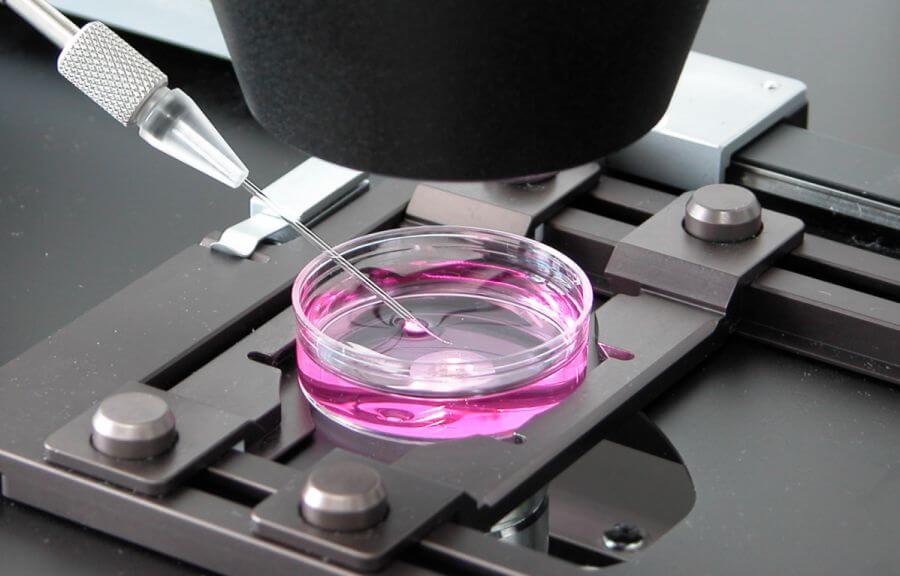
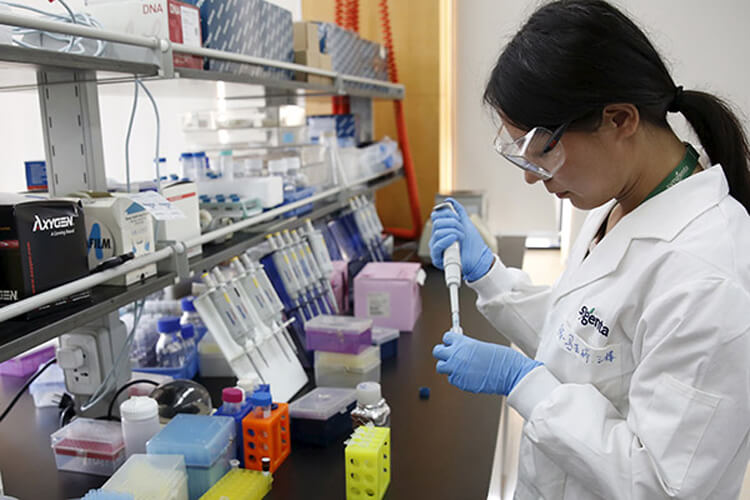
In a hospital west of Shanghai, Wu Shixiu since March has been trying to treat cancer patients using a promising new gene-editing tool.

In a quirk of the globalized technology arena, Dr. Wu can forge ahead with the tool because he faces few regulatory hurdles to testing it on humans. His hospital’s review board took just an afternoon to sign off on his trial. He didn’t need national regulators’ approval and has few reporting requirements.

In contrast, what’s expected to be the first human Crispr trial outside China has yet to begin. The University of Pennsylvania has spent nearly two years addressing federal and other requirements, including numerous safety checks designed to minimize risks to patients.

China’s foray into human Crispr trials has some Western scientists concerned about the unintended consequences of using the wholly new tool—such as harm to patients—which could set back the field for everyone.

Western scientists the Journal interviewed didn’t suggest America’s stringent requirements should be weakened. Instead, many advocate an international consensus on ethical issues around a science that makes fundamental changes to human DNA yet still isn’t completely understood.

None of the Chinese trials has published results. While Dr. Wu and other doctors say some patients’ conditions improved, at least 15 of the known 86 patients have died of what doctors in the trials say were their diseases.

Read full, original post (paywall): China, Unhampered by Rules, Races Ahead in Gene-Editing Trials

Why wheat genome has over 5 times more DNA than humans

jpeg

The domestication of wheat and other staple crops in the Levant some 10,000 years ago allowed for persistent settlement above a level of mere subsistence—one possible definition of the beginning of civilisation. Early farmers grew naturally occurring hybrids of wheat, and over time tamed them into a robust, easy-to-harvest and high-yielding species, the history of which is revealed in the genome of modern bread wheat. It is an enormously dense, complicated genome. And unlike the genetic codes of staples like rice, soya and maize, scientists struggled until 2017 to crack it. Why was it so hard to decipher and was it worth the effort?

The genomes of ancient wheats, such as wild emmer, contain more of the DNA base pairs required to create proteins than that of humans. Domesticated hybrids, like bread wheat, are even larger. Bread wheat has nearly six times the number of DNA base pairs as humans (about 17bn compared with humans’ 3bn). That is in part because humans are diploid, with two sets of chromosomes, whereas the chromosomes of bread wheat come in sets of six (which correspond to the three ancient wheats of which bread wheat is a hybrid). Furthermore, the DNA of ancient wheat contained a huge amount of duplication.

Read full, original post: Why the genome of wheat is so massive

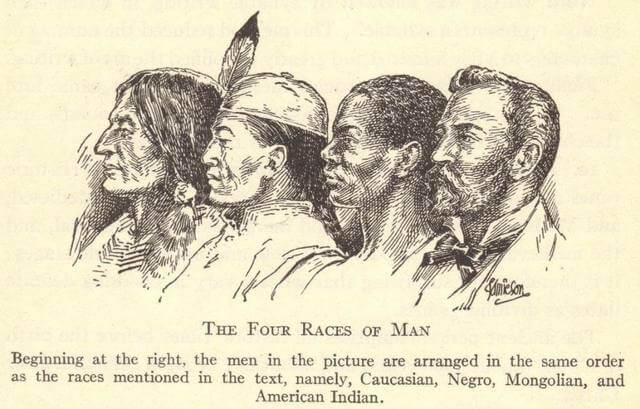
Viewpoint: ‘Scientific racism’ and eugenics are infiltrating legitimate science again

FourRacesofManasConceivedinthe s

Researchers with extreme views on race number relatively few but, having languished on the margins of their fields for many years, they are now managing to push their ideas into the mainstream, including into respectable scientific journals.

Over the past year I have been investigating this tight, well-connected cabal of people, who nowadays call themselves “race realists”, reflecting their view that the scientific evidence is on their side. Their work is routinely published by Mankind Quarterly.

Mankind Quarterly’s editor-in-chief, Gerhard Meisenberg, told me last month that there were likely to be biological differences in intelligence between racial groups, which he believes will eventually be discovered by genetics. He referred to “low-IQ countries”, including Pakistan.

What is worrying, though, is that people such as Meisenberg and Mankind Quarterly’s assistant editor, Richard Lynn, have managed to penetrate more mainstream scientific circles.

Lynn sits on the editorial advisory board of Personality and Individual Differences, produced by Elsevier – one of the world’s largest scientific publishers, whose titles include the highly respected journals the Lancet and Cell.

[T]he steady creep of extreme views from the fringes of academia to the everyday should worry us all.

The scientific community needs to be more vigilant. The system broke down over eugenics research in the early 20th century, with catastrophic consequences. We have to ensure this never happens again.

Read full, original post: Racism is creeping back into mainstream science – we have to stop it

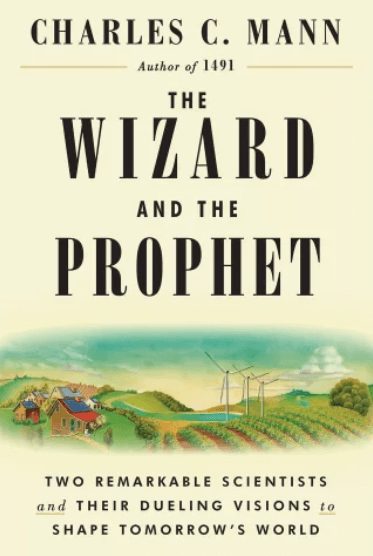
The Wizard and the Prophet: Norman Borlaug vs William Vogt on science, environmentalism and human progress

BB BC

Feeding the ever-growing number of people on the planet is hard enough, without having to adapt to a rapidly changing climate at the same time. The question is, can humans overcome the laws of biology?

Screen Shot at PM

In his latest book, The Wizard and the Prophet: Two Remarkable Scientists and Their Dueling Visions to Shape Tomorrow’s World, science writer Charles C. Mann introduces two men who believed that the answer was yes….

What issues do you feel best capture the opposing philosophies of wizards and prophets?

One is the fight over GMOs—genetically modified organisms—especially for agriculture. Norman Borlaug, in the last years of his life, was an enthusiastic endorser of GMOs as something that would create hyper-productive plants that would allow us to produce enormous amounts of food on relatively little land, and would fit neatly into the kind of industrial agriculture where you have giant swaths of countryside covered with a single crop. The prophets, or environmentalists, hate this because they see it as propping up a system that is, by its very nature, destructive. … Although there’s been a lot of fighting—which is, in my opinion, not very useful—about whether they’re safe or not, the sort of fundamental idea about whether this is a system we should be continuing on with or radically reforming, I think, is at the heart of it.

Read full, original post: Two competing accounts of how to save the world

French President Macron: Farmers will face glyphosate ban only if there is ‘credible alternative’

image

France will exempt farmers from a ban on using the weed-killer glyphosate in three years time where there is no credible alternative to the most widely used pesticide in the world, President Emmanuel Macron said on Thursday [Jan. 25].

Macron said in November glyphosate would be banned in France within three years, rejecting a European Union decision to extend its use for five years after a heated debate over whether the Monsanto-developed weed-killer causes cancer.

The announcement of the ban caused an outcry among farmers who rely on it heavily, saying three years was too soon to find an economic and environmentally viable alternative.

Macron said on Thursday [Jan. 25] the exemption would likely concern 10 percent of cases, while solutions could be found for the other 90 percent. He also called for more immediate research.

“I will never impose a ban if there is no credible alternative,” Macron said in a speech to farmers in the Auvergne region in central France.

“We cannot leave a farmer without a solution or with a solution that would not be tenable because someone else nearby would not have the same constraints.”

Read full, original post: France says farmers exempt from glyphosate ban when no alternative

We’re about to see an expansion of life’s genetic code

genetic code

With recent innovations in gene editing, it may seem as if the field of synthetic biology is just starting to make strides into science-fiction territory. But for several decades, scientists have been cultivating ways to create novel forms of life with basic biochemical components and properties far removed from anything found in nature. In particular, they’re working to expand the number of amino acids — the building blocks of the proteins that perform the cell’s functions — in life’s stockpile.

With more amino acids, it becomes possible to synthesize artificial proteins that could in principle serve as drugs or industrial enzymes that act more efficiently, effectively and precisely.

A research team at the Scripps Research Institute in California has now brought us closest to achieving these aims by designing bacterial cells that can replicate, transcribe and translate an artificial DNA base pair…

The work, published in Nature, represents one of several ongoing efforts to increase the number of amino acids that DNA encodes. Take any organism on earth, and its DNA and RNA have four nucleotide bases, or letters (usually abbreviated as A, T, C and G in DNA; in RNA, another base, U, takes the place of T). Those letters constitute an alphabet that ultimately spells out how to make proteins. But for that to happen, the cell first has to read and translate that alphabet, using a set of rules — the genetic code — to decipher its meaning.

Read full, original post: Is a Bigger Genetic Code Better? Get Ready to Find Out

‘Dead CRISPR’ may offer easier way to create stem cells

crispr

The ability to make stem cells from other cell types has largely been a recent phenomenon. It took a huge amount of research and testing to get to that point and, even today, it requires a complex cocktail of chemicals to induce the needed genetic and epigenetic changes that revert a cell to its infancy. The process isn’t the most efficient method, but when it involves the creation of cells of universal possibility, any procedure that sees success is desirable.

Even from the beginning however, it was known that there were other options. But we just didn’t know how to properly utilize them….

So the chemical cocktail has been the norm since. Researchers haven’t stopped investigating other possibilities though and now, scientists at the Gladstone Institutes in California may have achieved that alternative. And it is seemingly an obvious one in hindsight. What else is CRISPR for, after all?

Since the purpose of this experiment was to activate these transcription factor genes and not remove or alter their sequence, the researchers chose against using regular CRISPR-Cas9 and instead went with dead Cas9 (dCas9).

The system will need to be replicated with other cell types and, eventually, in human cell lines before we will see any real use from it, but this is a big step toward having alternatives to the older methods of stem cell production. This new method may also prove capable of mass production of stem cells in the future, giving treatment availability for the many conditions that need them.

[Editor’s note: Read the full study (behind paywall)]

Read full, original post: First pluripotent stem cells created using dead CRISPR gene activation

Viewpoint: What farmers should know about ‘technology use agreements’ for GMO seeds

BN HP monsan J

Editor’s note: Peter Welte is a lawyer at Vogel Law Firm in Fargo, North Dakota

With the different varieties of crops carrying the “Roundup Ready,” “LibertyLink” or other genetically modified organism characteristics, I’m often surprised at how many farmers don’t blink an eye at the contract terms of the “TUGs” they enter into when they plant a GMO commodity.

A technology use agreement — or TUG — is entered into by any farmer who plants a GMO commodity. These agreements, also simply known as “technology agreements,” contain the terms under which a farmer may plant the seed of the company selling the seed.

But the agreement also contains the limitations for which the grown seed — the crop produced by the seed — may be used and how and where the crop may be sold. And the agreement also contains several other conditions that most farmers wouldn’t agree to if they were on a level playing field with the seed company.

The biggest immediate ramification of the TUG is that “brown bagging” the crop is strictly prohibited. Unlike the good old days, a farmer can’t sock away a few bushels of seed in a bin and use it for seed the next year. Instead, the TUG dictates that the entire crop must be harvested and sold at the elevator, absent other arrangements made with a seed dealer.

Farmers who are concerned about the terms of their technology agreement should consult their attorney before proceeding with their concerns unaddressed.

Read full, original post: What does a technology agreement for seed mean to you?

Monsanto goes to court after Brazilian regulators say GMO soybean patent should be voided

x jpg pagespeed ic kcMB FRyf

Monsanto Co has two months to present a defense of its patent on genetically modified soybeans in Brazil, a lawyer for the company told Reuters after authorities suggested the U.S. seed company’s intellectual property rights should be revoked.

Luiz Henrique do Amaral, an attorney representing Monsanto, said the company would present arguments ahead of a March 22 deadline to push back against patent officials calling for annulment of the patent on Intacta seeds.

Brazil’s solicitor general cited that re-evaluation by patent authority INPI in a case brought in November by soy producers in the state of Mato Grosso. The revised opinion could spark years of litigation in the world’s biggest soy exporter.

About 96.5 percent of planted soy area in Brazil is occupied by genetically engineered beans.

Global demand for transgenic seeds including soybean and corn is expected to rise to $36.5 billion in 2021 from $21.5 billion in 2015, according Zion Research.

Intacta is genetically engineered to tolerate the herbicide glyphosate and to resist caterpillars. Monsanto has been collecting royalties on the Intacta seed since 2013 after receiving patent rights in 2012. Its patent protection extends through 2022.

Read full, original post: Monsanto to defend Brazil patent on GM soybeans: lawyers

Ancient poison used for arrows could lead to male birth control pills

poison arrow

According to scientists, a poison arrow in the quiver may let loose a very sticky nether-region massacre.

The poison in question has spattered from the tips of African weapons for centuries, rubbing out wild beasts and halting the hearts of warriors. But, according to a study in the Journal of Medicinal Chemistry, a crotch shot of an ancient toxin called “ouabain” can also take out sperm. By tweaking the poison’s chemical backbone (or scaffold), it can selectively paralyze trouser troops and prevent them from storming eggs, the authors report.

The study’s authors, led by Shameem Sultana Syeda of the University of Minnesota, are optimistic that, with further aiming, the poison’s progeny could one day strike as a safe, reversible male contraceptive.

The chemical descendants that the authors have already spawned “interfere with sperm motility and sperm hyperactivation,” they report. Thus “this novel scaffold represents an attractive chemical structure for further development of a highly specific male contraceptive,” they conclude.

For centuries, African warriors and hunters have extracted ouabain from the two eastern African plants that make it—Acokanthera schimperi and Strophanthus gratus—and slathered the poison onto their arrow heads.

The researchers have a long, long way to go before any ouabain derivatives make it into male pill form. But they argue that the strategy is worth pursuing.

Read full, original post: Poison arrows inspire new male contraceptive, scientists report

Shill gambit: Are geneticists who work for corporations less ethical than university researchers?

shill

Most graduate students face a seemingly endless dilemma: Do we select a career in industry or in academia? I started my Ph.D. with the whole-hearted and single-minded purpose of pursuing a career in academia, but with time, I changed my mind.

I have a degree in molecular genetics but work as a senior scientist in product development for a biotech company in California.

Others who have selected the industry path later switch into academics. For me, as with most important life decisions, there was no single reason: I wanted a stable life.

I didn’t want to spend all my time writing grants instead of being at the lab bench, taking maternity leave would set me back in the race to get an academic position, and so on. I made my decision thinking all along that I could switch back to academia if I ever wanted to — and still believe that it would be possible.

However, what I never expected was that selecting a career in the private-sector would make me appear less ethical in the eyes of the public and my moral standards would be questioned. To the eyes of many, I work in a sector that makes drugs to remove arm flab, uses a manufacturing system fueled by slaughtered puppies, tests the drugs on the homeless in Panama, and aims for a survival rate of 30 percent.

The public’s perspective of the evils in the biotech sector aren’t always as overt as Natural News’ recent claims that Monsanto scientists and those who write about the benefits of GMOs are reincarnated Nazis. It’s more often implicit in articles with titles such as “Big Pharma’s dirty secrets” or “What scientists aren’t telling you”. A recent survey published in the Journal of the American Medical Association suggests that 37 percent of Americans believe that the FDA has the cure for cancer and other diseases, but is holding it back due to pressure from pharmaceutical companies. The believers of such myths must necessarily think that those who work in the biotech sector and, by extension, those who regulate the sector and its products are perverse.

shill 1 25 18 1For such perceptions to persist, it must necessarily imply that if the biotech sector makes bad products, no one really cares: that our shareholders just buy more and more stocks and the media never reports on it. For such myths to exist, it must imply that big pharma and biotech companies don’t compete against one another; if one company manages to make a vaccine that causes autism, not only do all the other companies stay quiet about it, but they all share the knowledge with one another. It must also imply that employees are never allowed to quit or to take advantage of the federal whistleblower laws.

The truth is that universities do not have a litmus test to measure your ethics. Companies do not have a sorting hat to determine if your moral standards are a proper fit. As such, there are unethical individuals in both areas. More importantly, there are many individuals with a clear sense of what is wrong and right. Science is science. Crummy science can be produced in publically funded labs. Amazing studies can be published by individuals affiliated with an industry. There are many examples of both.

In biotech, and tech in general, industry sectors are becoming more and more inbred; meaning that everyone has worked everywhere. Try finding someone in Silicon Valley who has worked for a single employer! It’s nearly impossible. Yet somehow, people are under the impression that if you work for someone for two to three years at some point in your career, the company owns part of your soul and can summon you to perform dirty work at the drop of a hat. Don’t you want someone who worked at Oracle to fix the database issues at the Veteran’s department? Don’t you want someone who worked at Google to build the next government-funded website? Or do those experiences somehow bring loyalties into question? Then why would someone who worked at Syngenta not be a great candidate to work at the FDA? If you exclude everyone who has worked in industry from working in government, who does that leave? Recent graduates?

There are certain jobs in government and in academia that I would excel at because of the work I’ve done in industry. To dismiss the skills and training of those in industry by virtue of where they were gained, and not because of their quality, is a loss to the public arena.

Layla Katiraee holds a Ph.D. in molecular genetics from the University of Toronto. Follow her on Twitter @BioChicaGMO.

Marrying close relatives offers genetic risks and benefits for offspring

Screen Shot at PM

Popular perceptions of endogamy can often evoke jokes of “kissing cousins” and tales of children born with debilitating, mysterious diseases. But in many parts of the world, endogamy (intermarriage, usually of cousins but sometimes uncles/aunts and nieces/nephews) is still practiced and may even provide a defense against certain diseases while increasing the risks of others.

In today’s societies, the introduction of sophisticated genetic screening, increased urbanization and migration, and the spread of more complex diseases are also making the medical effects of endogamy a little more murky.

Some of the highest endogamy rates are seen in Saudi Arabia, Qatar, and other countries on the Arabian Peninsula, with about half of all marriages there happening between first cousins. Partly due to this, and partly due to a strong interest in genetic technology in the wealthier countries on the peninsula, genetic sequencing services are widely available (and quite sophisticated). In Qatar, for example, premarital genetic screening is mandatory for all couples. The country cites an intermarriage rate of 54 percent, up 30 percent over a generation. The genetic screens look for risks of a number of disorders including, sickle cell anemia, cystic fibrosis, spinal muscular atrophy, mental retardation, epilepsy, and Down syndrome, which can occur at rates 20 times higher than in a less endogamous population.

Ashkenazi Jews, which make up eight million of the 12 million Jews in the world, also practice endogamy and also have higher incidences of a number of genetic diseases including sickle cell anemia and Tay-Sachs disease. But, as Jon Entine points out in his book Abraham’s Children: Race, Identity and the DNA of the Chosen People, a number of researchers suggest that carriers of  these disorders may exhibit resistance to certain diseases, thus conferring an evolutionary advantage. For sickle cell, having the disease can be debilitating (and sometimes deadly) but carriers of the genetic trait have greater protection against the malaria parasite. Even Tay-Sachs may provide some protection against tuberculosis. And geneticist Gregory Cochran, along with other scientists, has proposed a theory that selective factors that raised IQs among Ashkenazi Jews may also have raised the risks (through the same genetic mutations) of nervous system and brain disorders.

cousins 1 26 18 2Southern India is another part of the world with high endogamy marriage rates. Here, the caste system enforces a number of rules about who can marry whom, and couples are strongly encouraged to marry within a caste. These endogamous practices have had some effects on health and disease contributing to a number of population- and region-specific diseases, including Madras motor neuron disease, Handigodu disease, and pseudocholinesterase deficiency. In addition, a number of Indian ethnic groups have selected for MSTN and DOK5 genes, which affect lipid metabolism and could have an effect on the incidence of type 2 diabetes.

While high levels of intermarriage are typically not seen in modern Europe and the United States, they have historically been a part of those cultures, too. Charles Darwin, who was married to his first cousin Emma Wedgwood, raised concerns about cousin-cousin marriage. Of their 10 children, three died. One of the Darwin children went on to study first cousin marriage and concluded that:

“The widely different habits of the life of men and women in civilized nations, especially among the upper classes, would tend to counterbalance any evil from marriages between healthy and somewhat closely related persons.”

While this statement has, what today would be, highly racist overtones, Darwin was on to something.

Types of endogamy

Endogamy has been a powerful cultural tool. It helps set our identity and can determine where we fit into society. So, in many societies, anthropologists and others have noticed a balance between the cultural glue of marriage among relatives and the health risks caused by those marriages. But how do these risks arise?

There are two ways this can happen. One is the Founder Effect, which occurs when a group of people trace their heritage back to a very small group of founding members. If one or more of those members carry a mutation, it can easily be disseminated through successive generations if they marry closer relatives. The other way is genetic drift, in which an individual randomly picks up a mutation and that mutation is carried on through subsequent generations. If these mutations include a variation underlying a disease, then that disease can be seen at higher rates in these populations. In particular, we see higher incidences of autosomal recessive traits, like sickle cell.

Modern life and modern screening
cousins 1 26 18 3As mentioned above, Arab countries (the wealthier ones, anyway) have turned to genetic screening as a way to detect risks of the diseases that can arise from endogamy. Even if a pregnancy is not terminated, there are many ways today to reduce some of the severe effects of these disorders.

A number of modern diseases, like diabetes, heart disease, and cancer, may not be correlated with endogamy and therefore would not likely be seen higher numbers among societies that permitted (or enforced) close marriages.

Also, urban life may also be changing the face of endogamy. Changes in education (especially among girls and women), better hygiene, and the availability of health services may be having an effect on the risks of endogamy-based diseases. A number of studies have shown that these factors may reduce the number of consanguineous marriages over time and may themselves decrease the risk of childhood mortality.

Andrew Porterfield is a writer and editor, and has worked with numerous academic institutions, companies and non-profits in the life sciences. BIO. Follow him on Twitter @AMPorterfield.

 

Beepocalypse myth busting: Honey bees, not wild species, key for crop pollination—and they’re doing fine

Honey Bees

Like GMOs and vaccines, misinformation is rife on the topic of bees.

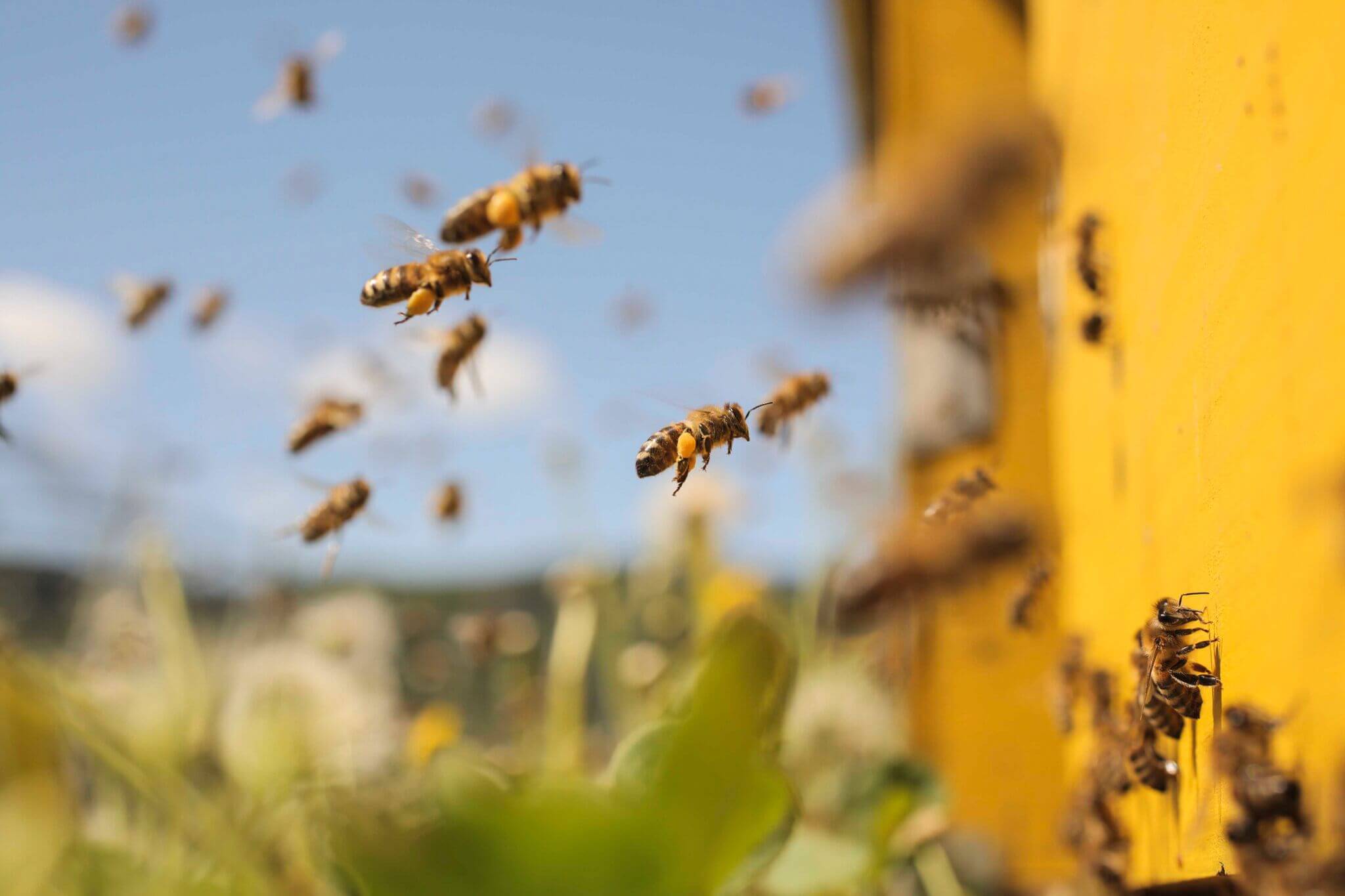
Fearmongers warn of a coming “Beepocalypse.” The media narrative is that bees are dying, humans are responsible, and if bees go extinct, many of our favorite foods will disappear and humans will starve to death. That’s a gross exaggeration.

In reality, the western honey bee (a.k.a., European honey bee), which does much of the heavy lifting in regard to crop pollination, is doing just fine. Though there is evidence that some wild bee populations are declining, keep in mind that there are about 20,000 bee species, only a fraction of which contribute meaningfully to crop pollination. A paper published in Nature Communications underscores that latter point….

In other words, commonly found bees do most of the pollination, while endangered bee species aren’t contributing much to agriculture. If they went extinct, it would be a sad (and perhaps preventable) loss to biodiversity, but hardly an ecological catastrophe.

Besides, even if the very worst were to come true and all bees vanished overnight — a scenario so outlandish as to be laughable — society would not face an insurmountable problem: The Genetic Literacy Project explains that bees are responsible for about 7% of our food supply. That’s a substantial portion; however, a bee extinction would not trigger civilizational collapse.

Read full, original post: Honey Bees: The #1 Pollinator Of Both Crops And Wild Plants

Will CRISPR work in people? Scientists say study raises questions, but is not a setback

crispr

It can feel shocking when someone disparages a golden person, thing or technology — and in recent years, no emerging technology has glittered as brightly as the gene-altering technique known as Crispr. So some investors were apparently jolted earlier this month when MIT Technology Review ran a news item headlined “Uh-Oh — Crispr Might Not Work in People.

Crispr still promises to transform agriculture, manufacturing and other endeavors, but making it “work” in people presumably by treating diseases presents a different challenge, since human lives are on the line.

The news item under the “might not work” headline described an unpublished but credible study out of Stanford University, which used samples of human blood to demonstrate that some forms of Crispr-based therapies might set off a dangerous immune response.

One of the authors of the paper, Stanford pediatrics professor Matthew Porteus, said the take-home message isn’t that Crispr might not work in people, but that it might work in principle, and that a scientist somewhere might make a fatal mistake and that could set everything back for years.

That is, there are probably ways scientists could proceed to test Crispr that would save lives and heal the sick, and other ways that would accidentally harm or even kill people.

Technological hurdles are inevitable. But while some investors may let themselves get tossed around by every wave reported in the headlines, most scientists are taking a longer view.

Read full, original post: Scientists Don’t Fear a New Crispr Snag

Video: Ancient virus could explain how human memories are formed

memory

The particulars surrounding how our memory works has baffled neuroscientists for decades. Turns out, it’s a very sophisticated process involving several brain systems.

Recently, an international collaboration of researchers from the University of Utah, the University of Copenhagen, and the MRC Laboratory of Molecular Biology in the UK, discovered something strange about a protein called Arc. This is essential to long-term memory formation. What they found was that it has very similar properties to how a virus infects its host. Their findings were published in the journal Cell.

Researchers were intrigued by the idea that a protein could behave like a virus and serve as the platform through which neurons communicate. What Arc does is open a window through which memories can become solidified. Without Arc, the window cannot be opened.

[Researcher Jason] Shepherd and colleagues now believe that 350-400 million years ago, the ancestor to the retrovirus, the retrotransposon, injected its genetic material into a land-based, four-limbed creature. This led to the development of the Arc protein, as it operates in our neurochemistry today. According to a recent University of Massachusetts study, the same process developed in fruit fries, independently, sometime later, around 150 million years ago.

The study is changing how we view the evolutionary process. Rather than random mutations, it suggests that organisms may borrow from one another in order to develop.

https://youtu.be/QEL7aLPIS-0

Read full, original post: Our memory comes from an ancient virus, neuroscientists say

Cancer researcher: Media hysteria over glyphosate herbicide undermines science

glyphosate hr e

Editor’s note: Guy André Pelouze is a thoracic and cardiovascular surgeon who did cancer research during his training and lung cancer treatment during his practice

The debate sparked by IARC’s evaluation highlights why human studies are so essential. Indeed, one key study—whose initial findings were not included in IARC’s literature review due to their internal prohibition on considering unpublished data—is the Agricultural Health Study, a long-term observational analysis of the health effects of herbicides on 89,000 farmers and their families in Iowa and North Carolina. Running since 1993, the AHS has consistently failed to find that glyphosate use is linked with increased risk of cancer.

Although it has been subject to outsized scrutiny, glyphosate’s benefit-risk ratio is one of the highest of all weed killers derived from organic chemistry. It is less toxic than common chemicals like aspirin. It is therefore surprising that media coverage has been irrational and even hysterical.

[A]s the facts stand today, there is no indication that glyphosate raises the risk of cancer. IARC is not assessing the risk, they are simply meant to be alerted in case of hazards.

In this case, because of the absence of evidence against glyphosate, we should be aware of the potential for hazard, but the chemical should be considered noncarcinogenic. Otherwise, the purpose of science itself, which will always entail some degree of uncertainty, is utterly undermined.

Read full, original post: How Do You Assess if a Chemical Causes Cancer?

‘An awful lot of spit’: Consumer DNA test market booms as consumers ‘take control of their health’

saliva swab being taken from man

When AncestryDNA sold some 1.5 million of its genetic testing kits over Black Friday weekend, it seemed like clear evidence that after years of being a niche product, consumer DNA testing had finely gone mainstream. The market is expected to keep booming. A new report out from market research firm Kalorama Information estimates that the consumer market for genetic health testing alone could nearly triple from about $99 million this past year to $310 million in 2022. That’s an awful lot of spit.

The report suggests the the reason for this growth is that consumers are interested in taking control of their health care, and regulations are finally allowing them to do so.

Initially, the FDA banned DNA testing companies from telling people whether or not they’re are at risk for certain diseases, a move that forced 23andMe to go through a long and presumably painful process to prove that its tests are accurate.

Recently, some have begun calling on the Federal Trade Commission to take a similarly critical eye to DNA testing companies.

What’s certain is that more people than ever are interested in finding out what their genes have to say about them. And as consumer genetic testing moves beyond the niche, the importance of addressing these concerns grows, too.

Read full, original post: The Consumer DNA Testing Market Is Already Booming, but It’s About to Explode

DowDuPont, BASF to challenge Monsanto’s dominance of herbicide-tolerant GMO soybean market

illinois soybean high yield value

Monsanto Co is facing major threats to its historic dominance of seed and herbicide technology for the $40 billion U.S. soybean market.

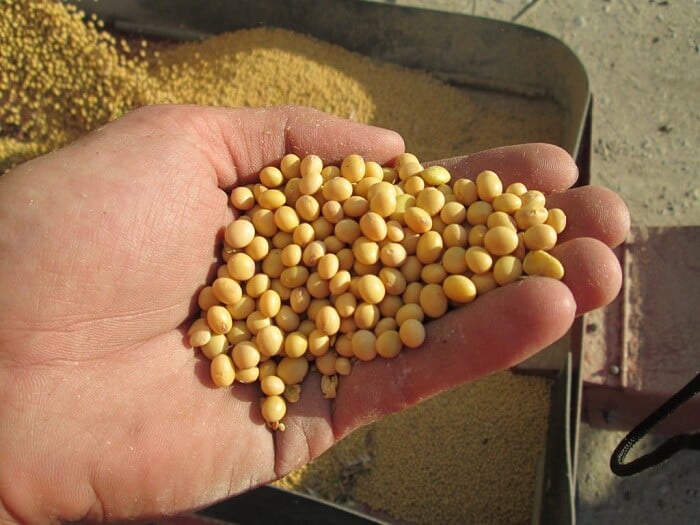
Rivals BASF SE and DowDuPont are preparing to push their own varieties of genetically modified soybeans. At stake is control over seed supply for the next generation of farmers producing the most valuable U.S. agricultural export.

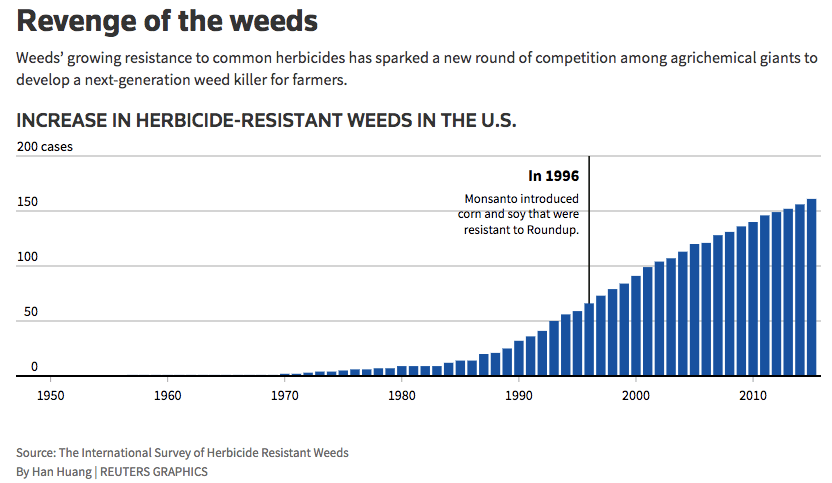
The market has opened up as Monsanto’s Roundup Ready line of seeds – engineered to tolerate the weedkiller glyphosate – has lost effectiveness as weeds develop their own tolerance to the chemical. Compounding the firm’s troubles is a national scandal over crop damage linked to its new soybean and herbicide pairing – Roundup Ready 2 Xtend seeds, engineered to resist the chemical dicamba.

Monsanto has much to lose. Soybeans are the key ingredient in feed used to fatten the world’s cattle, pigs, chickens and fish.

BASF and DowDuPont, however, have their own obstacles to overcome, fueling unprecedented uncertainty among farmers over which seeds they will plant on an estimated 90 million acres of U.S. farmland this spring.

Screen Shot at AM

Read full, original post: Battle of the beans: Monsanto faces a fight for soy market

Why news of cloned monkeys doesn’t mean humans are next

cloned

Researchers in China reported on [January 24] that they have created two cloned monkeys, the first time that primates have been cloned with the technique that produced Dolly the sheep more than 20 years ago.

The long-tailed macaques, named Zhong Zhong and Hua Hua, were made from fetal cells grown in a petri dish….

Since Dolly was born, researchers have cloned 23 mammal species, including cattle, cats, deer, dogs, horses, mules, oxen, rabbits and rats.

The new monkey clones stand out, though. “It’s the first primate ever to be cloned,” said Dr. Leonard Zon, director of the stem cell program at Boston Children’s Hospital. “We are closer to humans than we’ve ever been before.”

The scientists tried cloning adult cells, but those attempts failed. The older a starting cell, the more difficult it is to clone and the more likely the resulting embryo or fetus will be miscarried in a surrogate female.

If scientists wanted to create a monkey identical to an adult, or even an adolescent, this method so far would not succeed. And the technique used by the Chinese scientists is still a long way from producing human babies, even if that were ethically permissible.

“It is unlikely it can be applied to humans,” [said Dr. Shoukhrat Mitalipov at Oregon Health and Science University.]

Read full, original post: Yes, They’ve Cloned Monkeys in China. That Doesn’t Mean You’re Next.