The invention of the CRISPR gene editing tool has injected new life into a line of research called gene drive. Gene drives use selfish genetic elements to spread a modification through a wild population.
Researchers have proposed using gene drives against agricultural pests and invasive species, but the most urgent application is against vector-borne diseases like malaria, which kills hundreds of thousands of people every year, mostly in sub-Saharan Africa.
We talked to the scientists working on this revolutionary approach to disease eradication to find out how it works and how long it might take to deploy a technology like a gene drive against malaria.
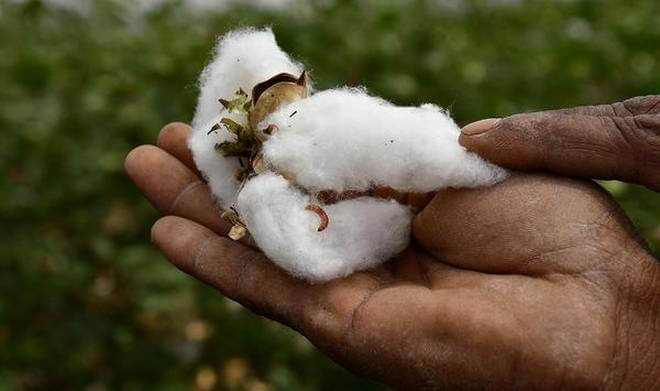
Many Indian farmers are openly sowing an unapproved variety of genetically modified (GM) cotton seeds developed by Monsanto, as the government sits on the sidelines for fear of antagonizing a big voting bloc ahead of an election next year.
India approved the first GM cotton seed trait in 2002 and an upgraded variety in 2006, helping transform the country into the world’s top producer and second-largest exporter of the fiber. But newer traits are not available after Monsanto in 2016 withdrew an application seeking approval for the latest variety due to a royalty dispute with the government.
The herbicide-tolerant variety, lab-altered to help farmers save costs on weed management, has, however, seeped into the country’s farms since then. Authorities say they are still investigating how that happened.
“I will only use these seeds or nothing at all,” said Rambhau Shinde, a farmer who has been cultivating cotton for nearly four decades in the western state of Maharashtra.
…
A government official in New Delhi, who deals with matters related to GM crops, said it was difficult to keep farmers away from something that they saw benefit in.
“If you don’t allow them to plant legally, illegal planting will happen,” the official said, requesting anonymity….
Impossible Foods is a disruptive company with an urgent mission to make meat better. Mainstream and social media play a critical role in highlighting ways to make the global food system sustainable. But they occasionally get it wrong. That’s when we set the record straight — for instance, on a misleading June 7 op-ed by Clint Rainey at GrubStreet.
First and most important, Rainey failed to mention that Impossible Foods complies with all food-safety regulations everywhere it’s sold. The company’s key ingredient — “heme” — is “generally recognized as safe” as was twice concluded unanimously by a panel of food-safety experts. The company has been in compliance with all federal regulations about food safety since 2014, well before it began selling Impossible Burgers in 2016.
Rainey also implies that Impossible Foods is “quiet” about its use of genetic engineering. Nothing could be further from the truth.
…
Unlike other companies, we have never hidden or even shied away from the GMO angle. We want to set a new industry standard for transparency, including around the awesome advantages of GMOs. After all, there’s overwhelming scientific consensus about the health and safety of genetically engineered products.
…
Rainey’s sources are anti-science, anti-GMO fundamentalists, who found a willing vessel in an otherwise credible reporter and news outlet.
Editor’s note: Rachel Konrad is Chief Communications Officer of Impossible Foods
Ireland needs to join the growing number of countries performing national public genome projects. Our European neighbours in Finland, Denmark, Estonia and England have already embarked on such projects, as have countries like the United States and Japan, with Dubai the most recent to announce that it is joining this pioneering group.
…
A major justification is that public genome projects will enhance healthcare quality and reduce costs. In Finland one aim is to use genomic information to predict the future risk of type 2 diabetes and cardiovascular disease. By identifying those at most risk, before they develop the disease, Finland hopes to guide targeted interventions and prevent disease onset in 2-5 per cent of people.
…
The health benefits extend beyond type 2 diabetes or cardiovascular disease. Genomics England is characterising genomes from the seven most common cancers in patients; a similar focus here would substantially improve our ability to diagnose and treat this deadly disease which kills thousands of people on the island of Ireland annually.
…
Genomics is the new weapon available to us to combat disease and preserve health, while at the same time reducing healthcare costs and creating economic opportunities. Ireland needs to avail of this opportunity by undertaking an all-island, public genome project.
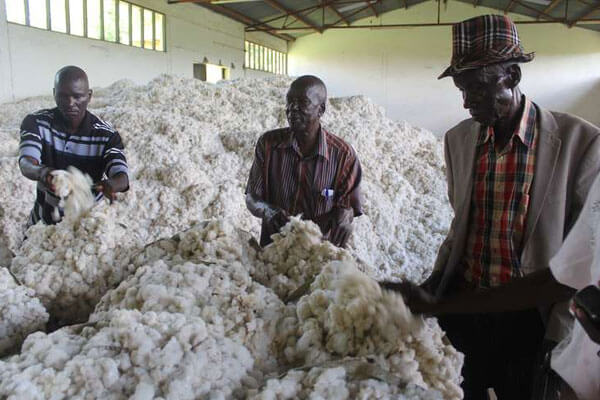
The country’s textile industry is headed for a big boost after Genetically Modified cotton planting began locally.
A journey of more than 15 years of developing the BT cotton reached the last stage … as the National Performance Trials for the crop began in Kisumu County.
Horticultural Research Institute Director Charles Waturu presided over the first-ever open field planting of four varieties of seeds, ahead of the launch of commercial planting later in the year.
…
According to Dr Waturu, the planting came barely a year since the National Environment Management Authority approved the environment assessment of the crop for commercial use.
The commercial planting of the crop will be open to farmers in the next planting season, with western Kenya set to pioneer it.
…
Waturu … termed the planting of the seeds as a breakthrough in the textile industry, especially at a time when the Government has listed industrialisation among its Big Four development agenda.
“Kenya produces 20,000 bales of cotton every year against a demand of 140,000, meaning we have to import the deficit. But with BT cotton, which is high yielding and has high quality, we can produce up to 260,000 bales,” he said.
The idea behind [Biotech startup] Unity—preventing aging—sounds crazy, but it’s backed by dozens of scientific papers, the key two in Nature. There are aging cells, called senescent cells, that build up throughout the body and contribute to what we think of as old age—things like achy joints, waning vision, even perhaps Alzheimer’s. Kill those senescent cells with drugs, [Nathaniel] David reasons, and people might be able to grow old without becoming infirm.
“Like, how awesome would it be?” asks David, a preternaturally youthful 50. “The problem is you have to take the first baby step to demonstrate it’s possible. That’s what chapter one is: demonstrate in a human being that the elimination of senescent cells takes a heretofore inescapable aspect of aging and can either halt it or reverse it.”
…
It’s an amazing goal, backed by great science, not to mention $222 million in venture capital and $85 million raised from a May initial public offering, which valued Unity at $700 million, flat with its last fundraising. But achieving that goal also entails incredible risk.
…
Unity has raised so much money precisely because its executives know it may take multiple tries to find a medicine. It’s not known what the risks of killing senescent cells are; it’s possible they could include, for instance, slow wound healing. There’s no way to know until human tests begin.
Gilles-Éric Séralini is a French researcher who came to fame from publishing a study in 2012 claiming that herbicide-tolerant GMO corn, with or without combination with glyphosate herbicide, increased tumor risk in rats.
Three transparent and more rigorous studies all showing no negative effects of rodents consuming GMO corn. That is the problem with spurious findings from poor-quality studies – they tend not to replicate. They don’t replicate because the results were never real.
Séralini’s findings were always an outlier.
…
There have been over 2000 studies, carried out in many different countries by many different research teams, and reviewed by many different scientific organizations, with a clear consensus that there is no evidence that existing GMOs pose any health risk. With all of this evidence, there are a few outliers, one of which being Séralini’s research. Now his findings have been directly refuted.
I hope this matters to the general public, but of course it won’t have an effect on those with a dedicated anti-GMO ideology. People seem to have no problem cherry picking a few outlier studies that agree with their position, and dismissing hundreds or thousands of studies that disagree with them.
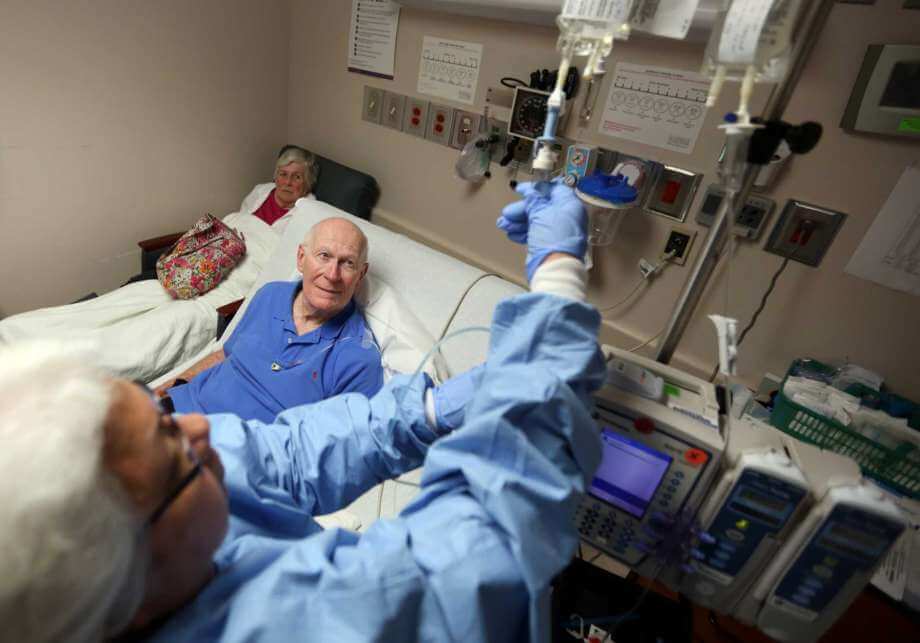
Immunotherapy is a source of great hope in cancer care. It has rescued some patients from the brink, while giving others a reason to believe that they, too, could beat the long odds.
But these therapies are also creating a vexing dilemma for doctors: Their patients, citing television ads and media accounts of miraculous recoveries, are pushing hard to try them, even when there is little to no evidence the drugs will work for their particular cancer.
Doctors want to give their patients every shot at survival, but can they justify prescribing a drug when it hasn’t been tested for that patient’s type of cancer? Many of these treatments bring risks of painful — even life-threatening— side effects and carry total price tags pushing $1 million.
…
Precision medicine, and the use of genetic markers to predict the success of treatments, promises to help answer these questions. Scientists at Stanford, for example, engineered a radioactive molecule, detectable by PET imaging, to track whether a patient’s T cells are activated and thus capable of fighting cancer if the patient is given immunotherapy.
The technique worked in lab mice but has not yet been tried in human patients, and other such approaches are further off. Meanwhile, patients and doctors are left to make life and death treatment decisions on uncertain terrain.
Deep in the Caucasus, downriver from Europe’s highest peak, North Korean women roam Soviet-era hothouses growing what tycoon Vladimir Evtushenkov is betting will be his next big bounty: the T-34 battle tomato.
The plump hybrids, named for the fearsome tank that helped trounce Hitler, are the pride of the Yuzhny Agricultural Complex, a mass of greenhouses the size of 2,300 football fields between the Black and Caspian seas. Watered by melting ice from towering Mount Elbrus, they and other strains of the fruit are grown here by the millions and trucked mainly to Moscow, 18 hours’ journey north.
Evtushenkov, at 67 the oldest of the top 40 Russians in the Bloomberg Billionaires Index, has impeccable timing.
…
After Turkey downed a Russian fighter jet along the Syrian border … Moscow responded by banning a range of produce from its former ally, leading authorities to broadcast videos of inspectors enthusiastically bulldozing Turkish tomatoes. Just a few weeks later, with Yuzhny’s biggest competitor swept from the market, Evtushenkov acquired the complex and the organic tomatoes and cucumbers it produces for an undisclosed sum.
…
“Russia is able to become the world’s largest supplier of healthy, ecologically clean and high-quality food, which Western producers have long lost,” Putin told parliament after the Turkish ban was imposed.
Russia last year joined dozens of nations in banning the commercial planting of genetically modified organisms and has since barred GMO imports — putting Putin at the vanguard of an increasingly vocal global movement.
The research into the underlying causes and treatment [of Alzheimer’s] have been intensifying but have been a bit undisciplined; it is hard to study a disease when it is characterized by a cluster of symptoms, defined medically as a syndrome, rather than a diagnosis.
…
[R]esearchers have created a framework to describe Alzheimer’s diagnostically and to begin to recognize its trajectory, what we used to call its natural history.
…
Rather than relying on the patient’s symptoms of memory loss, difficulty finding words or confusion the framework identifies objective findings, one based on images of the brain and the other on chemicals in the blood, biomarkers. Because they can be both readily measured and standardized we can now separate the phenotype – what a person seems like, from their biological markers. Three markers are utilized.
A is for amyloid-proteins that are sticky causing them to clump together in clusters perhaps blocking cell signaling or activating the immune system to destroy the affected cells.
…
T is for tau-proteins that are involved with the roadways (microtubules) for the transit of metabolic products and other essential components within cells.
…
N is for neuronal injury – in Alzheimer’s Disease (and in other degenerative diseases) specific areas of the brain get smaller.
…
This simple classification system allows the previous efforts at Alzheimer’s research, a Tower of Babel diagnostically, to speak with one voice.
“Sexy plants” are on the way to replacing many harmful pesticides, scientists say, by producing the sex pheromones of insects which then frustrate pests’ attempts to mate.
Scientists have already genetically engineered a plant to produce the sex pheromones of moths and are now optimising that, as well as working on new pheromones such as those of the mealybugs that plague citrus growers.
…
“For many species, pheromone manufacturing is difficult and expensive,” said Nicola Patron, at the Earlham Institute, UK, which has received three years of European funding for the new project, along with scientists in Spain, Germany and Slovenia. “Bioengineering can provide viable alternatives to manufacturing, expanding the use of pheromones that will be much kinder to our environment.”
A pilot project called SexyPlant created a genetically modified tobacco plant that produces and releases the sex pheromones of the cotton bollworm and navel orangeworm, both larvae of moths. This is now being improved to give bigger yields. The same plant has already been engineered by others to produce ebola antibodies and polio vaccine.
In the United States, the clock is ticking for more than 114,700 adults and children waiting for a donated kidney or other lifesaving organ, and each day, nearly 20 of them die. Researchers are devising a new way to grow human organs inside other animals, but the method raises potentially thorny ethical issues. Other conceivable futuristic techniques sound like dystopian science fiction. As we envision an era of regenerative medicine decades from now, how far is society willing to go to solve the organ shortage crisis?
I found myself pondering this question after a discussion about the promises of stem cell technologies veered from the intriguing into the bizarre. I was interviewing bioengineer Zev Gartner, co-director and research coordinator of the Center for Cellular Construction at the University of California, San Francisco, about so-called organoids, tiny clumps of organ-like tissue that can self-assemble from human stem cells in a petri dish. These tissue bits are lending new insights into how our organs form and diseases take root. Some researchers even hope they can nurture organoids into full-sized human kidneys, pancreases, and other organs for transplantation.
Certain organoid experiments have recently set off alarm bells, but when I asked Gartner about it, his radar for moral concerns was focused elsewhere. For him, the “really, really thought-provoking” scenarios involve other emerging stem cell-based techniques for engineering replacement organs for people, he told me. “Like blastocyst complementation,” he said.
Never heard of it? Neither had I. Turns out it’s a powerful new genetic engineering trick that researchers hope to use for growing human organs inside pigs or sheep — organs that could be genetically personalized for transplant patients, in theory avoiding immune-system rejection problems. The science still has many years to go, but if it pans out, it could be one solution to the organ shortage crisis. However, the prospect of creating hybrid animals with human parts and killing them to harvest organs has already raised a slew of ethical questions. In 2015, the National Institutes of Health placed a moratorium on federal funding of this nascent research area while it evaluated and discussed the issues.
Image credit: iStock
As Gartner sees it, the debate over blastocyst complementation research — work that he finds promising — is just one of many conversations that society needs to have about the ethical and social costs and benefits of future technologies for making lifesaving transplant organs. “There’s all these weird ways that we could go about doing this,” he said, with a spectrum of imaginable approaches that includes organoids, interspecies organ farming, and building organs from scratch using 3D bioprinters. But even if it turns out we can produce human organs in these novel ways, the bigger issue, in each technological instance, may be whether we should.
Gartner crystallized things with a downright creepy example: “We know that the best bioreactor for tissues and organs for humans are human beings,” he said. Hypothetically, “the best way to get you a new heart would be to clone you, grow up a copy of yourself, and take the heart out.” Scientists could probably produce a cloned person with the technologies we already have, if money and ethics were of no concern. “But we don’t want to go there, right?” he added in the next breath. “The ethics involved in doing it are not compatible with who we want to be as a society.”
Other options, though, just might be.
Let’s take a closer look at blastocyst complementation. For starters, it’s worth noting that animal hybrids — including even lab animals that contain human cells or tissues — are not new. These are called interspecies chimeras, colorfully named after a mythological beast, and researchers have long experimented on this front. But the latest big advance unexpectedly came in a 2010 study, when a Japanese team led by geneticist Hiromitsu Nakauchi created mice that were unable to grow their own pancreases. However, when the rodents were still pre-embryos (at the so-called blastocyst stage), the biologists injected pluripotent stem cells from a rat into them. The pluripotent stem cells, which can transform into any cell type of the body, automatically filled in for the missing organ. Presto: The result was mice with functional rat pancreases.
Such were the origins of the chimera organ-making technique, and Nakauchi’s group, today based at Stanford University, along with other research labs, are now setting their sights on producing human organs — by taking pluripotent stem cells that are generated from a person’s skin or blood cells and implanting those into pre-embryos of pigs and sheep.
Chimera: Pig embryo injected with human cells. Image credit: Juan Carlos Izpisua Belmonte
For some ethicists, human-animal chimeras, on the face of it, simply violate human dignity. Another worry is a small risk that pig-grown organs might transmit deadly swine viruses into the human population, a hazard that begs careful examination. And then there are fears about other unintended consequences. What if, for example, human stem cells inserted into pig pre-embryos form into human sperm or eggs, and the pig and human gametes could fertilize each other? Or what if human cells incorporate into the animals’ brains — could that confer “humanized” thoughts or behaviors? Might the pigs even have freakish human-like external features?
The scientists at the forefront of this research have said that due to biological barriers, these effects shouldn’t happen, and they’re working to build in safeguards to ensure that human stem cells develop only as the desired target organs.
But perhaps the biggest moral considerations have to do with the ever-controversial issue of animal welfare. If a human liver or pancreas doesn’t integrate well into a chimeric pig’s innards, could that cause discomfort or alter the functioning of neighboring organs? Is it ethical to turn pigs into organ factories, bred solely for human purposes? On the latter, animal rights advocates would say no. But as long as it’s societally acceptable to farm pigs for food, some ethicists point out, it’s hard to argue that killing them for medical uses is wrong. “I think in a world in which people still eat animals daily on a mass scale, using them for organ creation is maybe more ethical than eating them,” David Shaw, a Scottish philosopher at Maastricht University in the Netherlands, told me.
Of course, in the broader picture, once you start looking at using pigs as organ banks, other conceivable scenarios come up — and, like Gartner at UCSF suggested, each may present its own moral can of worms.
Mis- and disinformation are distorting science and public policy. Subscribe to our Daily and Weekly Digests for incisive coverage of ‘disruptive’ innovations in AI, agricultural biotechnology, food, chemicals, nuclear energy, vaccines, and other disruptive innovations.
Would monkeys or even chimpanzees, our closest evolutionary relatives, provide better hosts for human organs? And if it’s wrong to use non-human primates to such ends, what if, as Shaw and a few other creative thinkers have speculated, it were someday possible to knock out a few key brain-development genes to create a “brainless” host body? Theoretically, there would be no ethical objection to using brainless bodies of humans (or other primates) as organ farms, Shaw told me, since such entities wouldn’t be “persons” capable of experiencing consciousness, sentience or suffering. Indeed, an edgy blog post by two other academics discussed the hypothetical alternative of farming organs in brainless humans that are gestated in external artificial “wombs.”
If dystopian scenes from “The Matrix” leap to mind, you’re not alone. Still, what sounds crazy now might not seem crazy in 30 years. Who knows? Once upon a time, IVF was an alarming and distasteful or sacrilegious notion to many people, yet today, almost no one blinks an eye at test-tube babies.
In August 2016, nine months after holding a fall 2015 workshop to review the concerns about blastocyst complementation research, the NIH announced its intention to lift its funding ban — pending a proposed update to its policy restrictions on funding of stem cell science. That proposal drew more than 21,000 public comments, most of them against creating human-animal chimeras; some commenters called the work “immoral” and “disgusting,” akin to creating Frankenstein’s monsters.
With the arrival of the Trump administration, the proposal has stalled, and the federal funding moratorium remains in place. Still, the research continues. But public sensitivities — such as those expressed in the feedback to the NIH — may be the ultimate barrier for radical organ-farming technologies, ethicists say. That’s why starting a public conversation sooner, rather than later, to explain and discuss their potential benefits and costs for society is probably a good idea.
“It’s important to listen to those concerns and to think about them really carefully and to address them,” Jonathan Kimmelman, a bioethicist at McGill University in Montreal, Canada, told me. It’s also important for people to realize that it usually takes years to decades for a new concept at the lab bench to reach medical clinics — and by then, the clinical application often looks quite different than the original idea, he added. Ideally, researchers should engage with the public “not after the science has developed, but as the science, or even before the science and applications, are developing.”
In the meantime, Shaw, the philosopher, pointed out that expensive new organ-growing technologies will likely be affordable only to the rich. So he suggests that perhaps we can put speculations aside and make a greater effort to increase the supply of donor organs in the here and now, even if they don’t provide perfect matches for recipients.
“If everyone registered as an organ donor and spoke to their families and told them they wanted to be organ donors,” he told me, “we probably wouldn’t be having this conversation.”
Ingfei Chen is a California-based writer whose stories have appeared in publications including Scientific American, The New York Times, and Spectrum. She is a former Knight Science Journalism fellow at MIT.
The internet claims that the increases in celiac disease is rooted in modern wheat varieties, as human intervention in plant genetics must be the cause of human disorders. But what does the evidence tell us? In this week’s episode we’re joined by Senay Simsek from North Dakota State University. Simsek is a recognized chemist that specializes in wheat composition. Her recent paper in the journal Food Chemistry examines the levels of gluten in modern varieties and compares it to what was present in heritage varieties. The results show that associations between modern breeding and gluten sensitivity are not likely due to genetic improvement of wheat varieties.
The savannah scrubland where Chief João Ponce once hunted deer and wild boar in Brazil has given way to neat rows of soy and corn that a tractor sprays with herbicide. In the next field, silver grain silos shimmer in the hot sun.
Ponce is head of the Uirapuru indigenous community which has allowed local farmers to produce crops on one-third of its 44,500-acre (18,000-hectare) reservation in southwestern Mato Grosso state.
The one-tenth or less share of the harvests has helped the Pareci natives to buy cars and smartphones, replace hammocks with beds and equip their thatched huts with widescreen TVs, freezers and broadband Internet antennas.
“We’re surrounded by farmers. We can’t live off hunting anymore. The animals are gone,” he said, sitting in a hammock in his thatched hut.
But the partnership with non-native farmers, fueled by an insatiable demand for Brazilian soy in China and other markets, is illegal and has alarmed environmentalists.
Brazil’s environmental regulator Ibama … fined six native communities and a dozen farmers on reservation land for using genetically modified crops (GMO) and engaging in large-scale mechanised agriculture. Both are banned on reservation land.
The unprecedented fines totaling 129 million reais ($33 million) mark an unexpected escalation in a dispute between rival federal agencies, environmentalists, farmers and native advocacy groups over Indian tribes getting into commercial agriculture in Brazil’s rapidly expanding farm belt.
Three nearly identical genes could help explain how 0.5 liters of gray matter in early human ancestors became the 1.4-liter organ that has made our species so successful and distinctive. The newly identified genes could also help explain how brain development sometimes goes wrong, leading to neurological disorders.
…
By comparing NOTCH2NL-related DNA in the genomes of humans and other primates, [bioinformatician David] Haussler’s team reconstructed the genes’ evolutionary history. They concluded that during DNA replication perhaps 14 million years ago, part of an ancestral NOTCH2 gene was copied by mistake. The new “gene” was incomplete and nonfunctional, but about 11 million years later—shortly before human ancestors’ brains began to expand—an additional piece of NOTCH2 got inserted into this copy, making the gene functional.
…
The location of the three active NOTCH2NL genes is also telling, Haussler says. They are smack in the middle of DNA implicated in autism, schizophrenia, and a developmental delay syndrome. Such duplicated DNA is prone to getting copied extra times or losing DNA during replication, and instability is a hallmark of these disorders. To Greg Wray, an evolutionary developmental biologist at Duke University in Durham, North Carolina, this clue to brain diseases is the most compelling new result. “These genes likely play an important role in cortical development, and misregulation leads to disease,” he says.
Physical dehorning of dairy cattle is a standard practice to protect both human dairy workers and other animals from injury. However, it is not only costly for producers, but also painful and stressful for the animals. As a result, dehorning is currently facing increased public scrutiny as an animal welfare issue. Despite these factors, 94 percent of U.S. dairy cattle producers report routine dehorning.
…
Gene editing has the potential to resolve these economic concerns by producing high genetic merit polled bulls, thereby eliminating the need for dehorning. Gene editing refers to a category of new tools that can be used to precisely edit or change the genetic code.
…
While there are many possibilities for gene editing in animal breeding, the regulatory status of animals carrying intentional gene edits … is unclear.
…
The proposed FDA regulatory approach will introduce additional regulatory oversight on animals produced using gene editing that are no different to those that could have been obtained using conventional breeding. Unfortunately, lengthy process-based regulation triggered by human “intention” rather than novel product risk may effectively preclude animal breeders from employing gene editing to introduce beneficial genetic alterations like polled into our food animal populations.
Synthego, a provider of gene editing services for genomics research and experimentation, has launched a new suite of products that give researchers access to edited genetic material to make experimenting with programmable biology easier.
The company’s new service will provide researchers with genetic material that has already been edited using the CRISPR process so that scientists can test their hypotheses around new treatments for diseases or new expressions of genetic traits faster.
…
What Synthego is offering is basically gene editing as a service, according to the company’s chief executive Paul Dabrowski.
…
Synthego’s first set of products were designed to simplify the process for identifying and designing genetic material for experimentation. This next set of tools are supposed to help scientists by providing them with the material they want to observe or experiment with.
“Tell us the gene you want modified and we will give you the modified gene with the full analysis,” Dabrowski said.
…
The new tools are significant because they’re among the first in the industry to guarantee the efficacy of genetically modified material.
…
Ultimately, the goal is to bring down the cost of targeted gene therapies and make them accessible for everyone….
Over the past few weeks, multiplemediaoutlets have written about Kathy Bero, a 54-year-old woman who claims her breast cancer 12 years ago was ultimately defeated through a special diet and diligent use of reiki, an alternative medicine that purports to treat disease via healing energy channeled through a person’s hands. Her recovery was so miraculous, these articles have credulously reported, that Harvard scientists are gearing up to study how Bero’s diet saved her from cancer. But that’s not what’s actually going on.
…
Bero (and her genes) are indeed part of an ongoing study by Harvard researchers and others, led by Isaac Kohane, chair of the Department of Biomedical Informatics at Harvard Medical School.
…
The study, according to Kohane, is a excavation of sorts. They plan to look at the genetic makeup of people like Bero who have had rare, extraordinary recoveries following their cancer diagnosis. These subjects will mostly be people who have responded much better than expected to whatever treatment they were given. But the study will also include people like Bero whose cancer went away seemingly out of nowhere, a phenomenon known as spontaneous remission.
“The purpose is to look, in an unbiased way, across all different measurements, what might explain these exceptional responses,” Kohane [said].
The GMO debate has been raging for two decades, but this debate isn’t actually about GMOs at all. Rather, “GMOs” have become a stand-in for a number of very real concerns: Who controls our food supply? Who makes sure our food is safe to eat and our environment is protected? Who looks out for small farmers? What about health and economic disparities that are surely tied to food? Fear, anger, and distrust over “GMOs” distract us from these much deeper questions.