The Southern District of New York joins the list of federal courts that have recently rejected potential class action suits brought against restaurant and food manufacturers for the alleged false advertisement of their food products as “GMO-free.“
A federal judge in New York dismissed a proposed class action against Dannon Company, Inc. (“Dannon”), for violations of Minnesota’s deceptive trade practices, false advertising, and consumer fraud laws, and fraud under various other state laws. The plaintiff alleged that Dannon systematically advertised its yogurt products as “All Natural,” even though the yogurts contained ingredients derived from animals raised on GMO-rich feed, and, but for Dannon’s misrepresentations, she and other putative class members would not have been willing to purchase the yogurts.
The first genetically-modified animal for human consumption could be arriving in grocery stores across the United States as early as next year.
Massachusetts-based AquaBounty Technologies has developed a biotech salmon that it plans to grow near no major body of water, in a production facility in the small town of Albany, Indiana. The company producing the breed of high-tech fish hopes to change the aquaculture industry.
…
Located near no major body of water, putting the facility in the Midwest could be considered an odd location to some, but Stotish points to the reduced costs that will come with producing the fish closer to consumers.
“It makes environmentally sustainable, it reduces the carbon footprint of salmon production, and it dramatically reduces the cost of transportation,” Stotish says. “So for instance, flying 747s full of salmon to the U.S. market, we’re trucking it at ten cents a kilo instead of two dollars a kilo.”
He also says the fish will be more fresh due to limited travel time.
The Hoosier state hasn’t historically been a huge competitor when it comes to the aquaculture industry, but Stotish sees places like Indiana as the solution to a growing need.
“There is zero significant commercial aquaculture in the United States and that’s something we hope to change,” Stotish says.
[Biologist Feng Zhang] has already made two discoveries tipped to win Nobel Prizes. The big one, the one that shot Zhang to scientific celebrity, is CRISPR: a gene-editing tool that could allow precise alterations to human DNA. CRISPR is already being hyped as a cure for genetic diseases, a treatment for cancer, and a potential tool for creating designer babies.
…
Sarah Zhang: What are the challenges you see to using CRISPR to treat human diseases?
Feng Zhang: The types of delivery systems we have are still really limited. For many of those diseases, we just don’t have the right delivery systems. Right now, we can get access to the blood cells, the eye, maybe the ear. But if we want to do something that’s body-wide, we don’t really have good ways to do that yet.
…
[Feng Zhang]: One thing I’m really excited to focus on is how do we turn CRISPR into a real therapeutic tool, so that we can treat disease. We’re still a ways from that. Designer babies and so forth, I think those are even further out. We don’t even understand biology enough to even contemplate what those things would be. We can’t even treat a single mutation that causes sickle-cell disease right now.
The title of this article is partially borrowed from a fascinating Lightning Presentation delivered by John Doench of Broad Institute at CRISPRcon this year.
In his talk, Mr. Doench pointed out how we’ve been looking up to this promising technology for a while now, hoping it will deliver the anticipated results (see image):
And for a second consecutive year, people from different walks of life gathered at this event to figure out how they could contribute to the discussion.
But this year was different. There was an unmistakable sense of urgency surrounding when and how (and most importantly, if) we get to use CRISPR. Just before day one of the conference, CRISPR Therapeutics issued a press release announcing that the FDA is putting the brakes on the development of CTX001, the world’s first gene-based treatment for sickle cell disease. The FDA is for now prohibiting the company from moving forward with preliminary trials in adult volunteers, which means this promising treatment is effectively stuck in its own kind of development hell.
“Gene therapy can be set back more than a decade by a death in a clinical trial”, said Kevin Esvelt, head of the Sculpting Evolution Group at MIT Media Lab. But what happens if we don’t even get to the clinical trial stage?
People die.
Mr. Cannon participated in the event last year. He was an advocate for raising awareness of sickle cell disease he’d battled all his life.
The future of human society and human life is dependent on not only whether we use technologies available to us, but whether we will use them in time to protect people from suffering and premature death – and while measuring risks to make informed decisions is necessary, this cannot become a permanent roadblock to helping those who desperately need it. “Among 7,000 rare diseases, less than 5 percent have FDA approved treatments”, said Taylor Kane, rare disease advocate and founder of non-profit organization Remember the Girls. “In rare disease community, ethical concerns come second. It’s not about your identity, it’s simply life or death”.
This was a necessary harsh-light-of-day perspective coming from someone actually dealing with an inherited medical condition. While many opponents of gene editing are citing concerns about inevitably forcing a person’s life under evaluation (specifically whether or not it’s a life worth living), the real concern here is how a person’s right to have autonomy over their own body and health is being diluted in the debate.
So where does it leave us?
The final panel of day two, Infinity and Beyond, discussed the technical and societal limits of gene editing. “We don’t always share the same goals”, said Reverend Kevin FitzGerald of Georgetown University. “What’s fearful for one is inspiring for someone else”. This underscored the main difficulty when trying to come to an agreement about the use of these technologies – if we’re searching for different things in different directions, is it even possible to meet halfway, or anywhere at all? And what happens while we decide on the best course of action?
Indeed, Professor George Church of Harvard, who is known for his numerous contributions to the fields of genomics and synthetic biology, emphasized the importance of germline editing – a controversial topic that divides many scientists but is arguably the most important step towards permanently repairing damaged parts of human DNA. “We need to find out if it’s safe and effective, rather than outright banning it”, said Prof. Church. At this time however, FDA is not permitted to consider INDs involving CRISPR of human embryos even for safety and efficacy testing.
At the end of day two, the attendees were encouraged to share their final thoughts about further steps. Here they are (picture below).
So, shall we get to work?
Anna Everette is a freelance writer with a keen interest in genomics and biotechnology. Follow her on Twitter @annaeverette16
This article originally appeared at The Niche as The Hope of CRISPRcon: Year 2 and has been republished here with permission.
In May, the International Agency for Research on Cancer (IARC) announced its plan to solicit comments from interested parties prior to holding an Advisory Group meeting in November to propose revisions to its Preamble, which articulates the mission and methods of the IARC Monographs program.
In recent years the Monographs program has been embroiled in controversy brought on by its assessments of a number of agents, including cell phones, formaldehyde, red and processed meat, coffee, and, particularly, the herbicide glyphosate. It is noteworthy that IARC’s assessment of glyphosate is at odds with that of many other health agencies, including the U.S. Environmental Protection Agency, the European Food Safety Authority, Health Canada, and the World Health Organization, of which IARC is a part.
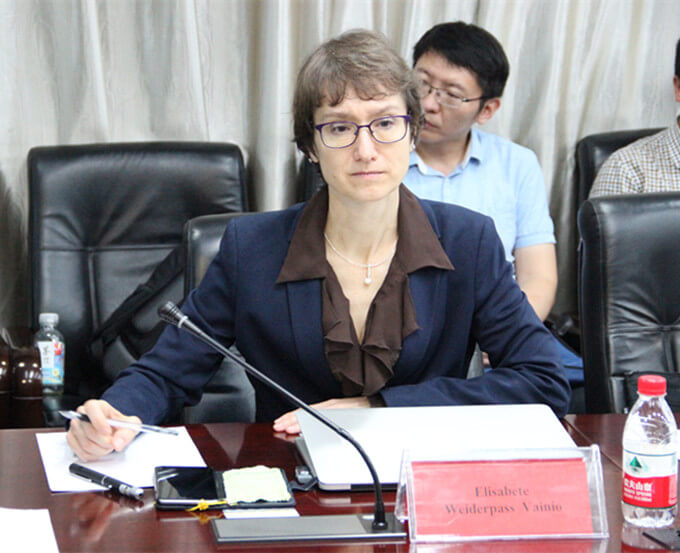
New IARC director Elisabete Weiderpass. Image credit: news.lzu.edu.cn
Recently IARC has appointed a new director. Together with the proposed revision of its Preamble, these developments might be interpreted by some as signs that the Agency is taking a critical look at its recent performance in order to improve its process.
However, there are reasons for skepticism regarding this interpretation.
For starters, when IARC’s assessments have been criticized by researchers on substantive grounds, rather than addressing the issues in question, the Agency has typically responded by dismissing the criticisms by 1) pointing to alleged conflicts-of-interest of its critics and 2) making sweeping assertions regarding the transparency and scientific rigor of its evaluation process and the monographs themselves. In other words, the Agency has shown no willingness to examine, and possibly learn from, the identification of serious errors and improprieties in IARC’s evaluations pointed out by respected scientists.
A number of problems with IARC’s approach to identifying carcinogens in need of regulation are described below.
Hazard vs. risk
Since IARC is proposing to revise its Preamble, it is fitting to examine the Agency’s use of “hazard” rather than “risk” – a distinction, which has long been enshrined it the Preamble. According to IARC “a cancer ‘hazard’ is an agent that is capable of causing cancer under some circumstances [emphasis added], while a cancer ‘risk’ is an estimate of the carcinogenic effects expected from exposure to a cancer hazard.” Here, “exposure” refers to actual human exposure levels. The Agency justifies the focus on hazard by arguing that, “even when risks are very low at current exposure levels, […] new uses or unforeseen exposures could engender risks that are significantly higher.” IARC’s focus on “hazard” opens a gaping loophole, which has given IARC carte blanche to highlight results that bear little relation to exposure or risk operative in the real world. To add to the confusion, even though IARC focuses on “hazard,” the title of the Monographs refers “Carcinogenic Risk to Humans.”
Image credit: Reid Middleton
Precautionary principle
IARC’s adoption of the very elastic concept of hazard is in line with the weight given to the precautionary principle in the EU Charter. The precautionary principle states that, when the effects of a policy or an exposure are unknown, steps should be taken to mitigate any potential adverse effects. However, too often this approach is taken by people who have no interest or ability to assess the relevant scientific evidence.
Selective treatment of evidence
There are many instances in recent IARC assessments of giving weight to positive results, even when these are questionable. At the same time, often higher-quality evidence that does not support an association is ignored. You can see how this penchant aligns with IARC’s invocation of “hazard” and the precautionary principle.
A glaring example of IARC’s systematic bias in evaluating evidence is found in the assessment of rodent studies of glyphosate in Monograph 112. The Working Group classified glyphosate as “probably carcinogenic” to humans based its finding of “sufficient evidence” from the animal studies. However, as the statistician Robert Tarone has shown in a paper published in the European Journal of Cancer Prevention, the Working Group highlighted certain positive results from the rodent studies and ignored contradictory negative results from the same studies. In addition, the Working Group used a questionable statistical test, that made the results of a mouse study look more impressive than they were.
The tendency to emphasize positive findings and minimize null findings in the glyphosate assessment has been further documented by the investigative reporter Kate Kelland, who compared different drafts of the chapter dealing with animal studies and found 10 instances in which “a negative conclusion about glyphosate leading to tumors was either deleted or replaced with a neutral or a positive one.”
A final example of the downplaying of exculpatory evidence in the glyphosate assessment is the Working Group’s failure to take account of the updated analysis of the National Cancer Institute’s Agricultural Health Study (AHS) cohort, which provides the highest quality human evidence bearing on the association of pesticide exposure and cancer. The Monograph 112 Working Group concluded that there was limited evidence that glyphosate was associated with NHL risk in humans. A 2014 paper in PLoS ONE reported on NHL risk in the AHS associated with insecticides, fungicides, and fumigants, but excluded herbicides. The Working Group meeting in 2015 omitted consideration of updated glyphosate analyses because they were not yet published. IARC justified the omission on the grounds that it only considers published papers. However, given the importance of this study, it would have made sense either to consider the unpublished results (especially since an earlier analysis of glyphosate in the AHS cohort was published in 2005 and the updated AHS NHL analysis that excluded herbicides was published in 2014, and thus the study design and quality of the data were known) or to delay publication of Monograph 112 until the updated analysis appeared in print. The updated analysis of glyphosate appeared in the Journal of the National Cancer Institute in November 2017 and provides the most comprehensive data on glyphosate exposure among farmers and cancer risk. The authors found no association of glyphosate exposure with increased risk of cancer, including NHL. Omission of the updated AHS findings from the 2015 assessment is particularly puzzling since IARC’s glyphosate Working Group was chaired by Aaron Blair, a National Cancer Institute scientist, who was a senior investigator on the AHS.
Chris Portier and Conflicts-of-Interest
IARC has long been concerned to guard against conflicts-of-interest, but as in the points discussed above, there is an asymmetry in its policy. IARC’s concern with potential conflicts-of-interest appears limited to those involving industry. The Agency shows little awareness of, or concern about, biases and conflicts-of-interest among academic or government researchers. These can be of a financial nature but can also involve political, ideological, and professional stakes in an issue like glyphosate use.
Mis- and disinformation are distorting science and public policy. Subscribe to our Daily and Weekly Digests for incisive coverage of ‘disruptive’ innovations in AI, agricultural biotechnology, food, chemicals, nuclear energy, vaccines, and other disruptive innovations.
A key figure involved in IARC’s glyphosate assessment is Christopher Portier, an American statistician who worked for the federal government for thirty years and was special advisor to the IARC panel that declared glyphosate to be “probably carcinogenic” in 2015. Transcripts for depositions related to lawsuits brought against Monsanto have revealed that within weeks of the publication of IARC’s glyphosate judgment in March 2015, Portier signed a lucrative contract to act as a litigation consultant for two law firms that were bringing suits against Monsanto on behalf cancer victims who claimed exposure to the herbicide. It is noteworthy that Portier was instrumental in drawing IARC’s attention to glyphosate in the first place, when he chaired an IARC committee in 2014 that recommended that the Agency undertake a review of the herbicide. All one can say is that, if an industry-affiliated scientist had engaged in comparable machinations, the outcry would be deafening.
IARC’s classification scheme
IARC reviews all available scientific evidence on a particular chemical, biological, or physical agent and classifies potential carcinogenic hazards according to the following scheme:
Group 1: Carcinogenic to humans (120 agents)
Group 2A: Probably carcinogenic to humans (82)
Group 2B: Possibly carcinogenic to humans (299)
Group 3: Not classifiable as to carcinogenicity (502)
Group 4: Probably not carcinogenic (1)
Of the over 500 substances IARC has assessed over the years (i.e. those not in Group 3), only one has been deemed “probably not carcinogenic” and placed in Group 4. Thus, it appears that in practice IARC’s scheme disposes against declaring that an agent is unlikely to be a carcinogenic hazard.
Thus, in line with the biases toward positive findings noted above, IARC’s classification scheme itself reflects a penchant for positive findings.
Mechanistic issues in cancer causation
Finally, the main reason given by IARC for revision of the Preamble is to take account of recent advances in the area of biological mechanisms involved in the development of cancer. In fact, this line of reasoning is worrisome. Given the complexity of biology, there are a staggering number of possible mechanisms, which are the subject of research. However, it is often unclear how a mechanism identified using a test system in the laboratory relates to the development of cancer in humans.
Regulatory agencies have given the highest priority to evidence from epidemiologic studies of the effects of exposure to a given agent in humans, when this is available. When such evidence is not available, studies involving carcinogen testing in whole animals of the appropriate species are viewed as providing relevant evidence.
Mechanistic evidence becomes important mainly when there is strong evidence of carcinogenicity from human and/or animal studies, rather than on its own. It is troubling to consider the possibility that laboratory studies of uncertain relevance to human carcinogenicity could be used to upgrade the carcinogenic classification of an agent for which the human and animal evidence of carcinogenicity is weak.
If IARC increases its reliance mechanistic evidence of human carcinogenicity without reforming the questionable practices enumerated above, the Agency will only deepen the already yawning chasm between it and the rest of the scientific and regulatory community.
This paper estimates the value of using genetically modified (GM) crop technology in agriculture at the farm level. It follows and updates earlier annual studies which examined impacts on yields, key variable costs of production, direct farm (gross) income and impacts on the production base of the four main crops of soybeans, corn, cotton and canola. The commercialisation of GM crops has occurred at a rapid rate since the mid 1990s, with important changes in both the overall level of adoption and impact occurring in 2016. This annual updated analysis shows that there continues to be very significant net economic benefits at the farm level amounting to $18.2 billion in 2016 and $186.1 billion for the period 1996–2016 (in nominal terms). These gains have been divided 48% to farmers in developed countries and 52% to farmers in developing countries. About 65% of the gains have derived from yield and production gains with the remaining 35% coming from cost savings. The technology has also made important contributions to increasing global production levels of the four main crops, having, for example, added 213 million tonnes and 405 million tonnes respectively, to the global production of soybeans and maize since the introduction of the technology in the mid 1990s.
Sex doll maker Realbotix, in its marketing materials, bills [sex doll] Harmony as “the perfect companion.” But healthy companionship is too bold a claim to make about sex robots, warn a pair of doctors in a report published [June 4] in the journal BMJ Sexual & Reproductive Health.
…
No primary research data on sex robots exists, the doctors concluded. “We advise that sexbots shouldn’t be used in medical practice,” [researcher Chantal] Cox-George said, “at least not unless that forms part of robust and ethical research.”
…
A data void hasn’t prevented the spread of beneficial claims. “We became aware that doctors are being asked for their professional opinions on sex dolls and robots,” Cox-George said. Sexbots have been suggested as a way to promote safe sex or as therapies for people with companionship problems.
…
Sex robots have also been suggested as companions for the elderly or people with disabilities. That struck Cox-George and [co-author Susan] Bewley as “patronizing.”
…
For the time being, and given the lack of data, Cox-George and Bewley conclude that medical professionals should apply what is known as the precautionary principle: “There is a social responsibility to protect the public from harm, unless findings emerge to show no harm,” Cox-George said. In the absence of evidence, in other words, clinicians should steer patients away.
The Non-GMO Project will “only become more relevant” as mandatory GMO labeling kicks in, in part because its scope could be so narrow that consumers will not simply be able to assume that anything without a bioengineered label is automatically Non-GMO, says executive director Megan Westgate.
USDA – which has just published a proposed rule establishing a National Bioengineered Disclosure Standard and hopes to finalize its plans “later in the year” – is currently elding comments on how broadly to interpret the term ‘bioengineered’ for food labeling purposes.
However, it has already made it clear that the definition excludes meat and dairy from animals fed GM feed, that it exempts gene-edited crops, and may also exempt highly refined oils and sweeteners made from GM crops such as soybean oil and high fructose corn syrup if they contain no detectible modified DNA.
Given that thousands of products that have been produced with genetic engineering at some stage in their development may therefore not be subject to mandatory GMO labeling under the proposed rule, consumers that care about this issue will in reality continue to look for the buttery logo when they go shopping, claimed Westgate.
Artificial intelligence will in time bring extraordinary benefits to medical science, clean-energy provision, environmental issues, and many other areas. But precisely because AI makes judgments regarding an evolving, as-yet-undetermined future, uncertainty and ambiguity are inherent in its results. There are three areas of special concern:
First, that AI may achieve unintended results. Science fiction has imagined scenarios of AI turning on its creators. More likely is the danger that AI will misinterpret human instructions due to its inherent lack of context.
…
Second, that in achieving intended goals, AI may change human thought processes and human values. AlphaGo defeated the world Go champions by making strategically unprecedented moves—moves that humans had not conceived and have not yet successfully learned to overcome. Are these moves beyond the capacity of the human brain?
…
Third, that AI may reach intended goals, but be unable to explain the rationale for its conclusions. In certain fields—pattern recognition, big-data analysis, gaming—AI’s capacities already may exceed those of humans.
…
By treating a mathematical process as if it were a thought process, and either trying to mimic that process ourselves or merely accepting the results, we are in danger of losing the capacity that has been the essence of human cognition.
Editor’s note: Henry Kissinger served as national-security adviser and secretary of state to Presidents Richard Nixon and Gerald Ford
In a lab at a U.K. research park, researchers from a startup called Tropic Biosciences are using CRISPR to create a better banana. The startup, which is also using gene editing to improve coffee, believes that technology could help save the fruit. Today, the company announced that it raised $10 million to commercialize its varieties of both coffee and bananas.
…
“Because traditional breeding is not an option, gene editing makes a lot of sense, because the only way you can change the banana now is through genetics. If we don’t [take] this type of role and save the banana, I’m not sure there’s any other way to do it.” If bananas are more disease resistant, the industry can reduce its use of agrochemicals; right now, [Gilad Gershon, CEO of Tropic Biosciences] says, the industry spends roughly a quarter of production costs on fungicide.
The team is also working on editing bananas to help the very perishable fruit survive longer as it’s delivered to consumers.
…
For coffee, the startup has already successfully genetically edited a variety of bean that is naturally decaffeinated.
…
With the new round of funding, the company, which was founded in 2016, will begin testing its new varieties globally.
A team of researchers led by Navreet Bhullar from the Institute of Molecular Plant Biology at ETH Zurich has genetically modified one of the most commonly grown varieties of rice. The advantage over the original variety is that these plants are better at mobilising their cellular stores of zinc and iron and depositing in the white part of the rice grain (known as endosperm). This means that the micronutrients are transported and concentrate there. The ETH researchers are the first to explore this aspect of cellular transport mechanisms of iron and zinc to enrich rice with micronutrients.
To achieve this enrichment, Bhullar and her team incorporated a genetic construct expressing a combination of three additional genes into the rice plants. One of these genes facilitates mobilisation of iron stored in the plant vacuoles, another encodes for an iron-storing protein Ferritin, and the third promotes efficient iron and zinc uptake by the roots.
…
[T]he ETH researchers developed rice lines with iron increases equaling more than 90% of the recommended iron content and up to 170% of the recommended content for zinc in rice grains.
Science and the enlightenment are under assault from many directions, and in many incarnations, but they all tend to boil down to the same basic idea – other ways of knowing, and a rejection of the rigorous academic standards typified by science and scholarship.
One form of science rejection is being called “indigenous ways of knowing” (IWK), which refers to the traditions and culture of native people, typically historically oppressed by Western aggression and colonialism. Dealing with this topic can be tricky, because often the grievances are legitimate, and calls for a rethinking of the relationship between indigenous people and their former colonizers is appropriate.
…
Saying that we should no longer hunt whales can be seen as just another assault on an indigenous way of life. It’s not their fault that Westerners overhunted whales (or cut down the rain forest, or whatever), so why should they pay the price? They have a point, but that point does not change the fact that some whale species are endangered and we shouldn’t be hunting them.
…
It is critical to understand that, by definition, any “alternative” to science or “other way of knowing”, therefore, involves cherry picking evidence, using bad logic, using vague definitions, making poor observations complicated by confounding variables, or operating in an opaque rather than transparent manner. None of those are good things, no matter what culture you come from.
For a few hundred dollars and a spit sample, you too could take a journey of genetic self-discovery. You may learn some things, but what are you giving away?
…
The direct-to-consumer market is “a bit of a wild ecosystem right now,” says Robert Green, a medical geneticist at Harvard Medical School who consults for the testing companies Helix and Veritas Genetics. The results can be enlightening, or at least entertaining. But consumer genetic testing also comes with inherent risks, privacy loss being one of them. “It’s often the price you pay,” Green says.
…
Many consumer genetic testing companies provide lengthy, yet vague, privacy statements written at a college reading level. That makes reading the fine print a slog and deters consumers from doing it. An analysis of the privacy policies of 30 consumer genetic testing companies found that most did not meet international transparency guidelines related to confidentiality, privacy and data use.
…
[T]he real privacy risk for most people lies in ancestry testing, [bioethicist Kayte] Spector-Bagdady says. Consumers often don’t realize that their genetic data could be combined with the personal information they share in surprising ways, unintentionally revealing more about themselves and unsuspecting family members.
…
Potential customers should “go in with eyes open,” Green says. That means shopping around, reading the fine print and being aware of how privacy risks may affect you, now and in the future.
I’ve been reading Charles Mann’s latest book Wizards and Prophets, which was released earlier this year.
…
While I thought the book was well done and well worth reading, Mann gets one aspect of this debate wrong. Because I’ve seen other writers make the same mistaken point, it’s worth delving into a bit.
Throughout the book, Mann refers to the Borlaug way of thinking as “top down” and the “hard way,” and he contrasts this with Vogt’s approach which he depicts as “bottom up”, “localized”, etc. This is exactly backward.
…
If [Vogt’s] resource-constrained view is a core belief, how do you solve the problem? Adherents to this point of view typically urge folks to consume less or use less resource-intensive systems/products or to constrain population in some way. But, most individuals don’t want less. … Thus, the only fully effective way for the prophets to accomplish their goal (preventing catastrophic collapse) is to force or constrain the population to adopt outcomes few individuals would choose on their own.
…
The wizardly Borlaug view, by contrast, operates via entrepreneurial innovation and individual decisions of whether to adopt or not. … Yes, the types of seeds and production practices developed by Borlaug et al. spread far and wide, but it was largely because they “worked” not because it was mandated from on high.
Editor’s note: Jayson Lusk is an agricultural economics professor at Purdue University
Some people call me a biohacker. My colleagues like the term because it sounds cool, and journalists like it because it gets clicks. I prefer being called a community biologist, do-it-yourself biologist, or even a citizen scientist, terms that are all interchangeable with biohacker.
The New York Times recently published a story warning the public about biohackers who are using CRISPR, a bioengineering tool that lets researchers make tiny and specific edits to DNA. The article assembled a number of news items — which included a biotech executive pricking himself with a homemade herpes treatment, scientists at University of Alberta in Edmonton synthesizing cowpox, and work at my community lab in Brooklyn — to paint a picture of biohackers working underground to create the next global apocalypse.
…
Yet the truth is that community labs like ours have more to do with science outreach and education than the scary-sounding research mentioned in the article. These labs, also known as biohacker spaces, are community hubs where people from diverse backgrounds and a range of ages meet to learn about biotechnology, work on projects, and share know-how.
…
Despite all the positives the biohacking community provides, should we ignore their benefits because someone shouts bioterrorism? No. Rather than portraying community biology as a threat, it’s time for the media — and the public — to see it as a public resource.
India has made rapid progress in the field of agriculture in recent years. Unfortunately, this largely remains unknown and uncelebrated. Between 1975 and 2014, India’s population increased 100%…. But our agricultural production increased 1,400% (i.e. 14 times)…. India now ranks second in the world in agricultural production.
Of the 3.52 million tonnes of pesticides (active ingredient) used in the world, the highest consuming regions are China, the US, EU, Brazil and Argentina. Together, they account for 90% of the pesticides used, globally. Even though India has the largest area (141 million hectares) under agricultural crops and is the second-largest agricultural producer ($367 billion) in the world, it accounts for just 1.7% of the global pesticides use. Compare that to the EU, which accounts for more than 11% of the global pesticides use, and uses 600% more pesticides than India does.
…
That there is excessive use of pesticides in India is a false allegation and lacks empirical support. Countries in the EU are the main source of funds for environmental activists based in India. The agenda of these foreign-funded NGOs is clear—to tarnish the image of Indian agriculture, globally, as desired by their donors.
Editor’s note: Rajju Shroff is the founder of crop protection company UPL
The Food and Drug Administration recently announced its authorization that permits genetics testing company 23andMe to market a test for gene mutations associated with risk of breast and ovarian cancer.
In response, 23andMe CEO Anne Wojcicki asserted that the test represents a “major milestone in consumer health empowerment.”
Media articles following this announcement made it clear even if the test provides an accurate result, there are significant limitations for 23andMe’s version of the test about which consumers should be aware. Notably, 23andMe discloses that the test only provides information on three genetic variants found on the BRCA1 and BRCA2 genes known to be associated with a higher risk for breast, ovarian and prostate cancer in people of Ashkenazi Jewish descent.
According to the FDA, most mutations that would increase an individual’s risk are not detected by the test, including mutations that may occur in other patient populations.
As a health law professor and bioethicist, here are some things I think that patients should know about genetic tests and how to think about risk.
A bit about assessing risk
Some women have opted to have limited or complete mastectomies based on genetic testing. Here, a minimal mastectomy is shown. Image credit: Pradit.Ph
Research shows that women overestimate their risk of cancer and overestimate the potential of dying of cancer. This anxiety may prompt women to seek aggressive interventions even when they do not have cancer. In one study, 32.9 percent of women without a BRCA mutation who received a false positive (indicated they had cancer when in fact they did not) on a screening test for ovarian cancer and had no ovarian cancer opted for surgical removal of their ovaries, or an oophorectomy.
It is imperative to address this anxiety and situate what a cancer risk means for patients.
For starters, it is important to know that the chance of having a BRCA mutation is exceedingly rare, with only about 0.2 percent of population affected. Put another way, in a room of 500 women, only 1 would have a BRCA mutation that increases her baseline risk of breast and ovarian cancer. But even this woman with a BRCA mutation may never develop breast or ovarian cancer during her lifetime. In fact, 90 to 95 percent of most cancer diagnoses can be attributed to environmental and lifestyle factors, not an inherited faulty gene.
Mis- and disinformation are distorting science and public policy. Subscribe to our Daily and Weekly Digests for incisive coverage of ‘disruptive’ innovations in AI, agricultural biotechnology, food, chemicals, nuclear energy, vaccines, and other disruptive innovations.
According to the Fred Hutchinson Cancer Research Center, up to one-third of cancer-related deaths are due to obesity and sedentary lifestyle. “Exercise is one of the most important actions you can take to help guard against many types of cancer,” experts at Fred Hutchinson say. A trial published in JAMA Internal Medicine confirmed the strength of dietary modification to drastically reduce risk of breast cancer. This information should be empowering. Many patients have much more control over certain – but not all – risks than they may have thought.
These discussions raise broader questions about how we treat patients regardless of whether they have an increased risk of cancer based on genetic testing or fall into a high risk category based on family history. For patients to make meaningful health decisions, they must have accurate information that includes understanding the risks and benefits of each choice.
Implications for overtreatment
Overtreatment that stems from anxiety not only leads to unnecessary and potentially harmful interventions for the patient, but it implicates physician liability. Traditionally, oncologists may favor an aggressive approach, offering and recommending interventions as a means to avoid malpractice litigation arising from patient perception that a physician could have intervened sooner. Aggressive treatment prompted by a patient’s anxiety requires further scrutiny specifically because each preventive intervention entails serious risks.
To note, 23andMe does caution that its test results should not be used on their own to make medical decisions. Women who test either positive or negative should still follow up with their physicians, both 23andMe and the FDA say.
In my research, I’ve read countless clinical practice guidelines, FDA meeting minutes, congressional hearing transcripts, and case law.
Here’s what I’ve learned: The potential for cancer risk reduction is only the first part of the equation. Yes, these interventions recommended by the National Cancer Institute do reduce risk for breast and ovarian cancer. But they also increase risk of other potentially debilitating or deadly conditions.
Many physicians agree the trade-off of reducing risk of cancer is worth it. But some physicians and patients may not be aware that physicians and clinical practice guidelines may downplay, omit or dismiss risks entirely in a manner that does not necessarily correspond to scientific evidence, but may be informed by financial conflicts of interest.
Women with concerns about their risks of breast cancer based on positive results from genetic testing should talk with their doctors. Image credit: Monkey Business Images/Shutterstock.com
Health empowerment requires a much broader conversation of what patients – both with and without a BRCA mutation – can do about their risk of cancer. On a population level, I believe everyone should have information on how to reduce cancer risk through diet and lifestyle interventions. Let’s continue the conversation of how to address patient anxiety to prevent needless overtreatment, aim for communication that accurately portrays what risks mean, and determine whether recommended interventions that pose significant risks offer sufficient clinical benefits.
Katherine Drabiak, JD, is an assistant professor at the University of South Florida College of Public Health and holds a joint appointment in the Department of Health Policy & Management and the Department of Global Health. Drabiak’s teaching and research focuses in health law examining the ethical, legal, and social issues surrounding genomics and the regulation emerging technology in healthcare.
If you believe product labels and inflammatory headlines it seems like almost everyone must be doubled over with celiac disease. Numerous websites, celebrity doctors, and internet personalities have concluded that this disorder is irrefutably caused by human meddling in wheat genetics. After all, Mother Nature would never make something harmful.
But new research indicates that the celiac-inducing factors in wheat are actually historical genetic remnants found in older “heirloom” types as well as modern varieties. The work was published recently in the journal Food Chemistry.
Celiac disease is an autoimmune disorder that affects about one percent of the population. The symptoms are related to inflammation in the digestive tract, induced by any one of several small proteins found in cereals. These are commonly referred to as “glutens” but specifically are known as gliadin and glutenin. They are a natural presence in wheat, rye and barley.
Image credit: OSU/Todd Johnson
Several groups have examined the abundance of glutenin and gliadin in modern wheat and older accessions, including the landraces cultivated by ancient peoples. Some of the work has demonstrated an increased level of immunogenic factors in the recent varieties, consistent with the notion that celiac symptoms may be related to modern breeding. Others have shown exactly the opposite, showing that ancient wheat possesses higher levels of gluten.
The present work examined wheat bred and grown in North Dakota over the last 110 years. The authors used a variety of techniques to quantify the epitopes present in older and newer varieties. Epitopes are the signatures in specific proteins that trigger immune response.
The result of the most recent work — there is no pattern. Some ancient varieties have high levels, some have low levels. Some modern varieties have high levels, some have low levels.
So why do different research groups see different results? It is quite possible that they all do beautiful work and are all correct.
In all of the research reports, different varieties were examined, different methods of quantitation were used. and plants were grown in different environments. We know that accumulation of different proteins can be profoundly influenced by even small changes in the environment. Together, all of these factors might explain why there is no clear association between gluten presence and wheat improvement, and why there is disagreement between studies.
Mis- and disinformation are distorting science and public policy. Subscribe to our Daily and Weekly Digests for incisive coverage of ‘disruptive’ innovations in AI, agricultural biotechnology, food, chemicals, nuclear energy, vaccines, and other disruptive innovations.
The take-home message is that gluten, and its contribution to human digestive ills, does not appear to be a product of modern breeding. While crop improvements like better yields, disease resistance, and the ability to survive weather extremes are easily measured, they did not happen with a parallel increase in gluten proteins.
While it is trendy to blame human participation in plant genetics as the root of all food problems, the data don’t match the allegation. Wheat’s rich genetic history has provided the molecular bones of pasta and bread, and a profitable crop for the farmers that grow it. For the 99% of us that are not celiac-sensitive this is very good news.
For the 1% that suffer from celiac disease — hope is on the horizon. New gene-editing techniques are being used to remove the problematic epitopes in wheat. In the near future celiac-safe wheat will be commonplace.
The plants that Mother Nature produced possess compounds that negatively affect some consumers. Plant breeding did not make them worse. Quite the opposite, new technology is helping make these products safe for everyone. It is again an important testament to the power of plant breeding and importance of embracing the next wave of technology in crop improvement.
Kevin Folta is a professor and chair of the Horticultural Sciences Department at the University of Florida. He teaches science communication workshops for scientists and ag professionals, and hosts the weekly podcast Talking Biotech. Follow him on twitter @kevinfolta.
This article was originally published at RealClearScience as “Wheat Breeding Not to Blame for Celiac Disease” and has been republished here with permission.
Will Gene Editing and Other New Breeding Techniques Provide a ‘Second Chance’ for Worldwide Embrace of Genetically Engineered Crops?
Jon Entine,Executive Director of the Genetic Literacy Project | June 13, 2018
Highlights:
Anti-GMO activists, aided by Russian propaganda, have managed to block the developing world from adopting biotech crops, mostly through political action in Europe, Africa’s largest agricultural trading partner
New Breeding Techniques (NBTs), particularly CRISPR gene editing that mimics natural breeding, may provide a regulatory work-around to open the door for a new generation of biotech innovation in the US, Europe and developing countries
The ability of gene editing to create crops with higher yields, resistance to diseases, increased nutrition and more climate adaptability has spurred interest even among hardened organic skeptics of biotechnology
“Responding to attacks from the anti-GMO movement,” an exasperated geneticist once said to me, “is like trying to stuff a squiggly octopus into a small box; whenever you think you’ve got it contained, you realize there is a tentacle dangling out somewhere.”
That was certainly the case in 2012. For the first time in years, the public debate over genetically engineered (GE) crops had begun to shift in the favor of science and an embrace of the safety of “GMOs” (a term coined by the anti-biotechnology movement to demonize genetic innovation; after all, who would want to eat a ‘modified organism’?!).
The biggest movement came in precaution-obsessed Europe, which because of a series of unfortunate food scares in the late 1990s and the dedicated opposition of Greenpeace and other activist groups had become a hotbed of biotechnology skepticism. And because Africa is Europe’s major agricultural import market, the EU’s rejection of GMO crops had had a huge impact on the largest food-insecure region in the world. GMO products were non grata.
The tide began to turn, decidedly many scientists thought, with the release in 2010 by the European Commission of an influential study, “A Decade of EU-funded GMO Research.” The EC had spent more than €200 million from 2000-2010 (adding to €100 expended previously by the EC) on 50 projects and more than 400 research groups in part to address the charge by activists that much of the key research supporting the safety of GMO crops had been generated by the corporations that developed the seeds, and was therefore suspect. The EC’s conclusion:
…The main conclusion to be drawn from the efforts of more than 130 research projects, covering a period of more than 25 years of research, and involving more than 500 independent research groups, is that biotechnology, and in particular GMOs, are not per se more risky than e.g. conventional plant breeding technologies.
A slew of other safety endorsements followed. With the public’s fears beginning to abate, disaster struck in the form of a controversial study published in a prominent publication by French activist biologist Gilles-Éric Séralini, who claimed that his research showed that rats fed GMO corn and the herbicide glyphosate over a two-year period developed cancerous tumors. Pictures of the grotesquely disfigured rats were prominently featured in his article and splashed across newspapers around the world.
Overnight, despite years of edging itself back into public favor, the movement to bring GE crops to Africa and other developed nations was dead. Anti-GE groups were mostly headquartered in the EU, which by tradition provided key funding for their activities, even when they contradicted mainstream science and in this case the findings of the EC itself. Kenya banned imports of GE food in 2012, based largely on the Séralini study, despite the fact that it was immediately exposed as flawed by the mainstream science community and was eventually retracted. (As recently as last week, it was reported that three European studies funded by the European Union reaffirmed the debunking of the rat study.)
Independent research in Kenya, Uganda, Nigeria and elsewhere in Africa screeched to a halt. Rather than providing a critical technology boost in the continent’s efforts to modernize farming and meet the soaring calorie demands of a continent growing in prosperity and population, the crop biotechnology revolution in Africa was dead-in-the water.
Second chance?
Six years later, the world and Europe and Africa in particular, have an opportunity to get the science—and the politics—right. Classic crop biotechnology is transgenic—that is, it involves the transfer of a trait-carrying gene from one plant to another. The most common GE crops are varieties of soybean, canola, cotton and corn that have been engineered for either herbicide tolerance or insect resistance (or in some cases both). Opponents, mostly European nonprofit non-governmental organizations (NGOs) aided by Russian propaganda have jacked up fears of ‘messing with nature’ and raising the ludicrous specter of Frankenstein-like creations, such as tomatoes with fish heads. Scaring people unsophisticated about science, understandably suspicious about corporate intentions and worried about the availability of healthy food was relatively easy.
With the advent of what has come to be known as New Breeding Techniques (NBTs) and the relative paucity of Rube Goldberg-like regulations surrounding these new techniques of genetic engineering, agricultural biotechnology has been granted a second chance.
NBTs offer scientists easier ways to do cisgenic breeding—involving no “foreign” DNA—allowing the development of new plant and animal varieties. NBTs like CRISPR/Cas9, TALENs and ZFN do not fit neatly into the GMO definitions crafted by the various regulatory agencies around the world. Its proponents believe gene editing is similar to but faster and more precise than mutagenesis (creating new varieties by using radiation or chemicals), which is not regulated; there are hundreds of mutagenized crops sold as organic. It’s also similar to what can naturally occur in nature.
With the advent of what has come to be known as New Breeding Techniques (NBTs) and the relative paucity of Rube Goldberg-like regulations surrounding these new techniques of genetic engineering, agricultural biotechnology has been granted a second chance.
But the regulatory process remains fluid. To date, no internationally agreed-upon regulatory framework for gene editing exists, so each country is in the process of evaluating whether, and to what extent, current regulations are adequate for research conducted with, and applications and products related to, gene editing. Biotechnology critics call NBT’s “hidden GMOs” and examples of “extreme engineering” with the “horrific potential for unintended effects” and are pushing to regulate them under a general GMO umbrella. Currently, because of the labyrinthal GMO regulatory system in the US, it takes more than $136 million and 7-13 years to get a crop approved. In Europe, it’s far worse; few crops have been approved and those that have mostly languish.
Biotechnology supporters believe that regulating them as GMOs would hobble innovation—much like has happened to classic GE crops. “Using CRISPR-Cas9 we can create a plant that in ALL aspects is identical to one that is not considered to be a GMO,” notes Stefan Jansson, plant professor at Umeå University in Sweden.
The Swedish Board of Agriculture, like regulatory agencies throughout Europe, has confirmed the belief, now embraced by regulators around the world, that CRISPR gene editing does not fall under the European GMO definition.
But European NGOs are lobbying doggedly to reverse those findings. Campaigners are adamant that new plant breeding techniques are just another attempt at selling GMOs to Europeans through a loophole or ‘back door’ approach.
A report by the Greenpeace Research Laboratories noted, for instance, that like traditional genetic engineering techniques (including those used for cisgenesis/intragenesis), unintended changes to plant chemistry arising from the use of gene-editing techniques may result.
“We are at a crossroads,” said Christoph Then of Testbiotech, an anti-GE NGO which contributed to the Greenpeace report. “The new methods known as genome editing have huge potential for radical changes of the genome. We do not have the experience to declare these products safe.”
“We are at a crossroads,” said Christoph Then of Testbiotech, an anti-GE NGO which contributed to the Greenpeace report. “The new methods known as genome editing have huge potential for radical changes of the genome. We do not have the experience to declare these products safe.”
The European Court of Justice’s advocates general ruled in January that crops and drugs created using gene-editing techniques such as CRISPR–Cas9 might and if they are nature-identical may not need to be regulated by the strict European Union rules, drafted in 2001 that govern GMOs. In other words, the ruling supports regulating these new GE innovations as products rather than based on the process that developed them. That’s similar to how the United States has traditionally regulated GE crops and counter to the process-based regulatory structure in place in Europe that has all but shut down innovation The full European court is expected to rule later this year, but usually follows the advice of its advocates general.
US gene editing regulatory challenges
The situation in the US is beginning to come into focus as well. The US Department of Agriculture determined in April 2016 that it would not regulate a mushroom and a new type of corn genetically modified with CRISPR/Cas, making them the first gene crops to be approved by the US government. According to the agency’s Animal and Plant Health Inspection Service (APHIS), these crops—and about 50 other plants they’ve reviewed—do not qualify as something the agency must regulate. (Once a crop passes the USDA reviews, it may still undergo a voluntary review by the US Food and Drug Administration.)
Another boost came when DuPont Pioneer and the Broad Institute of MIT and Harvard agreed in October 2017 to provide non-exclusive licenses for certain aspects of CRISPR technology to all biotech companies working in the field to encourage innovation.
In March, the USDA reaffirmed that it would no longer regulate crops that have been genetically edited. “Genome editing…can introduce new plant traits more quickly and precisely, potentially saving years or even decades in bringing needed new varieties to farmers,” the agency stated. Transgenic crops, which are modified to include DNA from other species like bacteria or insects to make them pest-resistant, for example, will still be closely monitored by the regulatory agency.
For supporters of biotechnology innovation, these are heartening developments that could provide a shot-in-the-arm to both industrialized countries and developing nations. CRISPR gene editing techniques have been used to develop still-unapproved versions of crops with sharply higher yields, resistance to common plant diseases, increased nutrition or better adaptability to climate change—all of which would be a boon for countries in Africa, other developing nations and the industrialized world.
For supporters of biotechnology innovation, these are heartening developments that could provide a shot-in-the-arm to both industrialized countries and developing nations.
But some or many of these innovations could be slowed or even stopped, even in the United States. The US Food and Drug Administration may establish its own guidelines regarding the human health risk of genetically modified crops, as well as animal gene editing, such as hornless cows bred to protect them from goring each other. The FDA recently announced in a draft document that it views CRISPR in animals as a form of gene therapy, would mean that it could be regulated as a veterinary drug. So if you want to use CRISPR to produce a hornless cow, you might have to go through the extremely expensive process of getting it approved as a new drug. The Office of Management and Budget is expected to release the FDA’s final decision on gene editing of both animals and crops this summer.
Organic breakthrough?
There are some hopeful signs beyond the regulatory battle that CRISPR might also be welcomed more by the public weary of the GMO wars. Early in June, at the 2018. CRISPRcon, a gene-editing convention in its second year, a prominent voice in the organic movement and a third-generation grain and livestock farmer announced he would be open to embracing versions of gene-edited crops that mimic naturally occurring varieties.
Klass Martens, known as an organic hardliner (he opposes soil-free hydroponic farming as an organic practice, for example), is a favorite supplier to Dan Barber, the chef at the influential farm-to-table New York City restaurant Blue Hill. He said he is hopeful that CRISPR technology could be used by organic farmers who want to grow versions of crops that help restore soil health.
“If it could be used in a way that enhanced the natural system, and mimicked it, then I would want to use it. But it would definitely have to be case by case,” he said, suggesting that gene-edited crops, because of their potential to increase sustainable farming practices, can fall within the ethos of organic.
Martens influence in the organic community is such that other farmers may similarly be open to embracing the new technology.
But regulatory shoals abound for gene editing even if the US should greenlight more liberal regulations for crops and possibly for animals. The scare tactics used by anti-biotechnology NGOs have proved enormously effective in the past, particularly in precautionary-obsessed Europe, as the Séralini Affair illustrated. Because of interlocked international trade, the countries with the most restrictive regulations often set the regulatory standard for the rest of the world, much like California’s tight restrictions set many standards for the rest of the United States.
So all eyes are on Europe, which has a history of taking the most cautious, and often the most science and innovation unfriendly, regulatory stance. European politicians frequently have ignored the findings of their own science bodies, which have consistently endorsed the safety of GMO crops, instead imposing crippling regulations. They could once again bypass their own science bodies and developing international standards and put aside EU court findings.
What would happen? The history of global GMO regulation provides dismal solace. Other parts of the world, such as trade-dependent Africa, might have no choice but to capitulate. The next year or two may well determine whether Biotechnology Innovation 2.0 proceeds more smoothly than the first iteration.
Jon Entine is the founder and executive director of the Genetic Literacy Project, a web-based resource and science literacy training program for policymakers, media, scientists and the public. He is a lifelong journalist, with 20 years as a network TV News producer and 25 years as an investigative reporter, columnist and book author. He has written seven books, including three on genetics and two on chemicals and agriculture. He was formerly a fellow at the American Enterprise Institute for Public Policy Research and the World Food Center Institute for Food and Agricultural Literacy at the University of California, Davis.
Global Farmer Network (GFN) is a non-profit advocacy group led by farmers from around the world who support free trade and farmers’ freedom to choose the tools, technologies and strategies they need to maximize productivity and profitability in a sustainable manner. Established in 2000, the Global Farmer Network is committed to inserting the worlds farmers voice in the global dialogue regarding food and nutritional security. The Global Farmer Network identifies, engages and supports strong farmer leaders from around the world who can work with others to innovate, encourage and lead as full stakeholders in the work that is being done to fill the world’s food and nutrition security gap in a sustainable manner.
The Genetic Literacy Project is a 501(c)(3) non profit dedicated to helping the public, journalists, policy makers and scientists better communicate the advances and ethical and technological challenges ushered in by the biotechnology and genetics revolution addressing both human genetics and food and farming. We are one of two websites overseen by the Science Literacy Project; our sister site, the Epigenetics Literacy Project, addresses the challenges surrounding emerging data-rich technologies.