Are we ready for the ethical issues surrounding newborn genetic screening?

cc babyseq x
Image credit: Uzfoto/Shutterstock

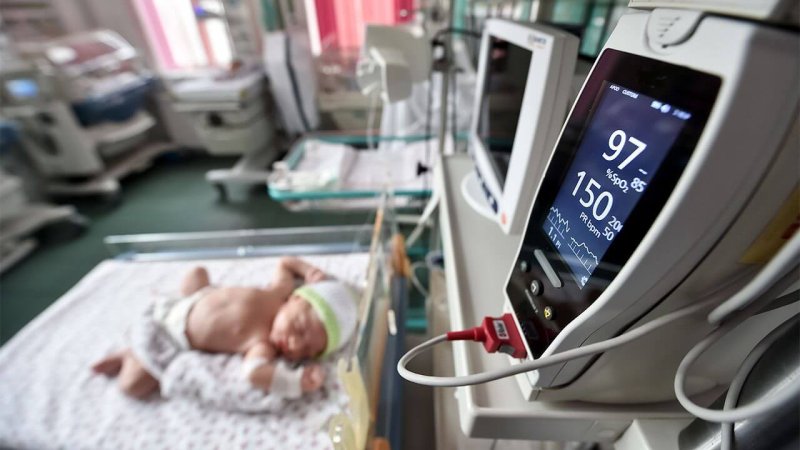
In the not-too-distant future, it will be possible to get a complete readout of a person’s genetics with ease, even right after they’re born. A new study published [January 3] offers a glimpse of what that future could look like, suggesting many children are born with genetic conditions that can’t be found with current screening. But the study also raises important ethical questions about how best to handle the predictions these tests will provide families and their doctors.

The more than 300 families who volunteered for the BabySeq Project were randomly assigned to two groups. Those in the control group would get the same sort of usual care, including standard genetic screening for the newborns and genetic counseling for caretakers with a family history of genetic disease. Newborns in the second group would get all that and also have their DNA sequenced in whole.

Of the 159 babies who received genetic sequencing, 15 (9.4 percent) were found to have mutations that raised their risk of health conditions likely to show up before they turned 18. These conditions included an enlarged heart, hearing loss, or severe kidney disease.

Leaving health aside, should parents be able to know about the potential traits of their children even before they’re delivered out into the world? And if so, should they be allowed to act on it?

Read full, original post: Sequencing the DNA of Newborns Uncovered Hidden Disease Risks and a Whole Lot of Tricky Issues

{{ reviewsTotal }}{{ options.labels.singularReviewCountLabel }}
{{ reviewsTotal }}{{ options.labels.pluralReviewCountLabel }}
{{ options.labels.newReviewButton }}
{{ userData.canReview.message }}

Related Articles

Infographic: Global regulatory and health research agencies on whether glyphosate causes cancer

Infographic: Global regulatory and health research agencies on whether glyphosate causes cancer

Does glyphosate—the world's most heavily-used herbicide—pose serious harm to humans? Is it carcinogenic? Those issues are of both legal and ...

Most Popular

Screenshot-2026-04-20-at-2.26.27-PM
Viewpoint — Food-fear world: The latest activist scientists campaign: Cancer-causing additives
Screenshot-2026-03-13-at-12.14.04-PM
The FDA wants to make many popular prescription drugs OTC—a great idea. Here’s why it’s unlikely to happen
Screenshot-2026-05-04-at-12.54.32-PM
How Utah became the country’s supplement capital  — and a haven for unregulated, ineffective and fake products
Screenshot-2026-05-01-at-11.56.24-AM
‘Science moves forward when people are willing to think differently’: Memories of DNA maverick Craig Venter
ChatGPT-Image-May-1-2026-02_20_13-PM
How RFK, Jr.’s false vaccine claims are holding up $600 million to fight diseases in poor countries
Screenshot-2026-04-03-at-11.15.51-AM
Paraben panic: How a flawed study, media hype, and chemophobia convinced the public of the danger of one of the safest classes of preservatives
Screenshot-2026-04-30-at-2.19.37-PM
5 myths about summer dehydration that could damage your health — or even kill you
ChatGPT-Image-Mar-27-2026-11_27_05-AM
The myths of “process”: What science says about the “dangers’ of synthetic products and ultra-processed foods
viva-la-vida-watermelons
Misinformation and climate change are endangering summer watermelons
Drinking lots of water can help reduce the effects of aging
Nanoplastics in drinking water: MAHA activists forge science-based bipartisan coalition 
ChatGPT-Image-Mar-10-2026-01_39_01-PM
Viewpoint—“Miracle molecule” debunked: Why acemannan supplements don’t work
circular-bioeconomy-should-focus-on-sustainable-wellbeing
GLP podcast: What's wrong with 'doomsday' environmentalism? It's false.
glp menu logo outlined

Get news on human & agricultural genetics and biotechnology delivered to your inbox.