Viewpoint: Blood tests for cancer would be ‘less invasive, less expensive, less traumatic’

3-24-2019 michigan med l liquid biopsy
Image credit: University of Michigan

Eleven years ago, I was shocked to be diagnosed with advanced lymphoma. To offer an informed second opinion, an oncologist recommended that I have a standard-of-care CT-guided thoracic biopsy. The goal was to collect a tissue sample from one of the nodules on my lung.

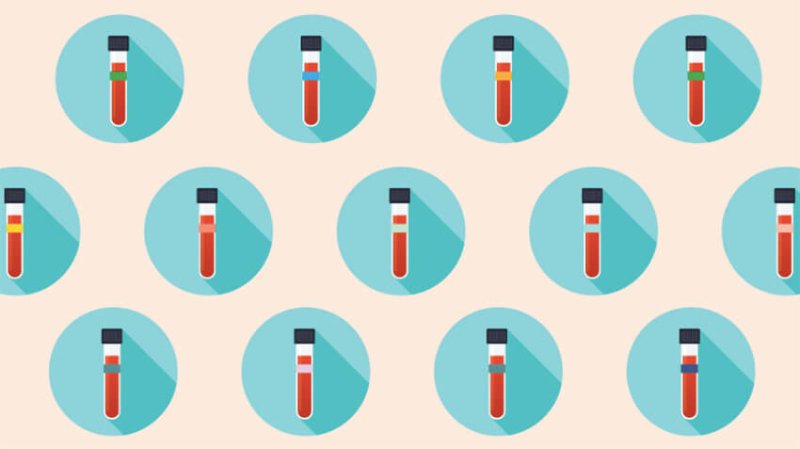
I hope I never have to undergo a biopsy like that again. It’s why I’m incredibly excited at the prospect of what are being called liquid biopsies. These are essentially blood tests used to collect a sample of cancer cells or pieces of DNA from them.

The complications [of traditional biopsies], which included a collapsed lung, pulmonary hemorrhage, infection and, in rare cases, being admitted to the hospital or dying, sounded scary for a biopsy.

[I] wish there was a faster, less invasive, less expensive, less traumatic way of collecting tissue.

I imagine what would have happened if I could have had a liquid biopsy instead of the traditional one: no overnight fast or trip to New York. Less (or no) time off from work for me and my care partner. No panic attack, no partially collapsed lung, no pain or coughing up blood.

Read full, original post: Liquid biopsy research should include the perspectives of patients like me


{{ reviewsTotal }}{{ options.labels.singularReviewCountLabel }}
{{ reviewsTotal }}{{ options.labels.pluralReviewCountLabel }}
{{ options.labels.newReviewButton }}
{{ userData.canReview.message }}

Related Articles

Infographic: Global regulatory and health research agencies on whether glyphosate causes cancer

Infographic: Global regulatory and health research agencies on whether glyphosate causes cancer

Does glyphosate—the world's most heavily-used herbicide—pose serious harm to humans? Is it carcinogenic? Those issues are of both legal and ...

Most Popular

Screenshot-2026-05-01-at-1.29.41-PM
Viewpoint: What happens when whole grains meet modern food manufacturing? Labels don’t tell the whole story.
S
As vaccine rejectionism spreads, measles may be taking a more dangerous turn
Screenshot 2026-05-06 at 2.56
Singularity crisis ahead? Can super babies save us from rogue AI geniuses?
Screenshot-2026-05-06-at-2.07.43-PM
Manufacturing a conspiracy: The timeline of how  the White House embraced the fringe claim that scientists are being mysteriously murdered
Screenshot-2026-04-20-at-2.26.27-PM
Viewpoint — Food-fear world: The latest activist scientists campaign: Cancer-causing additives
Screenshot-2026-04-30-at-2.19.37-PM
5 myths about summer dehydration that could damage your health — or even kill you
Screenshot-2026-03-13-at-12.14.04-PM
The FDA wants to make many popular prescription drugs OTC—a great idea. Here’s why it’s unlikely to happen
Screenshot-2026-04-12-135256
Bixonimania: The fake disease scam that AI swallowed whole
ChatGPT-Image-May-6-2026-03_41_05-PM
‘Protecting the integrity of science’: Kennedy’s FDA blocks release of taxpayer-funded studies finding COVID and shingles vaccines safe
Screenshot-2026-04-03-at-11.15.51-AM
Paraben panic: How a flawed study, media hype, and chemophobia convinced the public of the danger of one of the safest classes of preservatives
Screenshot 2026-05-06 at 12.49
Immortal dragons: The quest to ‘make death optional’
glp menu logo outlined

Get news on human & agricultural genetics and biotechnology delivered to your inbox.