“When we think about the classical definition of GMOs, we are talking about GMO 1.0,” said Murphy, research director at the Alltech European Bioscience Centre in Ireland. “Whereas now, we are at GMO 5.0. So the technology has moved on, but people’s opinions on GMO haven’t moved beyond the 1.0 version. And that is an issue. Not only a communication issue, but an understanding issue as well.”
Murphy made his comments yesterday during a media briefing at the Alltech Ideas Conference in Lexington, Kentucky, where he was named winner of the 2019 Alltech Medal of Excellence, an award previously conferred on former US Secretary of State Colin Powell and former Ford Motor Co. CEO Alan Mulally.
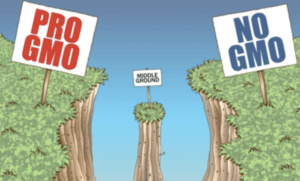
Murphy is optimistic that public attitudes about GMOs will change. “I do think that in the right space, with the right type of GMO technology, they will appreciate the benefits,” he said. “I think when we look at what we are faced with — an ever-growing population, ever dwindling resources — there will come a time when we have to make a decision. Can we continue to say no to GMOs? We need to look at it differently. I do think there is room for it…. So, I will be in support of GMOs. I think it has a role to play.”
Murphy noted that the issue is also linked to climate change. “If we are intensifying agriculture to produce more crops to feed an ever-growing population, then we have to consider the impact of that. And if the use of GMOs allows us to increase productivity without having the same detrimental impact that traditional increases will have, then it’s time to open up the debate.”
The Alltech Ideas Conference, organized by the global agricultural firm Alltech, annually brings together almost 4,000 people from over 70 countries to explore innovation, inspiration and world-changing ideas. Dr. Mark Lyons, the company’s president and chief executive officer, also expressed concern that genetic engineering has been miscommunicated over the years, leading to a bad public perception toward the technology.
“We are not against GMOs,” Lyons told the media conference. “It’s been the way the story was communicated to consumers. It had a backlash, particularly in Europe. But I think we are going to have future [bio]technologies that are going to be more impactful.”
In his opening speech, Lyons called for industry to increase its efforts to ensure the sustainability of the food supply. “Feeding 8, 9 billion people… can we do it? For me, that’s the wrong question. It’s what we are going to be producing, and for whom, that matters,” he said.

Lyons identified tradition as one of the biggest drawbacks to agricultural development and called for a change in attitudes. “The things we hold the dearest are the things that hold us back,” he said. “Our major competitor in agriculture is often tradition. We did it this way so we always do it this way… We have to push through that fear and come up with new science and new ideas.”
Lyons also expressed concern about what he described as declining investments in agriculture at a time when the population is growing, and the sector faces many more challenges.
“There are changes in technology, changes in environmental concerns and disease challenges. These are fresh pressures on our system,” Lyons said. “We are going to need a lot more food — at least 60 percent more by 2060. We have to make sure that the food is there. But we are investing a lot less in agricultural research and food production than we did in the past. How does that make sense? This is the time to invest, to create businesses. And come together. We have to make sure we come up with new ideas and implement them so we can produce more and waste less than we do today.”
Bear Grylls, a TV adventurer and British author who also spoke at the conference, expressed worry about the impact of climate change on the planet. “Our planet is changing and the vulnerable always suffer. Whether it’s people dealing with rains coming too early and bigger storms and bigger floods and bigger droughts or how these animals are living on the edge and being pushed to the edge of existence…”
He called for more action to reverse the situation. “It is also a hard reminder of how our planet is really fragile. And we’ve got to do all we can to protect it. To me, there is no debate. If we have something that’s beautiful, we should be able to say it’s beautiful. If you love something, you protect it.”
Joseph Opoku Gakpo is a broadcast and online journalist with the Multimedia Group Limited in Ghana. Follow him on Twitter @josephopoku1990. Follow the Alliance for Science @ScienceAlly.
This article originally ran at the Cornell Alliance for Science and has been republished here with permission.