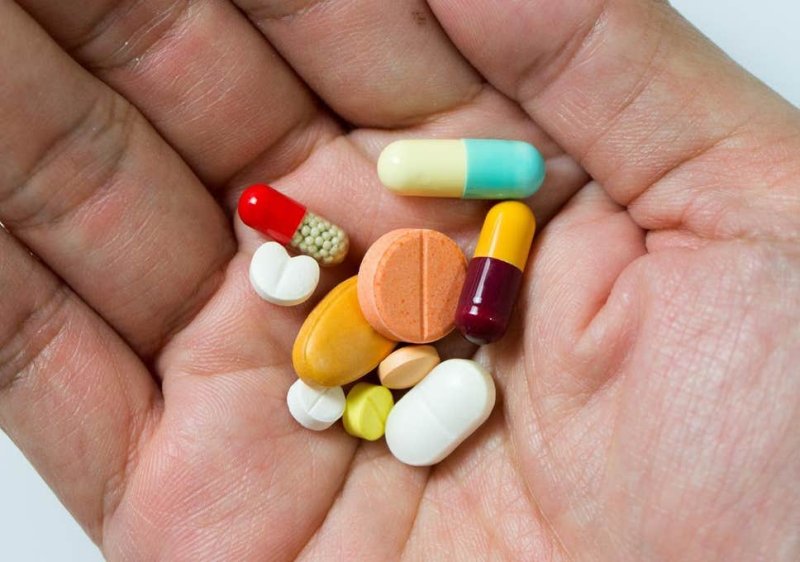
Long-term antidepressant use linked to higher risk of heart attack, stroke and death

istock
Image: iStock

More Americans are taking antidepressant medications like Prozac and Zoloft for extended periods of time: One-quarter of people on the drugs have used them for a decade or more, according to data from the National Center for Health Statistics. But even the longest rigorous studies of antidepressants’ safety and efficacy have followed patients for only a couple of years.

Now, there’s a growing concern among health professionals that some people who are taking the drugs long-term shouldn’t be—needlessly subjecting themselves to side effects and potential health risks.

People who used antidepressants had a 14% higher risk of heart attacks and strokes and a 33% greater risk of death, according to findings in a meta-analysis of 17 studies that was published in 2017 in the journal Psychotherapy and Psychosomatics.

The most popular antidepressants, selective serotonin reuptake inhibitors, or SSRIs, affect the action of the neurotransmitter serotonin not only in the brain but throughout the body. And because serotonin is involved in critical processes like growth, digestion and immune function, disrupting serotonin levels could have widespread negative health effects, says [researcher] Marta Maslej.

“For the sake of treating depression, you might be disrupting things,” she says.

Read full, original post: New Concerns Emerge About Long-Term Antidepressant Use

{{ reviewsTotal }}{{ options.labels.singularReviewCountLabel }}
{{ reviewsTotal }}{{ options.labels.pluralReviewCountLabel }}
{{ options.labels.newReviewButton }}
{{ userData.canReview.message }}

Related Articles

Infographic: Global regulatory and health research agencies on whether glyphosate causes cancer

Infographic: Global regulatory and health research agencies on whether glyphosate causes cancer

Does glyphosate—the world's most heavily-used herbicide—pose serious harm to humans? Is it carcinogenic? Those issues are of both legal and ...

Most Popular

Screenshot 2025-07-30 at 10.48
Can gene editing eliminate Down syndrome? Scientists have done it in lab-grown cells
ChatGPT Image May 26, 2026, 08_42_17 AM (1)
Viewpoint: Greenpeace and poison: How environmental advocacy groups rely on compliant (and often ignorant) journalists to spread disinformation and spark litigation
ChatGPT Image May 26, 2026, 08_21_36 AM
Limiting gender affirming interventions: Trump administration targets Texas even though it already bans youth access
Screenshot-2026-05-28-at-1.36.28-PM
Viewpoint: Can mRNA research survive the Trump administration?
Screenshot-2026-06-03-at-1.24.46-PM
Challenging anti-GMO disinformation: Why genetically-tweaked crops offer bushels of benefits
ChatGPT-Image-Jun-2-2026-03_04_17-PM
Viewpoint: Why the hyper-promoted doping ‘enhanced games’ pseudo Olympics flopped
ChatGPT-Image-May-26-2026-07_51_21-AM-2
Viewpoint: There are more than 1,000 chemicals in a cup of coffee—including many substances that can cause cancer. Why isn’t it banned?
Picture1
Sounds we can’t hear — the hidden planetary signals behind science, fear, and misinformation
ChatGPT-Image-Jun-3-2026-12_33_40-PM-2-1
Viewpoint—The end of ‘ivory tower science’: What does that even mean, and what comes next
ChatGPT-Image-Mar-10-2026-01_39_01-PM
Viewpoint—“Miracle molecule” debunked: Why acemannan supplements don’t work
ChatGPT-Image-Jun-4-2026-01_27_58-PM
Viewpoint—N.A.D.+: Why Gwenyth Paltrow’s heralded anti-aging supplement doesn’t work
Screenshot-2026-04-14-at-11.11.06-AM
‘Turbo cancer’ or mRNA cancer cure? Strategies to counter misinformation
ChatGPT-Image-Jun-2-2026-11_39_58-AM
Viewpoint: Who is RFK, Jr.’s newly-appointed CDC senior counselor, Sara Brenner — Vaccine skeptic and self-proclaimed “MAHA mom”
glp menu logo outlined

Get news on human & agricultural genetics and biotechnology delivered to your inbox.