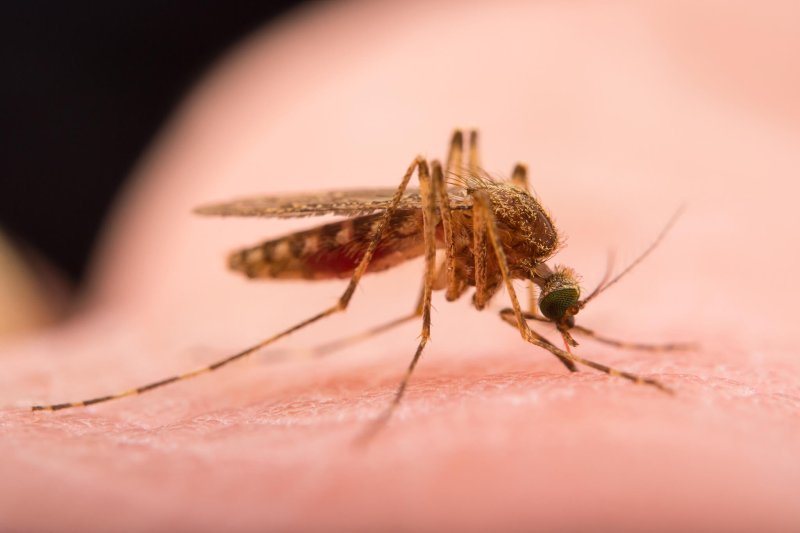
A field experiment in Brazil that deployed genetically modified mosquitoes to control wild populations of the pest may be having unintended consequences. According to a genetic analysis of mosquitoes in the area, it appears the engineered stock has bred with wild mosquitoes and created viable, hybrid insects, scientists reported in Scientific Reports last week (September 10).
[Editor’s note: Scientific Reports, the journal that published the new study, issued the following clarification on September 18: “[R]eaders are alerted that the conclusions of this paper are subject to criticisms that are being considered by editors. A further editorial response will follow the resolution of these issues.”]
“The claim was that genes from the release strain would not get into the general population because offspring would die,” coauthor Jeffrey Powell, a professor of ecology and evolutionary biology at Yale University, says in a press release. “That obviously was not what happened.”

The biotech company Oxitec began releasing hundreds of thousands of genetically engineered mosquitoes in the city of Jacobina between 2013 and 2015. The idea is that genetically modified (GM) males would mate with wildtype females and pass on a gene that kills their offspring before they themselves can breed, ultimately knocking down Jacobina’s mosquito populations.
Read full, original article: GM Mosquito Progeny Not Dying in Brazil: Study