The situation is truly tragic, but it’s also solvable. A wide variety of solutions have been devised to tackle the malnutrition epidemic, and you may find the newest one quite surprising: edible cotton. By genetically engineering cotton to remove a toxin called gossypol, scientists have potentially turned the 40 million tons of cotton seed produced each year into a sustainable source of protein, one of the most important nutrients insufficiently available to poor people around the world.
Let them eat cotton

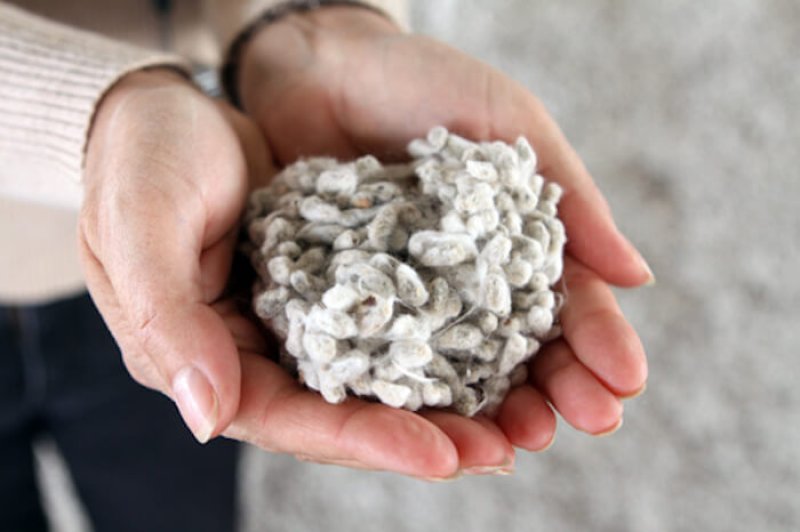
Cotton is grown by over 20 million farmers in 80 countries and represents a substantial cash crop in the developing world. Unlike most commodity crops, which are grown for their seed, cotton is generally grown for fiber production, the long whispy filaments that suspend the cotton seed. However, the seed contains a concentration of high-quality calories that have only remained inaccessible because the seed also contains a harmful toxin.
Cotton produces gossypol, a terpenoid and natural pesticide that protects the plant from hungry insects. In mammals it is readily absorbed in the intestine and accumulates in the body. Consumption of raw cottonseed oil in a cotton-producing region of China in the 1930s and 1940s led to widespread male and female sterility, with no children being born during that time. The toxin progressively affects the heart and secondarily the liver. Consumption also leads to protein malnutrition.
During processing fiber is harvested and the abundant seeds may be separated into cottonseed oil (which is processed to remove any gossypol) and a by-product called cottonseed meal. At 22% protein, world production of cottonseed meal contains the protein equivalent (by weight) of all of the eggs in the world, enough to feed 500 million people high-quality protein for a year. Yet because of the high gossypol levels, cottonseed meal can at best be used as a protein supplement to feed beef cattle and other ruminants, as their unique digestive systems can tolerate supplemental amounts of this toxic compound.
Genetic engineering changes the game
With the help of genetic engineering, researchers have developed a new type of cotton that virtually eliminates gossypol, meaning the seed and its plethora of nutrients may be safely consumed by humans and other non-ruminants. This innovation could allow growers in major cotton-producing countries like China, India, and nations throughout Africa to sell their crops as food.

The idea is not a new one. For decades, researchers tried to breed low-gossypol cotton, but a reduction of this compound left the plants vulnerable to insect attack. A research team led by Dr. Keerti Rathore at Texas A&M University finally solved this problem by eliminating gossypol only from the seed. This two-decade-long effort yielded a plant that can still defend itself against insect invasion, but produces a non-toxic seed. The innovation was deregulated by the U.S. Department of Agriculture (USDA) in October 2018 and the Food and Drug Administration (FDA) this month.
To accomplish this feat, the team targeted an enzyme required for gossypol production using a gene-silencing technique called RNA interference (RNAi). To decrease the level of the enzyme, they created genetically engineered plants that suppress the delta-Cadinene Synthase (dCS) gene. This gene encodes the instructions for an early step in gossypol synthesis, so shutting it down limits the amount of gossypol produced.
Because gossypol is important for insect protection, interrupting synthesis of this compound would possibly require more insecticide to protect the plants, leading to higher costs for farmers and possible effects on non-target insect populations. As a result, the RNAi mechanism was turned on using a promoter (a genetic on/off switch) from the alpha-globulin gene, a gene producing a seed-specific protein. This promoter allowed seed-specific suppression of the dCS gene and no gossypol production in seeds—while the rest of the plant produced the natural insecticide. Cotton lines bred against this genetic background should suppress gossypol production.
The resulting seeds will be used to create ultra-low gossypol, high-protein flours that can be manufactured into animal feed and even food for human consumption. Such products will be welcome in the developing world, where diets based on grains and tubers often contain insufficient protein.
This innovation once again underscores the importance of leveraging genetic engineering to increase sustainable food production. Although we can’t eliminate hunger overnight, the development and release of this breakthrough cotton variety will help combat a lot of needless suffering around the world.
Kevin M. Folta is a professor in the Horticultural Sciences Department at the University of Florida. Follow professor Folta on Twitter @kevinfolta and email your questions to [email protected]